Side-by-Side Cognitive Profiles
The Cosmic Pet Pet IQ Lab provides a detailed look into the cognitive strengths of various breeds, and for the Cardigan Welsh Corgi and the Puli, the scores reveal a remarkable parity. Both breeds demonstrate robust mental capabilities, making them highly capable companions, but a closer inspection of how these scores manifest reveals their unique intellectual styles.
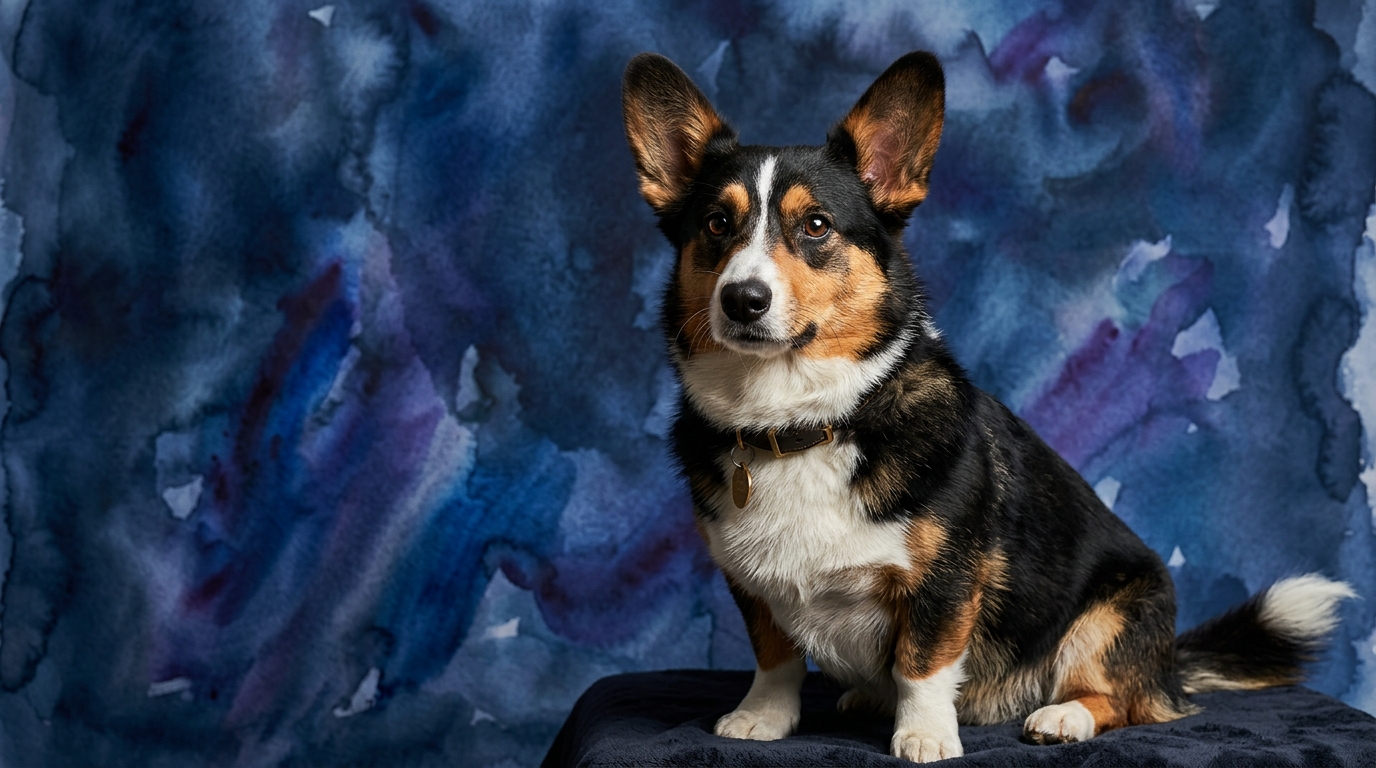
For the Cardigan Welsh Corgi, their Problem Solving score of 4/5 indicates a breed adept at navigating complex home environments, figuring out how to access desired objects, and manipulating simple mechanisms like cabinet latches or puzzle feeders. This often manifests as cleverness in getting their way or solving novel domestic challenges for rewards, showcasing a pragmatic, results-oriented approach. Their Training Speed, also at 4/5, means they grasp new commands and routines rapidly, often eager to learn when motivated by food, praise, or interactive play, quickly connecting actions to consequences.
A Social Intelligence score of 3/5 for the Cardigan Welsh Corgi suggests they are perceptive of their immediate family's moods and household dynamics, understanding their place within the human structure. They can be sensitive to changes in routine or emotional shifts within the family. Their Instinctive Drive, rated 3/5, is rooted in their herding heritage but often expressed in a domesticated context – gently nipping at heels, attempting to 'gather' family members, or displaying a strong chase drive towards small, fast-moving objects. Finally, their Memory, scoring 4/5, ensures excellent recall for learned commands, routines, and the location of favored items or people, remembering past experiences and associations with impressive accuracy.
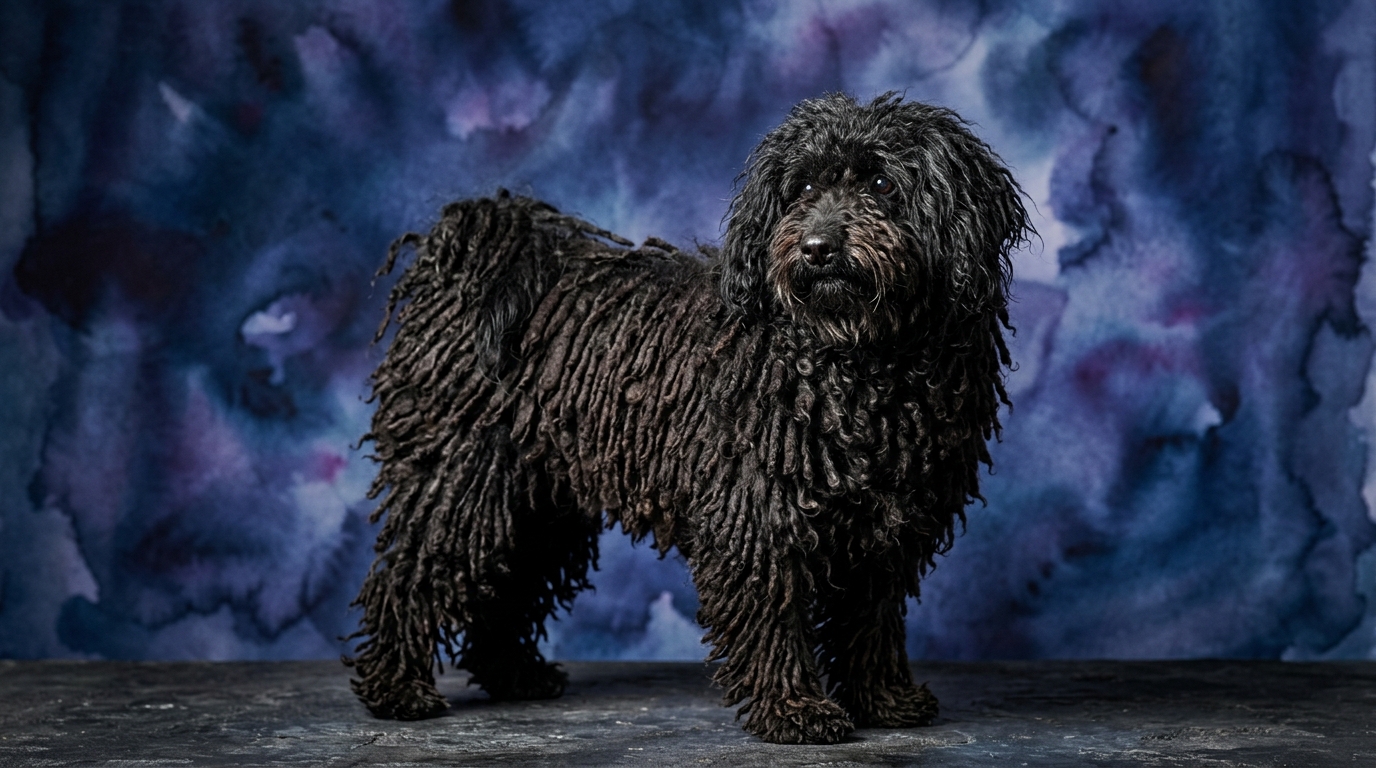
Turning to the Puli, their Problem Solving also stands at 4/5, but its application often leans towards spatial awareness and strategic thinking. Pulis demonstrate ingenuity in navigating complex outdoor terrains, finding hidden objects, or solving multi-step challenges in agility courses. Their solutions can be less direct, reflecting a more independent, observational approach to problem-solving. Their Training Speed, identical at 4/5, means they learn commands quickly, particularly when training taps into their innate working drive, though their independent spirit means consistent, engaging methods are key.
The Puli's Social Intelligence of 3/5 translates to a breed that is highly observant of their human family's interactions, often forming deep, loyal bonds with primary caregivers. They tend to be reserved with strangers, evaluating new social situations carefully before engaging, prioritizing the safety of their perceived 'flock.' Their Instinctive Drive, also 3/5, manifests as a watchful, protective nature over their family and property. They may exhibit patrolling behaviors or a strong desire to keep things in order, stemming from their livestock guarding background. Like the Corgi, the Puli’s Memory is 4/5, granting them a robust recall for routines, commands, and distinguishing between familiar and unfamiliar individuals or situations, retaining complex sequences of actions with precision.
Where the Cardigan Welsh Corgi Wins Cognitively
While both breeds possess impressive cognitive abilities, the Cardigan Welsh Corgi often demonstrates a more accessible and pragmatic application of their problem-solving and social intelligence within a typical home environment. Their 4/5 problem-solving score translates into a cleverness that excels at navigating the nuances of human living spaces, figuring out how to manipulate objects to their advantage or understanding household routines with remarkable speed. This makes them particularly adept at integrating seamlessly into diverse family structures and quickly learning the 'rules' of various homes, often becoming highly intuitive family members who anticipate needs.
Furthermore, the Corgi's social intelligence, while rated 3/5, often manifests as a keen awareness of human emotional states and family dynamics, allowing them to adapt their behavior to maintain harmony. Their memory, also 4/5, supports this by enabling them to recall specific social cues and past interactions, contributing to their reputation as responsive and adaptable companions in a human-centric world.
Where the Puli Wins Cognitively
The Puli's cognitive strengths, while sharing similar scores, often shine in contexts that draw upon their historical role as a livestock guardian and herder, demanding a broader, more strategic application of their intellect. Their 4/5 problem-solving ability is frequently geared towards spatial reasoning and complex environmental assessment, making them exceptionally good at tasks requiring sustained attention to detail in dynamic settings, such as advanced agility courses or tracking activities. This intellectual style allows them to process intricate information and devise multi-step solutions that might appear less direct but are highly effective in their specific domains.
The Puli's instinctive drive, rated 3/5, combined with their strong memory (4/5), provides an edge in vigilance and long-term strategic recall, allowing them to recognize patterns in environmental changes or the movements of a 'flock' (their family or property). This translates to a profound capability for assessment and protection, often making them highly effective watchdogs who are discerning about who or what belongs in their territory, even with a social intelligence score of 3/5. They excel at understanding complex sequences and patterns over time.
Which is Easier to Train and Why
Both the Cardigan Welsh Corgi and the Puli boast a Training Speed score of 4/5, indicating they are quick to learn new commands. However, the *experience* of training each breed can differ significantly due to their other cognitive traits and inherent temperaments. The Cardigan Welsh Corgi is often perceived as slightly 'easier' for novice owners, largely owing to their generally eager-to-please nature and strong motivation by food or interactive play. Their social intelligence, while 3/5, makes them typically attuned to human expectations and desires, leading to a more straightforward, responsive training dynamic where they readily seek to cooperate.
Conversely, while the Puli is equally quick to grasp concepts, their independent streak and strong instinctive drive (3/5) mean training requires more consistency, clear leadership, and engaging methods that respect their working heritage. A Puli might question a command if it doesn't immediately perceive its purpose or value, requiring the trainer to be more patient, creative, and firm in demonstrating the desired outcome. Their unique corded coat also introduces a necessary grooming training component from a young age, which adds another layer to their overall training regimen not typically found with the Corgi. Effective Puli training often involves tapping into their problem-solving skills with tasks that feel like a 'job,' rather than just rote obedience.
Which Suits Active Owners vs. Relaxed Owners
When considering an owner's lifestyle, the nuances of the Cardigan Welsh Corgi's and Puli's cognitive profiles become particularly relevant. The Cardigan Welsh Corgi, with its 3/5 instinctive drive and 4/5 problem-solving, suits moderately active owners who can provide consistent, engaging mental and physical stimulation. Their energy can be satisfied with brisk daily walks, interactive puzzle toys, and regular play sessions. They adapt well to a family routine that includes structured activity but also values downtime and cozy companionship, thriving on a balance of mental challenges and relaxation.
The Puli, on the other hand, is generally better suited for highly active and deeply engaged owners. Their strong instinctive drive (3/5) combined with their robust problem-solving (4/5) and memory (4/5) capabilities demands a consistent outlet for their working intelligence and physical prowess. They excel in dog sports such as agility, herding trials, or advanced obedience, where their strategic thinking and vigilance can be fully utilized. A more relaxed owner who cannot provide sufficient mental and physical stimulation might find a Puli prone to creating their own 'jobs,' which may not always align with household rules or expectations, leading to potential frustration for both dog and owner.
The Verdict: When to Choose Each Breed
The Verdict
Choose the Cardigan Welsh Corgi for owners seeking a clever, adaptable companion who integrates readily into family life, offering responsive trainability and a pragmatic approach to problem-solving within a domestic setting.
Opt for the Puli if you are an experienced, active owner who appreciates an independent thinker, values a strong working drive, and can provide consistent mental challenges that harness their unique spatial reasoning and vigilant nature.
🧠 Find Your Pet's IQ Score
Our Pet IQ Lab assessment covers 25+ tests across 5 cognitive dimensions — personalized to your breed.
Take the Full IQ Test →Frequently Asked Questions
Do Cardigan Corgis and Pulis require similar amounts of mental stimulation?
While both breeds score 4/5 in problem-solving and memory, the type of mental stimulation they thrive on can differ significantly. Corgis often enjoy puzzle toys and learning new tricks within a domestic context, whereas Pulis benefit greatly from tasks that engage their herding instincts or advanced obedience work that feels like a real 'job'.
How does their social intelligence score (3/5) manifest differently?
For the Corgi, a 3/5 social intelligence often means they are perceptive of their immediate family's moods and dynamics but can be reserved with strangers, preferring familiar company. The Puli's 3/5 social intelligence might present as a more watchful, evaluative approach to new people or situations, prioritizing the safety and assessment of their perceived 'flock' before engaging.
Is one breed more prone to specific behavioral challenges related to their IQ?
Given their strong problem-solving and memory, both can develop unwanted behaviors if not properly guided. Corgis might use their cleverness to outsmart owners for treats or attention, while Pulis, with their instinctive drive, might become overly vigilant or attempt to 'herd' family members or other pets if not given appropriate outlets for their energy and mental capabilities.