Side-by-Side Cognitive Profiles: Cardigan Welsh Corgi vs. Rhodesian Ridgeback
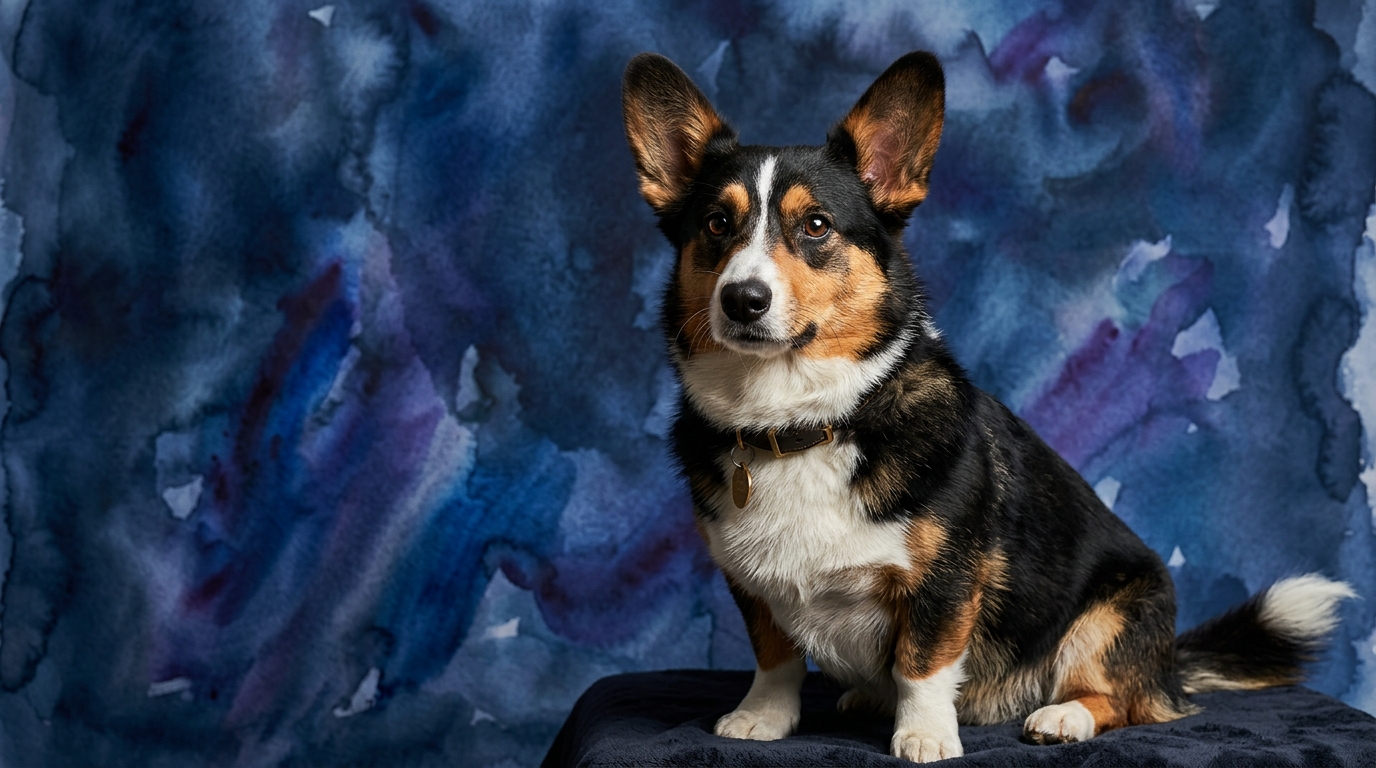
At The Cosmic Pet Pet IQ Lab, we evaluate canine cognition across five key dimensions, offering a nuanced understanding of each breed's mental landscape. The Cardigan Welsh Corgi, ranking #26 on Coren's scale of working and obedience intelligence, demonstrates a cognitive makeup well-suited for its historical herding duties. Its Problem Solving score of 4/5 suggests a dog adept at figuring out novel situations, overcoming obstacles, and understanding cause-and-effect relationships, often displaying resourcefulness in daily life. A Training Speed of 4/5 indicates a quick learner, highly responsive to cues and eager to absorb new commands and routines, pointing to a high degree of trainability. Their Social Intelligence at 3/5 means they can read social cues reasonably well and interact appropriately, though perhaps not with the extreme sensitivity of some other breeds. An Instinctive Drive of 3/5 reflects their herding instincts, present and manageable, channeled into their work without overwhelming other cognitive functions. Finally, a Memory score of 4/5 points to excellent retention of learned behaviors, commands, and experiences, contributing to their efficiency in training and daily routines.
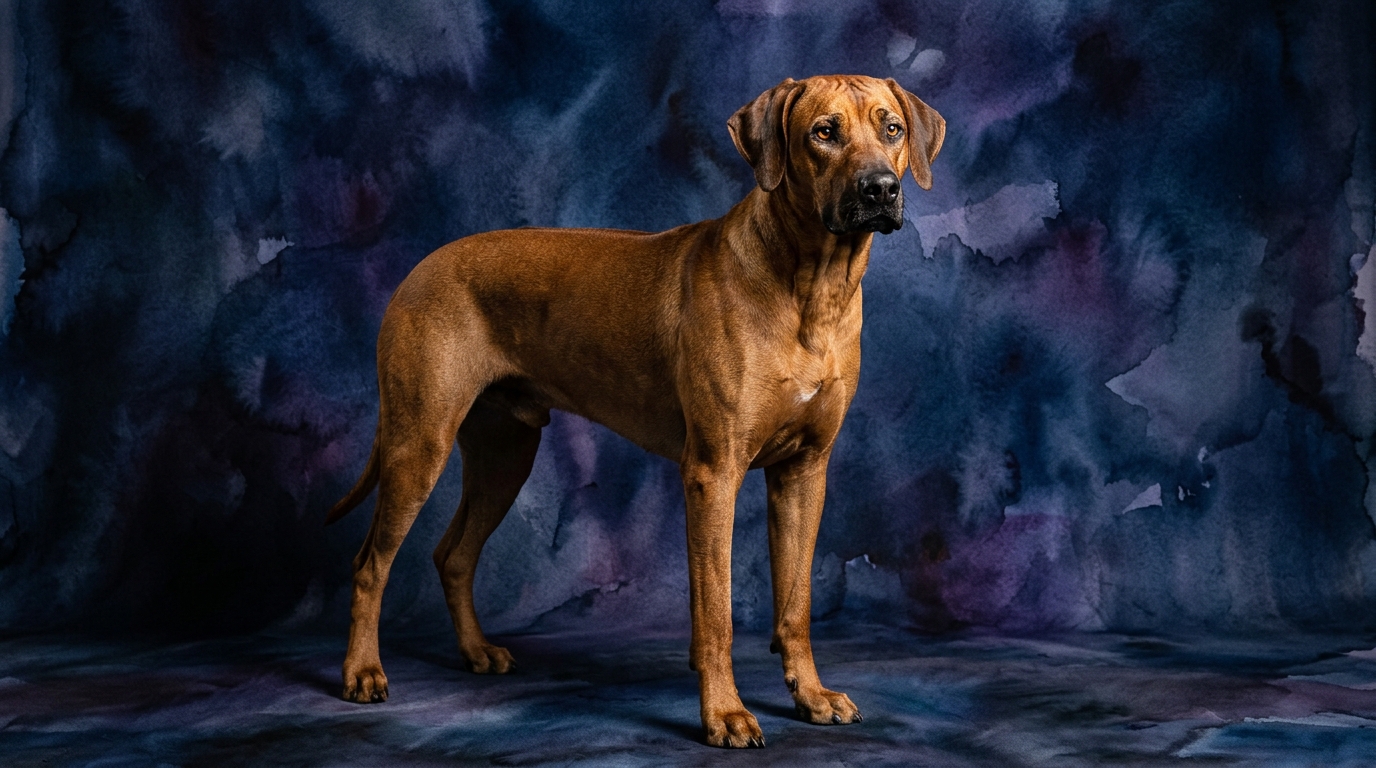
The Rhodesian Ridgeback, ranking #52 on Coren's scale, presents a different cognitive blueprint, reflecting its heritage as a tenacious pursuit hound. Their Problem Solving score of 3/5 suggests a moderate ability to navigate new challenges, with their cognitive efforts often geared towards independent decision-making in specific contexts rather than general adaptability. A Training Speed of 3/5 indicates they can learn, but might require more repetition or a different motivational approach than faster learners, processing new information at a more deliberate pace. Similar to the Corgi, their Social Intelligence is rated 3/5, meaning they possess a reasonable capacity for understanding social dynamics, though they might be more reserved or selective in their interactions. An Instinctive Drive of 3/5 is significant for the Ridgeback, where their hound instincts, particularly prey drive and tracking ability, are a core part of their make-up, influencing their focus and motivation. Their Memory score of 3/5 suggests they retain information adequately, but perhaps not with the same precision or long-term recall as breeds with higher scores, emphasizing the importance of consistency in training.
Where the Cardigan Welsh Corgi Excels Cognitively
The Cardigan Welsh Corgi demonstrates a distinct cognitive edge in areas critical for its historical role as a herding dog. Their 4/5 rating in Problem Solving indicates a breed capable of discerning effective strategies to manage livestock, navigate complex environments, or even outwit a stubborn animal. This translates into a dog that can independently assess situations, make quick decisions, and adapt when initial attempts fail, whether it's figuring out how to open a gate or locating a lost toy. This capacity for resourceful thinking makes them engaging companions who actively participate in their environment.
Paired with a 4/5 in Training Speed, the Cardigan Corgi absorbs new commands and routines with remarkable efficiency. This rapid learning curve means they pick up complex sequences of actions quickly, making them highly receptive to advanced obedience, agility, or even trick training. Their superior 4/5 Memory further solidifies this advantage; once a Corgi learns something, they tend to retain it with impressive long-term recall, requiring less refreshing of commands and reinforcing their reliability in learned tasks. This combination of quick learning, effective problem-solving, and robust memory makes them exceptionally adaptable and eager participants in structured activities and daily routines.
Where the Rhodesian Ridgeback's Cognition Shines
While the Rhodesian Ridgeback's numerical scores might appear modest compared to the Corgi in some categories, their cognitive strengths are uniquely tailored to their heritage as a tenacious pursuit hound. Their 3/5 in Problem Solving, while lower, speaks to a different kind of cognitive application: the sustained, independent effort required to track and corner large game. This problem-solving isn't about quick, adaptive maneuvers like a herder, but rather about focused persistence, spatial reasoning over vast distances, and the independent judgment to follow a scent trail for hours.
Their 3/5 in Instinctive Drive, though numerically equal to the Corgi's, manifests as a profound prey drive and an unwavering commitment to a task once engaged, particularly scent work. This drive isn't just about moving animals; it's about a deep, primal connection to the hunt, requiring intense focus and a singular purpose. This cognitive profile means a Ridgeback excels when given a clear objective to pursue, leveraging their endurance and determination rather than rapid-fire adaptability. Their moderate scores in Training Speed and Memory, while suggesting a need for consistent, patient instruction, also underscore an independent streak; they process information deliberately and make their own assessments, which was crucial for a dog expected to make life-or-death decisions in the field without constant human direction.
Trainability: Corgi's Responsiveness vs. Ridgeback's Independence
Considering the IQ profiles, the Cardigan Welsh Corgi generally presents as the easier breed to train. Their 4/5 Training Speed means they grasp new concepts and commands quickly, often requiring fewer repetitions to solidify a behavior. This rapid acquisition, combined with their 4/5 Problem Solving, allows them to generalize learned behaviors to new situations with greater ease. For instance, a Corgi might quickly understand that 'stay' applies whether indoors, outdoors, or amidst distractions. Their instinctive drive, while present, is often channeled into cooperative tasks, making them eager partners in obedience.
In contrast, the Rhodesian Ridgeback's 3/5 Training Speed implies a more deliberate learning pace. They can certainly be trained to a high standard, but their independent nature, rooted in their history of making autonomous decisions during a hunt, means they might question commands or require stronger motivation. Their instinctive drive, particularly their prey drive, can be a significant distraction if not managed, demanding extra effort to maintain focus during training sessions. While they possess the capacity to learn, their training often benefits from an approach that respects their self-reliant spirit, focusing on positive reinforcement and clear boundaries, rather than expecting immediate, unquestioning compliance. The Corgi's natural eagerness to please and quick cognitive processing typically makes the training journey smoother and faster for the average owner.
Matching Canine Cognition to Owner Lifestyles
Both breeds, despite their differences, require owners who understand their specific energy and cognitive needs. The Cardigan Welsh Corgi, with its herding background, thrives with active owners who can provide consistent mental and physical stimulation. Their sharp problem-solving abilities and quick learning mean they need tasks to engage their minds, whether it's advanced obedience, agility, puzzle toys, or even managing a small flock of ducks. A Corgi that isn't mentally challenged can become bored, potentially leading to undesirable behaviors as they invent their own 'work.' They are generally adaptable to various living situations but need daily outlets for their considerable energy and intellect.
For the Rhodesian Ridgeback, an active owner is also essential, but the nature of that activity differs. Their history as pursuit hounds means they possess immense stamina and a need for vigorous physical exercise, such as long runs, hiking, or secure off-leash play. However, their independent cognitive style means they are less inclined to demand constant interaction or structured mental games in the same way a Corgi might. While they appreciate companionship, they are often content to relax once their physical needs are met, making them potentially suitable for owners who are active outdoors but appreciate a calmer, more self-possessed companion indoors. A relaxed owner who cannot provide substantial physical outlets for a Ridgeback would likely find themselves with a restless and potentially destructive companion, despite their generally placid indoor demeanor.
The Verdict
Choose the Cardigan Welsh Corgi if you seek a highly trainable, cognitively agile companion eager to engage in structured learning, problem-solving games, and consistent interaction. They thrive with owners who can provide ample mental stimulation and appreciate a responsive, quick-witted partner.
Opt for the Rhodesian Ridgeback if you are an active individual seeking a self-reliant, powerful companion for outdoor adventures, and are prepared for a training journey that respects their independent spirit. They suit owners who appreciate a dog with immense stamina and a more reserved, dignified demeanor indoors.
🧠 Find Your Pet's IQ Score
Our Pet IQ Lab assessment covers 25+ tests across 5 cognitive dimensions — personalized to your breed.
Take the Full IQ Test →Frequently Asked Questions
Is the Cardigan Welsh Corgi truly smarter than the Rhodesian Ridgeback?
Based on Coren's ranking for working and obedience intelligence, the Cardigan Welsh Corgi (rank #26) generally processes commands and learns structured tasks more readily than the Rhodesian Ridgeback (rank #52). However, 'intelligence' manifests in various ways, and the Ridgeback's independent problem-solving and persistence are equally valuable in their specific roles.
Do Rhodesian Ridgebacks have a strong prey drive?
Yes, the Rhodesian Ridgeback's 3/5 instinctive drive score is heavily influenced by their historical role as a pursuit hound, meaning they often possess a significant prey drive. This instinct requires consistent training and careful management, especially around smaller animals or in unfenced areas.
How do their social intelligence scores impact household dynamics?
Both breeds score 3/5 in social intelligence, indicating a moderate capacity to understand social cues. Corgis tend to be more outwardly social and people-oriented, while Ridgebacks can be more reserved with strangers and selective in their affections, often forming strong bonds with their immediate family while maintaining a dignified distance from others.