Side-by-Side Cognitive Profiles
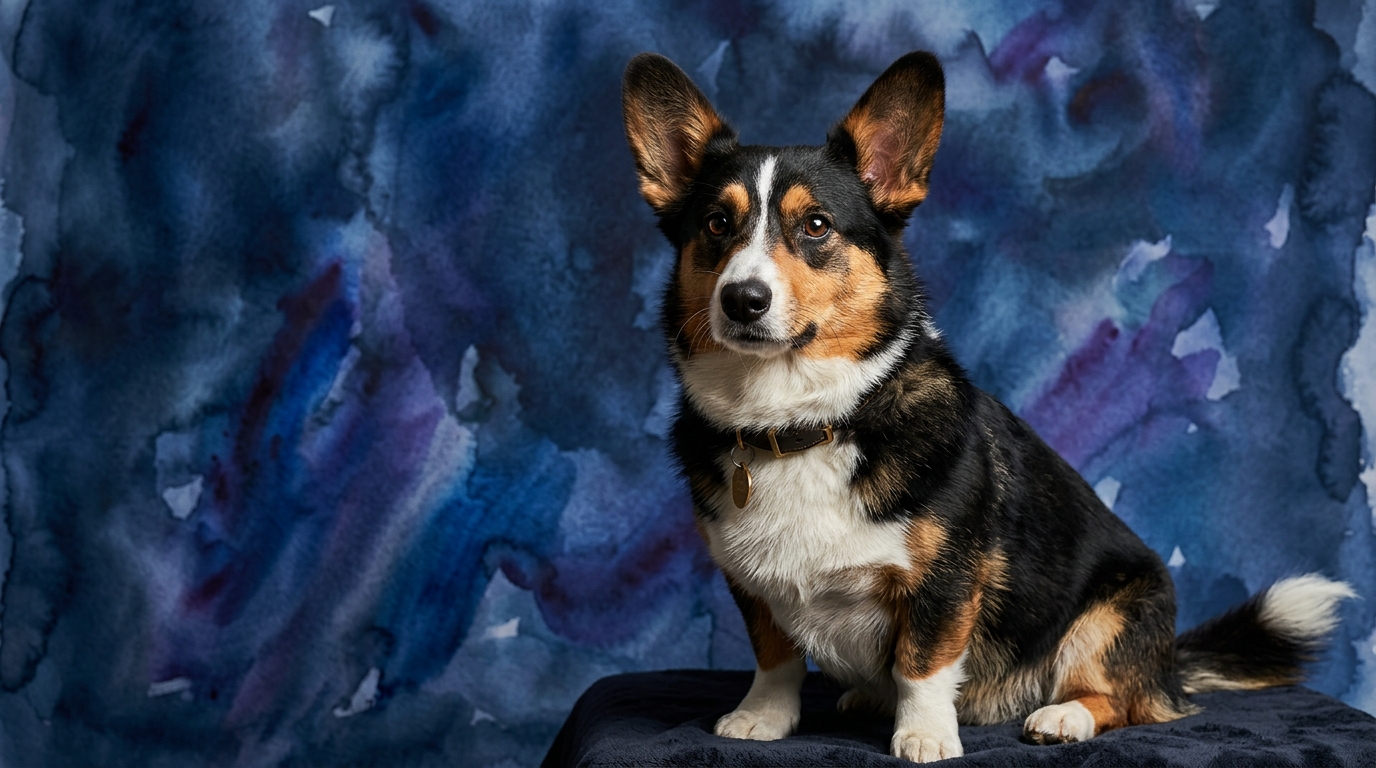
The Cosmic Pet Pet IQ Lab offers a unique lens through which to compare the Cardigan Welsh Corgi and the Saluki. The Cardigan Welsh Corgi, a Herding breed, holds a Coren rank of #26, indicating a strong capacity for working intelligence and obedience. Its IQ scores are impressive: Problem Solving 4/5, Training Speed 4/5, Social Intelligence 3/5, Instinctive Drive 3/5, and Memory 4/5. This profile suggests a highly capable and adaptable learner, eager to engage with its environment and human companions.
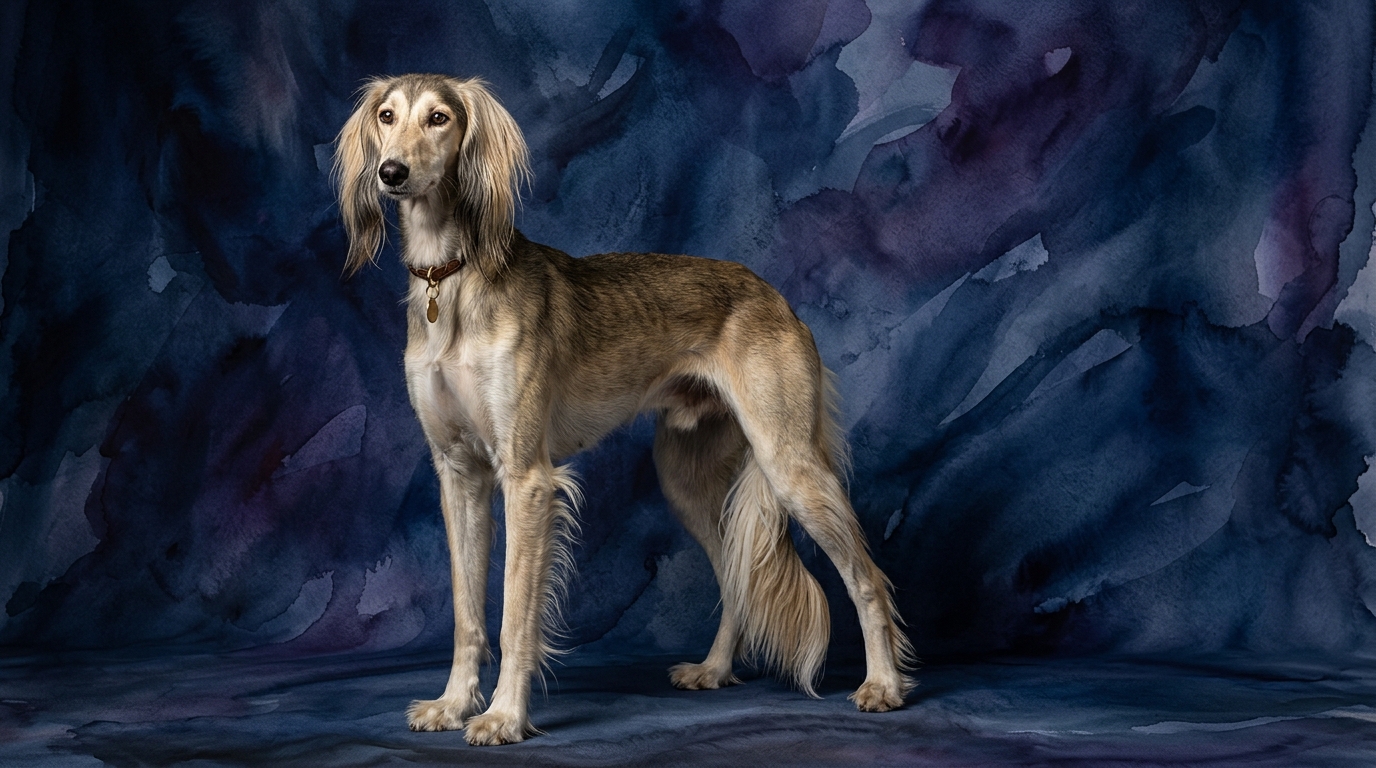
In contrast, the Saluki, a Hound breed, is not Coren-ranked, which is typical for breeds whose primary function relies on independent hunting rather than direct human instruction. Its IQ scores reflect this distinction: Problem Solving 3/5, Training Speed 3/5, Social Intelligence 3/5, Instinctive Drive 3/5, and Memory 3/5. While still possessing solid cognitive abilities, the Saluki's profile points to a more self-reliant thinker whose mental processes are often geared towards its ancient sighthound heritage rather than collaborative tasks. Both breeds share a 3/5 in Social Intelligence and Instinctive Drive, but the manifestation of these drives and their social interactions differ significantly due to their distinct evolutionary paths.
Where the Cardigan Welsh Corgi Excels Cognitively
The Cardigan Welsh Corgi distinctly outshines the Saluki in several cognitive dimensions, particularly those valued in modern companion dog roles. With a Problem Solving score of 4/5 compared to the Saluki's 3/5, Corgis often display greater ingenuity in navigating complex household environments, such as figuring out how to open specific cabinets or manipulate toys to retrieve treats. Their inherent drive to understand and control their surroundings, stemming from their herding lineage, fuels this proactive approach to challenges.
Furthermore, the Corgi's Training Speed of 4/5 versus the Saluki’s 3/5 is a significant differentiator. Corgis demonstrate a quicker grasp of new commands and routines, often showing a keen desire to work alongside their human partners. This responsiveness, coupled with their 4/5 Memory score (compared to the Saluki’s 3/5), means they retain learned behaviors more consistently over time, making them highly reliable in structured training scenarios. Their Coren rank of #26 further underscores their capacity for obedience and task-oriented learning, a trait less pronounced in breeds bred for independent pursuit.
Where the Saluki Shines Cognitively
While the Saluki's scores may appear lower in some metrics, its cognitive strengths lie in areas distinct from the Corgi, primarily rooted in its sighthound heritage. Its Instinctive Drive, rated 3/5, is profoundly specialized for independent hunting; this involves rapid visual processing, assessing distances, and executing swift pursuit. This isn't about 'herding' but rather an autonomous, high-speed 'problem-solving' in dynamic, open environments, a nuanced cognitive ability not fully captured by abstract puzzle scores.
The Saluki's Problem Solving at 3/5, while lower than the Corgi's, manifests as practical, self-directed solutions. They excel at figuring out the most comfortable spot for a nap or devising a strategy to reach a high vantage point for observation, often prioritizing their own comfort or innate drives over human-imposed tasks. Their Social Intelligence, also 3/5, often presents as a refined sensitivity; Salukis are known for their quiet discernment, forming deep bonds with their immediate family and exhibiting a subtle understanding of household routines and emotional atmospheres, rather than overt displays of social engagement. This quiet observation and independent decision-making in their natural element define their unique cognitive advantages.
Which is Easier to Train and Why?
Based on their cognitive profiles, the Cardigan Welsh Corgi is generally easier to train than the Saluki. The Corgi’s 4/5 Training Speed and Coren rank #26 reflect a strong willingness to engage with human instruction and a quick aptitude for learning. Their herding background instilled a need to respond to commands and work in cooperation with a handler, making them naturally receptive to positive reinforcement and structured lessons. Their higher Problem Solving and Memory scores mean they not only pick up commands faster but also understand the context and retain them effectively.
The Saluki, with a 3/5 Training Speed, requires a more patient and nuanced approach. Their independence, a hallmark of sighthounds, means they often prioritize their own interests—like chasing a distant movement or finding a comfortable resting spot—over human directives. While capable of learning, their motivation is less about pleasing and more about what benefits them, making consistency and finding the right high-value motivators crucial. Real behavioral differences include the Corgi's tendency to look to its owner for guidance, whereas the Saluki might assess a situation and act on its own accord, especially if a chase instinct is triggered.
Active Owners vs. Relaxed Owners: A Matchmaking Guide
For active owners seeking a canine partner for consistent engagement, the Cardigan Welsh Corgi is often a more suitable choice. Their strong Problem Solving (4/5) and Memory (4/5) mean they thrive on mental stimulation through advanced obedience, puzzle toys, and dog sports like agility or herding trials. While they require moderate physical exercise, their cognitive needs are paramount; an owner who enjoys daily training sessions and interactive play will find a Corgi a highly rewarding companion. They can adapt to various lifestyles but truly flourish when their sharp minds are given a 'job' to do.
The Saluki presents a different profile. While they possess an intense need for bursts of high-speed physical activity to satisfy their instinctive drive, they are often surprisingly calm and dignified indoors. A relaxed owner who understands the critical importance of providing a safe, expansive area for daily sprints and then appreciates a quiet, independent companion indoors could find a Saluki to be a good fit. They are not typically 'busy' or demanding of constant attention within the home, but their exercise requirements, though often short in duration, are non-negotiable and must be met with purpose and consistency.
The Verdict
Choose the Cardigan Welsh Corgi if you seek an actively engaged companion eager for consistent training, mental challenges, and a dog that thrives on working collaboratively with its human family.
Opt for the Saluki if you appreciate an independent, elegant companion, are prepared to fulfill their specific needs for intense physical exercise, and value a dog whose affection is expressed with a reserved, noble dignity.
🧠 Find Your Pet's IQ Score
Our Pet IQ Lab assessment covers 25+ tests across 5 cognitive dimensions — personalized to your breed.
Take the Full IQ Test →Frequently Asked Questions
Are Cardigan Welsh Corgis good for first-time dog owners?
With their 4/5 training speed and responsiveness to human guidance, Cardigan Welsh Corgis can be excellent for first-time owners committed to early socialization and consistent positive reinforcement. Their eagerness to learn makes the training process more rewarding and manageable.
Do Salukis require a lot of mental stimulation?
Salukis benefit from mental stimulation that aligns with their sighthound nature, such as lure coursing or opportunities for observation and independent exploration in secure areas. They are less interested in complex obedience routines but enjoy activities that engage their keen senses and natural pursuit instincts.
How do their instinctive drives manifest differently in a home environment?
A Cardigan Welsh Corgi's herding drive might lead to playful 'nipping' at heels or attempts to gather family members, requiring redirection to appropriate outlets. A Saluki's strong prey drive primarily manifests as an intense urge to chase anything that moves outdoors, necessitating secure leashes and fences, but they are typically calm and less 'driven' by instinct within the home.