Side-by-Side IQ Profile
The Cosmic Pet Pet IQ Lab employs a multi-dimensional approach to assess canine cognition, moving beyond simplistic 'smart' labels to explore specific mental aptitudes. This framework helps us understand how different breeds process information, learn, and interact with their environment. Let's delve into the detailed IQ profiles for the Cardigan Welsh Corgi and the Wire Fox Terrier.
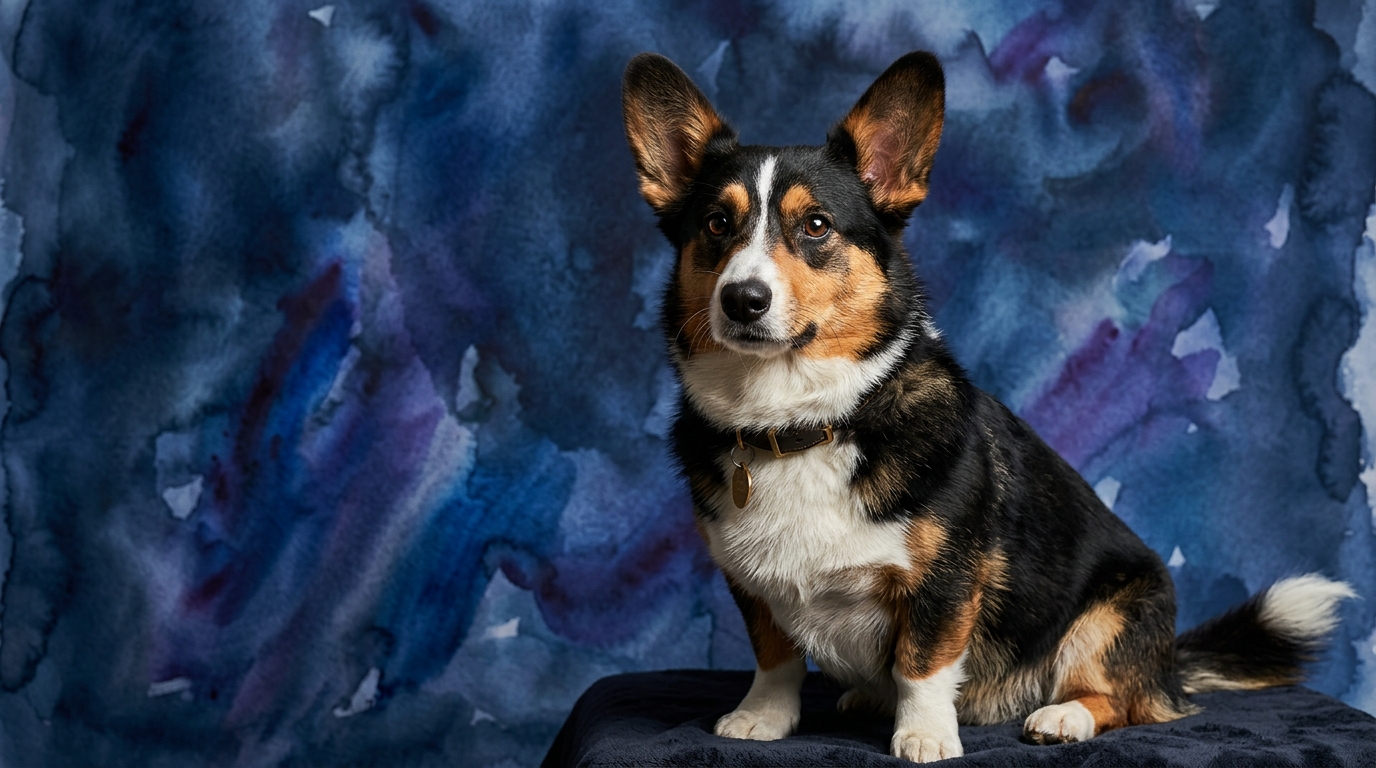
The Cardigan Welsh Corgi, a member of the Herding group and ranked #26 by Coren for working intelligence, presents a robust cognitive profile. Its Problem Solving is rated 4/5, indicating a strong capacity to navigate novel situations and figure out solutions independently. Training Speed also scores 4/5, suggesting a quick grasp of new commands and routines. Social Intelligence, essential for cooperative work, is rated 3/5, demonstrating an ability to read cues and adapt to social contexts. Instinctive Drive, reflecting inherent behavioral patterns, stands at 3/5, showcasing its foundational herding instincts. Finally, Memory, crucial for retaining learned behaviors and spatial awareness, is a commendable 4/5.
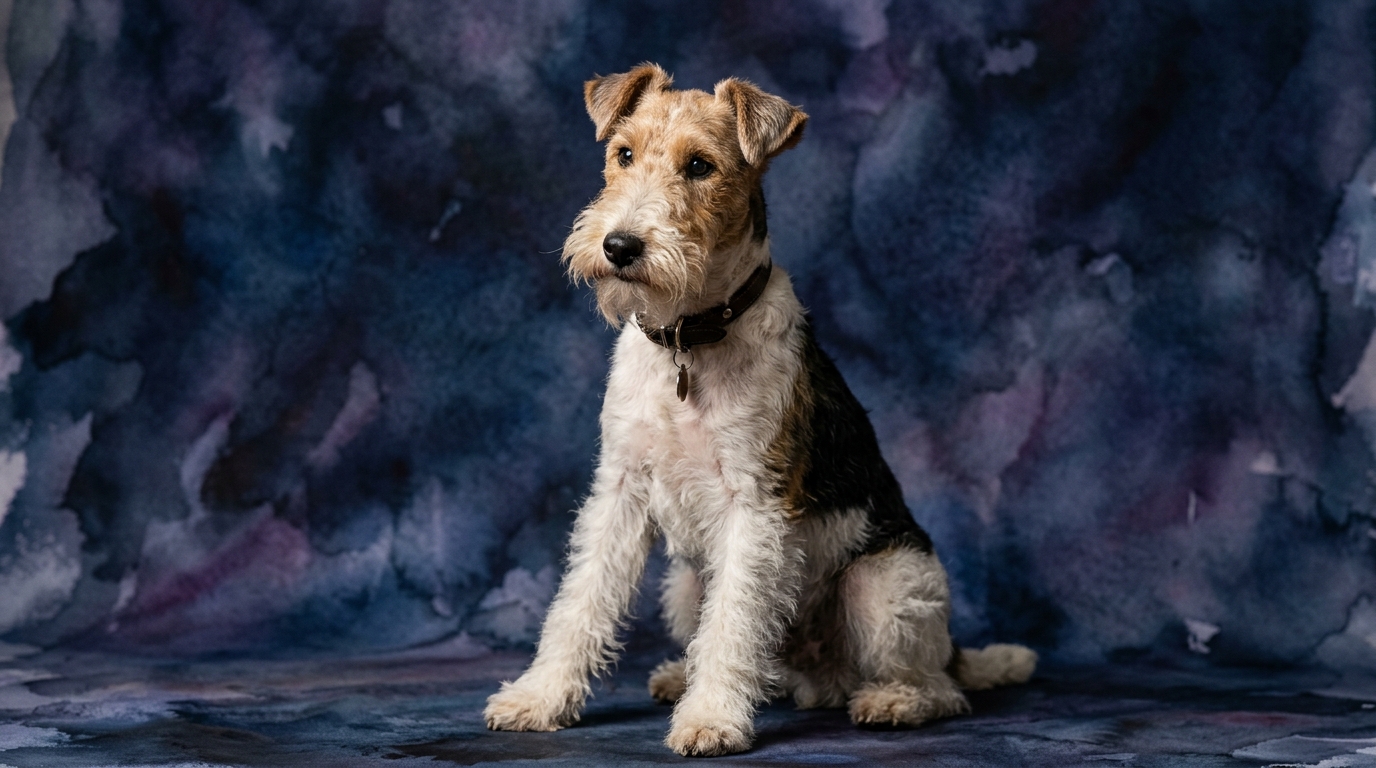
In contrast, the Wire Fox Terrier, a spirited member of the Terrier group, possesses a distinct cognitive makeup, though not currently ranked by Coren. Its Problem Solving is rated 3/5, indicating a practical, often tenacious approach to overcoming obstacles. Training Speed is 3/5, meaning it can learn, but might require more repetition or motivation than some other breeds. Social Intelligence is 3/5, enabling it to interact effectively, though often with a degree of independence. Instinctive Drive, reflecting its predatory and hunting heritage, is 3/5, manifesting as a persistent pursuit of its goals. Memory is also rated 3/5, suggesting it retains information adequately but perhaps not with the same breadth or depth as breeds excelling in complex sequences.
Where Cardigan Welsh Corgi Wins Cognitively
The Cardigan Welsh Corgi clearly outpaces the Wire Fox Terrier in several key cognitive domains, primarily driven by its history as a herding dog requiring complex problem-solving and close cooperation with humans. Its superior Problem Solving (4/5) means a Corgi is more likely to independently figure out how to open a gate, retrieve a hidden toy, or navigate a new obstacle course with minimal guidance. This aptitude for analytical thinking makes them adept at canine sports like agility and obedience, where quick, strategic decisions are paramount.
Furthermore, the Corgi's higher Training Speed (4/5) and Memory (4/5) combine to create a highly trainable companion. They absorb new commands and routines with remarkable efficiency, often requiring fewer repetitions to solidify a behavior. This cognitive advantage means a Corgi can master a wider repertoire of tricks and commands, and retain them over longer periods. Their herding background instilled a desire to work with a handler, making them inherently more receptive to structured learning environments compared to a breed bred for independent hunting. This mental agility allows them to adapt quickly to various living situations and handler expectations, making them versatile companions.
Where Wire Fox Terrier Wins Cognitively
While the Wire Fox Terrier's overall IQ scores are generally lower than the Corgi's in our comparative metrics, its cognitive profile is uniquely suited for its original purpose, highlighting a different kind of mental strength. The Terrier's Problem Solving (3/5) combined with its Instinctive Drive (3/5) shines in situations demanding tenacity, focus, and independent decision-making, particularly in pursuit-oriented tasks. Unlike the Corgi's broad problem-solving for cooperative tasks, the Wire Fox Terrier's problem-solving is often a relentless, single-minded application of effort to achieve a specific goal, like tracking a scent or digging out a perceived quarry.
Its cognitive 'win' lies in its unwavering persistence and ability to operate effectively without constant human direction. Where a Corgi might look to its handler for the next instruction, a Wire Fox Terrier is more inclined to assess a situation and act on its own initiative, a critical trait for a vermin hunter. This independence, while sometimes challenging in training, means they excel in activities requiring self-reliance and sustained focus on a target. Their social intelligence (3/5) and memory (3/5) are perfectly adequate for forming strong bonds and learning, but are consistently channeled through their robust, independent spirit, making them exceptionally capable in their specialized niche.
Which is Easier to Train and Why
When it comes to ease of training, the Cardigan Welsh Corgi generally holds an advantage over the Wire Fox Terrier. The Corgi's higher Training Speed (4/5) directly translates to a quicker understanding and execution of commands. Their excellent Memory (4/5) ensures that once a lesson is learned, it tends to stick. Furthermore, their Herding group heritage means they are bred to work in concert with humans, often possessing a strong desire to please and respond to direction. This cooperative spirit makes them eager participants in training sessions, readily engaging with their handler and absorbing new information.
The Wire Fox Terrier, with a Training Speed of 3/5, can certainly be trained, but often requires a different approach. Their independent nature and strong Instinctive Drive (3/5) mean they are less inclined to blindly follow commands if something more stimulating captures their attention. They might understand what you want but choose to prioritize a fascinating scent or a potential 'prey' item. Training a Wire Fox Terrier demands consistency, creativity, and high-value rewards to maintain their focus. Their innate tenacity can sometimes manifest as stubbornness if not channeled appropriately. While the Corgi's behavioral default is often to look to its handler, the Terrier's default is often to investigate its environment independently, making training an exercise in redirecting and engaging that independent spirit rather than simply guiding it.
Which Suits Active Owners vs. Relaxed Owners
For owners seeking a companion that balances engagement with a degree of adaptability, the Cardigan Welsh Corgi often presents a more versatile fit. While not a couch potato, their Herding background means they thrive on mental stimulation, leveraging their Problem Solving (4/5) and Memory (4/5) in activities like puzzle toys, obedience, and even canine sports. Their physical exercise needs are moderate; daily walks and play sessions are crucial, but they don't typically demand the intense, continuous exertion of some working breeds. A Corgi can certainly keep up with an active family, but their cognitive needs often involve more structured learning and interactive play than sheer mileage, making them suitable for owners who enjoy engaging their dog's mind.
The Wire Fox Terrier, conversely, is undeniably a breed for active owners who can match their dog's boundless energy and independent spirit. Their Instinctive Drive (3/5), coupled with their tenacity and boundless curiosity, means they require consistent, vigorous physical exercise and ample mental engagement to prevent boredom. These are dogs that excel in earthdog trials, agility, and long, adventurous hikes. A relaxed owner who cannot provide outlets for their Terrier's inherent drive for exploration and 'hunting' might find themselves with a dog that invents its own, potentially destructive, entertainment. Their problem-solving (3/5) and drive are geared towards independent action, meaning they need owners who appreciate and can channel that spirited autonomy into productive activities rather than expecting a perpetually calm companion.
The Verdict
Choose a Cardigan Welsh Corgi if you desire a highly trainable, cooperative companion with strong problem-solving skills and a good memory, suitable for active engagement and structured learning.
Opt for a Wire Fox Terrier if you're an active owner seeking an independent, tenacious companion with a focused drive, capable of sustained effort and requiring consistent, stimulating outlets for their energy.
🧠 Find Your Pet's IQ Score
Our Pet IQ Lab assessment covers 25+ tests across 5 cognitive dimensions — personalized to your breed.
Take the Full IQ Test →Frequently Asked Questions
Are Cardigan Welsh Corgis good family dogs?
Yes, Cardigan Welsh Corgis typically make good family dogs due to their social intelligence (3/5) and cooperative nature. They enjoy being part of family activities and can form strong bonds, though early socialization is always beneficial to ensure they are comfortable with various people and situations.
What kind of mental exercise do Wire Fox Terriers need?
Wire Fox Terriers thrive on mental exercise that taps into their problem-solving (3/5) and instinctive drive (3/5). Activities like scent work, puzzle toys, earthdog trials, and obedience training with varied challenges are excellent for engaging their minds and satisfying their innate desire to investigate and pursue.
How does Coren rank relate to these breeds?
The Coren rank measures a breed's working and obedience intelligence, primarily their ability to learn and obey commands. The Cardigan Welsh Corgi's rank of #26 reflects its strong aptitude for structured learning, while the Wire Fox Terrier, though not Coren-ranked, possesses a different, more independent cognitive style that excels in its specific terrier tasks rather than broad obedience.