Side-by-Side Cognitive Profiles: A Deeper Look
The Cosmic Pet Pet IQ Lab employs a five-dimensional framework to assess canine intelligence, moving beyond simple obedience scores to reveal a more nuanced cognitive landscape for each breed. Let's examine how the Cavalier King Charles Spaniel and the American Foxhound stack up across these critical areas, understanding that identical scores can still signify different cognitive expressions.
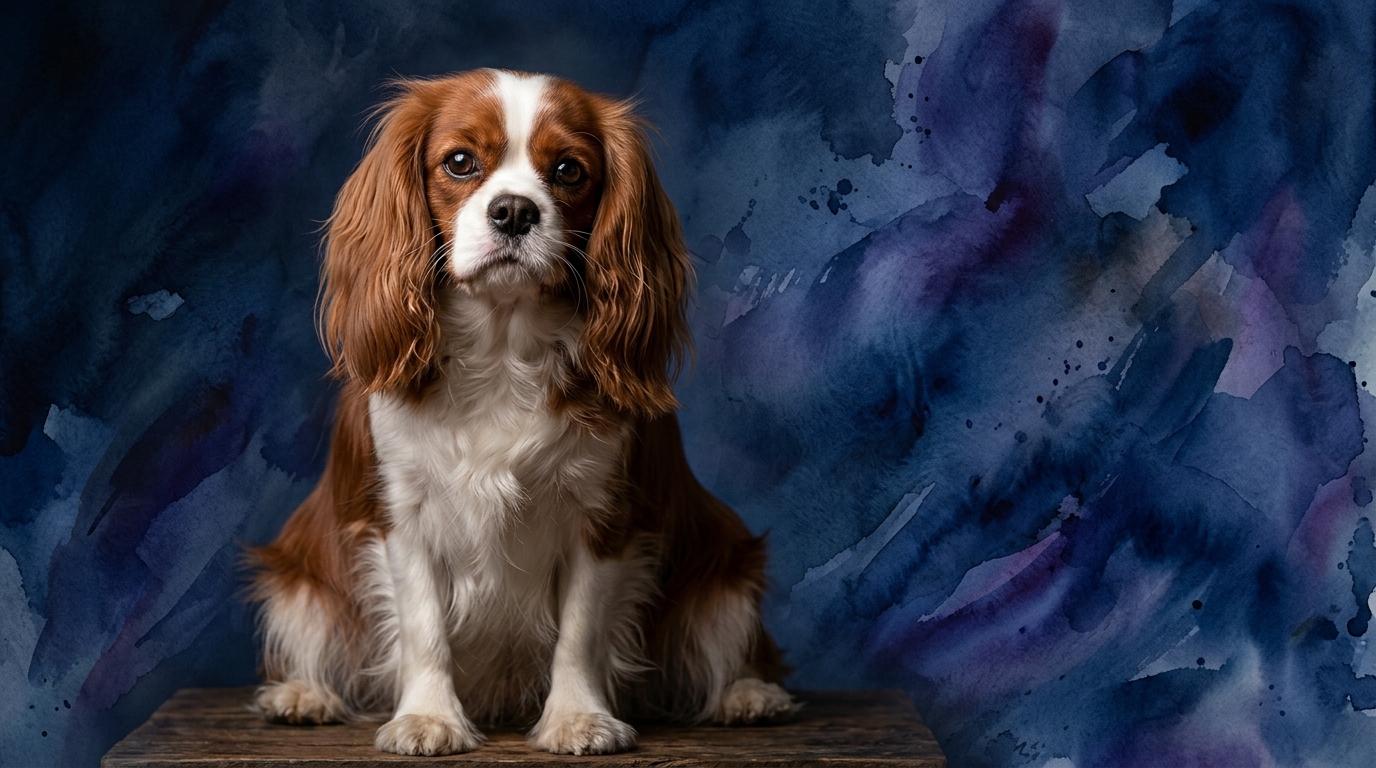
The Cavalier King Charles Spaniel, ranked #44 by Coren, exhibits a balanced yet distinctly companion-oriented cognitive profile. Their Problem Solving is rated 3/5, meaning they can navigate familiar challenges and learn routines, but may require consistent guidance for novel or complex tasks. Training Speed also sits at 3/5; they learn new commands at a moderate pace, often driven by a desire to please but can be sensitive to harsh methods. Their Social Intelligence is an outstanding 5/5, reflecting an exceptional ability to read human emotions, respond to social cues, and form deep, empathetic bonds. Instintive Drive is 3/5, typically manifesting as a mild interest in small movements rather than a strong prey chase, while Memory is 3/5, allowing them to retain learned behaviors and routines with moderate reinforcement.
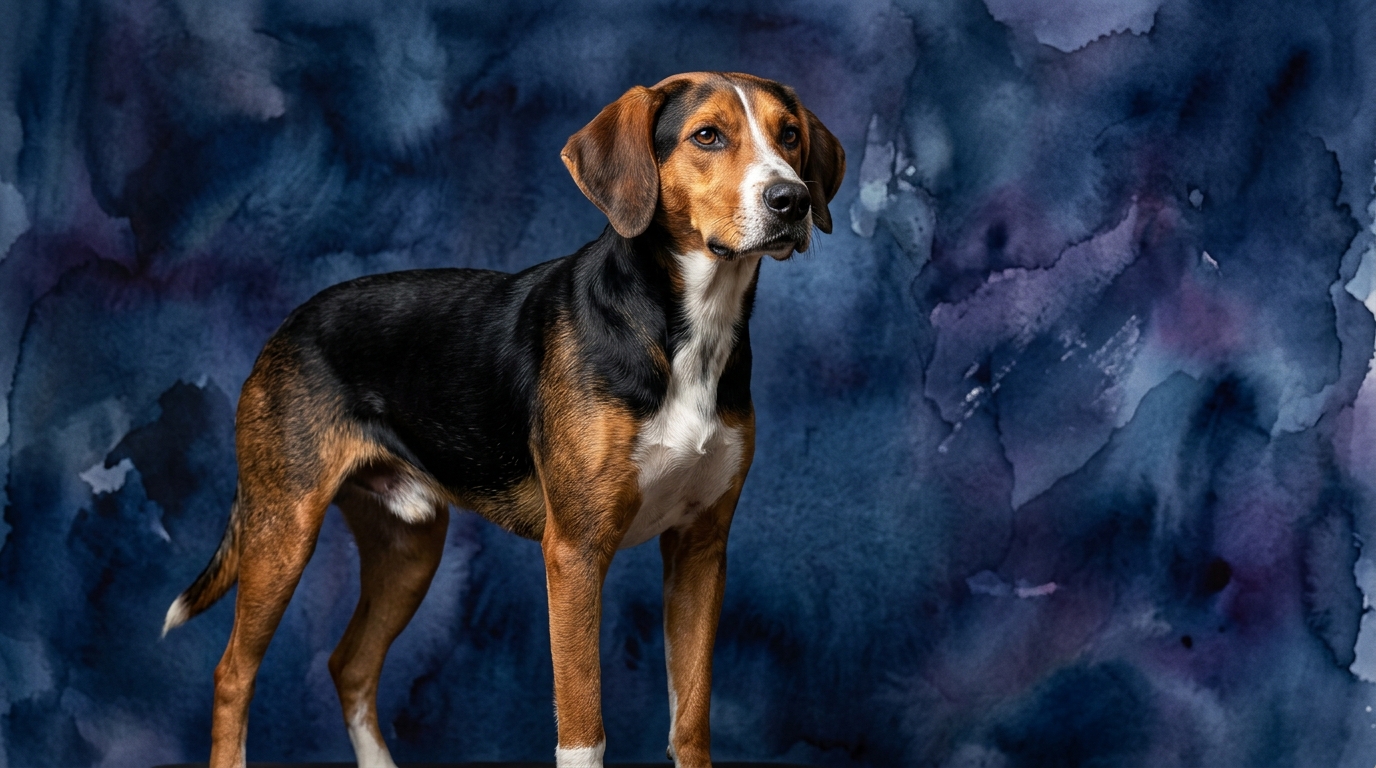
The American Foxhound, unranked by Coren but with a clear working heritage, presents a cognitive profile optimized for its ancestral role. Their Problem Solving is 3/5, focused often on environmental navigation and scent-related challenges rather than abstract puzzles. Training Speed is 3/5; while capable of learning, their independent nature and strong drives can make them less immediately responsive compared to companion breeds, requiring patience and consistent, engaging methods. Social Intelligence is 3/5; they are generally friendly and can interact well within a pack or family, but are not as intensely focused on human emotional states as the Cavalier. Instintive Drive is 3/5, powerfully manifested as a relentless drive for scent tracking and pursuit, often overriding other impulses. Memory, rated 3/5, is particularly strong for scent trails, routes, and patterns relevant to their hunting instincts.
Where the Cavalier King Charles Spaniel Shines Cognitively
The Cavalier King Charles Spaniel's undeniable cognitive advantage lies in its unparalleled Social Intelligence, scoring a perfect 5/5 compared to the Foxhound's 3/5. This dimension signifies an extraordinary capacity to perceive and interpret human emotions, intentions, and social cues. A Cavalier will often anticipate a owner's mood, offering comfort during sadness or mirroring joy, making them deeply empathetic companions. This aptitude makes them exceptional candidates for therapy or emotional support roles, where their ability to connect profoundly with humans is paramount. Their cognitive strength here isn't about solving complex puzzles independently, but about navigating the intricate world of human relationships with remarkable intuition and responsiveness.
Where the American Foxhound Demonstrates Unique Cognitive Strengths
While direct comparative scores might suggest parity in several areas, the American Foxhound's cognitive strengths are distinctively tuned to its heritage. Its 'Instinctive Drive' at 3/5, while numerically matching the Cavalier, manifests as an immensely powerful and specialized drive for scent work and persistent pursuit. This isn't merely a physical attribute; it's a cognitive persistence, a single-minded focus that allows them to track a faint scent over vast distances and varied terrain, demanding complex problem-solving within an environmental context. Their problem-solving, though also 3/5, is geared towards navigating open spaces and overcoming obstacles in pursuit of a goal dictated by scent, showcasing an independent decision-making capacity essential for a working hound that must operate away from direct human guidance for extended periods.
Trainability: Nuances Beyond the Score
Both breeds register a Training Speed of 3/5, yet their trainability experiences differ significantly due to underlying behavioral drivers. The Cavalier's high social intelligence and inherent desire to please their human companions often make them seem easier to train for basic obedience in a home setting. They are sensitive to tone and respond well to positive reinforcement, eager to engage in cooperative learning. However, their moderate focus can mean distractions might slow progress, and their sensitive nature requires gentle, consistent methods.
The American Foxhound, conversely, presents a greater challenge for the average pet owner despite the same numerical training speed. Their powerful instinctive drive for scent and independence means they are often more interested in following a compelling smell than a verbal command. Training an American Foxhound requires immense patience, consistency, and an understanding of their hound nature. Owners must employ highly rewarding, engaging methods to capture their attention and work to overcome their natural inclination to be self-directed, particularly when a stimulating scent is present. Their training often feels less like cooperation and more like negotiation.
Matching Canine Cognition to Lifestyle: Active vs. Relaxed Owners
Understanding these cognitive profiles is key to matching a dog to an owner's lifestyle. The Cavalier King Charles Spaniel, with its exceptional social intelligence and moderate instinctive drive, is an ideal fit for relaxed owners who prioritize companionship and indoor comfort. They thrive on close human interaction, are content with moderate daily exercise, and adapt well to quiet home environments. Their cognitive fulfillment comes largely from their bond with family members and participation in daily domestic routines.
The American Foxhound, on the other hand, is distinctly suited for active owners. Their powerful, specialized instinctive drive demands significant physical and mental outlets. They require extensive daily exercise, long walks, runs, or opportunities for scent work to remain balanced and content. Their independent nature means they don't necessarily need constant human attention, but they absolutely need consistent, vigorous activity that allows them to engage their powerful senses and persistent problem-solving skills related to exploration and tracking. Owners must be prepared to provide an environment that respects and channels this robust cognitive energy.
The Verdict: When to Choose Each Companion
The Verdict
Choose the Cavalier King Charles Spaniel when seeking a deeply empathetic, socially responsive companion who thrives on close interaction and adapts well to a more relaxed home environment, offering profound emotional connection.
Opt for the American Foxhound if you are an active owner prepared for a persistent, independent hound with a powerful drive for exploration and outdoor activity, valuing a more self-reliant canine partner.
🧠 Find Your Pet's IQ Score
Our Pet IQ Lab assessment covers 25+ tests across 5 cognitive dimensions — personalized to your breed.
Take the Full IQ Test →Frequently Asked Questions
Are Cavalier King Charles Spaniels good therapy dogs?
Yes, their exceptional social intelligence and empathetic nature make them highly suitable for therapy work. They naturally attune to human emotions, offering comfort and connection in various settings and responding intuitively to those in need.
Can American Foxhounds live in apartments?
While possible, it's challenging due to their high exercise requirements and strong instinctive drive. They need ample outdoor space and consistent, vigorous activity to prevent boredom and destructive behaviors, making a large yard or active lifestyle preferable.
How do these breeds compare in terms of vocalization?
American Foxhounds are known for their characteristic baying, especially when on a scent or excited, which can be quite loud and persistent. Cavalier King Charles Spaniels are generally quieter, though they may bark to alert or seek attention, but typically not with the same intensity or frequency as a Foxhound.