Side-by-Side IQ Profile: Cavalier King Charles Spaniel vs. American Staffordshire Terrier
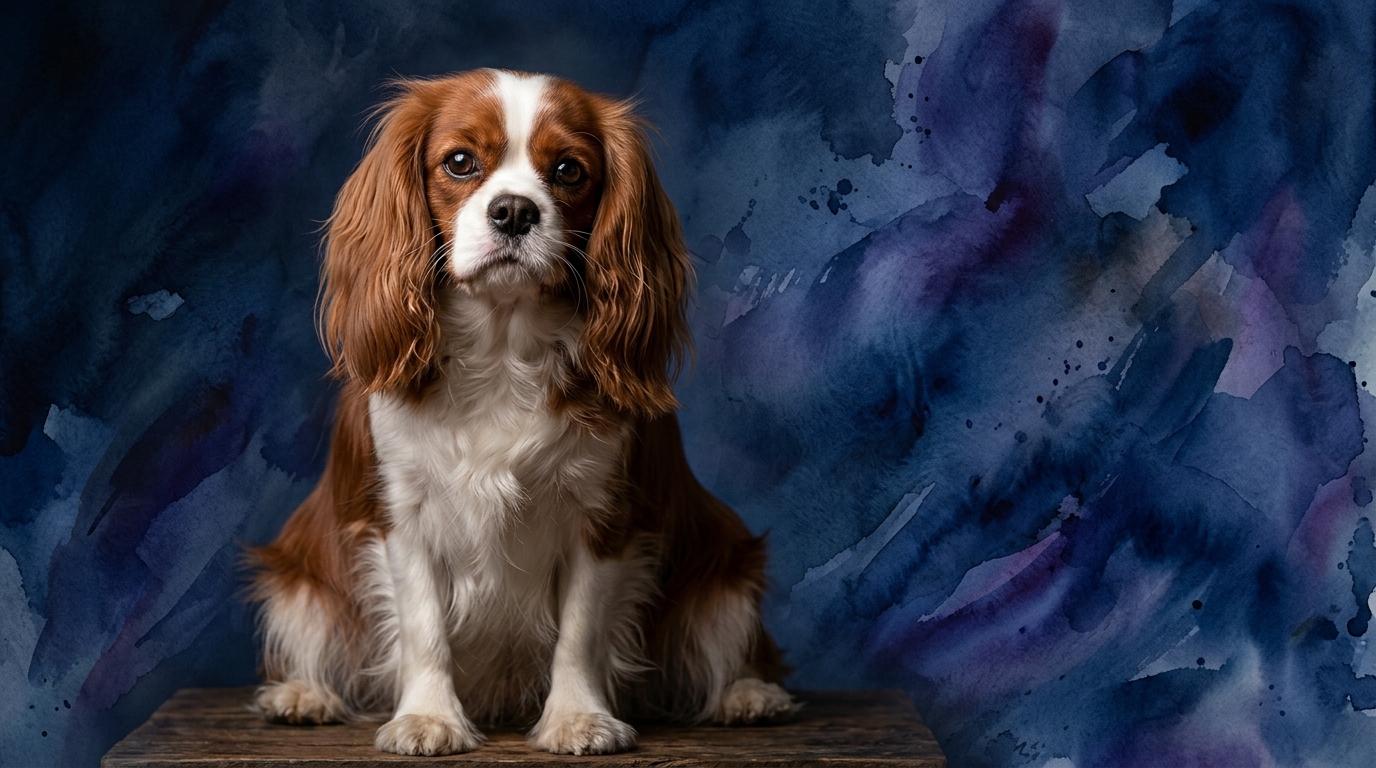
The Cosmic Pet Pet IQ Lab employs a five-dimensional framework to assess canine cognition, providing a granular view of each breed’s mental aptitudes. For the Cavalier King Charles Spaniel, ranked #44 by Coren, its Problem Solving score stands at 3 out of 5, indicating a moderate capacity for navigating novel challenges and figuring out complex tasks independently. Its Training Speed, also 3/5, suggests a steady, rather than rapid, pace for acquiring new commands and routines. Where the Cavalier truly shines is its Social Intelligence, earning a perfect 5/5, signifying an exceptional ability to interpret human cues, emotions, and social structures. Instinctive Drive is rated 3/5, reflecting a balanced level of inherent behaviors like hunting or guarding, while its Memory, at 3/5, denotes an average retention of learned experiences and information.
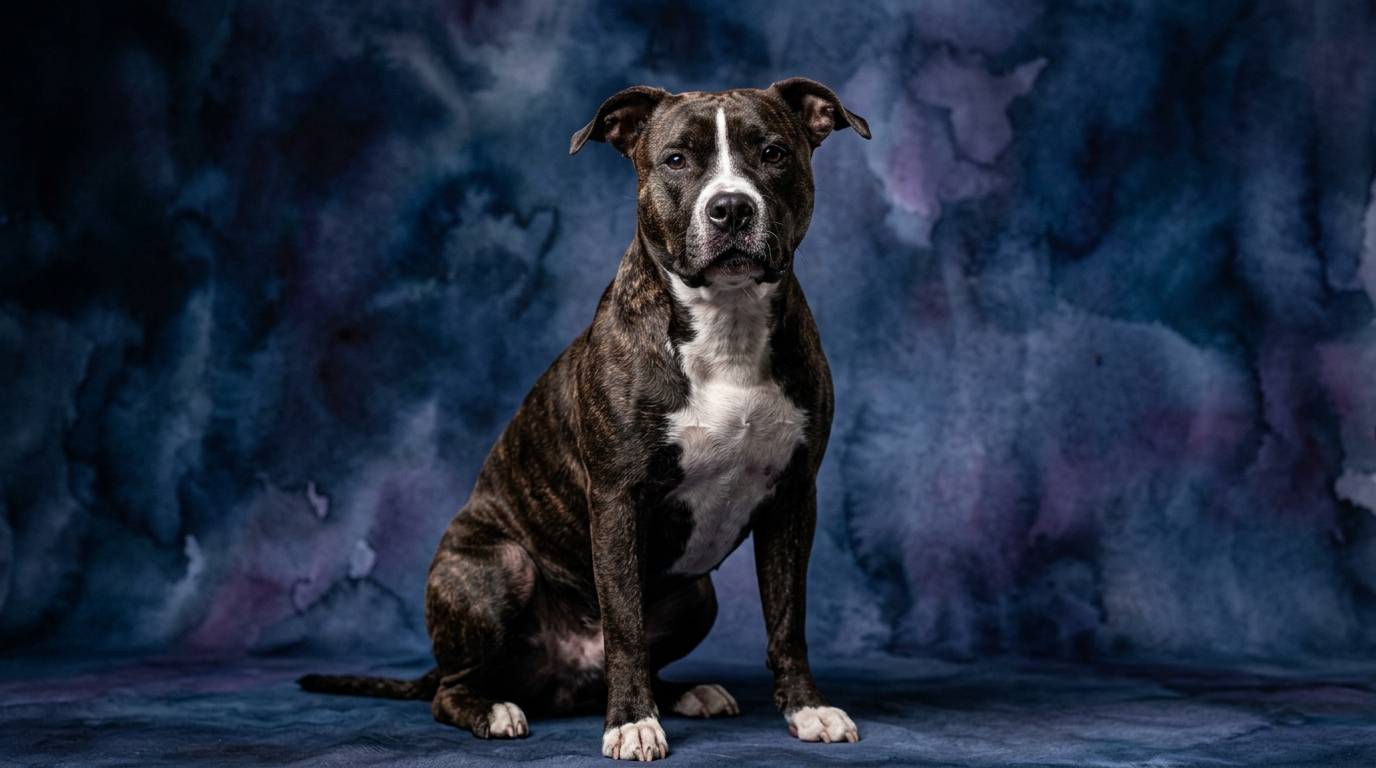
In contrast, the American Staffordshire Terrier, positioned at Coren rank #48, shares some cognitive similarities but also presents distinct differences. Its Problem Solving ability mirrors the Cavalier’s at 3/5, indicating a comparable aptitude for independent thought when faced with puzzles or obstacles. Training Speed is also a 3/5, suggesting a similar learning curve to the Cavalier, requiring consistent and patient instruction. However, the AmStaff's Social Intelligence is a 3/5, indicating a more direct and less nuanced approach to human interaction compared to the Cavalier's empathetic prowess. Its Instinctive Drive is also 3/5, reflecting a moderate expression of innate behaviors. The standout trait for the American Staffordshire Terrier is its Memory, scoring 4/5, which suggests a superior capacity for recalling past experiences, commands, and learned behaviors over time.
Where the Cavalier King Charles Spaniel Holds a Cognitive Edge
The Cavalier King Charles Spaniel’s preeminent cognitive strength lies in its Social Intelligence, a perfect 5 out of 5. This isn't merely about being friendly; it reflects an innate, profound ability to read and respond to human emotional states and intentions. A Cavalier will often anticipate a owner's mood, offering comfort or initiating play based on subtle shifts in facial expression or body language. This makes them exceptional emotional support animals, naturally attuned to comforting their humans during stress or sadness. They excel in environments where nuanced social interaction is key, thriving in homes with varying family dynamics or where a keen sensitivity to human needs is valued. For instance, a Cavalier might instinctively know when to quietly sit beside a grieving owner versus when to enthusiastically greet a returning family member, demonstrating a deep understanding of social context that few other breeds possess. Their capacity to form deep, empathetic bonds is a direct result of this cognitive strength, making them unparalleled companions for those seeking a truly intuitive connection.
Where the American Staffordshire Terrier Excels Cognitively
The American Staffordshire Terrier distinguishes itself with a superior Memory score of 4 out of 5, a clear cognitive advantage over the Cavalier. This robust memory means that once an AmStaff learns a command, a routine, or a boundary, they are highly likely to retain that information with remarkable consistency. This trait is particularly beneficial in advanced obedience training, agility, or any activity requiring a complex sequence of remembered actions. For example, an AmStaff might recall a specific multi-step agility course layout after only a few repetitions, or consistently adhere to household rules established months prior, even after periods of absence. Their strong memory underpins their reliability once trained, translating into a dog that can be trusted with more complex behavioral expectations over the long term. This cognitive resilience in recall makes them excellent candidates for structured roles, competitive dog sports, or any scenario where consistent adherence to learned behaviors is paramount.
Training Dynamics: Which Breed is Easier and Why?
Both the Cavalier King Charles Spaniel and the American Staffordshire Terrier share a Training Speed score of 3 out of 5, suggesting neither is inherently 'easier' to train in terms of raw acquisition time for new commands. However, their differing cognitive strengths significantly influence the *nature* of their training experience. The Cavalier's high Social Intelligence (5/5) means they are highly motivated by pleasing their owner and are acutely responsive to human praise and body language. They thrive on positive reinforcement that emphasizes connection and emotional reward, often picking up on subtle cues that indicate approval or disapproval. Their training success often hinges on the strength of the bond and the perceived emotional harmony with their trainer. They might struggle more with repetitive, unengaging drills if they don't feel a strong social connection.
Conversely, the AmStaff's superior Memory (4/5) becomes a powerful asset once initial concepts are grasped. While they may take a similar amount of time as a Cavalier to *learn* a new trick, they are likely to *remember* it more consistently over time, requiring fewer refreshers. Their training benefits from clear, consistent commands and established routines, as their recall ensures long-term adherence. While their Social Intelligence (3/5) is moderate, they are still eager to work with their owners. Therefore, while both breeds require patience, the Cavalier is trained through a lens of social connection and emotional nuance, while the AmStaff benefits from clear, consistent instruction that leverages its strong recall for lasting behavioral retention. An AmStaff might excel in proofing commands in varied environments due to their strong memory, whereas a Cavalier might perform best when the social context is familiar and reassuring.
Tailoring Companionship: Active vs. Relaxed Owners
Considering their cognitive profiles and typical temperaments, both breeds can adapt to various lifestyles, but each naturally aligns better with specific owner preferences. The Cavalier King Charles Spaniel, with its exceptional Social Intelligence and moderate Instinctive Drive, is a quintessential companion for relaxed owners. They are content with gentle walks, cuddle sessions, and being an integral, observant part of the family's daily routines. Their cognitive wiring makes them acutely responsive to the emotional climate of the home, thriving in environments where they can offer and receive affection freely. An owner who enjoys quiet evenings, social gatherings where their dog can mingle politely, and values an emotionally intuitive pet will find the Cavalier a perfect match. Their moderate problem-solving and training speed mean they aren't constantly seeking intense mental stimulation, making them less demanding for owners who prefer a calmer pace.
The American Staffordshire Terrier, while also affectionate, possesses a stronger physical presence and a memory that can be leveraged for more structured activities. While their Instinctive Drive is also 3/5, their history as a terrier means they often benefit from outlets for their energy and focus. Owners who lead a more active lifestyle, enjoy consistent training, or participate in dog sports like obedience, agility, or even trick training will find the AmStaff's strong memory and problem-solving abilities (3/5) highly rewarding. They benefit from clear boundaries and consistent expectations, which their robust memory helps them uphold. An AmStaff thrives with an owner who can provide regular, engaging mental and physical exercise, appreciating a dog that can reliably perform tasks and follow complex instructions. Their moderate social intelligence means they form strong bonds but might not exhibit the same level of subtle emotional attunement as a Cavalier, making them better suited for owners who appreciate directness and consistency.
The Verdict
Choose the Cavalier King Charles Spaniel if you prioritize an emotionally intuitive companion deeply attuned to your moods, thriving on social connection and gentle companionship.
Opt for the American Staffordshire Terrier if you value a dog with excellent long-term recall for consistent training, and are prepared to provide structured engagement and clear guidance.
🧠 Find Your Pet's IQ Score
Our Pet IQ Lab assessment covers 25+ tests across 5 cognitive dimensions — personalized to your breed.
Take the Full IQ Test →Frequently Asked Questions
Do Cavalier King Charles Spaniels experience separation anxiety more due to their high social intelligence?
Cavaliers, with their 5/5 Social Intelligence, often form incredibly strong bonds with their owners and can be prone to separation distress if not properly conditioned. Their deep emotional attunement means they truly miss their human companions, necessitating careful training to foster independence from a young age.
Is an American Staffordshire Terrier's strong memory helpful for house training?
Absolutely, an AmStaff's 4/5 Memory score is a significant advantage in house training. Once they learn the appropriate place for elimination and the routine associated with it, they are highly likely to remember and adhere to these rules consistently, making the process smoother over time.
How do their differing social intelligence scores impact their interactions with strangers or other pets?
A Cavalier's 5/5 Social Intelligence often translates to a naturally welcoming and adaptable demeanor with strangers and other pets, as they are adept at reading social cues. An AmStaff's 3/5 Social Intelligence means they might be more reserved or require clearer introductions, relying more on learned experiences (memory) than intuitive social interpretation.