Side-by-Side IQ Profile: Tailored Minds
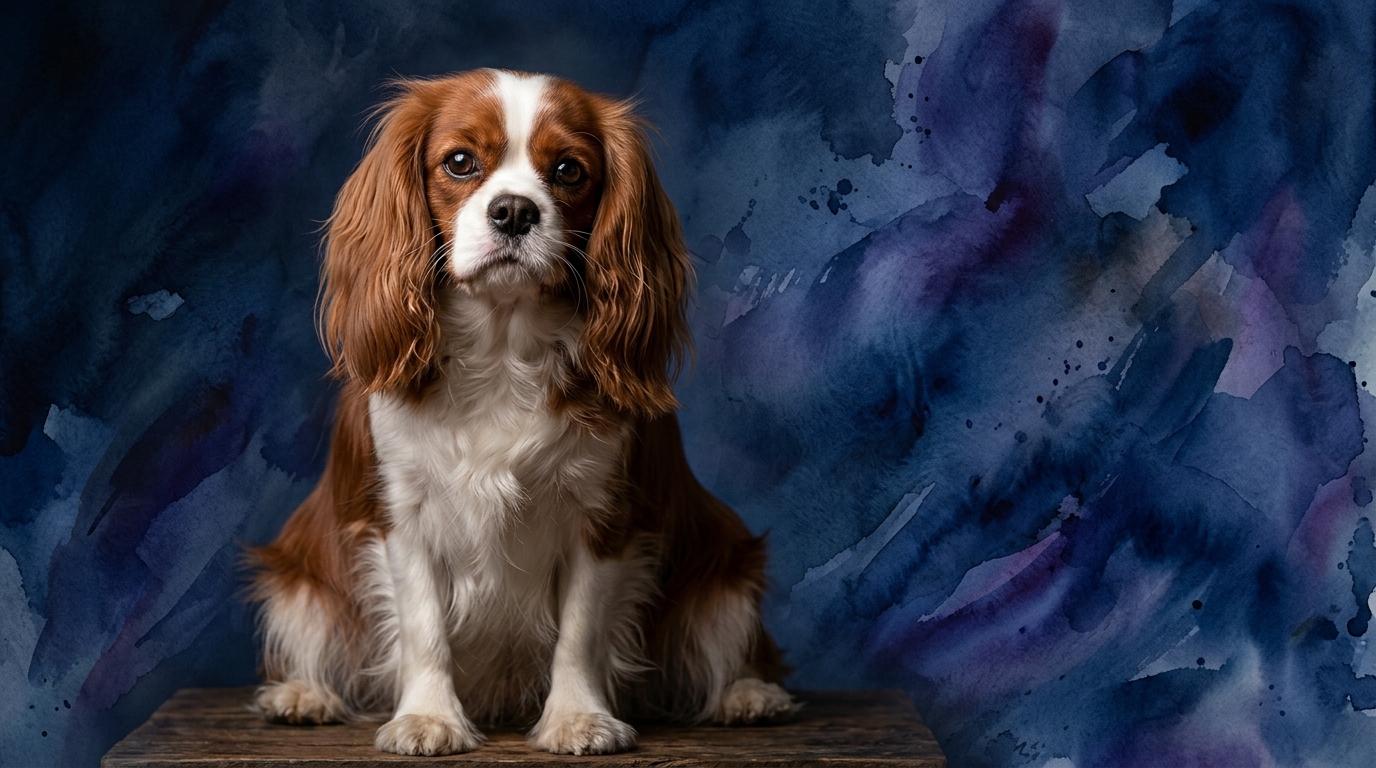
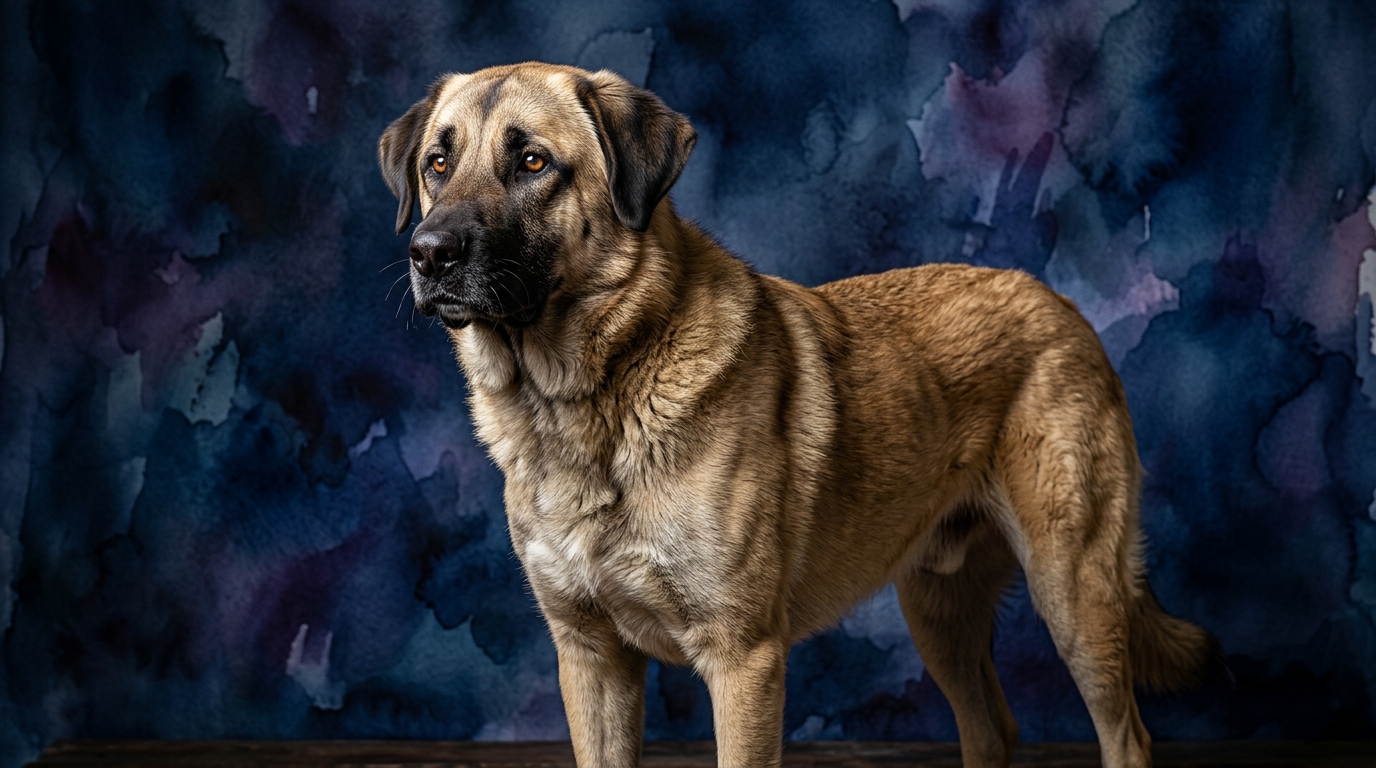
The Cosmic Pet Pet IQ Lab assesses canine intelligence across five key dimensions, providing a nuanced view of each breed's mental aptitude. For the Cavalier King Charles Spaniel, a beloved Toy breed, and the Anatolian Shepherd Dog, a formidable Working breed, these scores illuminate their deeply ingrained cognitive priorities.
Cavalier King Charles Spaniel:
Problem Solving (3/5): Cavaliers demonstrate a moderate aptitude for navigating domestic challenges, often relying on their social skills to engage human assistance. Their cognitive efforts typically focus on understanding household routines and communicating desires, rather than complex independent strategizing.
Training Speed (3/5): These spaniels learn new commands at a steady pace, generally responding well to consistent, positive reinforcement. Their eagerness to please and strong bond with their owners foster a cooperative training dynamic, making them receptive to guidance.
Social Intelligence (5/5): This is the Cavalier's pinnacle cognitive strength. They possess an exceptional capacity to interpret and respond to human emotions and social cues, forming deep, empathetic bonds and seamlessly integrating into human family structures.
Instinctive Drive (3/5): Their inherent drives are moderately expressed, primarily centered on companionship and interaction. While retaining some spaniel traits, these are typically subdued, allowing their social inclinations to guide most behaviors.
Memory (3/5): Cavaliers exhibit a moderate ability to retain learned behaviors, recall familiar faces, and remember established routines, contributing to their adaptability and consistent conduct within their home environment.
Anatolian Shepherd Dog:
Problem Solving (3/5): Anatolian Shepherds show a moderate, highly practical problem-solving ability, honed for independent decision-making in guardian roles. This involves assessing environmental threats and strategizing protection without constant human direction.
Training Speed (3/5): Anatolians learn new tasks at a steady rate, but their training is significantly influenced by their independent nature and will. They process information thoughtfully, often requiring understanding the *purpose* of a command before compliance.
Social Intelligence (3/5): Their social intelligence is moderately developed, primarily directed towards their immediate charges, be they human or livestock. They are discerning in their affiliations, forming deep protective bonds but remaining reserved and cautious with strangers.
Instinctive Drive (3/5): The Anatolian's instinctive drives are robust and fundamental to its identity, encompassing strong territoriality, protective instincts, and a deep sense of responsibility. These drives guide their independent actions in the field.
Memory (3/5): They possess a moderate memory, particularly effective for recalling threats, safe territories, and the routines of their flock or family, aiding their ability to monitor vast areas and inform protective strategies.
Where the Cavalier King Charles Spaniel Wins Cognitively
The Cavalier's standout cognitive advantage lies unequivocally in its exceptional social intelligence, scoring a perfect 5/5. This dimension encompasses their profound ability to interpret and respond to human emotions, body language, and vocal inflections with remarkable accuracy. They excel at forming deep, empathetic bonds, intuitively understanding when their human companions need comfort, play, or quiet presence, making them unparalleled emotional support animals and family members.
This superior social cognition also translates into an inherent adaptability within varied social settings. A Cavalier can navigate bustling family gatherings, quiet evenings, or interactions with new people and pets with grace and minimal stress, largely due to their innate desire to connect and their finely tuned social antennae. Their cognitive framework is optimized for harmonious co-existence and mutual understanding with humans, demonstrating a sophisticated form of interspecies communication that few breeds can match.
Where the Anatolian Shepherd Dog Wins Cognitively
While the Anatolian Shepherd Dog shares a 3/5 score across most cognitive dimensions with the Cavalier, its wins are distinctly specialized, rooted in its profound capacity for independent decision-making and situational awareness within its guardian role. Its problem-solving (3/5) and instinctive drive (3/5), though numerically equivalent, manifest as a highly practical, self-reliant intelligence geared towards protecting livestock or property without constant human direction. This breed excels at assessing environmental cues, identifying potential threats, and formulating appropriate responses autonomously, often in challenging or isolated conditions.
The Anatolian's cognitive strengths are less about human-centric social engagement and more about a robust, discerning independence. Its moderate social intelligence (3/5) allows it to form deep, protective bonds with its charges, while maintaining a wary, analytical distance from perceived outsiders. This cognitive profile enables it to reliably patrol vast areas, remember intricate territorial boundaries, and react appropriately to varying levels of threat, demonstrating a type of working intellect that prioritizes vigilance, self-sufficiency, and unwavering commitment to its protective duties over eager compliance or broad social affiliation.
Which Is Easier to Train and Why
Between these two breeds, the Cavalier King Charles Spaniel generally presents as the easier subject for traditional obedience training, primarily due to its exceptional social intelligence and inherent desire for human companionship. With a social intelligence score of 5/5, Cavaliers are highly motivated by praise, attention, and the opportunity to interact positively with their owners, making them eager participants in learning sessions. Their cognitive wiring favors cooperation and responsiveness to human cues, allowing them to absorb and execute commands with a greater willingness to please.
The Anatolian Shepherd Dog, by contrast, possesses a different training dynamic. While it shares a 3/5 training speed score with the Cavalier, its strong independent nature and primary motivation derived from its guardian instincts mean it often questions the *purpose* of a command. Training an Anatolian requires immense patience, consistency, and a deep understanding of its working breed psychology. They are not inherently disobedient, but rather self-reliant thinkers who need to be convinced that a command serves a logical purpose or aligns with their protective duties. Their moderate social intelligence (3/5) means they form strong bonds but are not driven by the same pervasive desire for human approval that characterizes the Cavalier, making training more about building trust and mutual respect than simple compliance.
Which Suits Active Owners vs. Relaxed Owners
For relaxed owners seeking a devoted, adaptable companion, the Cavalier King Charles Spaniel is an ideal match. Their cognitive makeup, particularly their 5/5 social intelligence, means they thrive on close human interaction and are content with a moderately active lifestyle that includes daily walks, indoor play, and ample cuddle time. Their problem-solving and instinctive drives, both at 3/5, are well-suited to navigating a comfortable home environment without requiring complex tasks or extensive outdoor adventures. They are cognitively wired to be affectionate, low-maintenance companions who are happy to simply be near their people, adapting readily to various household routines and social settings.
Conversely, the Anatolian Shepherd Dog is best suited for active, experienced owners who can provide a purposeful, expansive environment. Their cognitive strengths, while scoring 3/5 across most dimensions, are fundamentally geared towards independent work and protection. These dogs require significant mental stimulation that engages their territorial instincts, problem-solving abilities related to vigilance, and a strong sense of purpose. A relaxed owner unable to provide vast spaces, consistent training, and an outlet for their guardian drives would find an Anatolian challenging. They need an owner who understands and respects their inherent self-sufficiency and can channel their robust instincts into appropriate activities, such as overseeing a large property or participating in livestock guardianship, rather than expecting a purely passive companion.
The Verdict
For individuals or families seeking an emotionally intelligent, adaptable, and deeply affectionate companion who thrives on close social connection and moderate activity, the Cavalier King Charles Spaniel is an excellent choice. This breed excels as a devoted family member, offering unparalleled companionship and emotional attunement.
For experienced owners with ample space and a desire for an independent, vigilant guardian, the Anatolian Shepherd Dog offers a profound partnership rooted in trust and purpose. This breed is best suited to roles where its self-reliant problem-solving and protective instincts can be fully utilized, rather than as a purely social house pet.
🧠 Find Your Pet's IQ Score
Our Pet IQ Lab assessment covers 25+ tests across 5 cognitive dimensions — personalized to your breed.
Take the Full IQ Test →Frequently Asked Questions
Do Cavalier King Charles Spaniels need a lot of mental stimulation?
While not requiring complex problem-solving tasks, Cavaliers thrive on mental stimulation through social interaction, consistent training, and engaging play. Their high social intelligence means they are mentally stimulated by being an active part of their human family's daily life and receiving affection.
How does the Anatolian Shepherd's independence affect its trainability?
The Anatolian Shepherd's strong independence means training requires patience, consistency, and understanding its guardian mindset. They respond best to guidance that respects their self-reliance and demonstrates the practical purpose of commands, rather than forced compliance.
Can a Cavalier King Charles Spaniel live with an Anatolian Shepherd Dog?
While possible with careful, early socialization and experienced handling, these breeds have vastly different temperaments and needs. The Cavalier's delicate nature and the Anatolian's protective instincts require vigilant supervision and a clear understanding of each breed's social boundaries to ensure a safe coexistence.