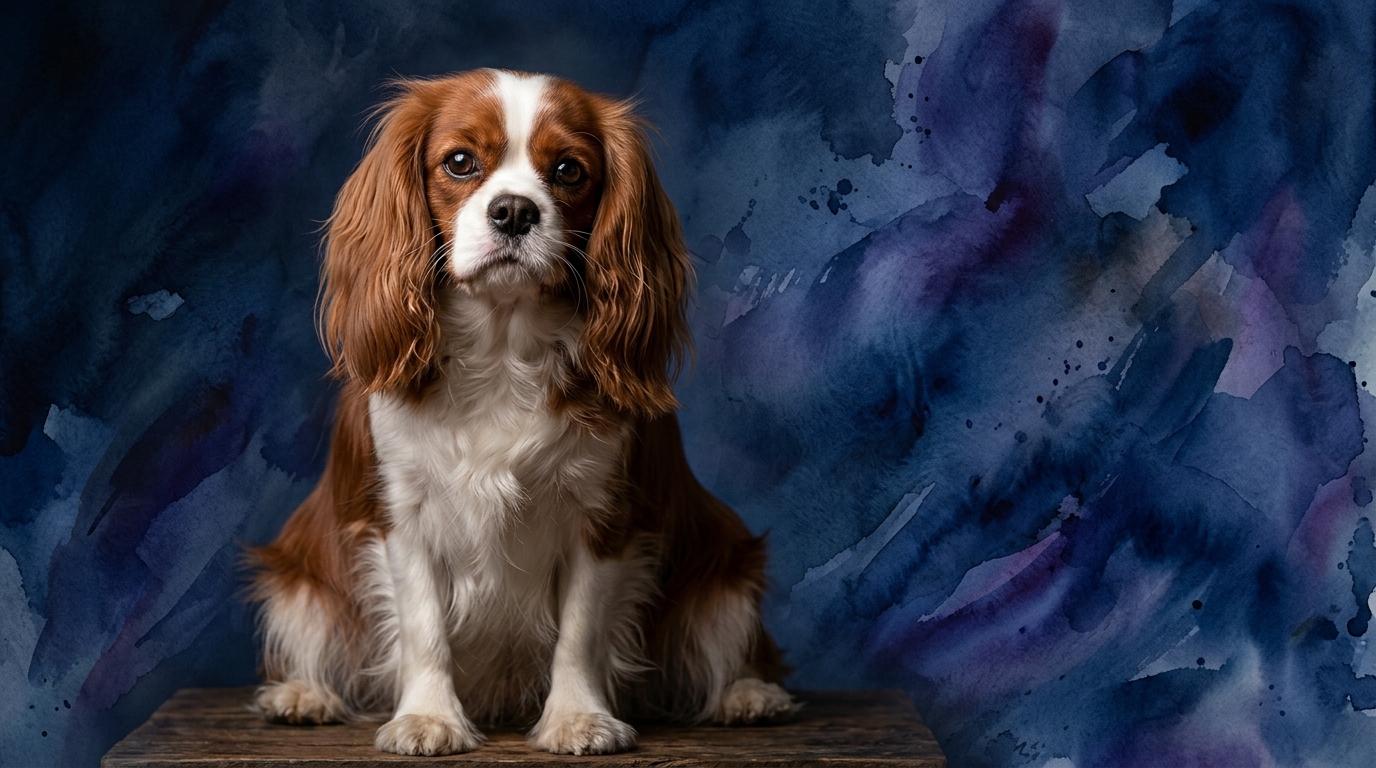
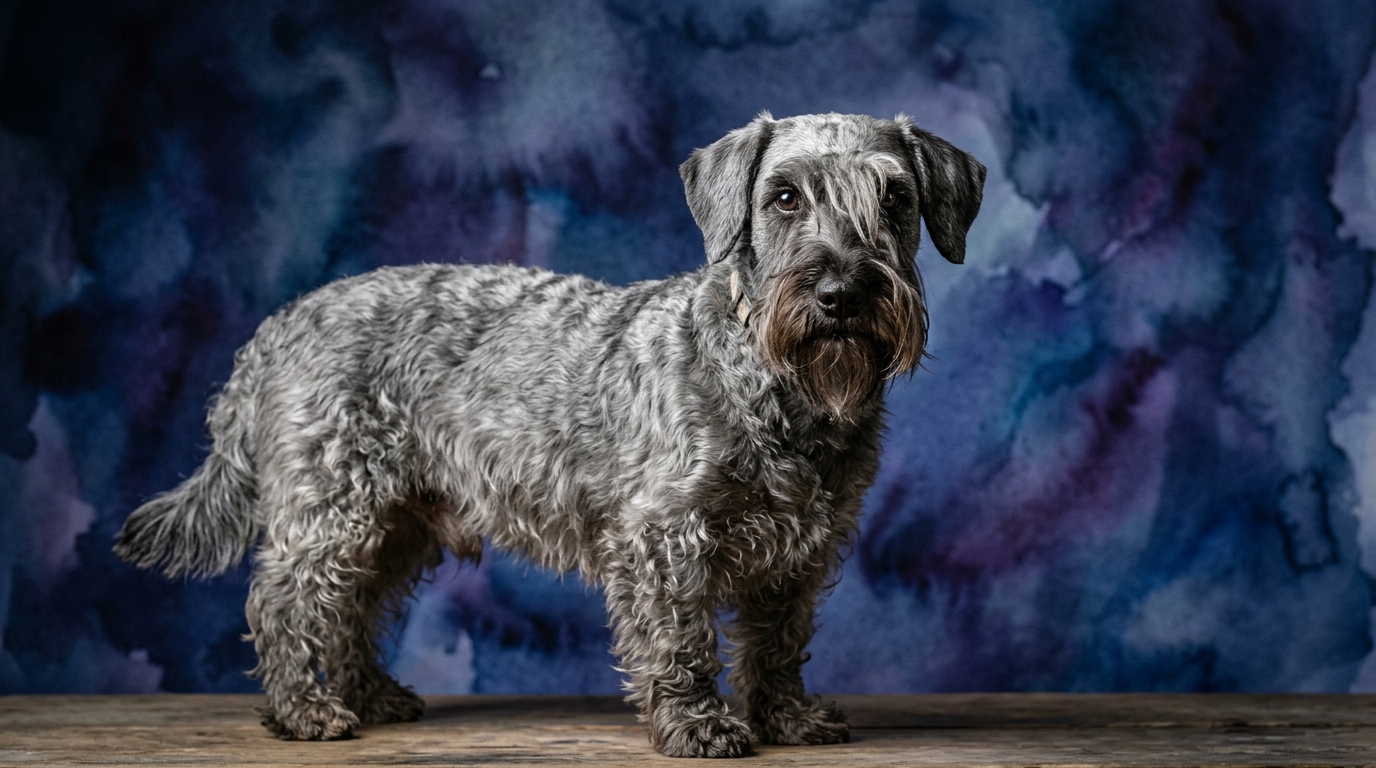
Side-by-Side IQ Profile: Unpacking Cognitive Dimensions
The Cosmic Pet Pet IQ Lab assesses canine intelligence across five crucial dimensions: Problem Solving, Training Speed, Social Intelligence, Instinctive Drive, and Memory. While both the Cavalier King Charles Spaniel and the Cesky Terrier possess unique cognitive strengths, a direct comparison of their profiles illuminates their distinct mental landscapes.
The Cavalier King Charles Spaniel, a breed with a Coren ranking of #44, positions them in the 'Average Working/Obedience Intelligence' category. Their IQ profile is marked by Problem Solving 3/5, indicating they can navigate common challenges like opening simple crates or figuring out basic puzzle toys, but are not typically innovators in complex scenarios. Training Speed is also 3/5, meaning they learn new commands at an average pace, generally requiring consistent but patient repetition to solidify new behaviors. Their standout trait is Social Intelligence at 5/5; these dogs are exceptionally attuned to human emotions, subtle cues, and social dynamics, making them highly empathetic and responsive companions. Instinctive Drive sits at 3/5, suggesting a moderate expression of inherent behaviors like chasing or exploring, present but generally manageable. Memory is rated 3/5, implying they retain learned tasks and routines effectively over time, contributing to their reliability in established households.
The Cesky Terrier, while not formally ranked by Coren, presents a profile that reflects its terrier heritage. Their Problem Solving ability is rated 3/5, similar to the Cavalier, suggesting they are capable of navigating practical obstacles and engaging with basic mental enrichment. Training Speed is also 3/5, indicating they learn at a comparable rate, albeit potentially with a different motivational approach. Their Social Intelligence is 3/5; while they form strong bonds and are observant, they do not possess the same innate drive for mirroring human emotions or constant interaction as the Cavalier. This score suggests a more independent and less overtly demonstrative social connection. Instinctive Drive, at 3/5, points to a moderate but persistent expression of terrier traits such as scent tracking, digging, or a focused prey drive, which require appropriate outlets. Memory, like the Cavalier, is 3/5, allowing them to recall learned commands and routines, fostering consistency in their behavior.
Where the Cavalier King Charles Spaniel Wins Cognitively
The Cavalier King Charles Spaniel's undeniable cognitive strength lies in their exceptional Social Intelligence, scoring a perfect 5/5. This dimension signifies their profound ability to understand, respond to, and anticipate human emotional states and intentions. A Cavalier isn't just present; they are deeply engaged with their human companions' moods, often seeking to comfort during sadness or join in moments of joy with remarkable perceptiveness. This high social acumen makes them incredibly responsive to subtle shifts in tone of voice or body language, facilitating a deeper, more intuitive bond. Their eagerness to please, stemming directly from this strong social drive, means they are often motivated by human approval and affection, making them naturally inclined towards cooperative behaviors and highly adaptable to family life. This cognitive predisposition is why they frequently excel as emotional support animals or gentle therapy dogs, intuitively understanding and responding to human needs in a way few other breeds can.
Their moderate Problem Solving (3/5) and Training Speed (3/5) are amplified by their social intelligence. While they might not independently devise complex solutions, their desire to collaborate with their human partners means they are often more receptive to guidance when faced with a challenge. For instance, a Cavalier might not figure out a complex latch on their own, but they will readily follow a human's demonstration, learning quickly due to their high social engagement. This makes them delightful to teach and live with, as their cognitive efforts are often channeled into harmonious cohabitation rather than independent endeavors.
Where the Cesky Terrier Wins Cognitively
The Cesky Terrier, despite having similar numerical scores in Problem Solving (3/5), Training Speed (3/5), and Instinctive Drive (3/5) to the Cavalier, demonstrates these capacities with a distinctly terrier flavor that can be a cognitive advantage in specific contexts. Their 3/5 in Instinctive Drive, combined with their history as a hunting dog, suggests a shrewdness and tenacity in tasks requiring focus and persistence. While not scoring higher in problem-solving, their approach is often more independent and goal-oriented. For example, when faced with a scent trail, a Cesky will likely exhibit sustained focus and an innate drive to follow through, leveraging their moderate problem-solving to navigate obstacles in their path with a self-reliant determination.
Their Social Intelligence at 3/5, while not as overtly demonstrative as the Cavalier, implies a more partnership-oriented connection. A Cesky observes and learns, forming bonds based on mutual respect and shared activities rather than constant emotional mirroring. This independence can be a cognitive strength for owners who appreciate a dog capable of making its own decisions in certain situations, such as navigating a complex outdoor environment or persevering in a task even without constant human prompting. Their memory at 3/5 ensures they retain the specific skills and strategies learned for these independent pursuits, making them reliable partners in activities like scent work or agility where individual initiative is valued alongside learned commands.
Which is Easier to Train and Why
When considering ease of training, the Cavalier King Charles Spaniel generally holds an advantage due to their exceptional Social Intelligence (5/5). Their strong innate desire to please their human companions means they are highly motivated by positive reinforcement, praise, and the simple act of making their owner happy. This inherent eagerness to cooperate makes them very receptive to learning basic obedience commands and house training. They are often keen to anticipate what is desired of them and will readily offer behaviors that earn them affection and approval. Their training journey typically involves consistent, gentle methods, and they respond beautifully to a calm, encouraging approach, making the process feel collaborative and rewarding for both dog and owner.
The Cesky Terrier, with a Training Speed of 3/5 and Social Intelligence of 3/5, is certainly trainable but often requires a different approach. Their more independent nature and moderate instinctive drive mean they might not be as inherently driven by human approval alone. While they are capable of learning at an average pace, they can exhibit a 'terrier stubbornness' or a preference for following their own instincts if not properly motivated. Training a Cesky often benefits from incorporating their natural drives, such as scent work or play, into the learning process. Consistency, patience, and making training sessions engaging and rewarding through high-value treats or games are crucial. Owners must understand that a Cesky might question a command or take a moment to process if it conflicts with an innate desire, rather than immediately complying solely for the sake of pleasing.
Suitability for Active vs. Relaxed Owners
For owners seeking a relaxed, devoted companion, the Cavalier King Charles Spaniel is an excellent match. Their 5/5 Social Intelligence means they thrive on close companionship and integration into family life, content with gentle walks, cuddle sessions, and being near their people. Their moderate Instinctive Drive (3/5) and Problem Solving (3/5) align well with a lifestyle that prioritizes comfort, affection, and predictable routines rather than intense physical or mental challenges. They are generally adaptable to various living situations, from apartments to larger homes, as long as they receive ample human interaction and affection. A relaxed owner who values a dog's emotional presence and intuitive connection will find the Cavalier to be an ideal, low-key partner.
The Cesky Terrier, while not requiring extreme athleticism, is better suited for owners who appreciate a dog with a bit more independent spirit and are prepared to engage their moderate instinctive drives. Their 3/5 Instinctive Drive, which includes traits like scenting and potential digging, means they benefit from more structured activities than a Cavalier might. This could involve regular, engaging walks that allow for exploration, scent games, or even participation in earthdog trials or agility to satisfy their inherent terrier tendencies. Owners who enjoy outdoor activities and are willing to provide consistent mental and physical enrichment will find the Cesky to be a resilient and rewarding companion. They need an owner who respects their independent streak and provides outlets for their natural behaviors, fostering a partnership built on mutual activity and engagement.
The Verdict: When to Choose Each Breed
Choosing between the Cavalier King Charles Spaniel and the Cesky Terrier ultimately depends on the specific cognitive and behavioral traits an owner values most in a canine companion.
The Cavalier King Charles Spaniel is the ideal choice for individuals or families seeking a deeply affectionate, emotionally perceptive, and highly responsive companion who thrives on close human connection and a harmonious home environment. Their exceptional social intelligence makes them unparalleled in their ability to integrate into family dynamics and offer intuitive emotional support.
The Cesky Terrier is best suited for owners who appreciate a resilient, independent, and observant partner with a moderate working drive, prepared to engage in activities that stimulate their natural terrier instincts and foster a relationship built on mutual respect and shared adventures.
The Verdict
Choose the Cavalier King Charles Spaniel for a devoted, emotionally perceptive companion seeking a strong bond and gentle interaction within a calm household.
Choose the Cesky Terrier for an independent, resilient partner who thrives on engaging activities and appreciates a relationship built on mutual respect and mental stimulation.
🧠 Find Your Pet's IQ Score
Our Pet IQ Lab assessment covers 25+ tests across 5 cognitive dimensions — personalized to your breed.
Take the Full IQ Test →Frequently Asked Questions
Are Cavaliers good therapy dogs?
Yes, their exceptional social intelligence and strong desire to connect make them highly suitable for therapy work, as they naturally respond to human emotional states and offer comfort.
Do Cesky Terriers dig a lot?
Their moderate instinctive drive, typical of terriers, means they may have a propensity for digging, especially if not provided with sufficient mental and physical enrichment to channel this natural behavior.
Which breed is better for first-time dog owners?
The Cavalier King Charles Spaniel is generally more forgiving and eager to please, making them a more straightforward choice for first-time owners compared to the Cesky Terrier's more independent and determined nature.