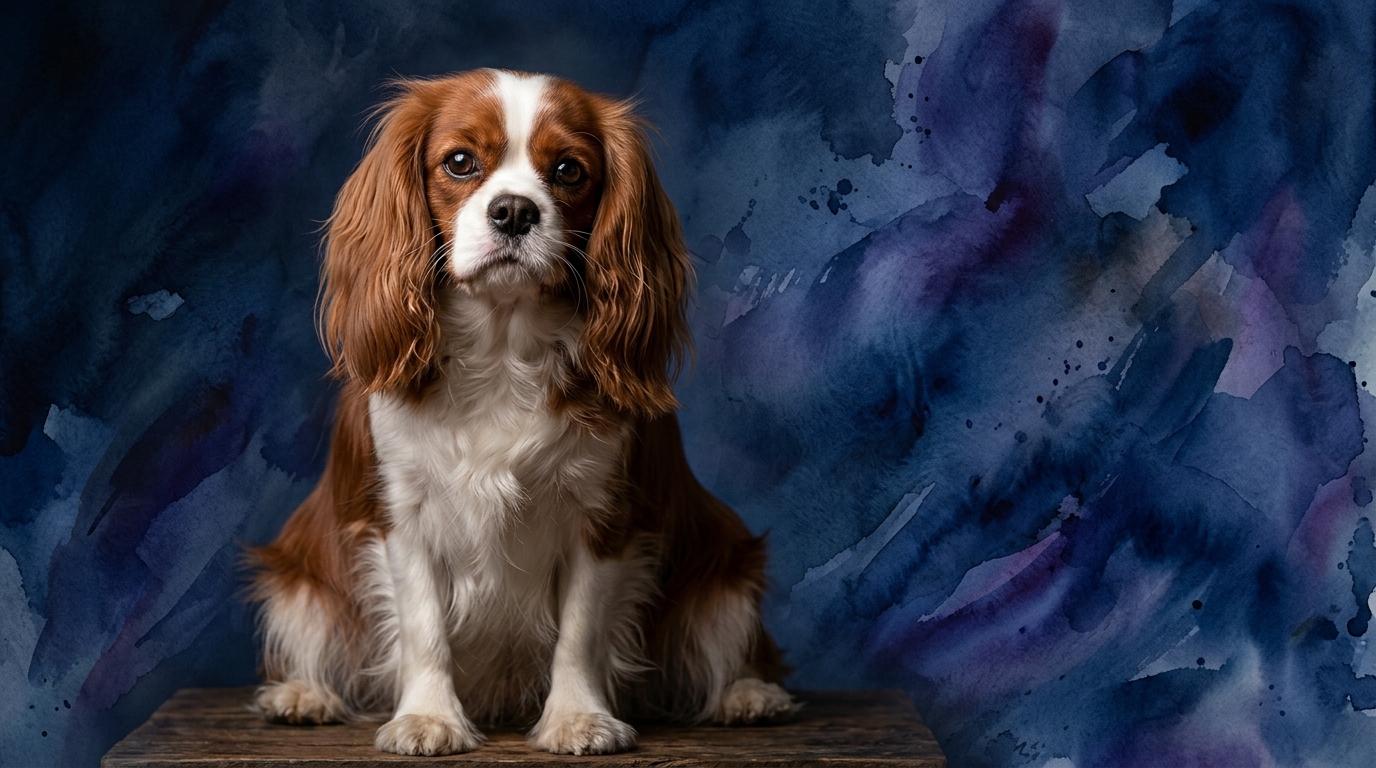
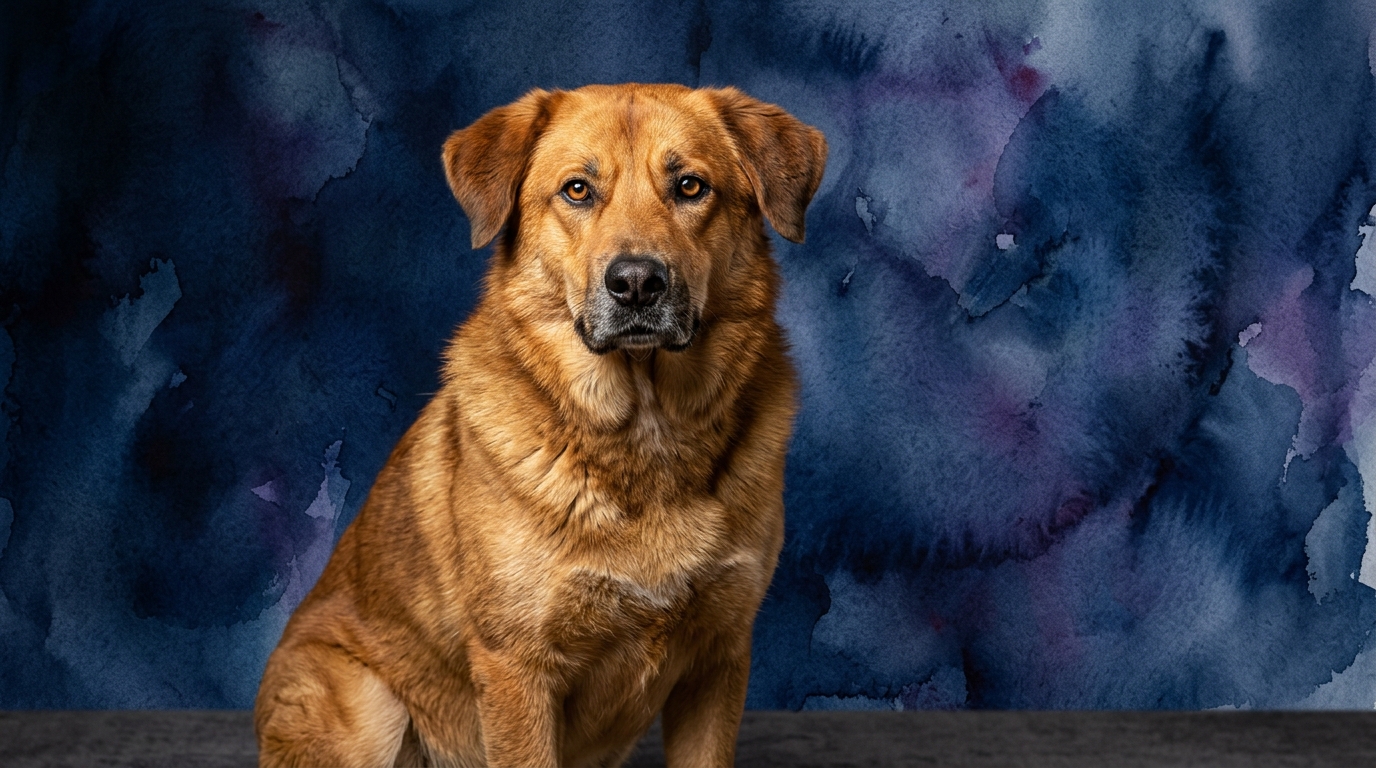
Side-by-Side Cognitive Profile: Cavalier King Charles Spaniel vs. Chinook
At The Cosmic Pet Pet IQ Lab, we evaluate canine intelligence across five key dimensions, offering a nuanced understanding beyond simple obedience. Let's examine how the Cavalier King Charles Spaniel and the Chinook compare.
The Cavalier King Charles Spaniel, a beloved Toy group member with a Coren ranking of #44, presents a cognitive makeup that emphasizes companionship. Their Problem Solving is rated 3/5, indicating an ability to navigate typical household challenges, understand routines, and creatively seek attention or access desired items. Training Speed also sits at 3/5, meaning they learn new commands at a moderate pace, responding well to consistent, positive reinforcement. Where they truly distinguish themselves is in Social Intelligence, scoring a remarkable 5/5. This reflects an exceptional aptitude for understanding human emotions, body language, and social cues, making them profoundly attuned companions. Their Instinctive Drive is 3/5, possessing moderate natural tendencies like gentle retrieving or scent following, but without overwhelming intensity. Memory is likewise 3/5, allowing them to retain learned commands and experiences moderately well, remembering people and places over time.
The Chinook, a Working group dog not featured in Coren's ranking, exhibits a balanced yet practical cognitive profile. Their Problem Solving is 3/5, demonstrating practical skills, particularly in tasks requiring physical effort or navigation, such as finding optimal paths or overcoming obstacles in outdoor environments. Training Speed is also 3/5; they learn new tasks at a moderate rate, thriving on structure and consistency, especially in working contexts. In Social Intelligence, the Chinook scores 3/5. They understand social hierarchies and pack dynamics, forming strong bonds within their family, and are observant of their surroundings, but are less overtly expressive of human emotional nuance compared to the Cavalier. Their Instinctive Drive is 3/5, showcasing moderate natural working instincts, including pulling, tracking, and endurance, reflecting their sled dog heritage. Memory is also rated 3/5, indicating a moderate ability to recall training, routes, and past experiences, beneficial for their roles.
Where the Cavalier King Charles Spaniel Excels Cognitively
The Cavalier King Charles Spaniel's unparalleled strength lies in their Social Intelligence, scoring a perfect 5/5. This means they are profoundly attuned to human emotional states and social interactions. They can interpret subtle cues from their owners, often anticipating needs or moods, and excel at forming comforting, reciprocal bonds. This aptitude makes them exceptional emotional support animals and therapy dogs, where reading and responding to human distress or joy is paramount. Their ability to connect on an emotional level and offer appropriate comfort is a clear cognitive advantage for companionship roles, making them sensitive and responsive partners in daily life.
Where the Chinook Shows Cognitive Strengths
While the Chinook's IQ scores are uniformly moderate across categories (3/5), their cognitive strengths are anchored in their working heritage and practical application. Their Problem Solving and Instinctive Drive, when combined, make them adept at practical, task-oriented challenges, especially those involving physical engagement and endurance. For instance, a Chinook might excel at navigating complex terrain during a hike, identifying optimal paths, or understanding the mechanics of pulling a sled. Their intelligence is geared towards sustained effort, spatial awareness, and a robust physical capacity, rather than nuanced social decoding, making them reliable partners for demanding outdoor endeavors and purposeful tasks.
Trainability: Cavalier King Charles Spaniel vs. Chinook
Both breeds share a Training Speed score of 3/5, suggesting they learn at a similar, moderate pace. However, the *nature* of their trainability differs significantly due to their other cognitive strengths. The Cavalier's high social intelligence (5/5) means they are inherently motivated to please their human companions and respond exceptionally well to positive reinforcement rooted in social connection and praise. They are likely to pick up polite household manners and attention-seeking behaviors quickly because they desire harmony and interaction, often responding to a gentle tone or a rewarding cuddle.
The Chinook, with its 3/5 social intelligence and 3/5 instinctive drive, responds best to training that is structured, consistent, and often taps into their working instincts. While they are willing learners, their motivation might stem more from the satisfaction of completing a task or the clear guidance of a leader, rather than purely emotional connection. For instance, teaching a Chinook a complex tracking exercise or engaging them in a pulling sport might be more engaging for them than repetitive 'sit-stay' drills, which the Cavalier might find rewarding simply due to the social interaction. Therefore, while neither is 'easier' in terms of raw learning speed, the Cavalier's social drive often makes general obedience training feel more intuitive for owners seeking a responsive companion, while the Chinook benefits from goal-oriented tasks.
Matching Canine Companions to Lifestyles: Active vs. Relaxed Owners
For relaxed owners seeking a devoted lap companion and a calm, affectionate presence, the Cavalier King Charles Spaniel is an ideal fit. Their moderate instinctive drive and problem-solving skills are perfectly suited for a comfortable home environment, where their primary 'job' is companionship. Their exceptional social intelligence means they thrive on close human interaction and are content with gentle walks and indoor play. They are not typically driven by intense physical demands or complex mental challenges beyond family dynamics, preferring a cozy spot by their human's side.
Active owners who enjoy outdoor adventures, structured activities, or even dog sports will find the Chinook to be a more suitable partner. While their IQ scores are moderate, their working breed background implies a need for purposeful activity and consistent engagement. They will appreciate owners who can provide regular, consistent exercise, engage them in hiking, skijoring, or other endurance-based tasks that tap into their robust physical and mental capabilities. Their cognitive profile, though not overtly 'high' in any single dimension, is balanced for sustained effort and practical application in dynamic, often physically demanding environments, making them a sturdy and willing partner for an adventurous lifestyle.
The Verdict
Opt for a Cavalier King Charles Spaniel if your priority is an emotionally attuned companion who thrives on close social bonds and requires moderate physical and mental engagement within a family setting.
Select a Chinook if you are an active individual or family seeking a robust, loyal partner for outdoor activities and structured tasks, valuing a dog that engages with purpose and endurance.
🧠 Find Your Pet's IQ Score
Our Pet IQ Lab assessment covers 25+ tests across 5 cognitive dimensions — personalized to your breed.
Take the Full IQ Test →Frequently Asked Questions
Do Cavaliers make good therapy dogs?
Yes, Cavaliers are exceptionally well-suited as therapy dogs due to their 5/5 social intelligence score. They possess an innate ability to read and respond to human emotions, providing comfort and connection with remarkable empathy, making them naturally soothing presences.
Are Chinooks difficult to train for beginners?
Chinooks have a 3/5 training speed, meaning they learn at a moderate pace. While not inherently difficult, their working drive benefits from consistent, structured training from an owner who understands their need for purpose and physical activity, making them better suited for those prepared for engagement and a clear leadership role.
Which breed is better for apartment living?
The Cavalier King Charles Spaniel is generally better suited for apartment living due to their smaller size and lower exercise requirements, thriving on indoor companionship and gentle walks. Chinooks, as a working breed, require more space and consistent outdoor activity, making a house with a yard or very active owners more appropriate for their well-being.