Side-by-Side IQ Profile: Cavalier King Charles Spaniel vs. Collie (Rough)
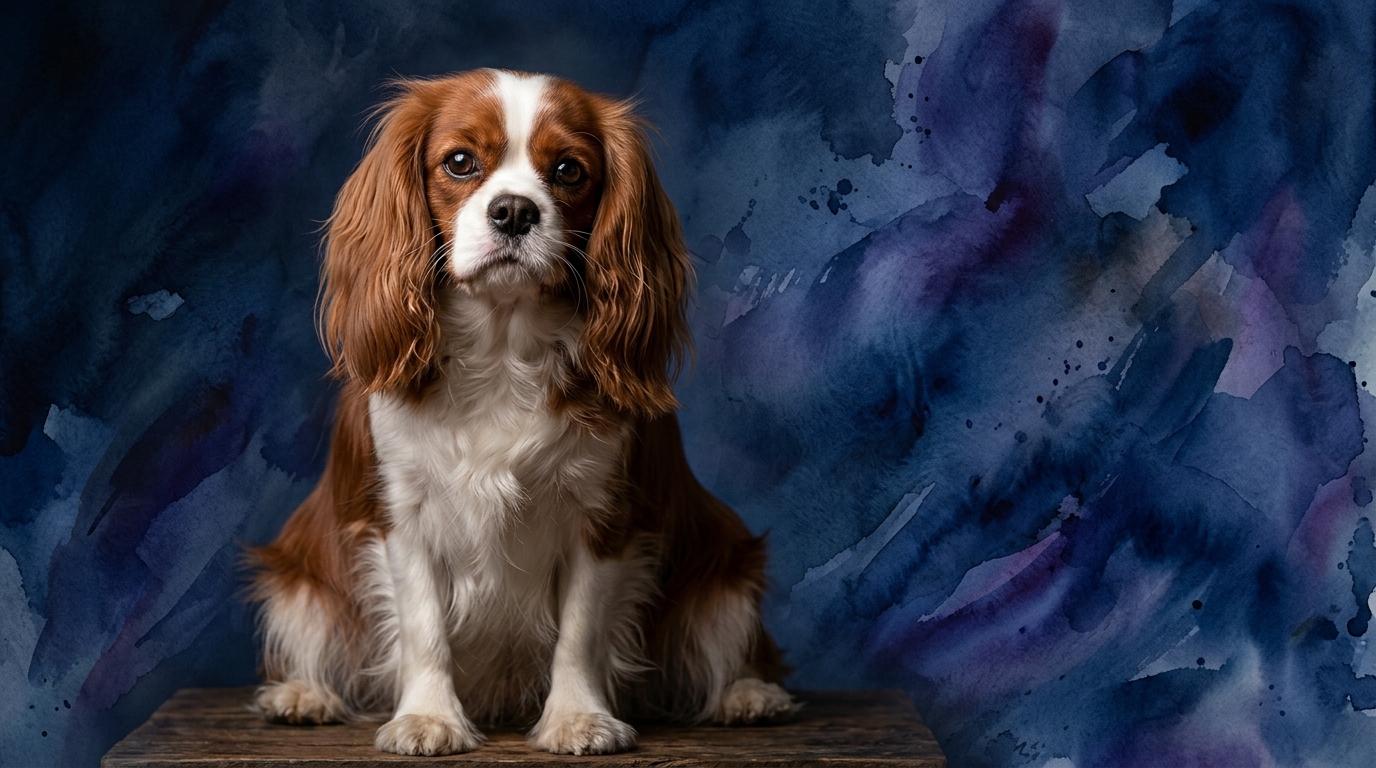
The Cosmic Pet Pet IQ Lab employs a multi-dimensional approach to assess canine intelligence, moving beyond a single score to evaluate specific cognitive strengths. For the Cavalier King Charles Spaniel, ranked #44 by Coren for working/obedience intelligence, their profile shows a Problem Solving score of 3/5, indicating an ability to navigate simple puzzles and routines but less inclination for complex, multi-step challenges without significant human guidance. Their Training Speed is 3/5; they learn new commands at an average pace, thriving on consistency and positive reinforcement due to their eager-to-please but sensitive nature. The Cavalier's standout trait is their Social Intelligence at 5/5, showcasing an exceptional attunement to human emotions and social cues, fostering deep empathetic bonds. Their Instinctive Drive is 3/5, a moderate level that retains some scent-following interest but lacks strong herding or guarding compulsions. Memory for Cavaliers is 3/5, functional for routines and familiar contexts but not for recalling intricate sequences over extended periods without refreshers.
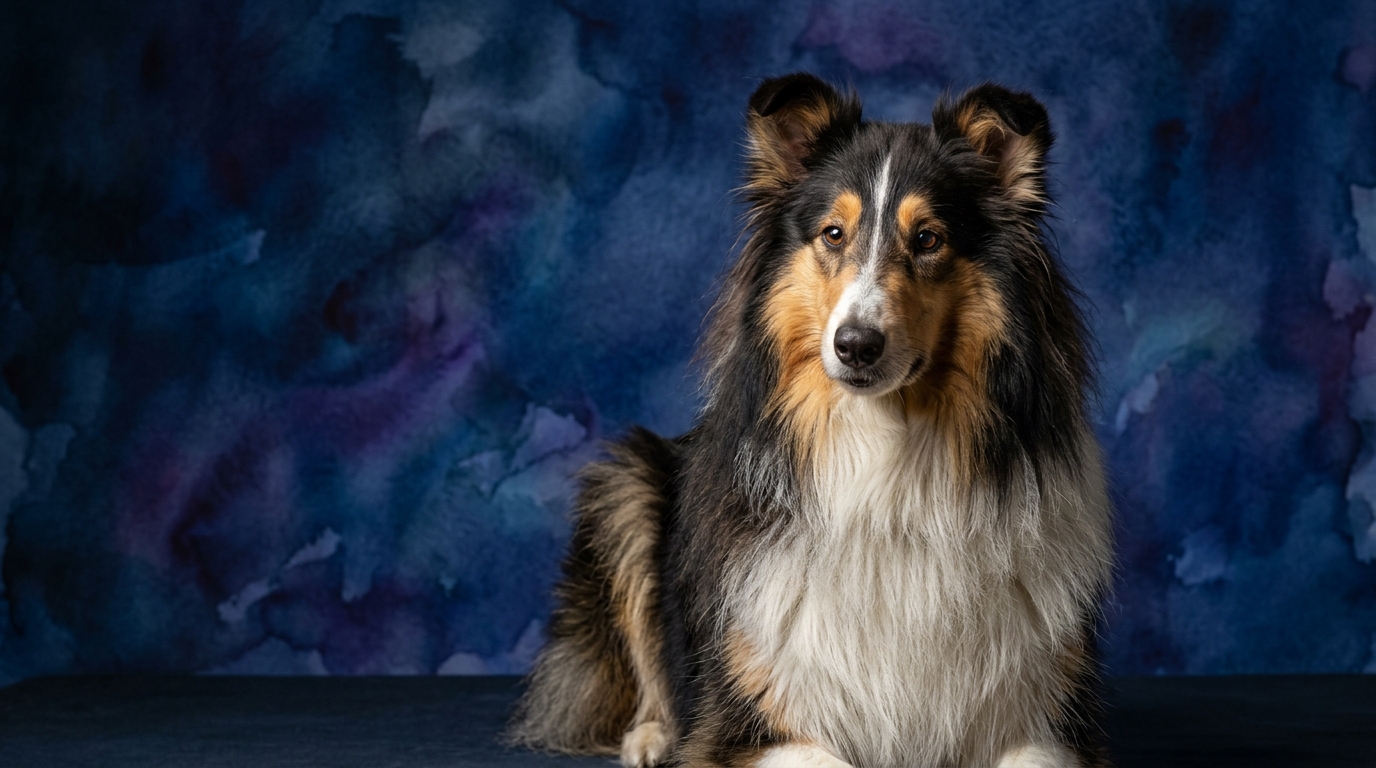
In contrast, the Collie (Rough), ranked #16 by Coren, demonstrates a profile geared towards practical application and learning efficiency. Their Problem Solving score is 4/5, indicating a strong aptitude for navigating environmental challenges and devising logical solutions, often independently. Training Speed for Collies is 4/5; they pick up new commands and routines with impressive efficiency, often requiring fewer repetitions. While friendly, their Social Intelligence is 3/5, meaning their primary cognitive focus is less on deep emotional attunement and more on task-oriented interaction, though they are affectionate. Their Instinctive Drive is 3/5, reflecting a moderated herding impulse in modern lines, still present but not overwhelming. The Rough Collie’s most notable cognitive asset is their Memory, scoring a perfect 5/5, enabling them to retain vast amounts of learned information, from complex task sequences to environmental layouts, with remarkable consistency.
Where the Cavalier King Charles Spaniel Wins Cognitively
The Cavalier’s cognitive triumph lies squarely in their social intelligence, where they achieve a perfect 5/5. They are unparalleled masters of emotional resonance and interpersonal connection, far surpassing many breeds driven by instinctual tasks or complex problem-solving. Cavaliers possess an exceptional ability to read human emotions, offering comfort, anticipating moods, and seamlessly integrating into the family's emotional landscape. This profound attunement means they often seem to instinctively understand what their owner needs, whether it's quiet companionship during distress or enthusiastic play during joy, making them incredibly intuitive and empathetic companions. Their cognitive processing is primarily geared towards understanding and responding to social cues, fostering a deep, symbiotic bond that few other breeds can truly match.
Where the Collie (Rough) Wins Cognitively
The Rough Collie shines brightly across several cognitive dimensions where the Cavalier shows average aptitude. Their Coren rank of #16 signifies a superior capacity for learning and obedience, considerably outperforming the Cavalier's #44. This is underpinned by their 4/5 in problem-solving, allowing them to independently navigate environmental challenges and devise solutions, a stark contrast to the Cavalier's 3/5 which leans more on human guidance. Furthermore, their training speed of 4/5 means they grasp new commands and complex sequences with remarkable efficiency, requiring fewer repetitions. Perhaps their most impressive cognitive asset is a 5/5 memory, enabling them to retain vast amounts of learned information, from intricate multi-step tasks to the detailed layout of their surroundings, making them highly reliable in performing learned behaviors over time.
Which is Easier to Train and Why
Based on their respective IQ profiles, the Collie (Rough) generally presents as the easier breed to train. Their 4/5 training speed, compared to the Cavalier's 3/5, indicates a quicker grasp of new commands and a greater efficiency in learning. Collies possess a strong desire to work collaboratively with their handlers and a notable capacity for retaining learned behaviors, evidenced by their 5/5 memory score. This means they not only pick up instructions faster but also remember them more consistently over time. For instance, a Collie might master a new agility sequence in fewer sessions and perform it reliably weeks later, whereas a Cavalier, while eager to please, might require more repetition and refreshers to cement the same sequence due to their moderate training speed and memory. The Collie's stronger problem-solving aptitude also means they can better understand the 'why' behind a command or task, leading to more robust training outcomes, especially for complex activities.
Which Suits Active Owners vs. Relaxed Owners
For active owners seeking a canine partner for structured activities and mental engagement, the Collie (Rough) is the more suitable choice. Their superior problem-solving (4/5) and training speed (4/5), combined with a remarkable 5/5 memory, mean they thrive on challenges like obedience trials, agility, or even herding exercises. They possess the cognitive tools to excel in activities that require learning complex sequences, strategic thinking, and consistent recall, making them ideal for owners who enjoy dedicating time to advanced training and dog sports. While their instinctive drive is moderate (3/5), it's often directed towards purposeful activity when given an outlet, encouraging engagement.
Conversely, the Cavalier King Charles Spaniel is an exemplary fit for relaxed owners who prioritize companionship and emotional connection over performance-based activities. Their unmatched 5/5 social intelligence makes them incredibly perceptive and empathetic companions, content to share quiet moments or engage in gentle play. While they can learn basic commands (training speed 3/5), their cognitive strengths are not geared towards demanding mental tasks or rigorous training schedules. They are happiest when their primary 'job' is to be a loving, present member of the family, providing comfort and receiving affection, making them perfect for individuals or families seeking a devoted, emotionally responsive presence.
The Verdict
Opt for a Cavalier King Charles Spaniel if your primary desire is an exceptionally empathetic, emotionally attuned companion who will seamlessly integrate into a relaxed household, providing comfort and deep social connection.
Select a Rough Collie if you are an active owner looking for a highly trainable, cognitively capable partner for engaging in structured activities, advanced obedience, or dog sports, valuing their problem-solving and impressive memory.
🧠 Find Your Pet's IQ Score
Our Pet IQ Lab assessment covers 25+ tests across 5 cognitive dimensions — personalized to your breed.
Take the Full IQ Test →Frequently Asked Questions
Is a Cavalier King Charles Spaniel difficult to train?
Cavaliers are not difficult to train, but they learn at an average pace (3/5 training speed). They respond best to consistent, positive reinforcement due to their sensitive nature and eagerness to please their owners, making patience key.
What makes Rough Collies good at problem-solving?
Rough Collies score 4/5 in problem-solving due to their working dog heritage and ability to logically assess situations. They can often figure out how to achieve goals, like opening a gate or retrieving a specific toy, by understanding cause and effect.
How does social intelligence differ between these two breeds?
Cavaliers excel with a 5/5 social intelligence, making them highly attuned to human emotions and social cues, often anticipating needs. Rough Collies have a 3/5, meaning they are friendly and affectionate but less focused on deep emotional attunement compared to the Cavalier, prioritizing task-oriented interactions.