Side-by-Side IQ Profile: Unpacking Canine Cognition
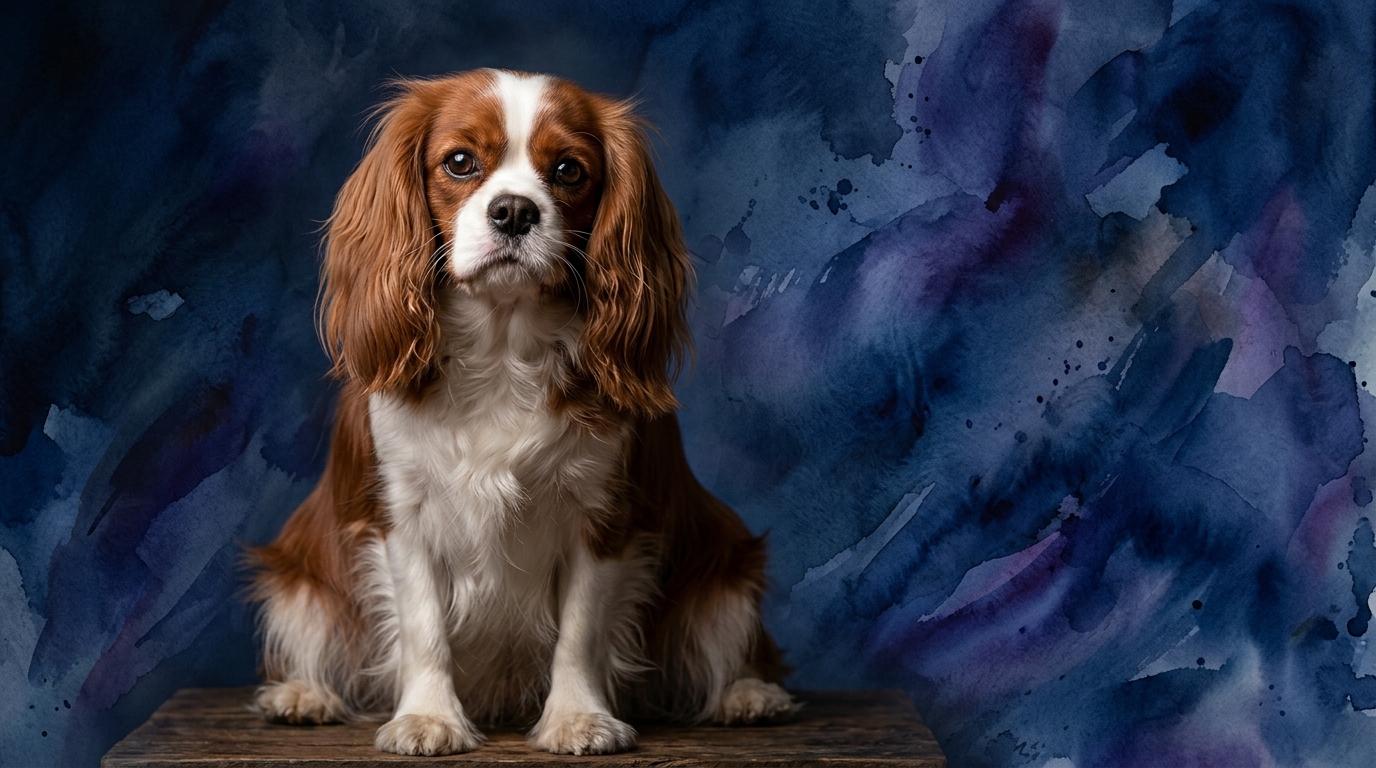
The Cavalier King Charles Spaniel, a delightful member of the Toy group, is ranked #44 by Coren, indicating a moderate capacity for learning and obedience. In our Pet IQ Lab, their cognitive breakdown reveals a nuanced picture. Their Problem Solving is rated 3/5, suggesting a moderate ability to navigate novel challenges and devise solutions, suitable for everyday household puzzles but not complex abstract tasks. Training Speed also stands at 3/5, meaning they absorb new commands at an average pace, thriving on consistent, positive reinforcement rather than rapid-fire learning. Where Cavaliers truly excel is in Social Intelligence, scoring a perfect 5/5; they are profoundly attuned to human emotions, social cues, and family dynamics, making them exceptional companions. Their Instinctive Drive is a moderate 3/5, indicating a balanced level of innate behaviors like retrieving, present but not overwhelmingly strong. Finally, their Memory is 3/5, allowing them to retain routines and commands effectively, though not with exceptional long-term precision for intricate sequences.
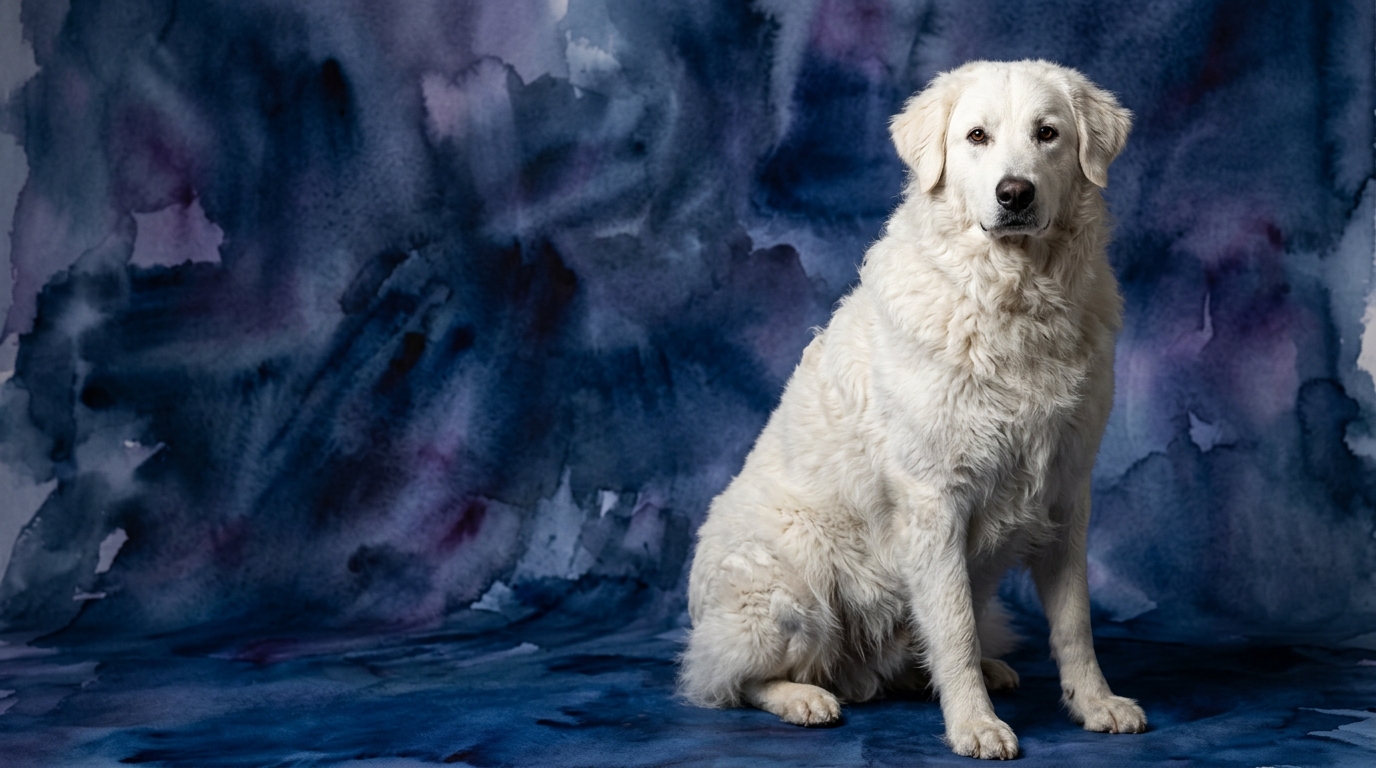
The Kuvasz, a majestic Working breed, holds a Coren rank of #42, placing them just above the Cavalier in general working intelligence. Our Pet IQ Lab scores paint a picture of an independent guardian. Like the Cavalier, their Problem Solving is 3/5, showcasing a practical intelligence for assessing situations, particularly within their guarding context, rather than abstract reasoning. Their Training Speed is also 3/5, indicating an average learning pace; however, their independent nature means training requires patience and an understanding of their self-reliant tendencies. Social Intelligence for the Kuvasz is 3/5, reflecting their reserved nature; while deeply bonded with their family, they are less universally effusive than a Cavalier, with their social acumen geared towards vigilance. Their Instinctive Drive, also 3/5, is predominantly focused on their inherent protective and territorial behaviors. Notably, the Kuvasz shines in Memory with a 4/5 score, crucial for their guardian role, enabling them to retain specific individuals, past threats, and territory layouts with impressive accuracy and for extended periods.
Where the Cavalier King Charles Spaniel Demonstrates Cognitive Strengths
The Cavalier's paramount cognitive advantage lies in its exceptional social intelligence (5/5). This isn't merely about being friendly; it's a deep-seated ability to interpret human cues, understand emotional states, and adapt their behavior to foster harmonious relationships. A Cavalier can sense when their owner is distressed and offer comfort, or intuitively understand the subtle shifts in family dynamics, making them unparalleled emotional support companions. Their cognitive machinery is exquisitely tuned to human interaction, allowing them to anticipate needs and respond with a sensitivity that few breeds match. This manifests in their ability to seamlessly integrate into family life, often becoming a comforting presence without explicit training.
Where the Kuvasz Demonstrates Cognitive Strengths
The Kuvasz's cognitive superiority is most evident in its memory (4/5) and the application of its moderate problem-solving (3/5) and instinctive drive (3/5) in a specific context: vigilance and protection. A Kuvasz's enhanced memory allows it to meticulously catalogue faces, scents, and behaviors, distinguishing between familiar and potentially threatening elements with impressive accuracy. This isn't just about remembering commands; it’s about recalling who belongs and who doesn't, remembering the layout of their expansive territory, and past encounters. Their problem-solving, while not geared towards abstract puzzles, is expertly applied to environmental assessment and strategic decision-making in a guarding scenario, such as identifying the optimal position to observe or intercept. Their instinctive drive, though moderate overall, is intensely focused on their protective duties, making them astute observers and decisive protectors.
Which is Easier to Train and Why
While both breeds share a similar 3/5 score for training speed and problem-solving, the *nature* of their intelligence and motivation dictates significant differences in ease of training. The Cavalier, with its superior social intelligence (5/5), is generally more eager to please and deeply motivated by human approval and connection. They are more likely to respond positively to praise, gentle correction, and the desire to maintain a harmonious relationship with their owner. Their moderate instinctive drives mean fewer innate behaviors to redirect or manage during basic obedience. A Cavalier will readily engage in training as a bonding activity, often making the process feel collaborative and rewarding.
The Kuvasz, conversely, possesses an independent and self-reliant nature, characteristic of a working guardian breed. Their moderate social intelligence (3/5) means they form strong bonds but are not primarily driven by the desire to constantly appease their human. They might question commands or choose to comply only if they perceive a valid reason or if it aligns with their own assessment of a situation. This independence, coupled with their strong protective instincts, means training requires a firm, consistent, and patient approach, often emphasizing respect and partnership rather than pure obedience. A Kuvasz might learn commands at a similar speed but may not always *perform* them with the same eagerness or consistency as a Cavalier, especially if their instincts suggest otherwise. Their guarding role requires them to think for themselves, which can translate into a less pliable trainee.
Which Suits Active Owners vs. Relaxed Owners
The distinction here is quite clear, stemming from their historical roles and cognitive makeup. The Cavalier King Charles Spaniel, with its moderate instinctive drives (3/5) and intense social intelligence (5/5), is perfectly suited for relaxed owners seeking a devoted companion. Their exercise needs are manageable, typically satisfied with daily walks and indoor play. Their primary cognitive engagement comes from social interaction, cuddles, and being a part of family activities. They thrive on companionship and are content to be near their people, making them ideal for apartment living or homes where a calm, affectionate presence is valued above high activity.
The Kuvasz, despite having moderate instinctive drives (3/5) and problem-solving (3/5) scores, is fundamentally a working breed designed for expansive territories and independent decision-making. Their cognitive wiring, particularly their superior memory (4/5) and inherent protective instincts, necessitates an owner who can provide ample space, mental stimulation, and a clear role within the family 'flock.' They require consistent, purposeful activity, whether it's patrolling a large yard, engaging in advanced obedience, or participating in dog sports that challenge their minds and bodies. An active owner who understands and respects their guardian heritage, providing clear leadership and appropriate outlets for their instincts, will find the Kuvasz a loyal and formidable partner. They are not suited for owners seeking a low-maintenance, sedentary companion.
The Verdict
Choose the Cavalier King Charles Spaniel if you prioritize a deeply empathetic, highly social companion whose greatest joy comes from close human connection and gentle interaction. They are ideal for individuals or families seeking a devoted lapdog that thrives on being an integral, comforting presence in a relaxed home environment.
Opt for the Kuvasz if you are an experienced, active owner with a large property, prepared to provide consistent leadership, extensive training, and a clear purpose for a dog with strong protective instincts and an independent mind. They excel when given a meaningful role and sufficient mental and physical engagement.
🧠 Find Your Pet's IQ Score
Our Pet IQ Lab assessment covers 25+ tests across 5 cognitive dimensions — personalized to your breed.
Take the Full IQ Test →Frequently Asked Questions
Is a Cavalier King Charles Spaniel good with children?
Absolutely, their exceptional social intelligence and gentle nature make Cavaliers typically wonderful companions for children, often adapting their play style to suit a child's energy level. Supervision is always recommended, but their empathetic disposition usually fosters harmonious interactions.
Do Kuvasz dogs need a lot of exercise?
While not hyperactive, Kuvaszok require consistent, moderate exercise and ample space to patrol and observe, aligning with their guardian heritage. Daily structured walks, coupled with access to a securely fenced large yard, are essential to keep them physically and mentally content.
How do their problem-solving abilities compare in everyday situations?
Both breeds score 3/5 in problem-solving, meaning they handle routine challenges adequately. A Cavalier might figure out how to get attention or open a simple treat puzzle, while a Kuvasz might strategically position itself to observe the property or determine the best route to deter an perceived intruder, reflecting their distinct motivations.