Side-by-Side IQ Profile: Cavalier vs. Miniature Poodle
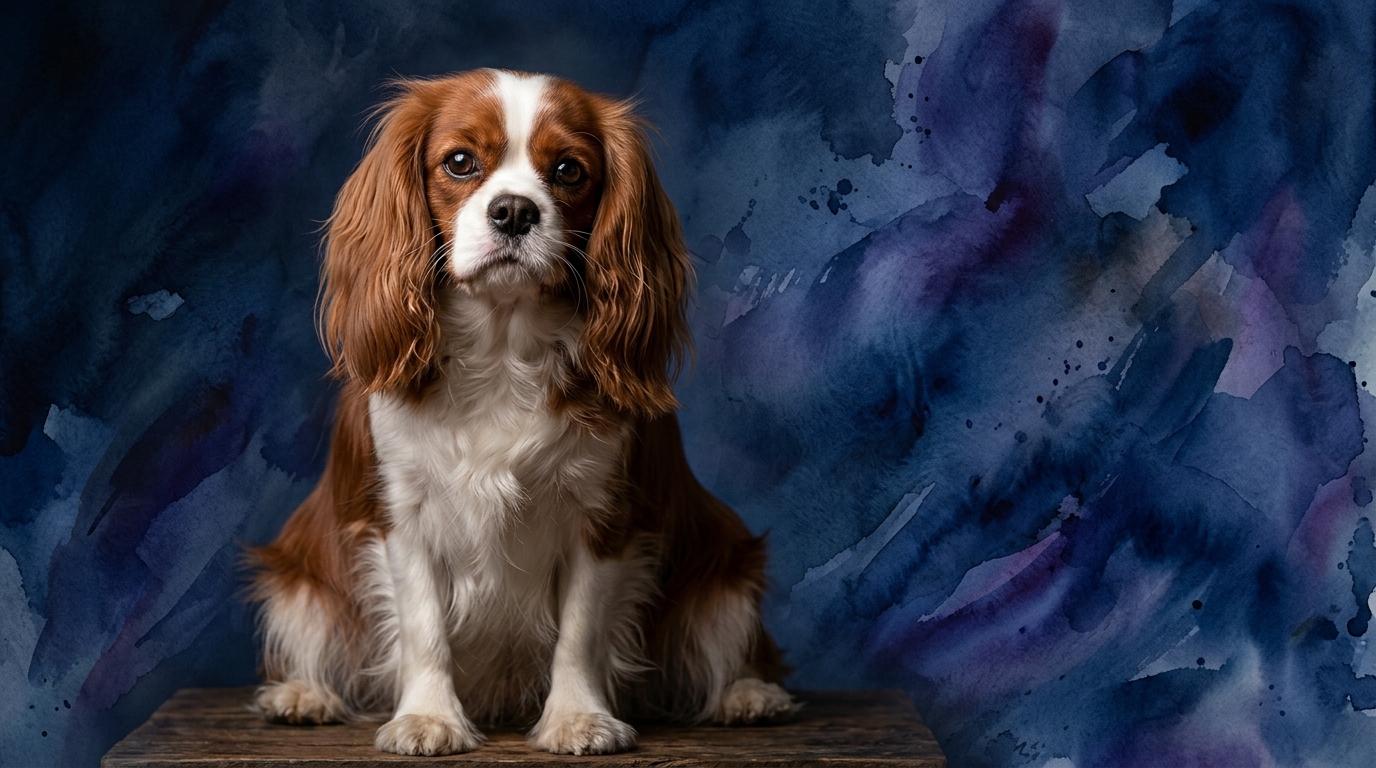
The Cosmic Pet Pet IQ Lab assesses canine intelligence across five key dimensions, providing a nuanced view of each breed's cognitive architecture. For the Cavalier King Charles Spaniel, ranked #44 by Coren, its profile highlights a balance of moderate practical skills with exceptional social acumen.
The Cavalier's Problem Solving score of 3/5 indicates a moderate ability to independently navigate novel challenges or complex tasks; while capable, they may not be the first to devise intricate solutions without guidance. Their Training Speed, also 3/5, suggests they learn new commands and routines at an average pace, requiring consistent, patient reinforcement. Where the Cavalier truly shines is in Social Intelligence, earning a perfect 5/5, demonstrating an outstanding capacity to understand human emotions, cues, and social dynamics, making them profoundly empathetic companions. Instinctive Drive is a moderate 3/5, meaning their innate breed-specific behaviors (like chasing small prey) are present but generally manageable. Finally, their Memory at 3/5 indicates they retain learned information and experiences reasonably well, but perhaps not with the precision of some other breeds.
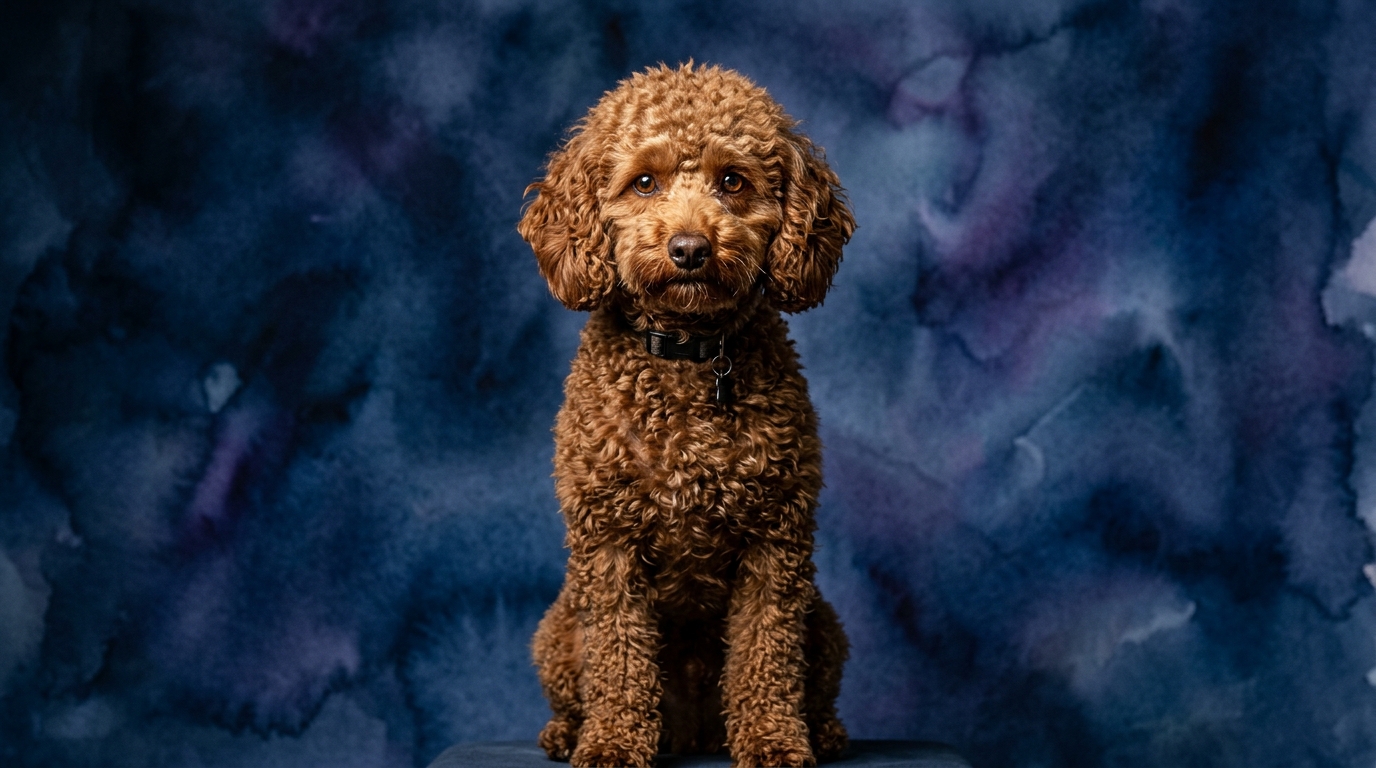
In stark contrast, the Miniature Poodle, a Non-Sporting breed with an impressive Coren rank of #2, presents a cognitive profile geared towards rapid learning and complex thought. Their Problem Solving score of 5/5 points to a remarkable aptitude for figuring out intricate puzzles, adapting to new situations, and strategizing independently. This is complemented by a 5/5 in Training Speed, showcasing an exceptional ability to grasp and execute new commands with minimal repetition, making them highly responsive to instruction.
The Miniature Poodle's Social Intelligence, at 3/5, is average; while they certainly form strong bonds, their primary cognitive strengths lie more in task-oriented learning than in nuanced emotional attunement compared to the Cavalier. Their Instinctive Drive is also 3/5, indicating moderate natural inclinations that can be channeled. Crucially, their Memory scores a perfect 5/5, meaning they not only learn quickly but also retain that knowledge for extended periods, building a vast repertoire of understanding and skills over their lifetime.
Where the Cavalier King Charles Spaniel Wins Cognitively
The Cavalier King Charles Spaniel's cognitive strengths are profoundly rooted in its exceptional Social Intelligence (5/5). This dimension defines its primary intellectual advantage, enabling an unparalleled understanding of human emotional states and intentions. A Cavalier can often anticipate its owner's moods, offering comfort or companionship precisely when needed, not just reacting to explicit commands but interpreting subtle shifts in body language and vocal tone.
This high social acumen translates into a dog that integrates seamlessly into family life, often acting as a comforting presence. They excel in environments where emotional connection and intuitive understanding are prioritized over complex task execution. For instance, a Cavalier might instinctively nudge a child who is feeling sad or settle quietly beside an elderly owner without being asked, demonstrating an inherent grasp of social appropriateness and empathy that few other breeds match.
While their Problem Solving and Training Speed are moderate, their social intelligence compensates by making them highly cooperative partners in daily life. They are motivated by companionship and approval, often learning behaviors more effectively through positive social reinforcement and a desire to please their human companions. This makes them superb therapy dogs, where their primary 'work' involves offering emotional support and connection, leveraging their unique cognitive gift for social harmony.
Where the Miniature Poodle Wins Cognitively
The Miniature Poodle's cognitive prowess is a testament to its exceptional Problem Solving (5/5), Training Speed (5/5), and Memory (5/5). These dimensions combine to create a highly adaptable and capable canine learner, making them outstanding in disciplines requiring mental agility and rapid assimilation of information. Their ability to independently analyze and overcome novel obstacles is truly remarkable, allowing them to excel in complex obedience, agility, and even trick training.
Their superior Problem Solving means a Miniature Poodle is less likely to become flustered by new situations or intricate tasks. They often enjoy the mental challenge of figuring things out, whether it's opening a puzzle toy, navigating an agility course, or understanding a multi-step command sequence. This translates into a dog that thrives on engaging intellectual stimulation, actively seeking opportunities to use its mental faculties.
The combination of rapid Training Speed and robust Memory ensures that once a Miniature Poodle learns something, it sticks. They can master a wide repertoire of commands and behaviors quickly and retain them over long periods, making them incredibly reliable partners for various activities. This cognitive profile means they can progress rapidly through training levels, build upon previous lessons effortlessly, and recall even rarely used cues with impressive accuracy.
Which is Easier to Train and Why
When comparing trainability, the Miniature Poodle holds a clear advantage over the Cavalier King Charles Spaniel. The Poodle's Coren rank of #2 signifies its place among breeds that understand new commands with very few repetitions and obey them with high reliability. This is directly reflected in its 5/5 scores for both Training Speed and Memory, meaning they absorb new information rapidly and retain it effectively.
A Miniature Poodle's superior Problem Solving (5/5) also contributes significantly to its ease of training. They are not merely rote learners; they understand the 'why' behind commands and can generalize learned behaviors to new contexts. For example, if taught to 'stay' in one room, they quickly apply that concept to different environments or distractions, demonstrating a deeper cognitive grasp of the instruction rather than just memorizing a sequence of actions.
In contrast, the Cavalier King Charles Spaniel, with a Training Speed of 3/5 and Memory of 3/5, requires more patience and repetition during training. While certainly trainable, they learn at a more moderate pace and may need consistent refreshers to maintain proficiency. Their strength lies in their eagerness to please and high social intelligence, which makes them willing participants, but their cognitive processing for complex commands isn't as rapid or retentive as the Poodle's. Training a Cavalier often relies more on leveraging their desire for companionship and positive social interaction, whereas a Poodle's training can tap into its intrinsic motivation for mental engagement and challenge.
Which Suits Active Owners vs. Relaxed Owners
The distinct cognitive profiles of these two breeds naturally align with different owner lifestyles. The Miniature Poodle, with its high Problem Solving, Training Speed, and Memory, thrives with active owners who can provide consistent mental stimulation and engagement. These dogs require more than just physical exercise; they need their minds challenged through training, puzzle toys, dog sports like agility or obedience, or even learning complex tricks.
Owners who enjoy structured activities, want a dog to participate in competitive events, or simply appreciate a highly responsive and adaptable companion will find the Miniature Poodle an excellent match. Their cognitive need for engagement means that without sufficient mental outlets, they can become bored, potentially leading to undesirable behaviors as they seek to entertain themselves. An active owner for a Miniature Poodle is not just physically active, but mentally proactive in their dog's enrichment.
Conversely, the Cavalier King Charles Spaniel's exceptional Social Intelligence makes it an ideal fit for more relaxed owners who prioritize companionship and emotional connection. While they enjoy walks and playtime, their primary requirement is human interaction and being an integral part of family life. They are content to cuddle on the couch, follow their owners from room to room, and offer quiet, empathetic presence, making them superb companions for individuals or families seeking a devoted, affectionate dog.
Relaxed owners who appreciate a dog that is intuitive to their moods and content with a moderate level of physical and mental activity will find the Cavalier's temperament and cognitive strengths perfectly aligned with their lifestyle. They do not demand constant mental challenges in the way a Poodle might; instead, their fulfillment comes from being cherished members of the household, where their social acumen can truly flourish.
The Verdict
Choose the Cavalier King Charles Spaniel if your priority is a deeply empathetic, socially intuitive companion content with a relaxed pace and moderate mental engagement.
Opt for the Miniature Poodle if you seek a highly trainable, mentally agile partner eager for challenges, structured activities, and rapid learning opportunities.
🧠 Find Your Pet's IQ Score
Our Pet IQ Lab assessment covers 25+ tests across 5 cognitive dimensions — personalized to your breed.
Take the Full IQ Test →Frequently Asked Questions
Is a Cavalier King Charles Spaniel difficult to train?
No, Cavaliers are not difficult to train, but they do learn at a more moderate pace (Training Speed 3/5) compared to some other breeds. Their high social intelligence and desire to please make them willing participants, responding best to patient, positive reinforcement and consistency.
Do Miniature Poodles need a lot of mental exercise?
Yes, Miniature Poodles definitely benefit from significant mental exercise. With 5/5 scores in Problem Solving, Training Speed, and Memory, they thrive on learning new commands, engaging with puzzle toys, and participating in dog sports, which helps prevent boredom and channel their cognitive energy constructively.
Which breed is better for first-time dog owners?
Both breeds can be suitable for first-time owners, but for different reasons. A Cavalier's easygoing, socially intuitive nature might be less demanding for someone new to dog ownership, while a Miniature Poodle's trainability and responsiveness make it an excellent choice for those eager to engage in consistent training and mental enrichment from the start.