
Side-by-Side IQ Profile: Cavalier vs. Mastiff
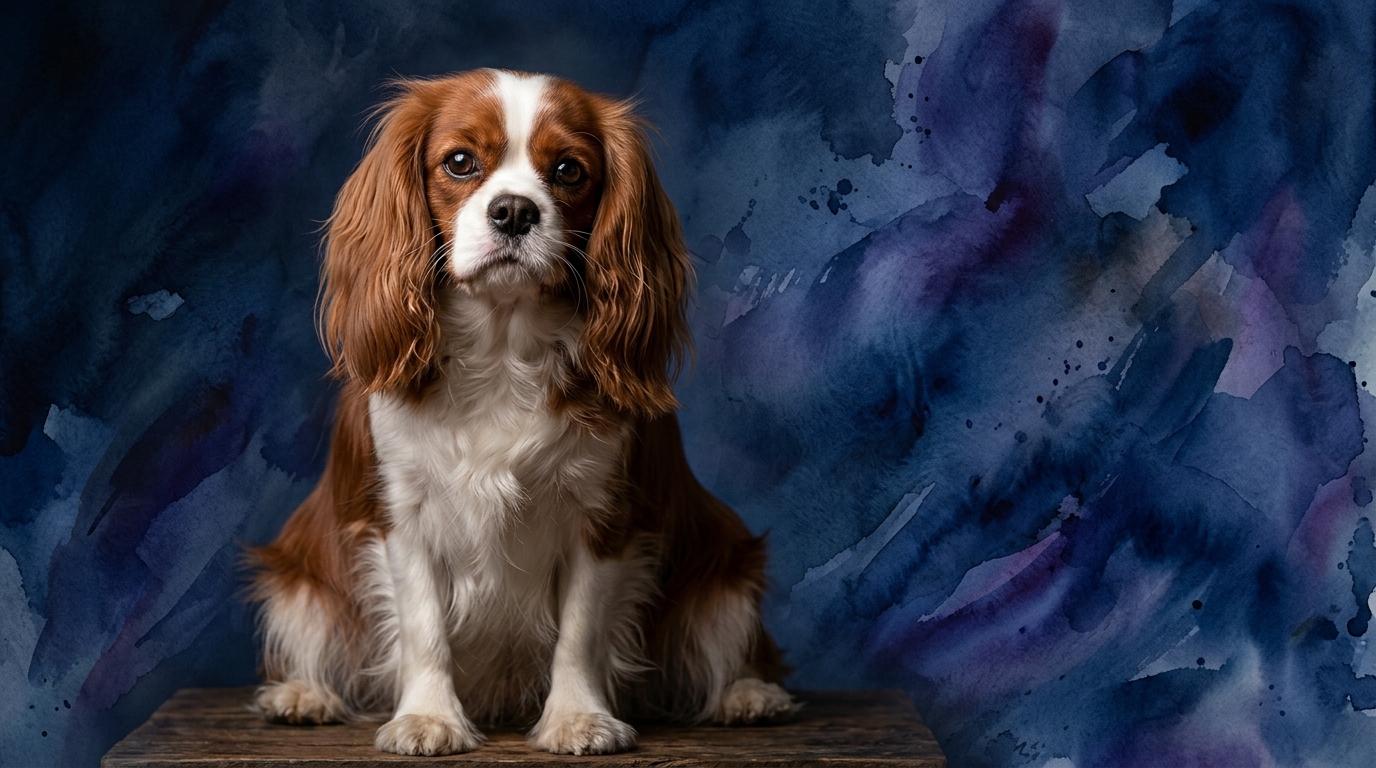
The Cosmic Pet Pet IQ Lab provides a fascinating framework for understanding canine cognition, breaking down intelligence into five core dimensions. For the Cavalier King Charles Spaniel, ranked #44 by Coren, their profile highlights a balanced but socially oriented intellect. Their Problem Solving is rated 3/5, indicating a capacity for navigating everyday challenges like figuring out basic puzzle toys or adapting to household routines, though they aren't typically independent strategists. Training Speed is also 3/5, meaning they learn new commands at a moderate pace, responding well to consistent, positive reinforcement. Their standout trait is Social Intelligence, a perfect 5/5, reflecting an exceptional attunement to human emotions and social cues, fostering deep, intuitive bonds. Instictive Drive is 3/5, primarily focused on companionship rather than strong prey or guarding instincts, and Memory is 3/5, solid for routines and commands.
The Neapolitan Mastiff, while not Coren-ranked, presents a unique cognitive blueprint that aligns with its historical guardian role. Its Problem Solving is also 3/5, but this is often applied to assessing environmental security and potential threats, making strategic decisions about their territory. Training Speed matches the Cavalier at 3/5, though their immense size and independent nature can require more physical management and patience during the learning process. Their Social Intelligence is 3/5; while they form deep bonds with their families, they are more reserved and observant, often wary of strangers, which necessitates careful socialization. Instictive Drive is 3/5, powerfully centered around protection and guarding. Memory is 3/5, demonstrating a solid recall for their environment, routines, and trusted individuals, crucial for their role as vigilant protectors.
Where the Cavalier King Charles Spaniel Wins Cognitively
The Cavalier’s undisputed cognitive advantage lies in its exceptional social intelligence, rated a perfect 5 out of 5 by The Cosmic Pet Pet IQ Lab, significantly surpassing the Neapolitan Mastiff’s 3/5. This dimension isn't just about being friendly; it reflects a profound capacity for emotional attunement and complex social understanding. Cavaliers excel at reading human body language, vocal inflections, and even subtle facial cues, often anticipating their owner's needs or moods before any verbal command is given. This high social IQ allows them to seamlessly integrate into family life, adapting quickly to household dynamics and forming incredibly strong, empathetic bonds. They understand the nuances of social interaction, knowing when to offer comfort, when to play, and when to simply be a quiet presence. This sophisticated emotional intelligence makes them incredibly responsive companions, capable of reciprocal communication that goes beyond basic commands, fostering a deep, intuitive connection with their human counterparts. Their ability to 'speak human' through observation and empathy is a cognitive triumph, making them masters of companionship and emotional support. This translates into an ease of cohabitation and a natural harmony within a family unit, where their presence is often described as intuitively understanding.
Where the Neapolitan Mastiff Wins Cognitively
While the Neapolitan Mastiff shares a 3/5 rating with the Cavalier in problem-solving and instinctive drive, its cognitive strengths emerge distinctively through the *application* of these traits within its historical role as a guardian. The Mastiff’s problem-solving, though not focused on agility courses, is acutely tuned to assessing environmental security and potential threats. Their ability to calmly observe, evaluate, and then decide on a course of action to protect their territory or family demonstrates a specific kind of strategic thinking. This isn't about quick tricks but rather a deliberate, weighty assessment of situations, often leading to a deterrent presence rather than direct confrontation. Their instinctive drive, also rated 3/5, is profoundly channeled into territoriality and protection. This isn't a simple aggression; it's a deeply ingrained understanding of boundaries and loyalty, coupled with the cognitive capacity to act upon those instincts with imposing presence and measured response. A Mastiff’s win isn't in speed or charm, but in the profound, unwavering dedication to its family's safety, requiring a cognitive framework that can process environmental cues for security and apply a powerful, inherent drive with discerning judgment. This specialized cognitive architecture, honed for guardianship, allows them to excel in roles where vigilance and a commanding presence are paramount, a unique form of intelligence distinct from a companion breed.
Trainability: Leveraging Cognitive Differences
Despite both breeds scoring 3/5 in training speed, the Cavalier King Charles Spaniel generally presents an easier training experience due to its superior social intelligence (5/5 vs. 3/5). Cavaliers possess an innate desire to please their human companions, making them highly receptive to positive reinforcement and praise. Their attentiveness to human cues means they quickly pick up on what is expected of them, often finding joy in the training process itself as a form of bonding. A Cavalier’s smaller size also makes physical management during training less daunting, allowing for easier redirection and handling during early learning phases. They are highly motivated by human interaction and affection, which serves as a powerful training incentive.
In contrast, the Neapolitan Mastiff, while capable of learning at a similar pace, approaches training with a more independent and sometimes stubborn demeanor. Their lower social intelligence score suggests they are less driven by human approval alone, requiring a trainer to establish clear leadership and consistent boundaries from an early age. Their immense size and strength necessitate early and continuous training focused on obedience and manners, not just for compliance but for safety. Training a Mastiff is more about patient, firm guidance and respect for their independent thought process, appealing to their inherent desire for structure and security, whereas training a Cavalier leverages their eagerness for connection and partnership. The physical reality of managing a 150-pound dog also means training must be effective and reliable.
Matching Breeds to Owner Lifestyles
The choice between these two breeds largely depends on an owner's lifestyle and their definition of 'active' or 'relaxed.' The Cavalier King Charles Spaniel is an excellent match for relaxed owners seeking a constant, adaptable companion. Their moderate energy levels mean they are content with daily strolls, indoor play, and ample cuddle time. They thrive on companionship and are happiest when integrated into family activities, whether it's a quiet evening at home or a short outing. Their adaptability makes them suitable for various living situations, from apartments to larger homes, as long as they receive consistent attention and affection. They effortlessly blend into a calm home environment, bringing warmth and gentle companionship without demanding intense physical exertion from their owners.
For the Neapolitan Mastiff, 'relaxed owner' takes on a different meaning. While they are not high-energy dogs requiring extensive running or intense activities, they demand an owner who is relaxed yet confident, consistent, and capable of managing a very large, powerful animal. Their exercise needs are moderate, consisting of regular, calm walks to maintain physical condition and mental stimulation. However, their strong guarding instincts and potential wariness of strangers mean an owner must be actively engaged in their socialization and ongoing training. A Neapolitan Mastiff suits an owner who values a calm, imposing presence and is prepared for the significant responsibility of ensuring a gentle giant remains well-mannered and secure, rather than an owner seeking a dog for high-intensity sports. They need an owner who is firm but patient, understanding the unique needs of a powerful guardian breed.
The Verdict
Choose the Cavalier King Charles Spaniel if you prioritize an emotionally intelligent, adaptable companion eager for close connection and easy integration into a relaxed family life.
Opt for the Neapolitan Mastiff if you seek a calm, protective guardian and are prepared to invest in consistent, firm training and socialization for a powerful, independent breed.
🧠 Find Your Pet's IQ Score
Our Pet IQ Lab assessment covers 25+ tests across 5 cognitive dimensions — personalized to your breed.
Take the Full IQ Test →Frequently Asked Questions
Do Cavalier King Charles Spaniels need a lot of exercise?
Cavaliers have moderate energy levels; they enjoy daily walks and playtime but are equally content with indoor activities and cuddling, making them adaptable to various lifestyles and not requiring extensive exercise.
Are Neapolitan Mastiffs good with children?
Neapolitan Mastiffs can be very loyal and gentle with their own family's children, but their immense size and protective instincts mean supervision and early socialization are crucial to ensure safe interactions with all children.
How do the problem-solving skills of these two breeds compare in daily life?
Both score 3/5, but Cavaliers typically use problem-solving for navigating household routines or simple puzzle toys, while Mastiffs apply theirs more to assessing environmental security and their guarding duties, demonstrating a practical, situation-specific intelligence.