
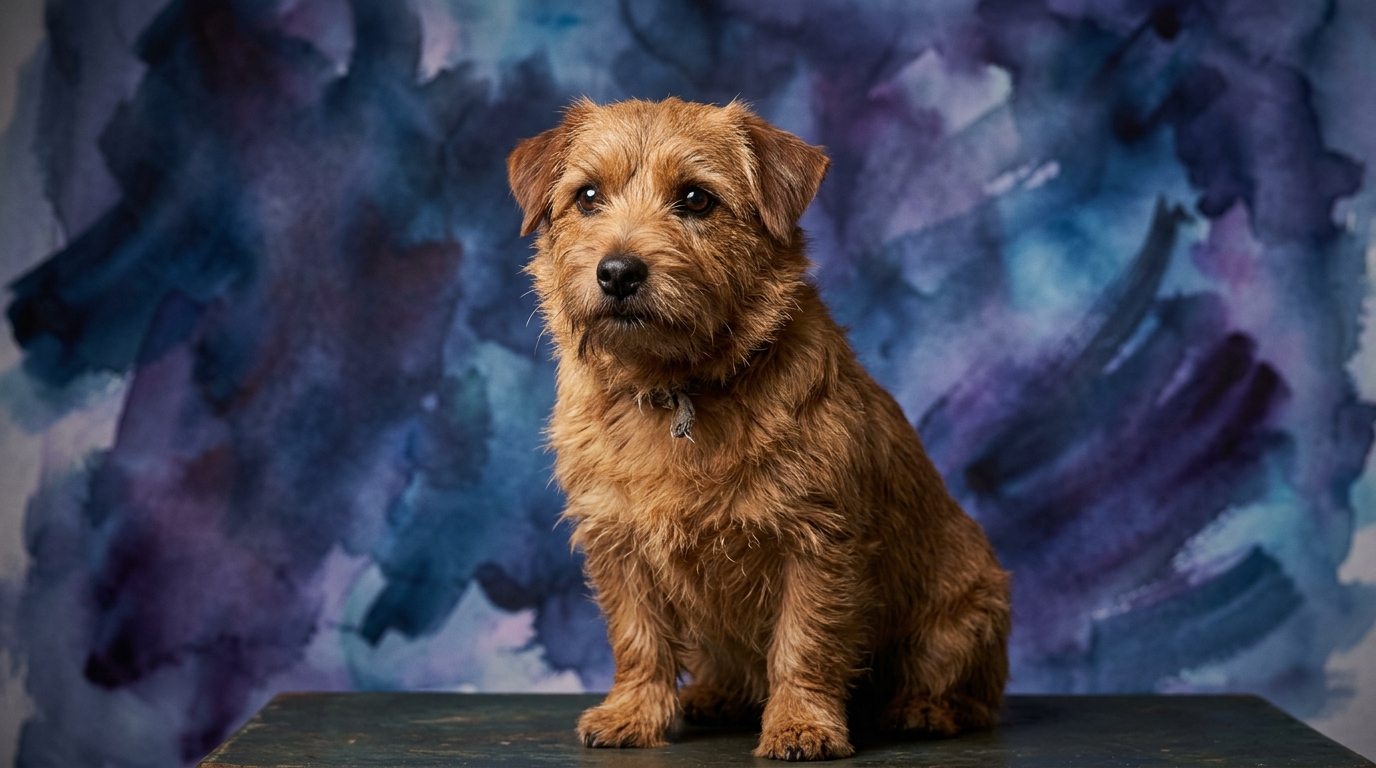
Side-by-Side IQ Profile: Cavalier King Charles Spaniel vs. Norfolk Terrier
The Cavalier King Charles Spaniel, ranked #44 by Coren, displays a balanced cognitive profile, notably excelling in social intelligence (5/5). They possess a profound ability to interpret human emotions and cues, fostering deep, intuitive bonds and often anticipating their owner's needs. Their problem-solving (3/5) and training speed (3/5) are moderate, meaning they can learn new tasks with consistent, gentle reinforcement, often motivated by their desire to please. Their instinctive drive (3/5) is mild, typically manifesting as a gentle interest in scents rather than intense prey pursuit, while their memory (3/5) is solid for routines and commands.
The Norfolk Terrier, though not Coren-ranked, shares several cognitive scores with the Cavalier: problem-solving (3/5), training speed (3/5), instinctive drive (3/5), and memory (3/5). However, their social intelligence stands at 3/5, indicating a friendly but more direct engagement with people and less nuance in reading subtle emotional shifts. Their problem-solving is often fueled by a terrier's characteristic tenacity and curiosity, applied to practical, environmental challenges. The 3/5 instinctive drive manifests as a keen interest in digging, chasing, and exploring, requiring appropriate outlets for their robust, independent spirit.
Where the Cavalier King Charles Spaniel Wins Cognitively
The Cavalier King Charles Spaniel’s most significant cognitive advantage lies in its exceptional social intelligence, rated a perfect 5/5. This elevated capacity allows them to forge remarkably deep and intuitive connections with their human families. Cavaliers are masters at reading subtle emotional cues, often sensing a shift in mood or anticipating a need before it's explicitly communicated. This means they are incredibly responsive to their owners' feelings, frequently offering comfort during distress or mirroring a joyful demeanor. Their profound empathy helps them integrate seamlessly into the emotional fabric of a household, making them extraordinarily attuned companions who seem to understand without words, fostering a unique sense of mutual connection. This superior ability to interpret and respond to human social signals is a hallmark of their cognitive profile.
Where the Norfolk Terrier Wins Cognitively
While sharing a 3/5 rating in both problem-solving and instinctive drive, the Norfolk Terrier's expression of these cognitive strengths provides a distinct advantage in specific contexts. Norfolks apply their problem-solving skills with a tenacious, independent spirit, characteristic of their terrier lineage. They are often more persistent in figuring out how to achieve a desired outcome, such as navigating a complex path to a specific toy or outsmarting a minor barrier, driven by an inherent curiosity and determination. Their instinctive drive, though similarly rated, manifests as a more active and exploratory engagement with their environment, including a keen interest in scent tracking and a robust desire to investigate. This makes them particularly adept at activities requiring independent thought and physical exploration, showcasing a practical, hands-on intelligence that thrives on seeking out and overcoming environmental challenges, a stark contrast to the Cavalier's human-centric focus.
Which is Easier to Train and Why
Both the Cavalier King Charles Spaniel and the Norfolk Terrier are rated 3/5 for training speed, indicating an average learning pace. However, the *ease* of training can differ significantly due to their unique cognitive profiles. The Cavalier, with its exceptional social intelligence (5/5) and strong desire to please, is often perceived as more straightforward to train in general obedience and manners. They are highly motivated by praise, affection, and maintaining harmony with their human companions, making them very receptive to positive reinforcement and gentle correction. Their sensitivity to human feedback and an inherent drive to connect means they quickly pick up on what is expected and are eager to comply, making training feel more like a cooperative endeavor.
In contrast, the Norfolk Terrier, while equally capable of learning, presents a different training dynamic. Their more independent spirit, coupled with a stronger innate drive for exploration and a slightly lower social intelligence (3/5), means they can be more challenging to keep focused. Training a Norfolk requires engaging their curiosity and tenacity, often through varied, fun, and stimulating sessions. They may test boundaries or become bored with repetitive drills, necessitating creative approaches that channel their natural terrier instincts into desired behaviors. While both breeds require consistency, the Cavalier's intrinsic motivation for social connection often makes training feel more intuitive and less demanding in terms of maintaining engagement, whereas the Norfolk benefits from a more dynamic, terrier-savvy, and often game-based approach.
Which Suits Active Owners vs. Relaxed Owners
The ideal match between owner lifestyle and breed temperament is crucial, and the cognitive profiles of these two breeds offer clear guidance. For relaxed owners seeking a devoted, emotionally intuitive companion, the Cavalier King Charles Spaniel is often an ideal choice. Their moderate instinctive drive (3/5) ensures they enjoy regular, gentle walks but do not demand intense physical exertion. Critically, their profound social intelligence (5/5) means they thrive on close proximity and being an integral, comforting presence in the home, perfectly content with ample cuddle time and quiet companionship. They adapt beautifully to a calmer pace of life, offering unwavering affection and a soothing presence.
Conversely, owners with a more active lifestyle who appreciate a spirited, independent companion will likely find the Norfolk Terrier more suitable. While their instinctive drive is also rated 3/5, it manifests as a more robust and active engagement with the world, including a keen interest in exploring, chasing, and digging. Norfolks benefit immensely from consistent mental and physical stimulation, enjoying varied walks, interactive games, and opportunities for scent work or agility. Their zest for life and adventurous spirit requires an owner who can consistently provide outlets for their curiosity and energy, making them excellent partners for hikes, garden explorations, or engaging in dog sports, thriving in an environment that encourages their natural tenacity.
The Verdict
Choose Cavalier King Charles Spaniel if you prioritize an emotionally intuitive, gentle companion who thrives on close connection and offers a calming, deeply empathetic presence within a more relaxed household.
Opt for the Norfolk Terrier if you seek an independent, spirited partner for adventures, who enjoys engaging with the world with tenacity and benefits from consistent mental and physical challenges in an active, stimulating environment.
🧠 Find Your Pet's IQ Score
Our Pet IQ Lab assessment covers 25+ tests across 5 cognitive dimensions — personalized to your breed.
Take the Full IQ Test →Frequently Asked Questions
Are Cavalier King Charles Spaniels good with children?
Yes, Cavalier King Charles Spaniels, with their high social intelligence (5/5) and gentle nature, are generally excellent with children. They are patient, affectionate, and enjoy being part of family activities, making them wonderful companions for respectful kids who understand how to interact gently.
Do Norfolk Terriers bark a lot?
Norfolk Terriers, like many terriers, can be vocal due to their alert nature and instinctive drive (3/5) to announce perceived novelties or express excitement. While they may bark at visitors or passing stimuli, consistent training and appropriate mental and physical stimulation can effectively manage excessive barking behaviors.
What kind of mental stimulation do these breeds need?
Cavaliers benefit from puzzle toys, gentle training sessions focused on bonding, and interactive games that reinforce their connection with humans. Norfolks thrive on scent work, varied outdoor explorations, and training that engages their problem-solving and instinctive drive, such as learning new tricks, agility, or engaging in supervised digging opportunities.