
Side-by-Side Cognitive Profiles: A Pet IQ Lab Breakdown
The Cosmic Pet Pet IQ Lab employs a five-dimensional framework to assess canine intelligence, offering a nuanced view beyond simple rankings. For the Cavalier King Charles Spaniel, a breed globally cherished for its companionship, we observe a Problem Solving score of 3/5, indicating a moderate ability to navigate novel situations or puzzles. Their Training Speed also sits at 3/5, suggesting a reasonable pace of learning new commands, often propelled by a desire for connection. A standout feature for the Cavalier is their exceptional Social Intelligence at 5/5, reflecting a profound attunement to human emotions and social cues. Instinctive Drive is moderate at 3/5, largely tempered by generations of companion breeding, and their Memory is rated 3/5, sufficient for routines and basic commands.
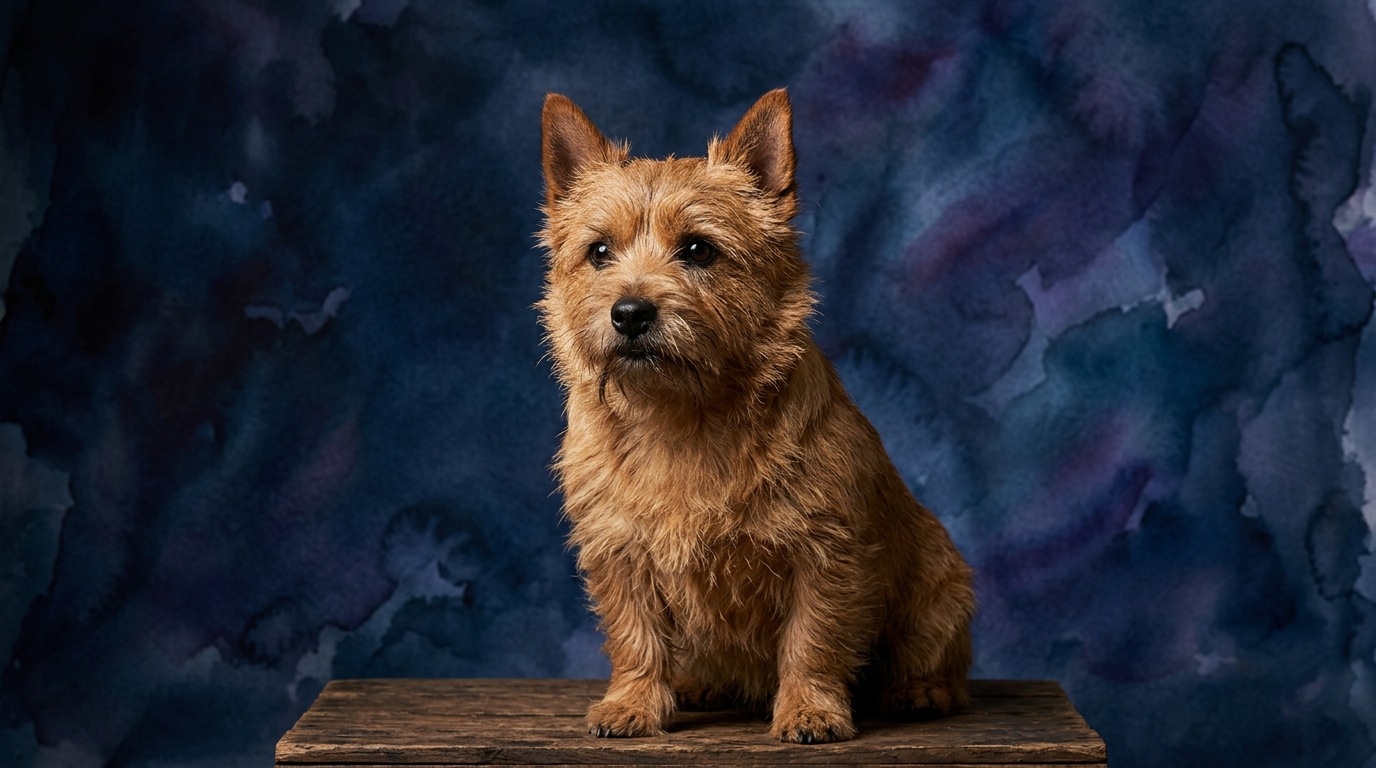
In contrast, the Norwich Terrier, a compact dynamo from the Terrier group, presents a different cognitive texture. Their Problem Solving ability is also 3/5, but this often manifests as a tenacious, practical approach to overcoming obstacles, particularly those related to their terrier instincts. Training Speed matches the Cavalier at 3/5, yet their independent spirit means this learning pace can be influenced by their motivation. Social Intelligence for the Norwich is rated 3/5, indicating a good connection with their immediate family but less universal social adaptability than the Cavalier. Their Instinctive Drive, also 3/5, is characterized by a strong prey drive, digging tendencies, and alertness, reflecting their working heritage. Finally, their Memory aligns at 3/5, retaining learned behaviors and experiences effectively.
Where the Cavalier King Charles Spaniel Shines Cognitively
The Cavalier King Charles Spaniel's cognitive brilliance truly emerges in their unparalleled Social Intelligence, scoring a perfect 5/5. This isn't merely about being friendly; it signifies a deep, intuitive understanding of human emotional states and intentions. A Cavalier can often sense an owner's mood, offering comfort during distress or mirroring joy during happiness, making them profoundly empathetic companions. This acute social awareness allows them to seamlessly integrate into family dynamics, anticipate needs, and respond to subtle cues that other breeds might miss.
This exceptional social cognition also plays a vital role in their general temperament and adaptability. While their problem-solving and training speed are moderate, their desire to connect and please often compensates, making them eager participants in family life. They excel in environments where emotional support and gentle companionship are valued, demonstrating a sophisticated ability to form strong, reciprocal bonds based on mutual understanding rather than just learned behaviors. Their cognitive strength lies in their heart-centered approach to interaction, making them exceptional emotional anchors for their human families.
Where the Norwich Terrier Excels Cognitively
The Norwich Terrier's cognitive strengths, while numerically similar in some areas, manifest through a distinctly terrier lens. Their Problem Solving at 3/5, coupled with their Instinctive Drive at 3/5, means they approach challenges with a determined, practical mindset. This isn't about solving complex abstract puzzles, but rather about effective, persistent navigation of their environment – whether it's figuring out how to get to a perceived 'prey' or overcoming a physical barrier. Their tenacity is a cognitive asset, reflecting a persistent mental drive to achieve their goals.
Furthermore, the Norwich's moderate Social Intelligence (3/5) allows for strong bonds within their chosen human family, but their independence is also a cognitive characteristic. They are self-reliant thinkers, less prone to constant people-pleasing and more driven by their own internal motivations. This self-direction, while sometimes posing a training challenge, also means they are less prone to separation anxiety and can be content with appropriate mental and physical stimulation, showcasing a robust, self-sufficient cognitive framework that serves their lively and adventurous spirit.
Training Dynamics: Cavalier King Charles Spaniel vs. Norwich Terrier
When it comes to ease of training, the Cavalier King Charles Spaniel generally offers a more straightforward experience, despite both breeds sharing a 3/5 Training Speed score. The Cavalier's exceptionally high Social Intelligence (5/5) is the key differentiator here. Their inherent desire to please their human companions and their sensitivity to emotional cues mean they are often highly motivated by positive reinforcement and praise, viewing training as a cooperative and bonding activity. They thrive on connection, making them eager to engage and respond to gentle guidance. Their generally lower instinctive drive also means fewer deeply ingrained behaviors to redirect, simplifying the learning process.
The Norwich Terrier, while equally capable of learning at a 3/5 Training Speed, presents a different set of training considerations. Their strong-willed, independent terrier nature and moderate, yet focused, Instinctive Drive (3/5) mean they can be more challenging to motivate consistently. They might question the 'why' behind a command, or simply prioritize an interesting scent or perceived prey over complying with a recall. Training a Norwich requires immense consistency, patience, high-value rewards, and a keen understanding of their terrier motivations. Their problem-solving abilities might even be used to cleverly circumvent rules if not properly managed, requiring a firm yet fair approach.
Matching Canine Cognition to Lifestyle: Active vs. Relaxed Owners
For owners seeking a relaxed, emotionally attuned companion, the Cavalier King Charles Spaniel is an exemplary choice. Their high Social Intelligence makes them masters of companionship, perfectly content with quiet evenings, gentle walks, and being the center of their family's affection. Their moderate Instinctive Drive and Problem Solving scores mean they are typically less demanding in terms of intense physical or mental exertion, preferring comfort and closeness. They are ideal for individuals or families who appreciate a dog that is deeply connected to their emotional landscape and thrives on a calm, predictable home environment, often content with shorter, leisurely strolls and ample lap time.
Conversely, the Norwich Terrier is better suited for active owners who appreciate a spirited, tenacious companion. While compact, their terrier heritage imbues them with considerable energy and a need for mental engagement. Their moderate Instinctive Drive, particularly their prey drive and inclination to dig, means they benefit greatly from structured activities like earthdog trials, agility, or extensive walks where they can explore and sniff. Owners who enjoy outdoor adventures, consistent training challenges, and can provide ample opportunities for their Norwich to expend energy and satisfy their curious minds will find a joyful and robust partner. They need an owner who can channel their spirited independence into constructive outlets, rather than expecting a docile lap dog.
The Verdict
Choose a Cavalier King Charles Spaniel if you seek a deeply empathetic, emotionally attuned companion who thrives on close human connection and a calmer household, offering unwavering loyalty and comfort.
Opt for a Norwich Terrier if you desire a spirited, independent companion who enjoys outdoor adventures, mental challenges, and an owner who appreciates terrier tenacity and a lively, engaging presence.
🧠 Find Your Pet's IQ Score
Our Pet IQ Lab assessment covers 25+ tests across 5 cognitive dimensions — personalized to your breed.
Take the Full IQ Test →Frequently Asked Questions
Are Cavalier King Charles Spaniels good with children?
Yes, Cavaliers are generally very gentle and patient, making them excellent companions for children. Their high social intelligence helps them navigate interactions with youngsters gracefully, often forming strong, nurturing bonds.
Do Norwich Terriers bark a lot?
Norwich Terriers can be vocal due to their terrier nature and alertness. They often bark to alert their owners to new sounds or visitors, but with consistent training, their barking can be managed effectively.
What kind of mental stimulation do these breeds need?
Cavaliers benefit from puzzle toys and interactive games that foster connection, while Norwich Terriers thrive on activities that engage their prey drive and problem-solving skills, like scent work, digging boxes, or agility training.