Side-by-Side IQ Profile
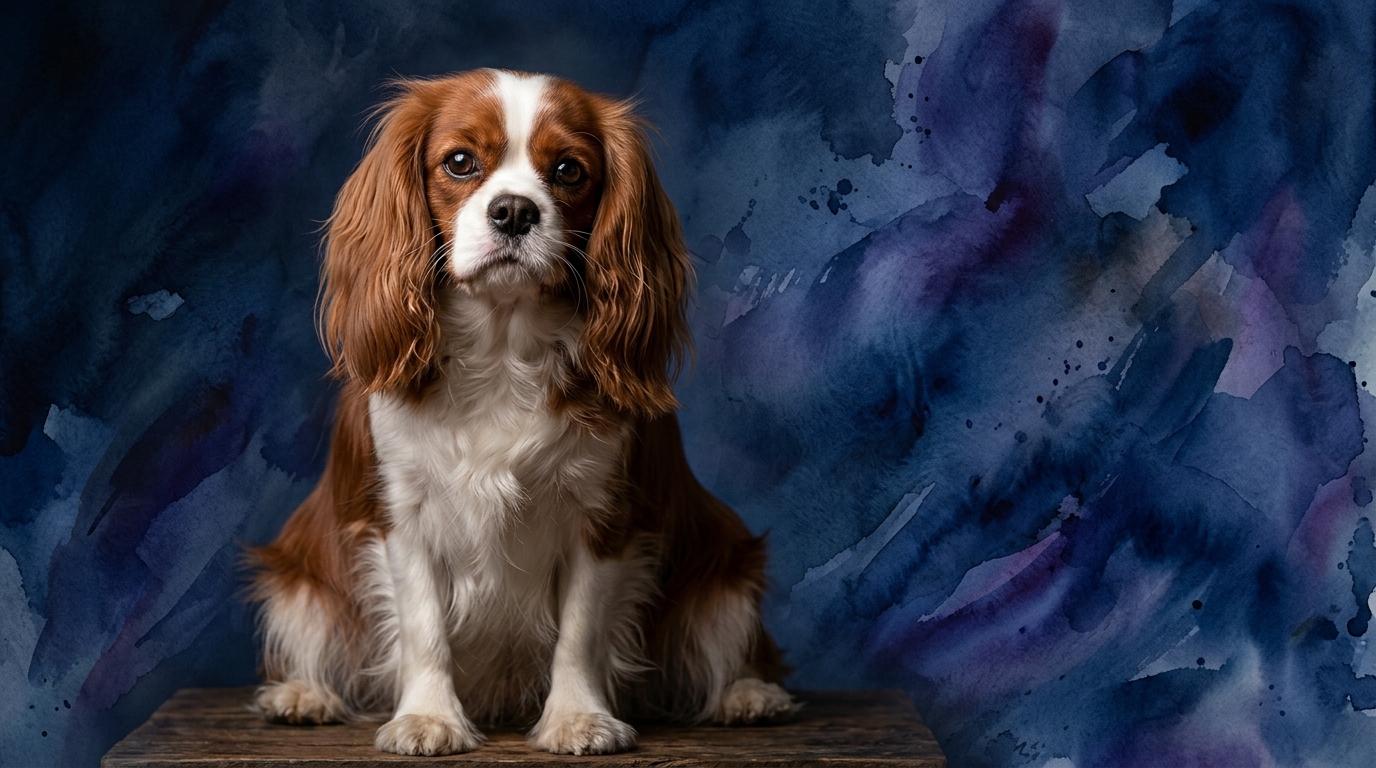
The Cosmic Pet Pet IQ Lab offers a nuanced perspective on canine cognition, examining five core dimensions. For the Cavalier King Charles Spaniel (CKCS), ranked #44 by Coren, its profile shows a Problem Solving score of 3/5, indicating a moderate capacity for independent thought; they often look to their humans for guidance. Their Training Speed, also 3/5, suggests they learn new commands with consistent effort and positive reinforcement. A standout is their Social Intelligence at 5/5, reflecting an exceptional ability to read human emotions, anticipate needs, and form deep, empathetic bonds. Instinctive Drive sits at 3/5, manifesting as a gentle companion focus. Finally, their Memory at 3/5 means they retain familiar routines reliably but might require more repetition for complex sequences.
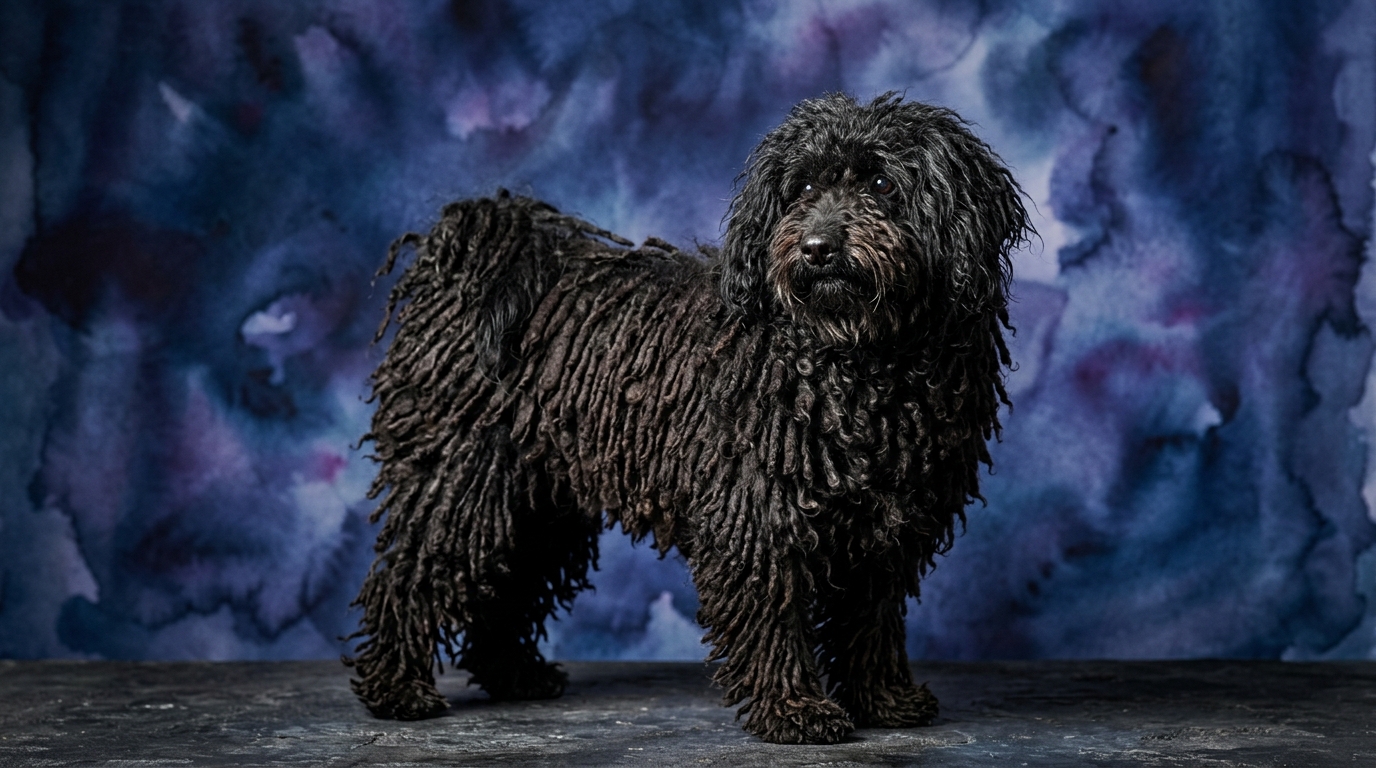
In contrast, the Puli, a Herding breed ranked #25 by Coren, presents a different cognitive landscape. Their Problem Solving score of 4/5 highlights a resourceful and independent mind, capable of strategizing and finding solutions, a trait honed by their working heritage. A Training Speed of 4/5 indicates a quicker grasp of new concepts and commands, often enjoying the mental engagement of learning. Their Social Intelligence is 3/5; while observant and loyal, they tend to be more reserved and less overtly emotionally expressive than a CKCS. Their Instinctive Drive, like the CKCS, is 3/5, but for a Puli, this manifests as strong territorial awareness and a desire to manage family members. Their Memory, at 4/5, suggests a strong capacity to recall past experiences, commands, and intricate routes, contributing to their effectiveness in complex tasks.
Where Cavalier King Charles Spaniel Wins Cognitively
The Cavalier King Charles Spaniel undeniably shines in Social Intelligence, boasting a perfect 5/5 score. This isn't just friendliness; it's a sophisticated cognitive ability to interpret human cues, emotional states, and subtle body language. A CKCS often anticipates an owner's mood, offering comfort or seeking interaction precisely when needed, fostering an extraordinary empathic connection. This deep understanding allows them to integrate seamlessly into family life, becoming a true emotional anchor. Their cognitive strength lies in their profound capacity for companionship, making them highly responsive to human desires for affection and closeness. They excel in situations where emotional support and nuanced social interaction are paramount, demonstrating an innate talent for fostering harmony within their human pack and learning through connection and praise.
Where Puli Wins Cognitively
The Puli's cognitive strengths are rooted in their working heritage, particularly evident in their Problem Solving (4/5), Training Speed (4/5), and Memory (4/5). Their elevated Problem Solving score signifies an independent and analytical mind; a Puli confronted with an obstacle is more likely to devise a solution autonomously rather than waiting for human intervention. This resourcefulness makes them adept at navigating complex environments and figuring out how things work. Coupled with a swift Training Speed, Pulis absorb new commands and multi-step sequences with remarkable efficiency, often requiring fewer repetitions than many other breeds. They genuinely enjoy the mental challenge of learning, making them excellent candidates for advanced obedience or dog sports. Furthermore, their superior Memory allows them to retain a vast repertoire of learned behaviors and spatial information, making previous training enduring and new lessons build quickly on prior knowledge. These combined attributes make the Puli exceptionally capable of complex tasks and demonstrate a robust, practical intellect.
Which is Easier to Train and Why
Determining “easier” depends on owner goals and training style, but the Puli generally exhibits quicker uptake of new commands due to their 4/5 Training Speed. Their herding background instills a readiness to work and respond to clear directives, often perceiving training as an engaging mental exercise. Pulis thrive on variety and challenge, making them responsive to problem-solving and sequential learning. They learn quickly and retain information well, making progress feel swift. However, their independent problem-solving can sometimes translate into stubbornness if they believe their solution is superior, requiring a consistent and confident owner.
The Cavalier King Charles Spaniel, with a 3/5 Training Speed, requires a more patient, relationship-based approach. While they possess an overwhelming desire to please, driven by their 5/5 Social Intelligence, their processing speed for new tasks is moderate. Training a CKCS is most effective when framed as a positive bonding experience, utilizing praise, affection, and gentle encouragement rather than strict drills. They might not grasp complex commands as quickly as a Puli, but their eagerness to connect makes them highly motivated by positive social reinforcement. Distractions, especially social ones, can impact their focus, necessitating a calm environment and shorter, more frequent sessions. For the CKCS, success is less about raw speed and more about building a trusting, communicative partnership.
Which Suits Active Owners vs Relaxed Owners
The Puli is an excellent match for active owners who relish mental engagement and physical activity with their canine companion. Their higher Problem Solving, Training Speed, and Memory scores, combined with their herding instincts, mean they thrive when given a “job” to do. Owners who can commit to consistent, stimulating training sessions, participate in dog sports like agility, herding trials, or advanced obedience, and provide ample opportunities for exploration and problem-solving will find the Puli to be an incredibly rewarding partner. Their cognitive energy needs a constructive outlet, preventing boredom and potential mischief.
Conversely, the Cavalier King Charles Spaniel is ideally suited for more relaxed owners who prioritize companionship and emotional connection over intense activity. Their exceptional Social Intelligence means they are content to be a loving presence, enjoying gentle walks, snuggle sessions, and simply being involved in the daily rhythms of family life. While they appreciate routine and a bit of play, their cognitive needs are predominantly met through social interaction, affection, and consistent, calm routines. They do not require complex intellectual challenges to be fulfilled, instead flourishing in an environment where their empathetic nature and desire for closeness are cherished.
The Verdict
If you seek a deeply empathetic, socially attuned companion who thrives on connection and offers emotional comfort, and you appreciate a moderate-paced learning journey rooted in positive reinforcement, the Cavalier King Charles Spaniel is your ideal choice.
However, if you desire a cognitively agile, quick-learning partner who enjoys complex challenges, excels in structured training, and thrives with an active lifestyle and consistent mental stimulation, then the Puli will prove to be an exceptionally engaging companion.
🧠 Find Your Pet's IQ Score
Our Pet IQ Lab assessment covers 25+ tests across 5 cognitive dimensions — personalized to your breed.
Take the Full IQ Test →Frequently Asked Questions
Are Cavaliers difficult to train?
Cavaliers aren't "difficult" but learn at a moderate pace (3/5 Training Speed). Their high social intelligence means they respond best to positive reinforcement, patience, and making training a fun, bonding experience. They thrive on clear, consistent cues and praise.
Do Pulis need a lot of mental stimulation?
Yes, Pulis benefit significantly from mental stimulation due to their 4/5 Problem Solving and Memory scores, along with their herding background. They enjoy learning new tricks, puzzle toys, and participating in dog sports to keep their active minds engaged and prevent boredom.
How do their Coren ranks compare to their IQ scores?
Coren ranks (CKCS #44, Puli #25) broadly indicate working and obedience intelligence, while our IQ scores provide a granular look at specific cognitive dimensions. The Puli's higher Coren rank aligns with its stronger problem-solving and training speed, whereas the Cavalier's rank reflects its moderate obedience aptitude, balanced by its exceptional social intelligence which Coren doesn't directly measure.