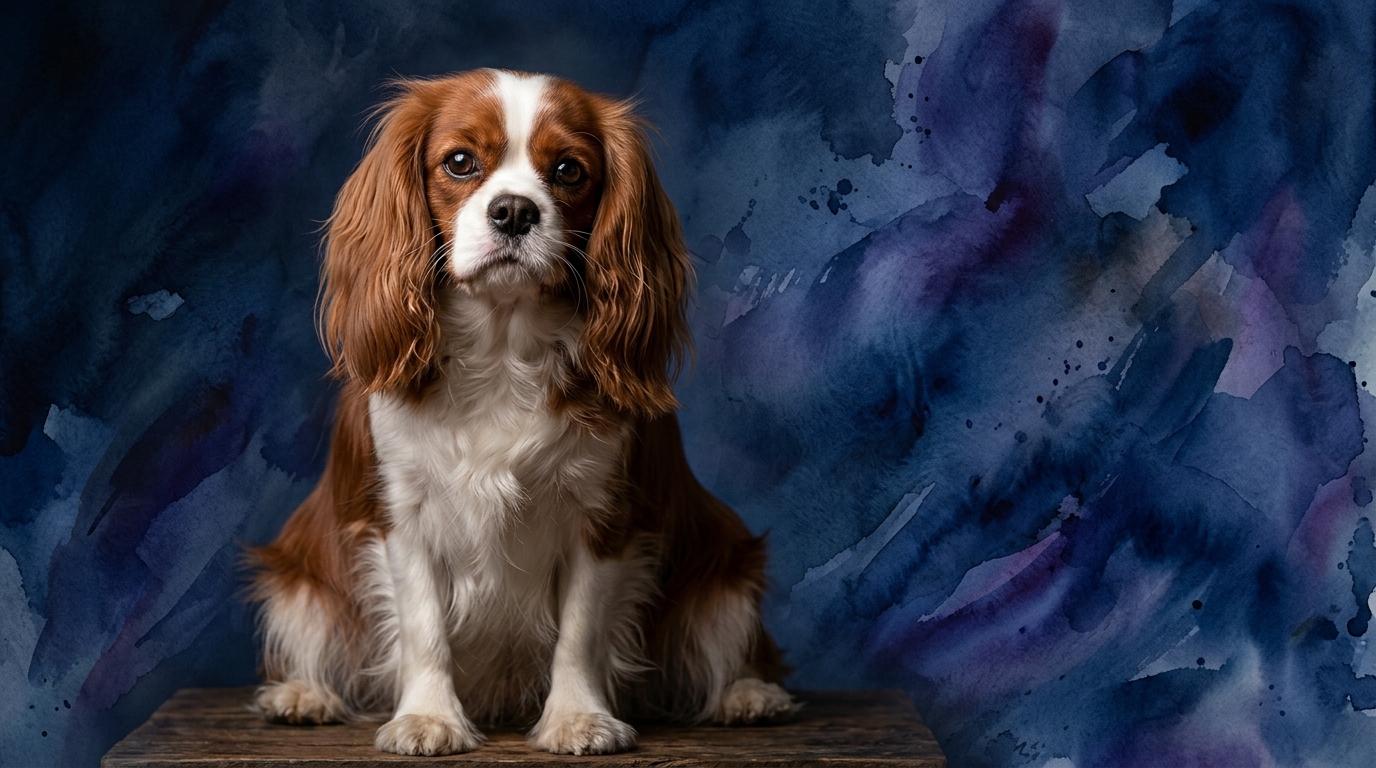
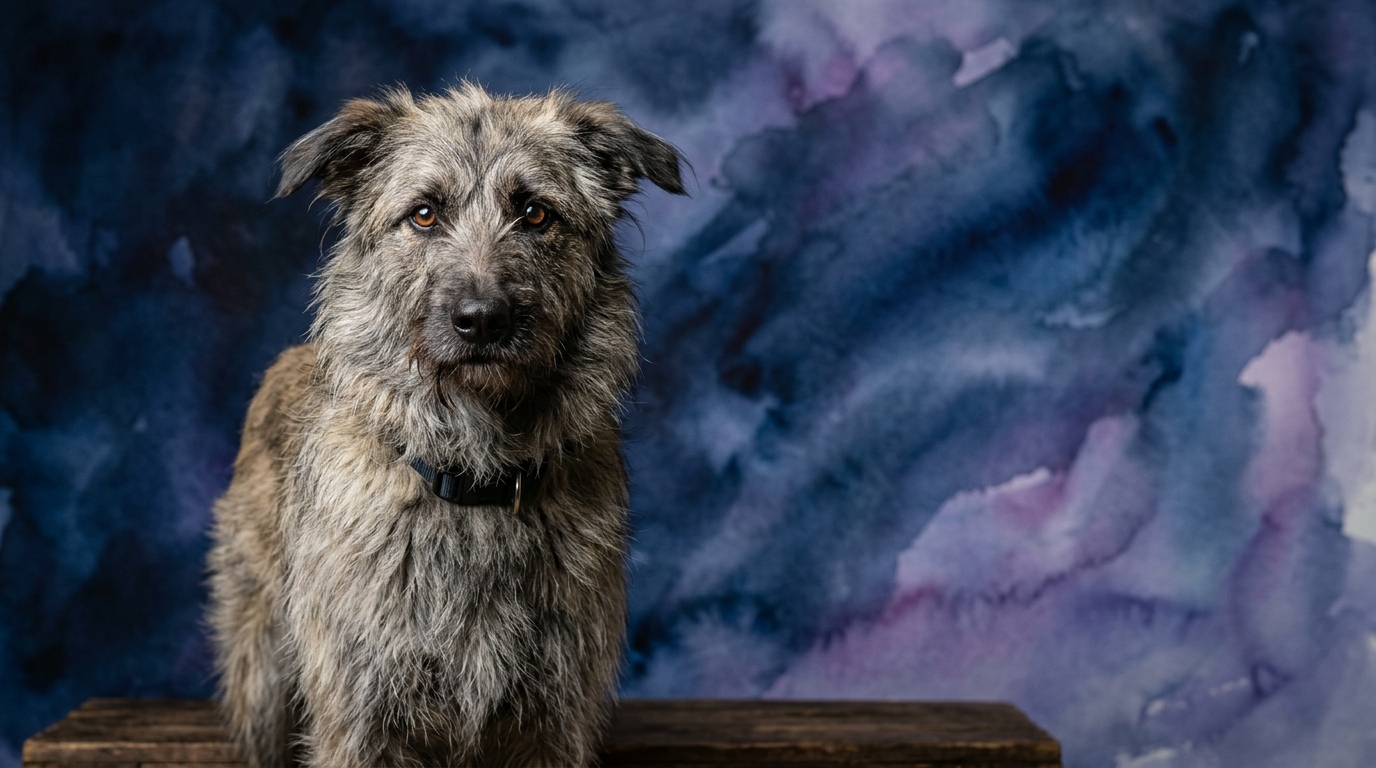
Side-by-Side IQ Profile: Cavalier King Charles Spaniel vs. Pyrenean Shepherd
The Cosmic Pet Pet IQ Lab employs five core dimensions to map a breed's cognitive make-up: Problem Solving, Training Speed, Social Intelligence, Instinctive Drive, and Memory. For the Cavalier King Charles Spaniel, categorized as a Toy breed, its profile is particularly compelling for a companion animal. Its Problem Solving ability scores 3/5, indicating a moderate capacity to navigate novel challenges and figure out solutions independently. Training Speed also registers at 3/5, suggesting it learns new commands and routines at a steady, average pace. Where the Cavalier truly shines is in Social Intelligence, earning a perfect 5/5; this reflects an exceptional ability to read human emotions, understand social cues, and integrate seamlessly into family dynamics. Its Instinctive Drive is a moderate 3/5, meaning it possesses some natural inclinations but is not overwhelmingly driven by specific archaic tasks. Memory, like Problem Solving and Training Speed, sits at 3/5, allowing it to retain learned information and experiences adequately over time. The Cavalier King Charles Spaniel also holds a respectable Coren ranking of #44, placing it firmly within the average working/obedience intelligence category.
In contrast, the Pyrenean Shepherd, a Herding breed, presents a different cognitive blueprint, reflecting its heritage as an agile and alert livestock guardian and drover. While not Coren-ranked, its IQ profile offers insights into its functional intelligence. Its Problem Solving ability also scores 3/5, similar to the Cavalier, but this capacity is often expressed in a more independent, task-oriented manner, such as figuring out how to manage livestock. Training Speed is also 3/5, suggesting a similar learning pace, though the motivation and methods required might differ due to its independent nature. Social Intelligence for the Pyrenean Shepherd is 3/5, indicating a competent ability to interact and understand its human companions, but perhaps with less overt emotional mirroring or dependency compared to the Cavalier. Its Instinctive Drive is also 3/5, which for a herding breed, translates to a strong, inherent inclination towards guarding, gathering, and controlling movement, albeit not as intensely as some other herding breeds. Memory, like the other dimensions, is 3/5, allowing it to recall learned behaviors and environmental details crucial for its working roles. This profile paints a picture of a capable, balanced working dog whose intelligence is geared towards practical application.
Where the Cavalier King Charles Spaniel Wins Cognitively
The Cavalier King Charles Spaniel's undeniable cognitive strength lies in its profound Social Intelligence, scoring a rare 5/5. This dimension is where it truly outshines the Pyrenean Shepherd's 3/5. A Cavalier possesses an almost uncanny ability to attune itself to human emotions and intentions, making it an extraordinarily empathetic and responsive companion. This isn't just about being friendly; it's about a sophisticated understanding of subtle human cues, facial expressions, and vocal tones. For instance, a Cavalier is more likely to instinctively offer comfort during moments of distress or adjust its behavior to match the mood of the household, demonstrating a nuanced social awareness. This high social acumen allows them to form deep, reciprocal bonds, making them exceptional at providing emotional support and companionship. Their moderate Coren ranking, while not top-tier, still signifies a solid foundation for learning and adaptability within a domestic setting, reinforcing their capacity to integrate smoothly into a human-centric life.
Furthermore, the Cavalier's moderate Instinctive Drive (3/5) means it is less predisposed to independent, task-specific behaviors that might conflict with companion roles. While a Pyrenean Shepherd's drives are geared towards herding, a Cavalier's instincts are more generalized, allowing its high social intelligence to take precedence. This translates to fewer inherent urges to chase, herd, or guard, making them naturally more inclined to be agreeable household members who prioritize proximity and interaction with their people. This cognitive profile makes the Cavalier particularly adept at navigating the complex social landscape of a human home, understanding boundaries, and seeking appropriate forms of attention and interaction.
Where the Pyrenean Shepherd Wins Cognitively
The Pyrenean Shepherd's cognitive strengths, though perhaps less overtly charming than the Cavalier's, are rooted in resilience and functional independence, particularly within its working context. While both breeds score 3/5 in Problem Solving, the Pyrenean Shepherd’s application of this skill is often more robust in novel or challenging environments that require self-reliance. This breed was developed to work semi-independently in mountainous terrain, making quick decisions regarding livestock movement or potential threats without constant human direction. For example, a Pyrenean Shepherd might more readily devise a new route around an obstacle during a walk or figure out how to access a desired object through persistence and trial-and-error, driven by its practical orientation.
Its moderate Instinctive Drive (3/5), while numerically similar to the Cavalier, manifests as a strong, purposeful herding instinct. This drive, combined with its Problem Solving and Memory, allows it to excel in tasks that require sustained focus, agility, and the ability to anticipate movement. This isn't just about chasing; it's about strategic thinking, reading the behavior of a flock, and using its body language to direct them. While a Cavalier thrives on social interaction, a Pyrenean Shepherd derives satisfaction from engaging its innate drives, often finding mental fulfillment through activities that mimic its ancestral work, such as agility, herding trials, or complex scent work. This breed’s cognitive architecture is designed for a dynamic, often unpredictable environment where quick, independent thinking and physical prowess are paramount, distinguishing its practical intelligence from the Cavalier's social acumen.
Which is Easier to Train and Why?
When considering ease of training, the Cavalier King Charles Spaniel generally presents a more straightforward experience for the average owner, primarily due to its exceptional Social Intelligence (5/5). This profound ability to understand and respond to human cues means a Cavalier is often highly motivated by pleasing its owner and maintaining social harmony. They are typically eager to engage in training sessions, responding well to positive reinforcement and praise. Their moderate Training Speed (3/5) means they learn at a steady pace, but their willingness to cooperate and their desire for connection often make the process feel less challenging. For instance, a Cavalier is likely to quickly grasp the concept of 'come' not just as a command, but as an invitation for interaction, making recall more reliable in many situations. Their relatively lower Instinctive Drive (3/5, compared to some higher-drive breeds) also means fewer competing urges that might distract them from focusing on human instruction.
The Pyrenean Shepherd, while also scoring 3/5 in Training Speed, often requires a more experienced and patient handler. Its moderate Social Intelligence (3/5) means it is capable of forming strong bonds and learning, but its independent nature, stemming from its working heritage, often means it questions commands or seeks to understand the 'why' behind an instruction. They are not inherently driven to please in the same way a Cavalier is; rather, they are motivated by purpose and fairness. Training a Pyrenean Shepherd often involves more engagement of its Problem Solving (3/5) and Instinctive Drive (3/5) in a constructive manner, using methods that tap into its intelligence rather than simply demanding obedience. For example, teaching a Pyrenean Shepherd 'stay' might require more consistency and a clear understanding of its role in a task, as it might naturally prefer to be in motion or assessing its surroundings. Their alertness and tendency towards independent decision-making can make them less immediately compliant if they perceive a command as unnecessary or illogical, requiring a handler who can build trust and provide clear, consistent leadership.
Which Suits Active Owners vs. Relaxed Owners
For relaxed owners seeking a devoted and adaptable companion, the Cavalier King Charles Spaniel is an exemplary choice. Their high Social Intelligence (5/5) means they thrive on close human interaction and are content with being an integral part of daily family life. They are generally adaptable to various living situations, from apartments to larger homes, as long as they receive consistent attention and moderate exercise, such as daily walks and playtime. Their moderate Instinctive Drive (3/5) means they are not typically prone to destructive behaviors born of boredom or an unfulfilled need to 'work.' A Cavalier is perfectly happy to curl up on the sofa for an evening, enjoying quiet companionship, making them ideal for individuals or families who prioritize comfort and connection over intense physical activity or complex training regimens. They are often seen as 'velcro dogs' due to their preference for being near their people, a direct manifestation of their cognitive predisposition for social bonding.
Conversely, the Pyrenean Shepherd is better suited for active, experienced owners who understand and can cater to the needs of a working breed. While its Instinctive Drive is rated 3/5, this translates to a persistent need for mental and physical engagement that is far beyond what a relaxed owner might typically provide. These dogs require significant daily exercise, often including vigorous activities like hiking, running, or dog sports such as agility or herding. Their Problem Solving (3/5) and Memory (3/5) are best utilized when given tasks or puzzles to solve, preventing boredom and potential behavioral issues. An owner who can provide consistent training, engage their natural herding instincts through structured activities, and offer ample opportunities for exploration will find a Pyrenean Shepherd to be a rewarding, intelligent, and loyal partner. They thrive with owners who appreciate their independence and provide an outlet for their energy and sharp minds, rather than expecting a purely passive companion.
The Verdict
Choose the Cavalier King Charles Spaniel if you desire a highly empathetic, socially intelligent companion who thrives on close interaction and adapts well to a relaxed, family-oriented lifestyle. They are ideal for owners seeking a dog whose primary joy is found in shared companionship and emotional connection.
Opt for the Pyrenean Shepherd if you are an active, experienced owner prepared to provide substantial mental and physical stimulation, appreciating a dog with an independent spirit and a functional intelligence geared towards purpose and activity. They excel with those who can engage their working drives and value a resilient, dynamic partner.
🧠 Find Your Pet's IQ Score
Our Pet IQ Lab assessment covers 25+ tests across 5 cognitive dimensions — personalized to your breed.
Take the Full IQ Test →Frequently Asked Questions
Is the Cavalier King Charles Spaniel easy to live with?
Yes, the Cavalier King Charles Spaniel's high social intelligence and adaptable nature generally make them very easy to live with. They thrive on human companionship and are typically well-behaved household members, seeking to be close to their families.
Do Pyrenean Shepherds need a lot of exercise?
Pyrenean Shepherds absolutely require significant daily exercise and mental stimulation due to their working breed heritage. They are best suited for owners who can provide vigorous activities like long runs, hikes, or dog sports to satisfy their energetic and intelligent minds.
Which breed is better with children?
Both breeds can be good with children, but the Cavalier King Charles Spaniel's exceptional social intelligence often makes it naturally more patient and attuned to a child's temperament. The Pyrenean Shepherd can be good with respectful children but may require more supervision due to its herding instincts.