Side-by-Side IQ Profile: Cavalier King Charles Spaniel vs. Saluki
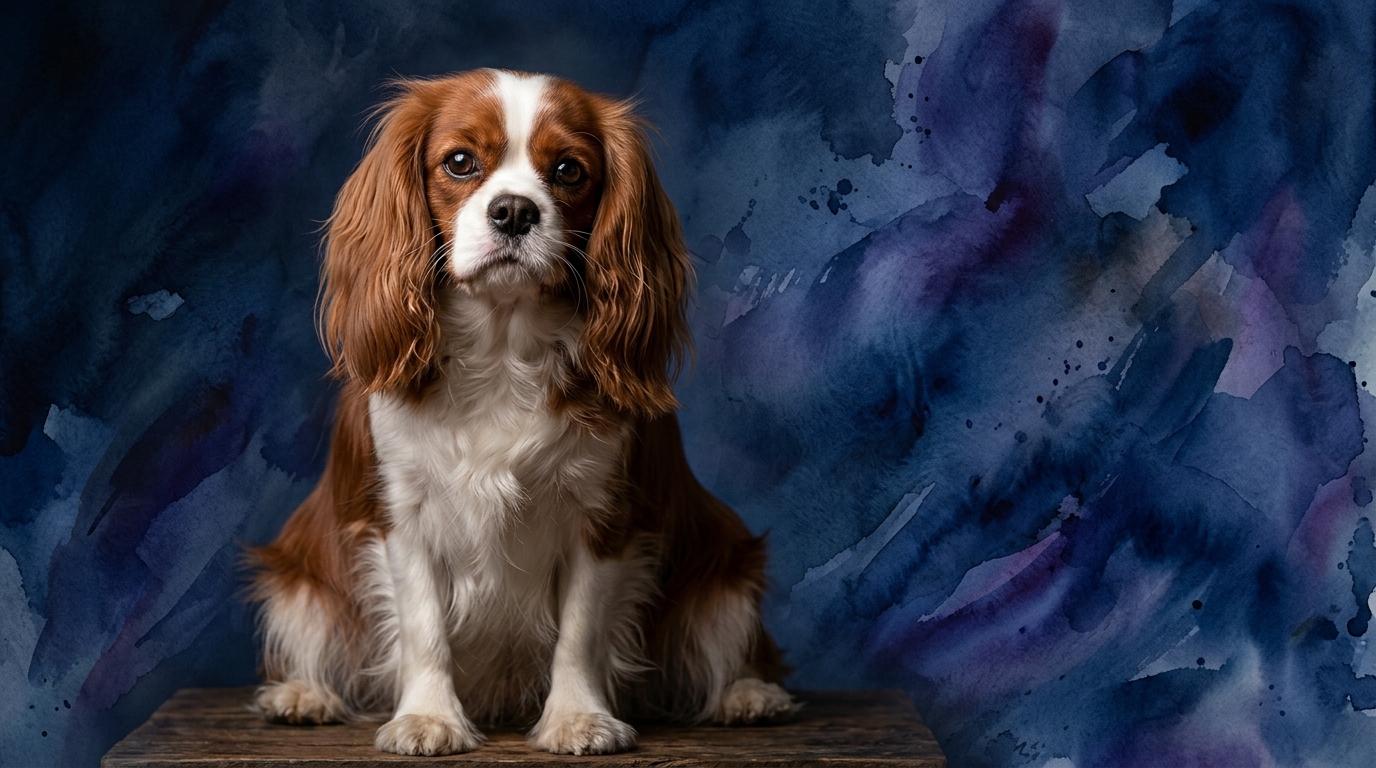
The Cosmic Pet Pet IQ Lab evaluates five distinct dimensions of canine intelligence, offering a granular view beyond general perceptions. For the Cavalier King Charles Spaniel, ranked #44 by Coren, we see a profile geared towards companionship: Problem Solving 3/5, Training Speed 3/5, Social Intelligence 5/5, Instinctive Drive 3/5, and Memory 3/5. This breed demonstrates a moderate capacity for navigating novel challenges and acquiring new commands at an average pace, but truly shines in its profound ability to connect with humans.
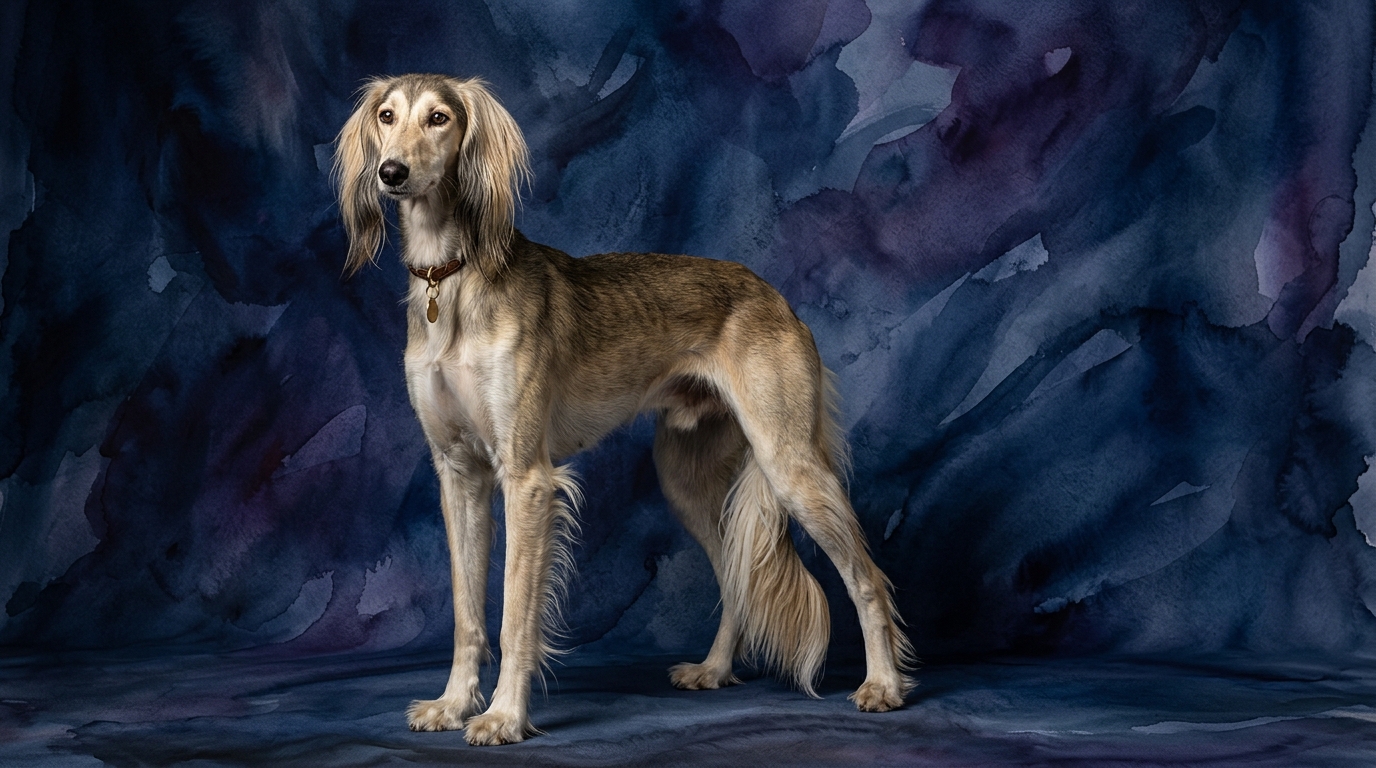
In contrast, the Saluki, a breed not ranked by Coren but with a rich history, presents a profile of independent grace: Problem Solving 3/5, Training Speed 3/5, Social Intelligence 3/5, Instinctive Drive 3/5, and Memory 3/5. While their scores for problem-solving, training speed, instinctive drive, and memory mirror the Cavalier's, their social intelligence score is notably lower. This suggests a different cognitive architecture, one less focused on overt human interaction and more on self-reliance and environmental awareness, reflecting their heritage as independent hunters.
Delving deeper into the Cavalier's profile, their 3/5 Problem Solving indicates they can master household routines and navigate typical environmental puzzles, but aren't typically driven to complex, abstract problem-solving without human prompting. Their 3/5 Training Speed means they learn commands steadily, thriving on positive reinforcement and the desire to please. The standout 5/5 Social Intelligence underscores their exceptional empathy and attunement to human emotional states, making them intuitive companions. A 3/5 Instinctive Drive manifests as a manageable curiosity for scents or movement, while their 3/5 Memory ensures they retain learned behaviors and recognize familiar faces and places reliably.
For the Saluki, their 3/5 Problem Solving manifests differently; it's less about solving human-contrived puzzles and more about strategic thinking in pursuit, such as calculating optimal chase routes or navigating varied terrains. Their 3/5 Training Speed implies they are capable learners, but their independent spirit often means they choose *when* to demonstrate their knowledge. The 3/5 Social Intelligence points to a more reserved nature; they form deep bonds with their family but are not as overtly expressive or universally people-oriented as Cavaliers. Their 3/5 Instinctive Drive is powerfully focused on sighthound prey drive, requiring careful management, and their 3/5 Memory is efficient for recalling environmental cues and learned tasks, though their independent streak can sometimes appear as selective hearing rather than true forgetfulness.
Where the Cavalier King Charles Spaniel Wins Cognitively
The Cavalier King Charles Spaniel unequivocally excels in the realm of Social Intelligence, achieving a perfect 5/5 score compared to the Saluki's 3/5. This significant difference translates into a dog that is profoundly attuned to human emotions and social dynamics. A Cavalier can often anticipate its owner's needs, offering comfort during distress or joining in celebratory moods with an almost intuitive understanding. Their high social intelligence makes them exceptionally responsive to subtle cues, whether it's a change in tone of voice, a shift in body language, or an unspoken invitation for a cuddle.
This cognitive strength fosters an unparalleled depth of companionship. Cavaliers integrate seamlessly into family life, often acting as emotional anchors, providing consistent, gentle support. Their desire for connection makes them eager participants in daily routines, and their ability to read and react to their human companions' moods creates a harmonious living environment. This profound capacity for empathy and social bonding is a defining cognitive advantage, making them exceptionally well-suited for roles as therapy dogs or simply as deeply connected family members who prioritize relational harmony above all else.
Where the Saluki Wins Cognitively
While the Saluki shares similar numerical scores in Problem Solving, Training Speed, Instinctive Drive, and Memory with the Cavalier, its cognitive strengths lie in the *application* and *nature* of these abilities, particularly within its specialized sighthound context. The Saluki's 3/5 Problem Solving is not about pleasing a human with a puzzle feeder, but about independent, strategic thinking in open spaces, such as calculating the most efficient path during a high-speed chase or navigating complex terrain autonomously. This form of problem-solving is a testament to centuries of selective breeding for self-reliance and quick decision-making in the field.
Furthermore, the Saluki's 3/5 Instinctive Drive, while numerically identical, is profoundly different in its manifestation and cognitive impact. It represents an intense, focused drive for pursuit, demanding rapid visual processing, immediate reaction times, and precise coordination. This specialized cognitive function, honed for speed and accuracy in hunting, allows Salukis to excel in activities like lure coursing, where their ability to process visual stimuli and execute complex athletic maneuvers without direct human command is paramount. This independent, purpose-driven cognition, coupled with an exceptional capacity for scanning distant horizons, marks a distinct cognitive advantage for tasks requiring autonomy and specialized sensory processing.
Which is Easier to Train and Why
Despite both breeds scoring 3/5 for Training Speed, the Cavalier King Charles Spaniel is generally considered easier to train due to its significantly higher Social Intelligence (5/5). Cavaliers possess an inherent eagerness to please their human companions and are highly motivated by praise, affection, and the desire for social connection. This strong bond and intuitive understanding of human intentions mean they are more likely to engage willingly in training sessions, respond positively to correction, and seek to understand what is being asked of them. Their moderate instinctive drive also means fewer deeply ingrained distractions that compete with their attention during training.
The Saluki, conversely, presents a more unique training challenge. While capable of learning commands at an average pace, their 3/5 Social Intelligence and independent nature mean they are less inherently driven by a desire to please. Salukis often evaluate whether a command is worth their effort or if their own independent pursuits are more compelling at the moment. Their powerful sighthound instinctive drive (also 3/5, but focused on chasing) can easily override learned commands if a moving object catches their eye. Training a Saluki requires immense patience, consistency, and a deep understanding of their independent spirit, often necessitating highly rewarding, positive reinforcement methods that make compliance more appealing than self-directed action. They learn, but they often choose when to apply that knowledge.
Which Suits Active Owners vs. Relaxed Owners
For owners seeking a relaxed, low-key companion, the Cavalier King Charles Spaniel is an ideal match. Their cognitive profile, particularly their high social intelligence and moderate instinctive drive, makes them content with moderate daily walks, indoor playtime, and ample cuddle time on the sofa. They thrive on close human interaction and are perfectly happy to spend their days as devoted lap dogs, offering emotional support and gentle companionship. Their mental stimulation often comes from social engagement and being an integral part of family activities, rather than demanding complex physical challenges.
The Saluki, while often calm indoors, is better suited for active owners who understand and can accommodate their specialized needs. Despite their elegant appearance, Salukis are sighthounds with a profound need for bursts of high-speed running to satisfy their instinctive drive. They require access to large, securely fenced areas where they can gallop freely, often several times a week. While they are not high-stamina endurance dogs, the intensity and speed of their exercise needs are significant. Owners who enjoy lure coursing, long walks in open, safe spaces, or simply have the means to provide regular, vigorous sprints will find a Saluki to be a graceful and content companion who appreciates the opportunity to express their ancestral capabilities.
The Verdict: When to Choose Each
The Verdict
Choose the Cavalier King Charles Spaniel if you desire a deeply empathetic, highly connected companion who thrives on close human interaction and emotional attunement, valuing social harmony and gentle affection above all else.
Opt for the Saluki if you appreciate an elegant, independent companion who requires opportunities for vigorous, high-speed exercise and offers a more reserved yet deeply loyal bond, valuing autonomy and specialized instinctive expression.
🧠 Find Your Pet's IQ Score
Our Pet IQ Lab assessment covers 25+ tests across 5 cognitive dimensions — personalized to your breed.
Take the Full IQ Test →Frequently Asked Questions
Are Salukis difficult to train?
Salukis can present a unique training challenge due to their independent nature and strong sighthound prey drive. While they are capable of learning commands, they often require consistent, patient, and highly motivating methods, as they may prioritize their own judgment or instincts over immediate compliance.
What is the main cognitive difference between these two breeds?
The most significant cognitive difference lies in social intelligence; Cavaliers possess a 5/5 score, making them exceptionally attuned to human emotions and social cues, whereas Salukis score 3/5, indicating a more reserved and independent social approach. This disparity impacts their trainability and daily interaction styles.
Which breed is better for first-time dog owners?
For first-time dog owners, the Cavalier King Charles Spaniel is generally a more suitable choice due to their high social intelligence and eagerness to please, making them more forgiving and easier to integrate into a new owner's life. Salukis require an owner experienced with independent, sighthound characteristics and their specific exercise needs.