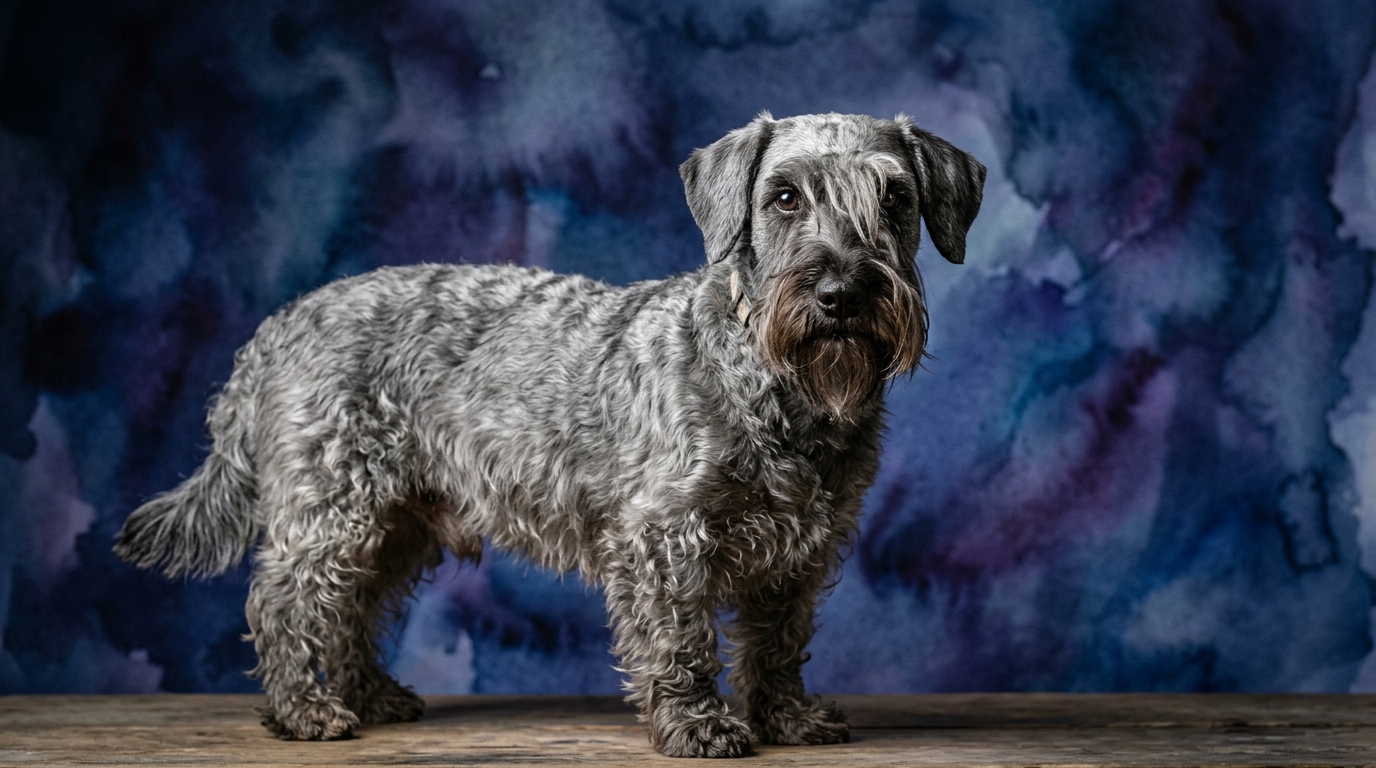
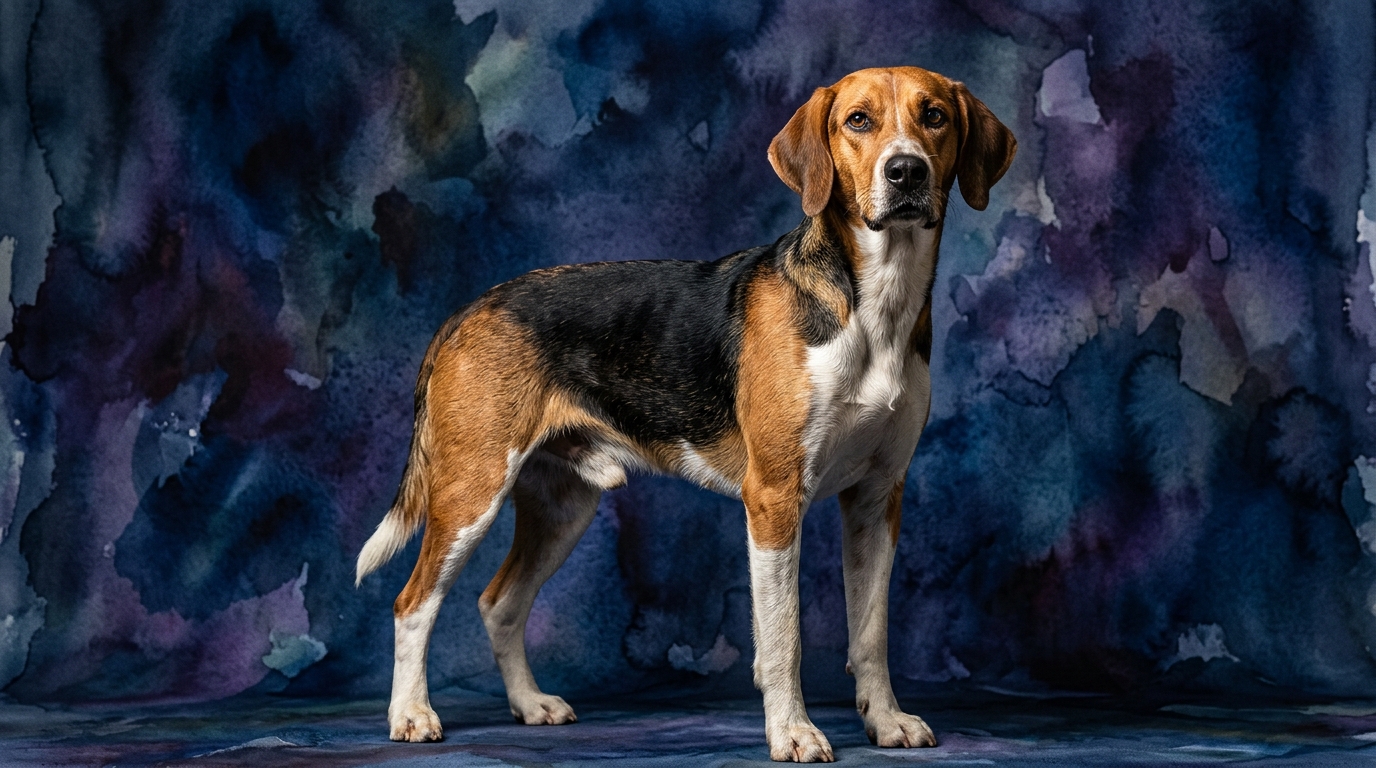
Side-by-Side IQ Profile
The Cesky Terrier, a breed developed for hunting small game, exhibits a practical, independent problem-solving approach (3/5). They are adept at figuring out how to navigate tight spaces or manipulate objects, often relying on their own cunning rather than direct instruction. Their training speed is moderate (3/5), capable of grasping commands with consistency, but their inherent terrier independence means they often evaluate whether a command aligns with their current interest, requiring patient and engaging methods. Ceskys display a solid social intelligence (3/5), forming strong bonds and being attuned to their primary caregivers, distinguishing between familiar and unfamiliar individuals. Their instinctive drive (3/5) is primarily focused on hunting and digging, manifesting as a strong urge to pursue small, moving objects and explore scents. Ceskys have a reliable memory (3/5) for learned commands, routines, and specific locations, retaining established behaviors well with consistent repetition.
The English Foxhound's problem-solving skills (3/5) are honed for endurance and tracking, involving the complex interpretation of scent trails over vast distances and varied terrain, often working cooperatively with a pack. Their training speed is also moderate (3/5), as they can pick up commands, but their strong prey drive and independent nature often mean they prioritize an interesting scent over human instruction, demanding consistent positive reinforcement. As a breed developed for pack hunting, English Foxhounds possess a well-developed social intelligence (3/5) for interacting with other dogs and understanding group dynamics, generally amiable with humans within their family “pack.” Their instinctive drive (3/5) is overwhelmingly centered on scent tracking, chasing, and endurance, a powerful and all-consuming urge once activated. Foxhounds exhibit a robust memory (3/5) for scent patterns, terrain, and routes, remembering routines and commands, though a compelling new scent can temporarily override learned behaviors.
Where Cesky Terrier Wins Cognitively
The Cesky Terrier often demonstrates a more agile and independent cognitive style when it comes to novel, non-scent-based challenges within a confined environment. Their terrier lineage equips them with a specific kind of problem-solving acumen focused on manipulation and strategy, which might manifest as figuring out how to open a cabinet, retrieve a toy from a tricky spot, or navigate a complex indoor obstacle course. This ability to assess and act on immediate environmental challenges, often without direct human guidance, gives them an edge in scenarios requiring individual ingenuity rather than collaborative effort or sustained tracking. Their compact size and historical role as solo hunters of small game have fostered a quick-thinking, adaptable mind for immediate, tangible puzzles.
Where English Foxhound Wins Cognitively
The English Foxhound's cognitive strengths lie in areas requiring immense focus, endurance, and the processing of complex sensory information, particularly scent. While their problem-solving score is the same, their "win" is in their unparalleled ability to follow and interpret intricate scent trails over long distances and varied conditions. This involves sophisticated memory for scent patterns, an understanding of wind and terrain, and an unwavering commitment to a goal once a scent is picked up. Their intelligence is less about manipulating objects and more about persistent, methodical tracking and working as part of a cohesive unit, demonstrating a specialized form of sustained cognitive effort that few other breeds can match in their field.
Which is Easier to Train and Why
Despite both breeds scoring 3/5 for training speed, the experience of training them can differ significantly. The Cesky Terrier, while independent, often responds well to positive reinforcement and engaging, varied sessions that appeal to their curiosity and desire for interaction with their family. Their motivation can be tied to treats, toys, or praise from their beloved humans, and they typically learn household rules efficiently. The English Foxhound, conversely, can be more challenging due to their potent instinctive drive. Once a compelling scent is detected, their focus can become almost entirely consumed by it, making recall or other commands difficult to enforce. While they are not unintelligent, their primary motivation is often the chase and the nose, meaning training requires immense patience, consistency, and a deep understanding of how to work with their powerful natural instincts rather than against them. Therefore, for general obedience in a home environment, the Cesky might feel easier to train due to fewer overwhelming distractions.
Which Suits Active Owners vs Relaxed Owners
The English Foxhound is unequivocally suited for highly active owners who can provide extensive opportunities for exercise, particularly involving running and scent work. Their high instinctive drive and endurance mean they require several hours of vigorous activity daily, ideally in a secure, expansive area where they can stretch their legs and use their nose. A relaxed owner would struggle to meet their substantial physical and mental stimulation needs, potentially leading to boredom and destructive behaviors. The Cesky Terrier, while not a couch potato, is more adaptable. They enjoy daily walks, playtime, and mental challenges, but their exercise requirements are generally moderate compared to a Foxhound. An active owner would certainly keep a Cesky happy, but a moderately active or even somewhat relaxed owner who enjoys consistent, shorter bursts of activity and mental engagement could also provide a fulfilling life for this terrier.
The Verdict
When seeking an independent, clever companion adept at navigating a home environment and engaging in varied, shorter bursts of activity, the Cesky Terrier is an excellent choice.
For owners dedicated to extensive outdoor adventures, particularly those involving sustained running and scent work, and who appreciate a dog with powerful, specialized instincts, the English Foxhound is the ideal partner.
🧠 Find Your Pet's IQ Score
Our Pet IQ Lab assessment covers 25+ tests across 5 cognitive dimensions — personalized to your breed.
Take the Full IQ Test →Frequently Asked Questions
Do Cesky Terriers and English Foxhounds get along with other pets?
Cesky Terriers can often coexist peacefully with other pets, especially if socialized early, though their terrier prey drive might surface with very small, fast-moving animals. English Foxhounds, being pack animals, generally get along well with other dogs, but their strong prey drive means careful introductions and supervision are necessary with non-canine pets.
Are Cesky Terriers or English Foxhounds better for first-time dog owners?
Neither breed is typically recommended for first-time dog owners without a strong commitment to understanding their specific needs. Cesky Terriers require consistent training for their independent streak, while English Foxhounds demand significant exercise and experienced handling for their powerful scent drive and endurance.
How much mental stimulation do these breeds need daily?
Both breeds, despite similar IQ scores, benefit from daily mental stimulation to prevent boredom. Cesky Terriers thrive on puzzle toys, short training sessions, and interactive play. English Foxhounds require extensive mental engagement through scent games, long walks where they can explore odors, and consistent, engaging training to channel their intense focus.