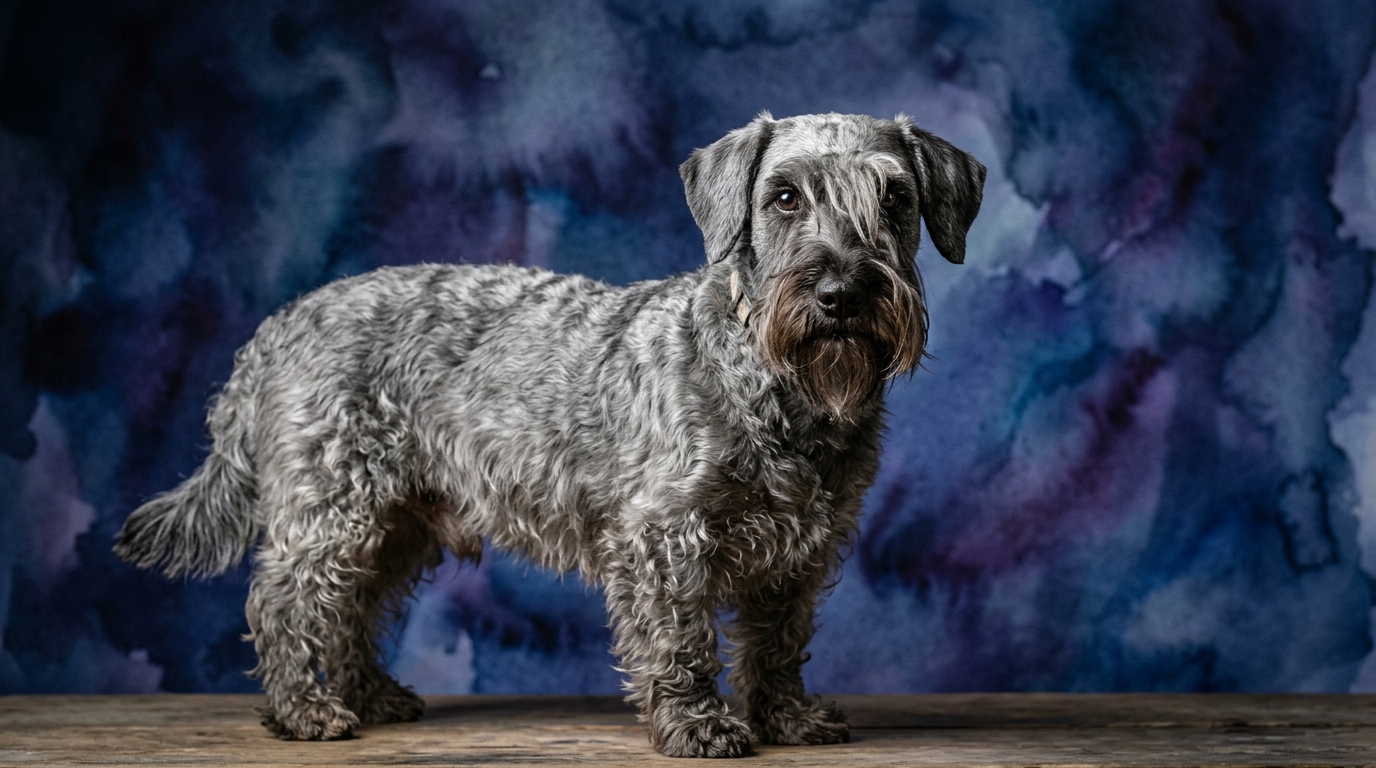
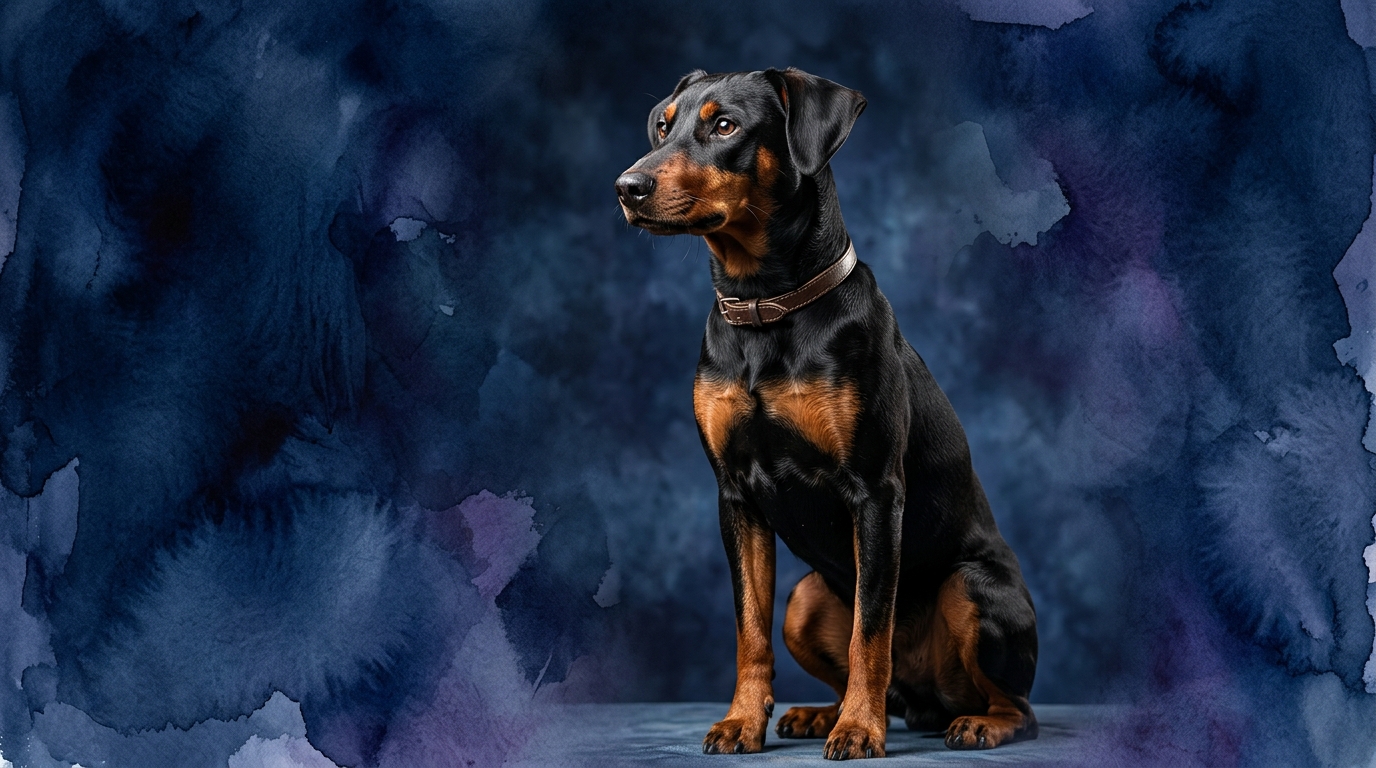
A Side-by-Side Look at Their Pet IQ Profiles
The Cosmic Pet Pet IQ Lab assesses canine intelligence across five key dimensions, providing a nuanced understanding beyond simple obedience. Both the Cesky Terrier and the German Pinscher register a consistent 3/5 across all five criteria, suggesting a balanced and capable cognitive makeup, yet their application of these capacities differs significantly due to their distinct breed histories and inherent temperaments.
For the **Cesky Terrier**, a 3/5 in Problem Solving reflects a tenacious, independent approach, often focused on overcoming physical obstacles to reach a goal, such as exploring a confined space or strategizing how to get a toy from under furniture. Their Training Speed at 3/5 means they grasp new commands and routines with reasonable quickness, particularly if the training engages their natural curiosity and desire for interaction, though a streak of Terrier stubbornness can sometimes introduce pauses. Social Intelligence, also at 3/5, manifests as a discerning nature; they form deep bonds with their family but can be reserved or cautious around strangers, requiring careful introductions. Their Instinctive Drive, rated 3/5, is primarily expressed through a persistent prey drive, an inclination to dig, and a watchful alertness to their surroundings. Finally, a Memory score of 3/5 indicates they retain learned behaviors and significant experiences well, recalling both positive and negative encounters with clarity.
The **German Pinscher**, also scoring 3/5 across the board, applies these cognitive strengths with a different operational focus. Their 3/5 in Problem Solving often involves evaluating situations from a more task-oriented perspective, such as figuring out how to open a gate or anticipating the next step in a familiar routine, showing a logical, sequential thought process. Training Speed at 3/5 signifies a capacity to learn new commands efficiently and consistently, often eager to please when the training is engaging and rewards are clear, making them generally responsive students. In Social Intelligence, their 3/5 rating points to a keen awareness of their family's moods and dynamics, coupled with a naturally watchful demeanor towards outsiders; they excel at reading human cues within their established social circle. Their Instinctive Drive, also 3/5, is strongly geared towards guarding, patrolling, and a strong desire to be involved in family activities, often manifesting as a protective, alert presence. Their Memory, at 3/5, ensures they remember routines, commands, and the specific dynamics of their environment and social group with good fidelity, making them reliable in established patterns.
Where the Cesky Terrier Demonstrates Cognitive Advantages
Despite identical numerical scores, the Cesky Terrier's cognitive strengths shine in specific contexts. Their problem-solving approach often carries a unique blend of independent thought and physical persistence. When faced with a puzzle that requires unconventional thinking or a sustained effort against resistance, such as manipulating an object with their paws to achieve a desired outcome, the Cesky's Terrier heritage imbues them with a distinct edge. This tenacity, rooted in centuries of working independently in burrows, means they are less likely to give up on a challenge that truly piques their interest, demonstrating a focused, almost single-minded determination that can outlast other breeds. This drive translates into a specific form of ingenuity, particularly when the 'problem' involves accessing something they perceive as valuable, be it a hidden treat or a tempting scent.
Where the German Pinscher Demonstrates Cognitive Advantages
The German Pinscher, while equally intelligent by score, presents its cognitive advantages in areas demanding a different kind of mental agility and focus. Their strength lies in their observational skills and their capacity for sequential understanding, particularly in a structured environment. A German Pinscher will often excel at tasks requiring them to learn and execute a series of actions in a specific order, or to quickly adapt to changes in a known routine once the new pattern is established. This reflects a problem-solving style that is more about understanding cause-and-effect within their environment and less about brute-force persistence. Their social intelligence also gives them an edge in anticipating human actions and moods within the family unit, allowing them to adjust their behavior subtly, making them particularly adept at forming a coherent partnership with their owners in activities requiring synchronized effort.
Which Is Easier to Train and Why?
When considering ease of training, the German Pinscher generally presents a more straightforward path for the average owner. Their 3/5 training speed, combined with a strong intrinsic desire to engage and work with their human, means they are often more receptive to consistent, positive reinforcement methods. They tend to focus well on the task at hand and are less prone to the independent, 'what's in it for me' attitude that can sometimes characterize Terriers. Their instinctive drive to be a watchful companion and participant in family life makes them naturally inclined to learn commands that facilitate this partnership. Behavioral differences like their innate desire for structure and their responsive nature mean they often pick up basic obedience and more complex tasks with fewer repetitions, provided the training is clear and rewarding.
The Cesky Terrier, while also scoring 3/5 in training speed, requires a more nuanced approach. Their independent problem-solving and strong instinctive drive, particularly their prey drive, mean that training must be highly engaging and consistently demonstrate value from the dog's perspective. They can be incredibly quick to learn when motivated, but their Terrier stubbornness can surface if they perceive a command as arbitrary or if a more interesting scent or distraction presents itself. Training a Cesky often involves harnessing their tenacity and channeling their independent spirit, making it a rewarding but sometimes more challenging endeavor for owners who prefer a dog that follows commands without much question.
Which Suits Active Owners vs. Relaxed Owners?
The German Pinscher, with its energetic demeanor and inherent working drives, is better suited for active owners. They thrive on regular physical exercise, such as brisk walks, runs, or engaging play sessions, and benefit greatly from mental stimulation through training, puzzle toys, or dog sports like agility. Their desire to be involved and their watchful nature mean they are happiest when they have a 'job' or a purpose within the family structure, even if that job is simply accompanying their owner on daily adventures. A relaxed owner who cannot provide consistent engagement and activity may find a German Pinscher becoming restless or inventing their own, potentially undesirable, forms of entertainment.
The Cesky Terrier, while not a couch potato, can adapt to a slightly more relaxed lifestyle than the Pinscher, though they still require consistent daily exercise and mental engagement. Their activity needs are often met with vigorous walks, opportunities to explore safely, and engaging play that satisfies their terrier instincts, like chasing a ball or digging in a designated area. They appreciate a comfortable home environment and enjoy downtime with their family, often content to observe from a comfy spot after their exercise needs are met. Owners who enjoy a balance of activity and quiet companionship, and who are prepared to engage their dog's mind with stimulating toys or short training sessions, would find the Cesky a compatible partner.
The Verdict: When to Choose Each Companion
The Verdict
Choose the Cesky Terrier if you appreciate a dog with independent thought, a tenacious spirit, and a discerning social nature, and you are prepared for training that engages their unique Terrier problem-solving. They thrive with owners who enjoy a balance of spirited activity and calm companionship, valuing a dog that forms deep, selective bonds.
Choose the German Pinscher if you seek a vigilant, responsive companion eager to participate in family activities, who excels in structured training environments and enjoys a consistently active lifestyle. They are best for owners who can provide clear guidance, regular exercise, and appreciate a dog that is keenly attuned to their family's dynamics and protective instincts.
🧠 Find Your Pet's IQ Score
Our Pet IQ Lab assessment covers 25+ tests across 5 cognitive dimensions — personalized to your breed.
Take the Full IQ Test →Frequently Asked Questions
Do Cesky Terriers and German Pinschers learn tricks at the same speed?
While both breeds score 3/5 in training speed, their learning styles differ. A Cesky Terrier might excel at tricks requiring independent problem-solving or agility with high motivation, whereas a German Pinscher might quickly master sequential commands due to their focus and desire to please, making overall 'speed' dependent on the trick type and individual dog's motivation.
Which breed is better with children, considering their social intelligence?
Both breeds, with a 3/5 social intelligence, can be good with respectful children. The German Pinscher's protective nature and family focus often mean they integrate well into a bustling household, while the Cesky Terrier's discerning nature means they may prefer older, calmer children who understand how to interact appropriately, forming strong bonds over time.
Are there specific types of dog sports where one breed might naturally excel over the other?
Yes, their instinctive drives and problem-solving styles suggest different aptitudes. The Cesky Terrier's tenacity and agility make them strong contenders in Earthdog trials or canine parkour, while the German Pinscher's focus and drive for partnership could see them excel in obedience, rally, or even protection sports where precision and teamwork are paramount.