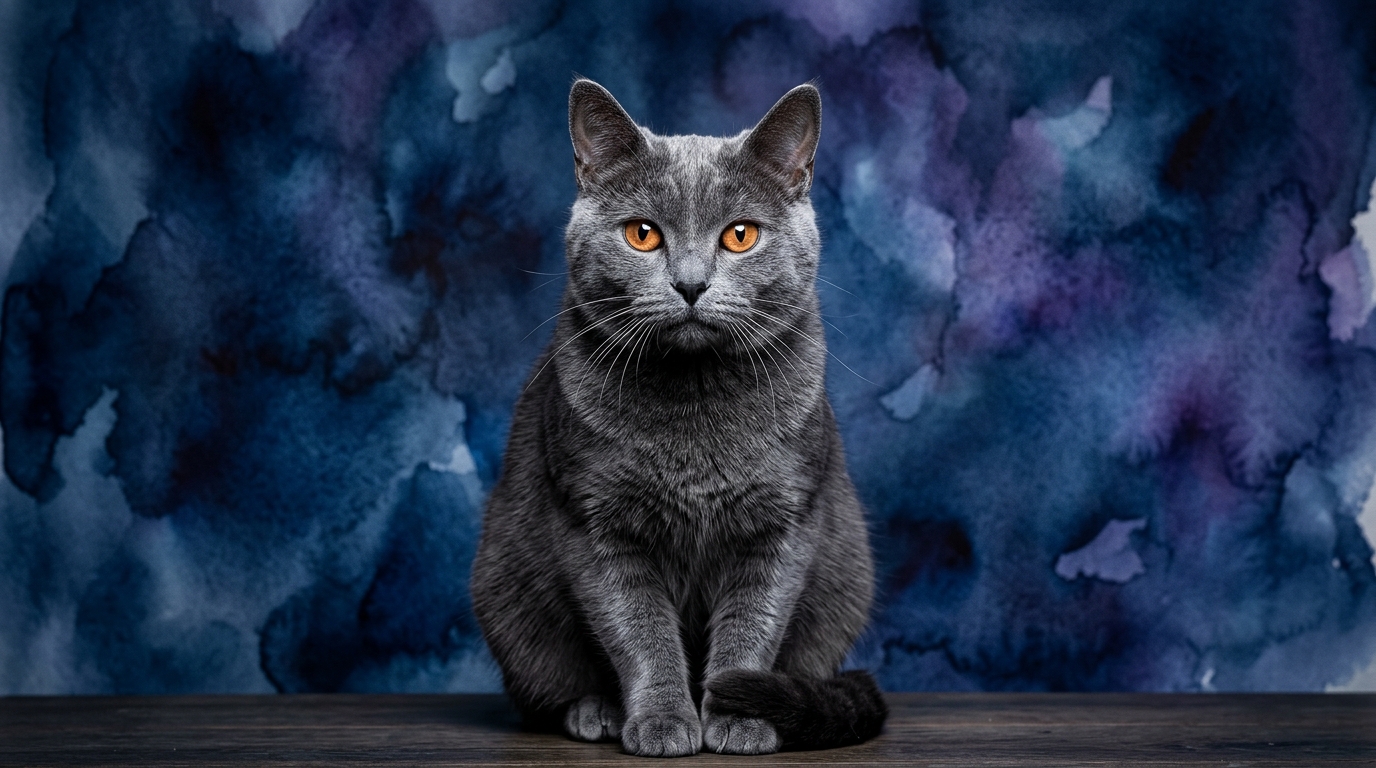
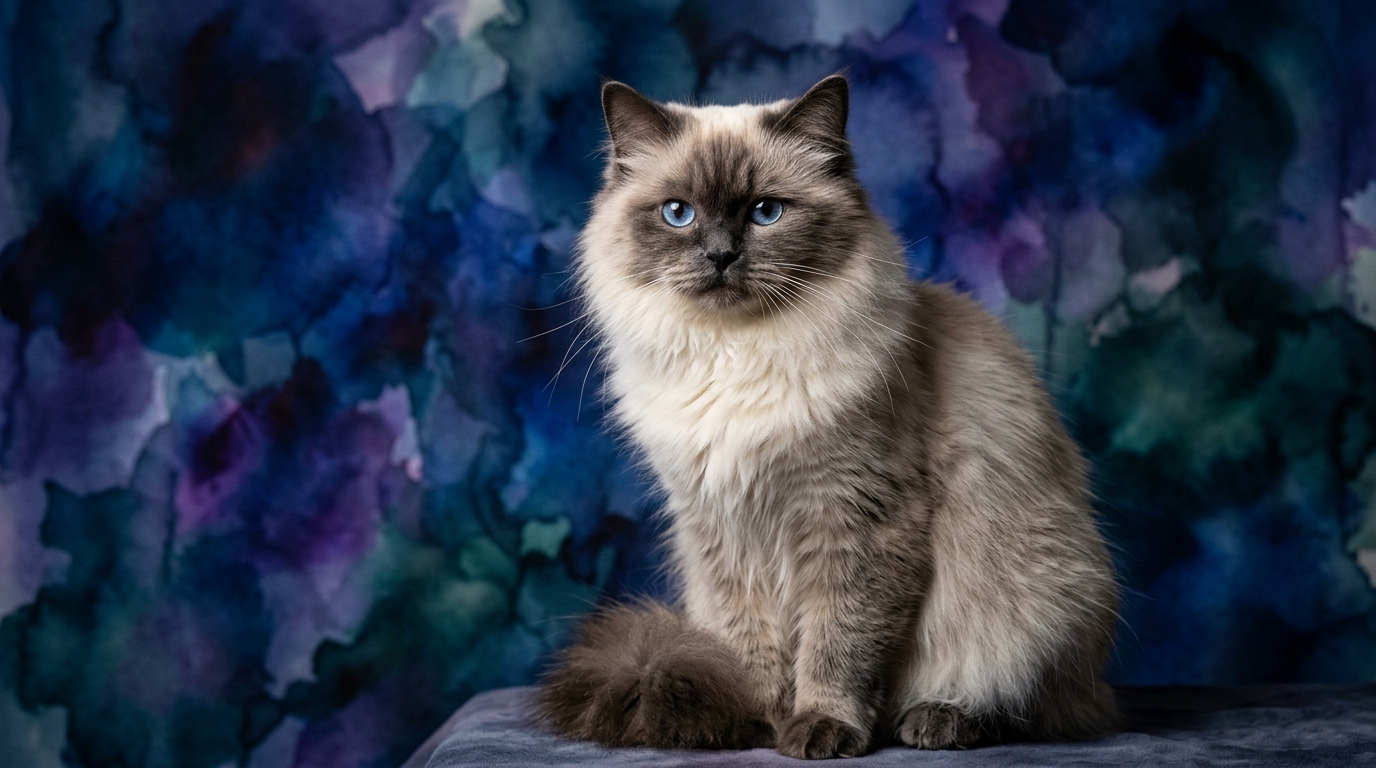
Side-by-Side IQ Profile: Chartreux vs. Himalayan
The Cosmic Pet Pet IQ Lab employs a five-dimensional framework for understanding feline intelligence. The Chartreux exhibits a robust cognitive profile: Problem Solving at 4/5, Training Speed at 3/5, Social Intelligence at 4/5, Instinctive Drive at 4/5, and Memory also at 4/5. This indicates a cat generally adept at navigating challenges, possessing keen social awareness, and retaining information effectively.
Conversely, the Himalayan presents a more uniform, yet competent, cognitive landscape, with scores consistently rated at 3/5 across all five dimensions: Problem Solving, Training Speed, Social Intelligence, Instinctive Drive, and Memory. This profile suggests a capable cat, perhaps less inclined towards complex intellectual pursuits or intense social engagement compared to the Chartreux.
Behaviorally, 'Problem Solving' reflects a cat's ability to figure out puzzles or overcome obstacles. Chartreux's 4/5 suggests a resourceful nature, while Himalayan's 3/5 implies a preference for simpler solutions. 'Training Speed' measures learning pace; both at 3/5 indicate moderate learning that benefits from consistency. 'Social Intelligence' gauges understanding of human cues; Chartreux's 4/5 points to perceptiveness, whereas Himalayan's 3/5 suggests a more reserved engagement.
'Instinctive Drive' reflects urges for hunting or exploring. Chartreux's 4/5 suggests strong internal motivation, while Himalayan's 3/5 indicates a more subdued expression of these instincts. Finally, 'Memory' assesses recall. Chartreux's 4/5 means clear retention of routines and experiences, while Himalayan's 3/5 suggests functional memory sufficient for daily life but perhaps less for intricate details.
Where Chartreux Wins Cognitively
The Chartreux demonstrates distinct cognitive advantages in several key areas. Their superior Problem Solving score of 4/5 means they are often more adept at strategizing, observed in their ability to open cabinets or manipulate treat dispensers. This active engagement with their environment highlights a curious and resourceful nature.
A 4/5 in Social Intelligence indicates a greater capacity for attunement with humans. Chartreux cats often pick up on subtle mood shifts and respond to vocal tones, initiating interactions that suggest a deeper understanding of social cues. They might offer comfort or seek interactive play, showcasing perceptive and responsive companionship.
Their elevated Instinctive Drive (4/5) translates into a robust internal motivation for exploration and engagement. A Chartreux is likely to be an active participant in their surroundings, driven by curiosity to investigate new stimuli. This creates a dynamic household experience, as the cat actively seeks mental and physical stimulation.
With a Memory score of 4/5, Chartreux cats exhibit strong recall of routines, training, and past experiences. This aids in maintaining household harmony, as they quickly learn boundaries and expectations, remembering rewards versus discouragements. Their capacity to retain information contributes to their adaptability and seamless integration into a structured home.
Himalayan's Distinctive Cognitive Strengths
While the Himalayan's cognitive scores are consistently 3/5, this profile offers unique advantages for specific owner preferences. Their moderate Problem Solving score means Himalayans are less prone to complex 'cat mischief' or persistent attempts to outsmart their environment. This is ideal for owners who prefer a predictable, less challenging pet, unlikely to dismantle household items.
The Himalayan's 3/5 in Social Intelligence suggests a more laid-back social presence. They are affectionate but their interactions might be more understated, providing quiet companionship without demanding constant interactive dialogue. This suits individuals who appreciate a calm, serene presence that offers gentle affection.
Their moderate Instinctive Drive (3/5) positions the Himalayan as a cat with a generally lower urge to roam, hunt, or mark territory aggressively. This makes them well-suited for indoor living and for owners who prefer a less overtly driven cat, content with a comfortable spot and a serene environment, fostering a peaceful household atmosphere.
The Himalayan's 3/5 Memory score, while not as high, is perfectly adequate for daily life. They reliably remember meal times, litter box locations, and home layout. Their memory is practical and functional, ensuring they are well-adjusted to established environments without being overly preoccupied with complex sequences, offering consistency and comfort to owners valuing routine.
Training: Chartreux vs. Himalayan
Both Chartreux and Himalayans share a Training Speed score of 3/5, indicating they are trainable with consistent effort and positive reinforcement, though neither is exceptionally quick. However, their other cognitive dimensions influence the training experience.
The Chartreux's higher Problem Solving (4/5) and Social Intelligence (4/5) can make them more receptive to varied training methods, viewing it as a puzzle or interactive game. Their stronger memory (4/5) ensures learned behaviors are retained more reliably, potentially leading to a broader repertoire of tricks over time.
Conversely, the Himalayan's consistent 3/5 scores suggest they benefit more from routine-based training. Their learning is steady and predictable, but perhaps less adaptable to complex sequences. Consistency in cues and rewards is paramount. While not enthusiastic about elaborate trick training, they are capable of learning essential manners when training is integrated into their daily rhythm.
Which Suits Active Owners vs. Relaxed Owners?
For active owners who enjoy mentally stimulating activities, the Chartreux is an ideal choice. Their higher Problem Solving (4/5) and Instinctive Drive (4/5) mean they thrive on interaction, exploration, and puzzles. These cats often enjoy interactive toys, clicker training, and even leash walks, actively seeking engagement and new experiences. Owners providing consistent enrichment will find a highly responsive companion.
Conversely, the Himalayan's cognitive profile aligns with a more relaxed, serene household. Their moderate scores across all dimensions suggest a cat content with a calm environment and predictable routine. While appreciating affection and gentle play, they demand less constant mental stimulation or intense physical activity. For owners desiring a placid, affectionate companion content to lounge nearby, the Himalayan's cognitive makeup is an ideal match.
The Verdict
Choose a Chartreux if you seek a cognitively vibrant, interactive companion eager for mental challenges and social engagement, thriving with active participation.
Opt for a Himalayan if you prefer a serene, predictable companion who offers gentle affection and fits seamlessly into a calm, less demanding household routine.
🧠 Find Your Pet's IQ Score
Our Pet IQ Lab assessment covers 25+ tests across 5 cognitive dimensions — personalized to your breed.
Take the Full IQ Test →Frequently Asked Questions
Are Chartreux cats good at learning tricks?
Yes, Chartreux cats, with their 4/5 Problem Solving and 4/5 Memory, are quite capable of learning tricks and enjoying the process. Their social intelligence also helps them engage with their human trainers, making trick training a rewarding experience for both.
Do Himalayans get bored easily if not constantly entertained?
Himalayans, possessing a 3/5 Instinctive Drive and Problem Solving, are generally less prone to boredom from lack of constant external entertainment. They are often content with a calmer environment and can entertain themselves with simpler toys or observation, preferring a predictable routine over high-intensity stimulation.
Which breed is more likely to 'talk' or communicate vocally?
While individual personalities vary, the Chartreux's higher Social Intelligence (4/5) and general inquisitiveness often correlate with a more communicative nature, sometimes expressed through soft chirps or trills. Himalayans, with their 3/5 Social Intelligence, tend to be more reserved vocally, preferring quieter forms of interaction.