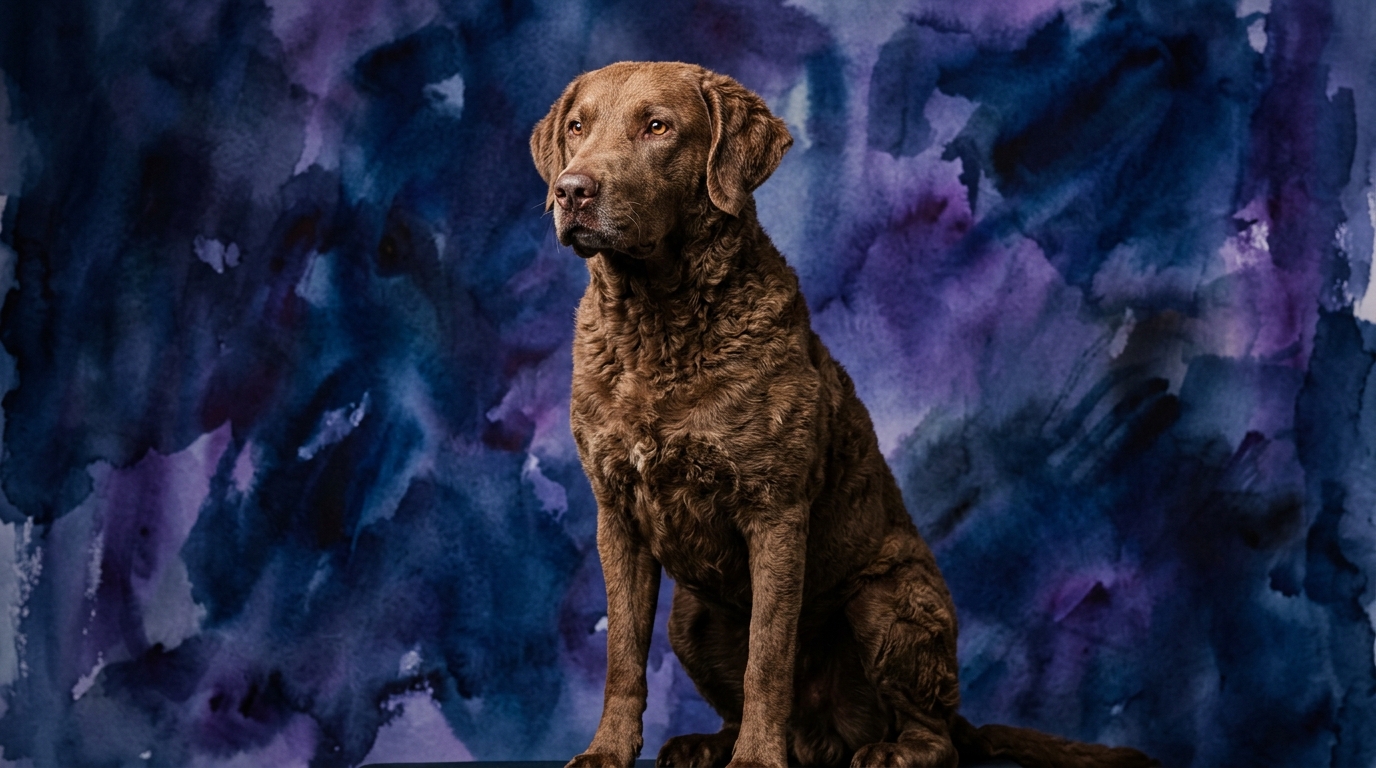
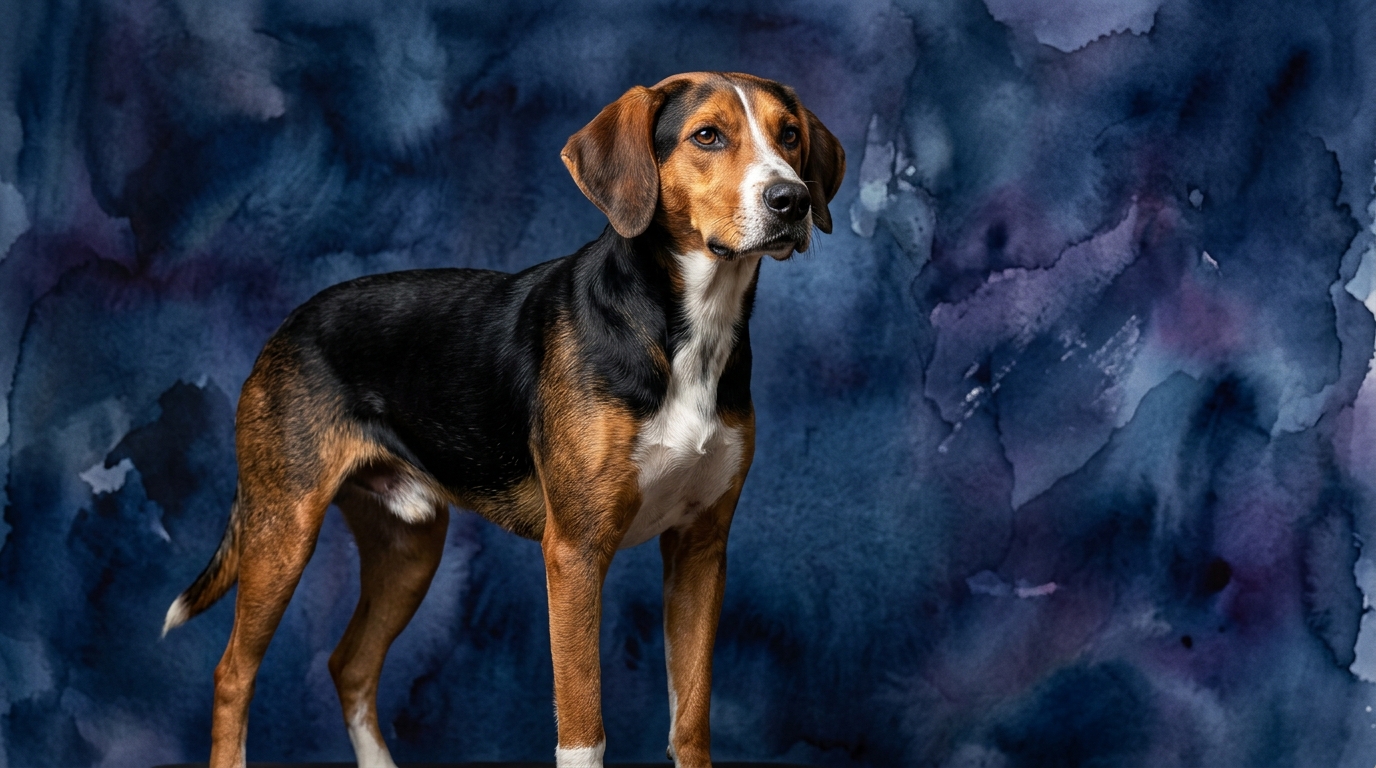
Side-by-Side IQ Profile: Chessie vs. Foxhound
**Chesapeake Bay Retriever (Coren rank #27):** This breed’s cognitive makeup reflects its heritage as a dedicated working dog, excelling in tasks requiring collaboration and adaptability. Their **Problem Solving (4/5)** score indicates strong analytical capabilities, allowing them to effectively navigate complex situations, such as retrieving game from challenging terrain or understanding multi-step commands. Their **Training Speed (4/5)** is impressive; Chessies typically grasp new cues and routines quickly, often needing fewer repetitions than many other breeds, thanks to their eagerness to engage with their handler. In **Social Intelligence (3/5)**, they form deep bonds within their family unit but are often reserved with strangers, understanding pack dynamics but not necessarily seeking broad social interactions. Their **Instinctive Drive (3/5)** is potent but channelable, primarily focused on retrieving and water work. Finally, their **Memory (4/5)** is robust, enabling them to retain complex command sequences, locations, and past experiences with considerable accuracy, aiding both training and their working duties over time.
**American Foxhound (Not Coren-ranked):** The American Foxhound’s intelligence is deeply specialized, honed over centuries for endurance scent hunting in a pack. Their **Problem Solving (3/5)** is practical and persistent, particularly when following a scent trail, involving methodical tracking rather than abstract reasoning. Their **Training Speed (3/5)** is moderate; while capable of learning, their independent nature and strong focus on scent often demand more patience and consistent, engaging reinforcement. In **Social Intelligence (3/5)**, they excel in pack dynamics, understanding their role within a group of dogs and generally being amiable with canine companions, though their interactions with humans can be more about companionship than eager obedience. The **Instinctive Drive (3/5)** in a Foxhound is overwhelmingly dominated by an intense, single-minded desire to follow scent, which can override other stimuli and make them exceptionally specialized but less generally adaptable. Their **Memory (3/5)** is functional, particularly effective for recalling scent trails and familiar routes, but their recall for arbitrary commands or complex sequences may not be as sharp as breeds with higher overall cognitive scores.
Where the Chesapeake Bay Retriever Wins Cognitively
The Chesapeake Bay Retriever demonstrates clear cognitive advantages in areas demanding active engagement and responsiveness to human direction. Their 4/5 Problem Solving score means they excel at figuring out novel situations, like navigating an obstacle course to reach a hidden toy or discerning the most efficient path for a retrieve. This breed’s 4/5 Training Speed highlights their quick grasp of new commands, making them particularly receptive to advanced obedience or complex sporting tasks. Furthermore, their 4/5 Memory allows them to consistently recall a vast repertoire of cues and past experiences, ensuring reliability in learned behaviors over extended periods, a crucial trait for a working retriever. They show a greater aptitude for understanding and executing human-initiated tasks with precision and adaptability compared to the Foxhound’s more specialized, independent cognitive style.
Where the American Foxhound Wins Cognitively
While not outscoring the Chessie in general cognitive metrics, the American Foxhound excels in a highly specialized cognitive domain: scent work. Their 3/5 Instinctive Drive, though numerically equal, represents an unparalleled depth of focus and persistence when engaged in tracking. This isn't just a physical act; it's a complex cognitive process involving pattern recognition, discrimination of subtle olfactory cues, and sustained mental effort over long distances. Their pack-oriented 3/5 Social Intelligence allows for effective cooperation within a group during a hunt, understanding roles and communication among canine companions without needing constant human intervention. This breed's cognitive strengths are intrinsically tied to their ancestral purpose, showcasing a profound ability to interpret and follow environmental information through scent, a capability that few breeds can match in sheer endurance and dedication.
Which Is Easier to Train and Why
The Chesapeake Bay Retriever is generally easier to train due to its higher scores in Training Speed (4/5) and Problem Solving (4/5), coupled with a strong desire to collaborate with its handler. They quickly associate actions with rewards and consequences, requiring fewer repetitions to solidify new behaviors. Their robust memory (4/5) ensures that once a command is learned, it tends to stick. A Chessie’s focus on its human partner makes it a more eager participant in structured training sessions, often thriving on the challenge of learning new skills.
In contrast, the American Foxhound’s moderate Training Speed (3/5) and Problem Solving (3/5), combined with their potent Instinctive Drive (3/5) for scent, present greater training challenges. Foxhounds are independent thinkers, often prioritizing a captivating scent over a handler's command; their drive to follow a trail can be all-consuming. This demands immense patience, consistent positive reinforcement, and a deep understanding of their specialized motivations. Training a Foxhound requires more creativity to hold their attention and redirect their natural predispositions, making them less straightforward for novice trainers who might struggle with their independent spirit and tendency to tune out other stimuli when a compelling scent is present.
Suitability for Active vs. Relaxed Owners
Both breeds are energetic, but their exercise needs and how they engage with owners differ significantly. The Chesapeake Bay Retriever, with its strong working background, thrives with active owners who can provide consistent mental stimulation and physical activity, such as retrieving games, swimming, hiking, or dog sports. While they require engagement, they are generally more amenable to structured activities and can settle indoors after sufficient exercise, making them suitable for active families who enjoy involving their dog in daily life and can commit to regular training and outdoor adventures.
The American Foxhound, however, is definitively for highly active owners. Their profound instinctive drive for scent work and remarkable endurance mean they require extensive daily exercise, ideally involving long runs or opportunities to explore safe, fenced areas where they can indulge their natural inclination to follow scents. Their independent nature and potential for vocalization, often expressed through baying, make them less suitable for relaxed owners seeking a quiet, low-maintenance companion. Unmet exercise needs in a Foxhound can manifest in restlessness, destructive behaviors, or persistent vocalizations, highlighting their requirement for a lifestyle that matches their boundless energy and specialized drives.
The Verdict
Choose a Chesapeake Bay Retriever if you seek a highly trainable, devoted companion eager to participate in various activities, from retrieving to advanced obedience, and can offer consistent mental and physical engagement.
Opt for an American Foxhound if you are an exceptionally active individual or family, passionate about providing extensive exercise and opportunities for scent work, understanding that their independent, scent-driven nature requires patient, specialized training.
🧠 Find Your Pet's IQ Score
Our Pet IQ Lab assessment covers 25+ tests across 5 cognitive dimensions — personalized to your breed.
Take the Full IQ Test →Frequently Asked Questions
Are Chesapeake Bay Retrievers good with children?
Chesapeake Bay Retrievers can be excellent family dogs, often forming strong bonds with children when properly socialized from a young age. Their protective instincts and sturdy build make them resilient companions, but supervision is always recommended due to their reserved nature with strangers.
Can American Foxhounds live in apartments?
American Foxhounds are not typically suited for apartment living due to their immense exercise requirements and tendency to vocalize. They thrive in homes with large, securely fenced yards where they can run freely and safely explore scents, fulfilling their strong instinctive drive.
Which breed is more prone to wanderlust?
The American Foxhound is significantly more prone to wanderlust due to its powerful scent drive, which compels it to follow intriguing trails for long distances. A Chesapeake Bay Retriever, while adventurous, is generally more focused on its human handler and less likely to independently roam in pursuit of a scent.