The Cosmic Pet IQ Lab: Side-by-Side Cognitive Profiles
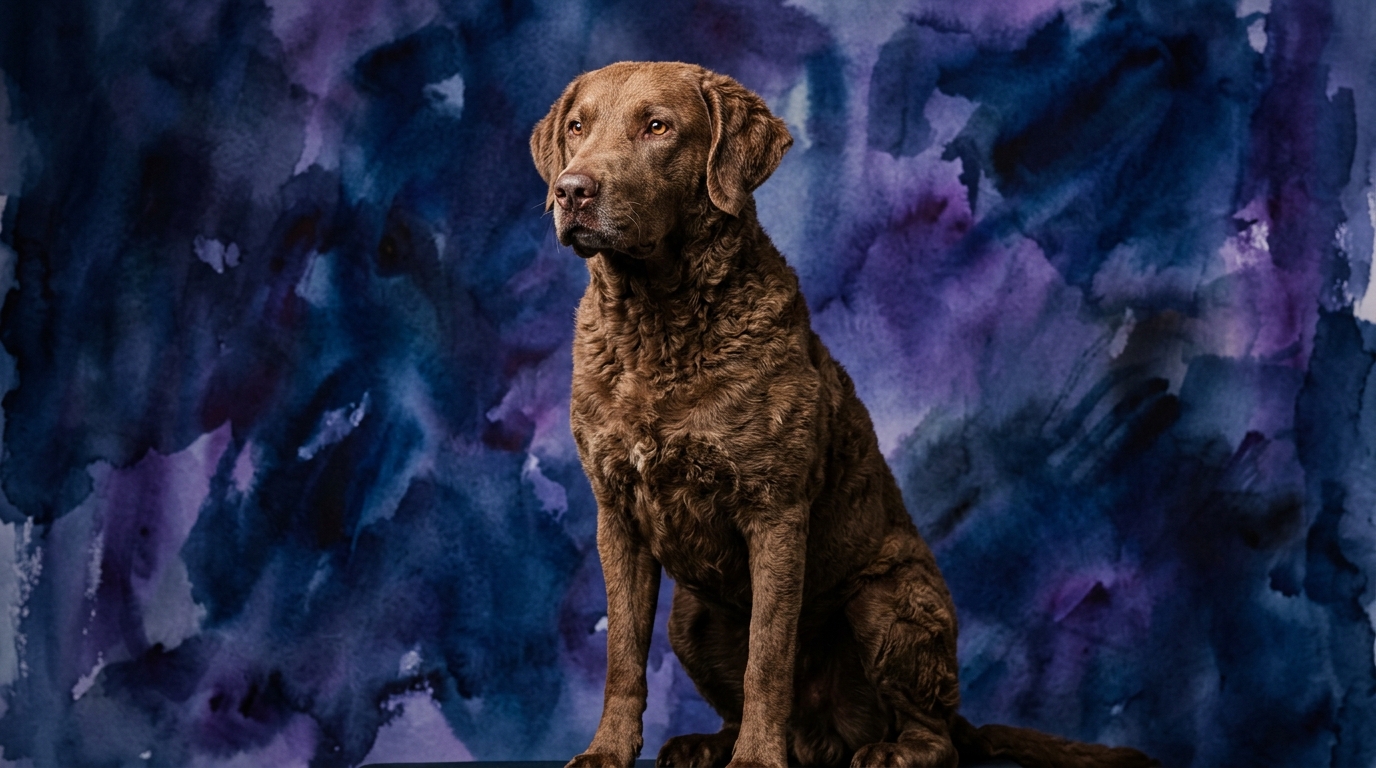
At The Cosmic Pet Pet IQ Lab, we delve into the nuanced cognitive dimensions that define each breed. For the Chesapeake Bay Retriever (CBR), ranked #27 by Coren, their profile indicates a powerful blend of practical acumen and rapid learning. Their Problem Solving is rated 4/5, reflecting an adeptness at navigating complex environmental challenges, such as retrieving game from difficult terrain or figuring out how to unlatch a gate. Training Speed, also 4/5, signifies a quick grasp of new commands and routines, often requiring fewer repetitions than many other breeds. Social Intelligence stands at 3/5, indicating an understanding of human cues but often a discerning nature with strangers, with loyalty typically directed towards their immediate family. Their Instinctive Drive, 3/5, is a purposeful, channeled urge for natural retrieving behaviors, particularly in water. Finally, Memory at 4/5 highlights excellent retention of learned behaviors, commands, and specific locations or routes, ensuring mastered skills are rarely forgotten.
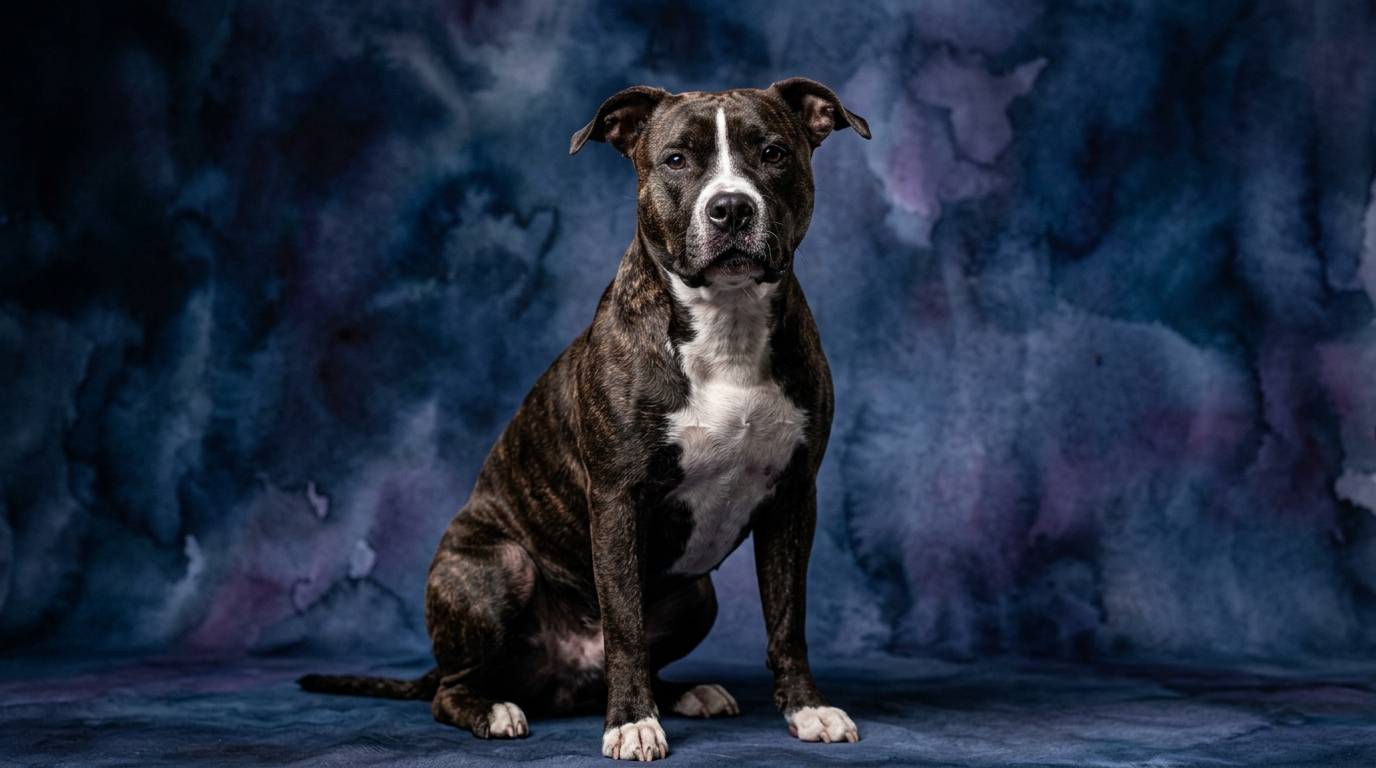
The American Staffordshire Terrier (AST), holding Coren’s #48 rank, presents a cognitive profile emphasizing tenacity and deep retention. Their Problem Solving is rated 3/5, suggesting capability in practical dilemmas, often solved through persistence and physical manipulation, such as figuring out how to access desired items. Training Speed is 3/5, indicating a steady learning pace that benefits from consistent, positive reinforcement, rather than immediate uptake. Social Intelligence, also 3/5, denotes a strong attunement to their family's emotions and intentions, fostering deep bonds, though early socialization is crucial for broader interactions. Instinctive Drive is 3/5, often expressed as a strong prey drive or tenacious grip, which, while present, is typically less specialized than a working retriever's and requires careful management. Crucially, their Memory matches the CBR at 4/5, demonstrating robust recall for commands, routines, and experiences, underscoring the importance of consistent and fair training methods.
Chesapeake Bay Retriever: Cognitive Strengths Unpacked
The Chesapeake Bay Retriever's primary cognitive edge lies in its superior problem-solving abilities and faster training speed. Their 4/5 in problem-solving means they are not just following commands, but actively assessing situations and devising solutions, which is invaluable in field work or complex home environments. For instance, a Chessie might figure out how to unlatch a gate by observing human actions, or strategize the most efficient path to retrieve a toy across varied terrain. This independent reasoning, coupled with their 4/5 training speed, allows them to master intricate multi-step tasks with relative ease. They quickly form associations between actions and consequences, making them exceptionally responsive to structured learning. Their potent memory (4/5) ensures these complex skills, once learned, are retained over long periods, creating a highly capable and reliable working companion.
American Staffordshire Terrier: Unique Cognitive Attributes
The American Staffordshire Terrier shines with a tenacity and focus that, while not always reflected in raw speed of learning, translates into remarkable endurance for tasks. While their problem-solving and training speed scores are a solid 3/5, their equal 4/5 memory score with the CBR highlights their capacity for deep learning and retention. An AmStaff, once taught a behavior or routine, will remember it with impressive consistency. Their cognitive strengths are often intertwined with their physical prowess and emotional resilience; they might not solve a puzzle as quickly as a Chessie, but they will approach it with unwavering determination. This persistence, combined with their social intelligence (3/5) which fosters strong bonds, means they excel in roles requiring loyalty and consistent application of learned behaviors within a family context. They are adept at remembering social cues and household rules, contributing to their reputation as devoted companions.
Training Dynamics: Chessie's Swiftness vs. AmStaff's Steadfastness
When it comes to training, the Chesapeake Bay Retriever typically offers a swifter learning curve due to its 4/5 training speed and problem-solving. They are often eager to please and quick to pick up on new commands, making them ideal for advanced obedience, agility, or working roles that demand rapid acquisition of skills. Their ability to independently process and adapt to new situations means they can often generalize learned behaviors to novel environments more readily. This breed thrives on mental challenges and enjoys the process of figuring things out.
In contrast, the American Staffordshire Terrier, with a 3/5 training speed, requires a more patient and consistent approach. While they are certainly trainable and possess excellent memory (4/5), they might take more repetitions to solidify a command. Their strong instinctive drive (3/5) and tenacious nature mean that early, consistent socialization and positive reinforcement are paramount to channel their energy effectively and prevent undesirable behaviors from becoming ingrained. The key difference lies in the pace of initial learning and the style of motivation required; Chessies often thrive on complex challenges, while AmStaffs benefit from clear, consistent, and rewarding routines that leverage their excellent retention.
Lifestyle Match: Active Pursuits vs. Dedicated Companionship
For owners leading an active lifestyle who seek a canine partner for demanding outdoor activities, the Chesapeake Bay Retriever is often the more fitting choice. Their superior problem-solving (4/5) and natural retrieving instincts (3/5, often focused on water) make them exceptional companions for hunting, hiking in challenging terrains, or participating in dog sports like dock diving and advanced obedience. They thrive on having a "job" and require significant physical and mental engagement to prevent boredom. A relaxed owner might find the Chessie's need for purposeful activity overwhelming.
The American Staffordshire Terrier, while also energetic and athletic, often suits owners who are dedicated to consistent training and seek a robust, loyal companion for a more structured, but still active, home life. Their strong social intelligence (3/5) and memory (4/5) make them excellent family dogs when properly socialized and trained. They enjoy activities like long walks, fetch, and structured play, but their "job" is often more centered around companionship and protection within their family unit. They can adapt to a slightly less intense activity schedule than a Chessie, provided they receive consistent mental stimulation and affection, making them suitable for owners who might prefer focused daily engagement over relentless outdoor adventures.
The Verdict
Choose the Chesapeake Bay Retriever if you are an experienced owner seeking a highly capable, independent problem-solver for demanding outdoor activities, hunting, or advanced dog sports, valuing their swift learning and robust memory for complex tasks.
Opt for the American Staffordshire Terrier if you are a dedicated owner prepared for consistent, positive training, valuing a loyal, tenacious companion who excels with clear routines and strong family bonds, and can thrive in a structured, active home environment.
🧠 Find Your Pet's IQ Score
Our Pet IQ Lab assessment covers 25+ tests across 5 cognitive dimensions — personalized to your breed.
Take the Full IQ Test →Frequently Asked Questions
Is the Chesapeake Bay Retriever a good family dog?
Chesapeake Bay Retrievers can be devoted family dogs, particularly with their own human pack, exhibiting loyalty and protective instincts. However, their moderate social intelligence (3/5) means they might be reserved with strangers and benefit from early, broad socialization.
How much exercise does an American Staffordshire Terrier need?
American Staffordshire Terriers require a good amount of daily exercise, typically 30-60 minutes of vigorous activity, to keep them physically and mentally stimulated. This can include brisk walks, fetch, or structured play sessions to channel their moderate instinctive drive.
Are there significant differences in trainability between the two breeds?
Yes, the Chesapeake Bay Retriever generally learns new commands more quickly (training speed 4/5) and excels at complex problem-solving. The American Staffordshire Terrier, while very trainable and possessing excellent memory (4/5), may require more repetitions and consistent motivation (training speed 3/5).