Side-by-Side IQ Profile
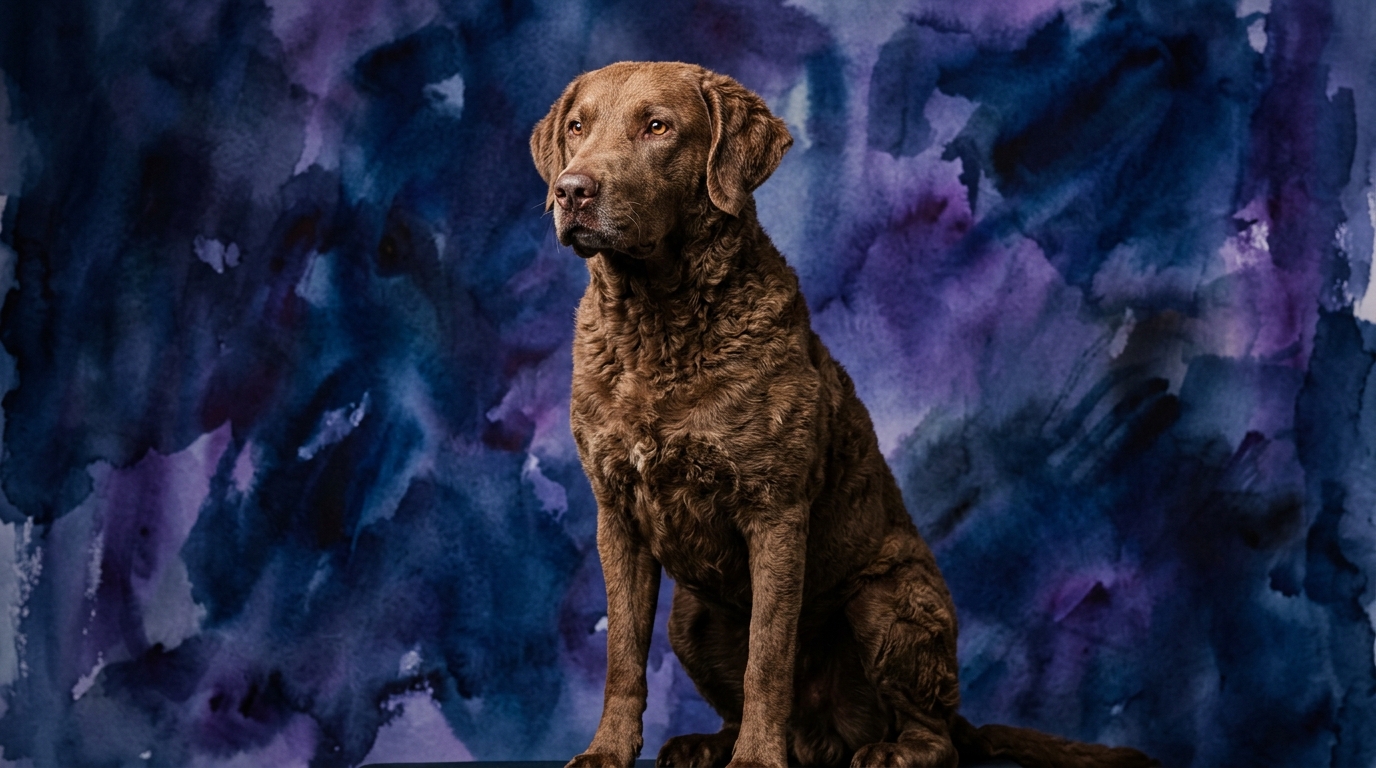
The Cosmic Pet Pet IQ Lab employs a multi-dimensional approach to assess canine intelligence, moving beyond simple obedience to encompass a dog's complete cognitive landscape. For the Chesapeake Bay Retriever, a Sporting group member with a notable Coren rank of #27, its IQ profile reflects a mind honed for complex, directed tasks. Its Problem Solving is rated 4/5, indicative of a capacity to navigate intricate scenarios, such as locating fallen game in challenging terrain or deciphering multi-step commands. Training Speed also scores 4/5, suggesting a quick grasp of new instructions and a readiness to comply with handlers, which is crucial for a working retriever. Social Intelligence sits at 3/5, meaning they can understand human cues and group dynamics but often maintain a reserved demeanor, focusing more on their task than broad social interaction. Instinctive Drive is 3/5, a balanced score reflecting their powerful urge to retrieve and work without being overly reactive or impulsive outside of their specific duties. Finally, Memory is 4/5, vital for recalling specific locations, learned commands, and patterns of behavior over time, essential for repetitive and precise retrieval work.
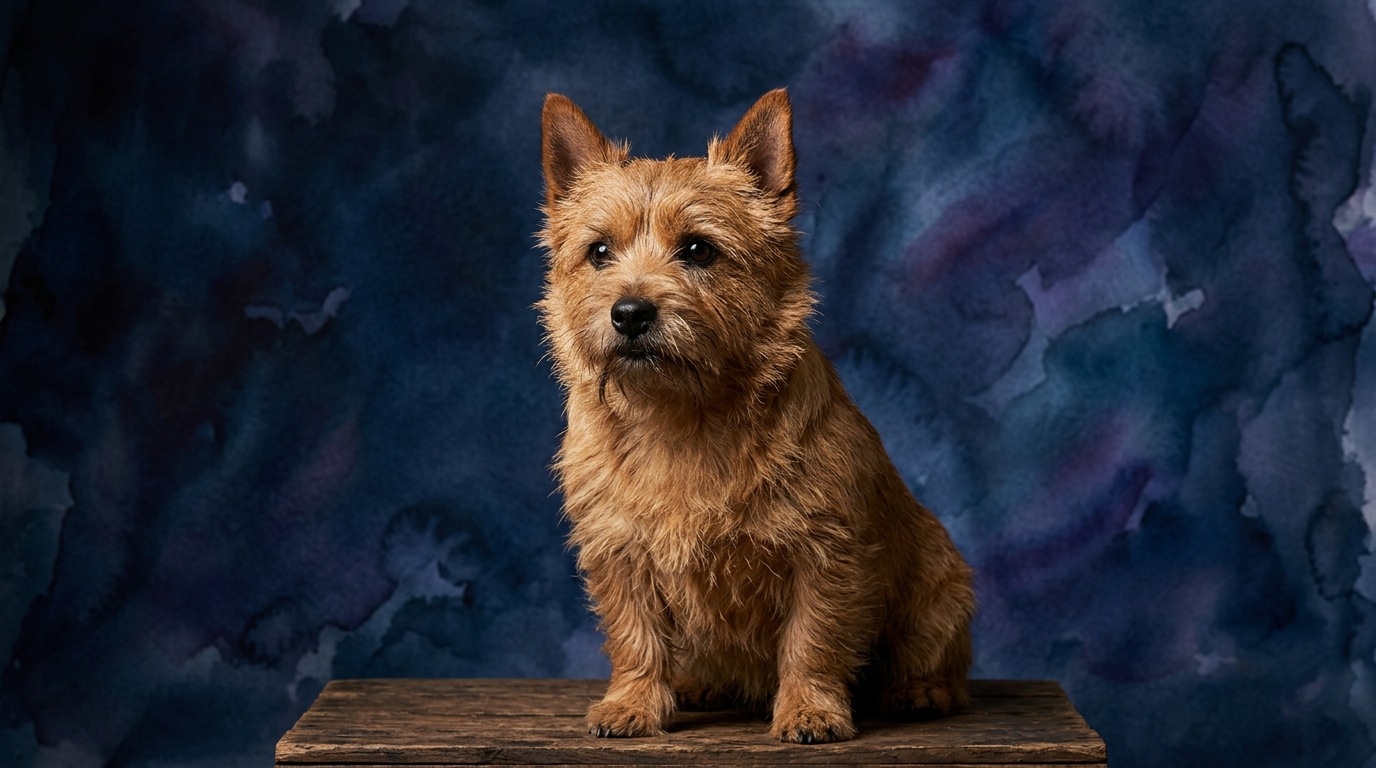
In contrast, the Norwich Terrier, a spirited member of the Terrier group without a Coren ranking, exhibits a cognitive profile tailored for independent action and persistent pursuit. Its Problem Solving is rated 3/5, showcasing an ability to independently overcome obstacles and strategize in real-time, such as navigating tight spaces or outsmarting burrowing prey. Training Speed also stands at 3/5, indicating a consistent learning pace, though perhaps requiring more motivational finesse than a retriever, given their independent spirit. Social Intelligence is 3/5, suggesting they are generally affable and can integrate well into family life, but they retain a characteristic terrier self-sufficiency that prioritizes their own agenda. Instinctive Drive scores 3/5, reflecting a strong, inherent urge to hunt and explore, often with a fearless determination that defines the terrier temperament. Memory is 3/5, enabling them to remember routines, scent trails, and familiar places, providing a reliable cognitive foundation for their daily adventures and interactions.
Where the Chesapeake Bay Retriever Excels Cognitively
The Chesapeake Bay Retriever's cognitive strengths distinctly align with its heritage as a dedicated working dog. Its 4/5 Problem Solving aptitude shines when presented with structured, multi-stage challenges, like retrieving specific items from a varied pile or executing a complex field trial pattern. This isn't just about raw strength; it's about the mental mapping and sequential processing required to achieve a defined goal. Coupled with a 4/5 Training Speed, the Chessie demonstrates a superior capacity for rapid acquisition of complex obedience commands and intricate skill sets, making it particularly adept at advanced dog sports or service work where precision and responsiveness are paramount. Their 4/5 Memory further reinforces this, allowing them to retain vast repertoires of commands, associate specific cues with actions, and recall locations of interest or previous successful strategies, which is invaluable in demanding, repetitive tasks.
Where the Norwich Terrier Excels Cognitively
The Norwich Terrier’s cognitive advantages lean towards independent action and resilient resourcefulness, reflecting its history as a small game hunter. Its 3/5 Problem Solving, while numerically lower than the Chessie's, represents a different kind of mental agility: the ability to make swift, autonomous decisions in unpredictable situations. A Norwich might excel at finding a clever way to access a desired toy or navigate a novel environment without explicit direction, relying on its own judgment rather than waiting for a handler's command. Their 3/5 Instinctive Drive fuels a persistent determination that allows them to stick with a challenge, whether it’s exploring every corner of a yard or patiently waiting for a perceived 'prey' to emerge. This tenacity, combined with a balanced 3/5 Social Intelligence, means they can adapt flexibly to various social settings while maintaining their inherent self-reliance, thriving in environments that appreciate their spirited independence.
Which is Easier to Train and Why
When considering ease of training, the Chesapeake Bay Retriever generally presents a more straightforward experience for many owners, largely due to its higher Training Speed (4/5) and strong Problem Solving (4/5). Chessies are bred to work in close partnership with humans, demonstrating a keen desire to please and a robust capacity to absorb and apply commands quickly. Their mental framework is geared towards understanding and executing directives, making them highly responsive to consistent, positive reinforcement training methods. A Chessie is likely to master a new trick or complex obedience sequence in fewer repetitions, and its attention is typically more focused on the handler during training sessions.
The Norwich Terrier, with a 3/5 Training Speed, requires a slightly different approach. While certainly trainable, their terrier independence and strong Instinctive Drive (3/5) mean they might occasionally prioritize their own interests over handler commands. This isn't a lack of intelligence, but rather a difference in cognitive wiring; they are designed for self-directed action. Training a Norwich often demands more patience, creativity, and the ability to make learning feel like a game or an exciting challenge, rather than a strict lesson. Owners might find that a Norwich needs more consistent motivation and shorter, engaging sessions to maintain focus, and they may be more inclined to test boundaries if not given clear, firm, and fair guidance from a young age. Their independent streak can sometimes manifest as a charming stubbornness, requiring an owner who appreciates and can gently guide this spirited personality.
Which Suits Active Owners vs. Relaxed Owners
For owners with an active lifestyle, particularly those who enjoy outdoor adventures, structured training, or dog sports, the Chesapeake Bay Retriever is an excellent match. Their robust physical endurance, combined with their 4/5 Problem Solving and 4/5 Training Speed, means they thrive on having a 'job' to do. These dogs excel when provided with opportunities for mental stimulation through complex training sessions, field work, or activities like agility and obedience trials. An active owner who can commit to daily rigorous exercise and consistent cognitive challenges will find a Chessie to be an incredibly rewarding and engaged companion. Their lower 3/5 Social Intelligence also means they are often content being primarily devoted to their immediate family and handler, rather than needing extensive social outings with strangers.
The Norwich Terrier, while certainly energetic and playful, can adapt well to a slightly less intense activity regimen, making them suitable for owners who appreciate consistent, moderate activity rather than extreme endurance sports. Their 3/5 Instinctive Drive means they enjoy regular walks, playful romps in a secure yard, and engaging puzzle toys that tap into their problem-solving skills. They don't require hours of intense, directed work but do need mental engagement to prevent boredom. A relaxed owner who enjoys daily walks, short training sessions, and plenty of interactive play at home will find the Norwich a delightful companion. Their balanced 3/5 Social Intelligence allows them to be charming and adaptable within a family setting, enjoying companionship without constantly demanding a 'job' to fulfill, making them a great fit for owners seeking a spirited yet manageable canine presence.
The Verdict
Choose the Chesapeake Bay Retriever if you are an active, experienced owner seeking a highly trainable, dedicated working partner for structured tasks, outdoor adventures, and advanced canine activities. Their superior problem-solving and training speed make them ideal for those who enjoy consistent, goal-oriented engagement.
Opt for the Norwich Terrier if you appreciate a spirited, independent companion that offers consistent cognitive engagement without requiring intense, directed work. They thrive with owners who enjoy moderate activity, creative training, and a dog with a distinct, self-reliant personality.
🧠 Find Your Pet's IQ Score
Our Pet IQ Lab assessment covers 25+ tests across 5 cognitive dimensions — personalized to your breed.
Take the Full IQ Test →Frequently Asked Questions
Are Chesapeake Bay Retrievers good for first-time dog owners?
Chesapeake Bay Retrievers possess a high capacity for learning and a strong drive, which can be a lot for a novice handler. While very rewarding, their need for consistent training and significant exercise means they are generally better suited for experienced owners who understand working breeds.
Do Norwich Terriers bark a lot?
Norwich Terriers can be vocal, especially when alerting their owners to perceived intruders or exciting events, a trait stemming from their terrier heritage. Consistent training from a young age can help manage excessive barking, but they will likely always be ready to announce their observations.
Which breed is better with children?
Both breeds can be good with children when properly socialized and raised in a respectful environment. Chesapeake Bay Retrievers are sturdy and patient, while Norwich Terriers are playful and robust for their size, but both require supervision with very young children due to their energy and inherent drives.