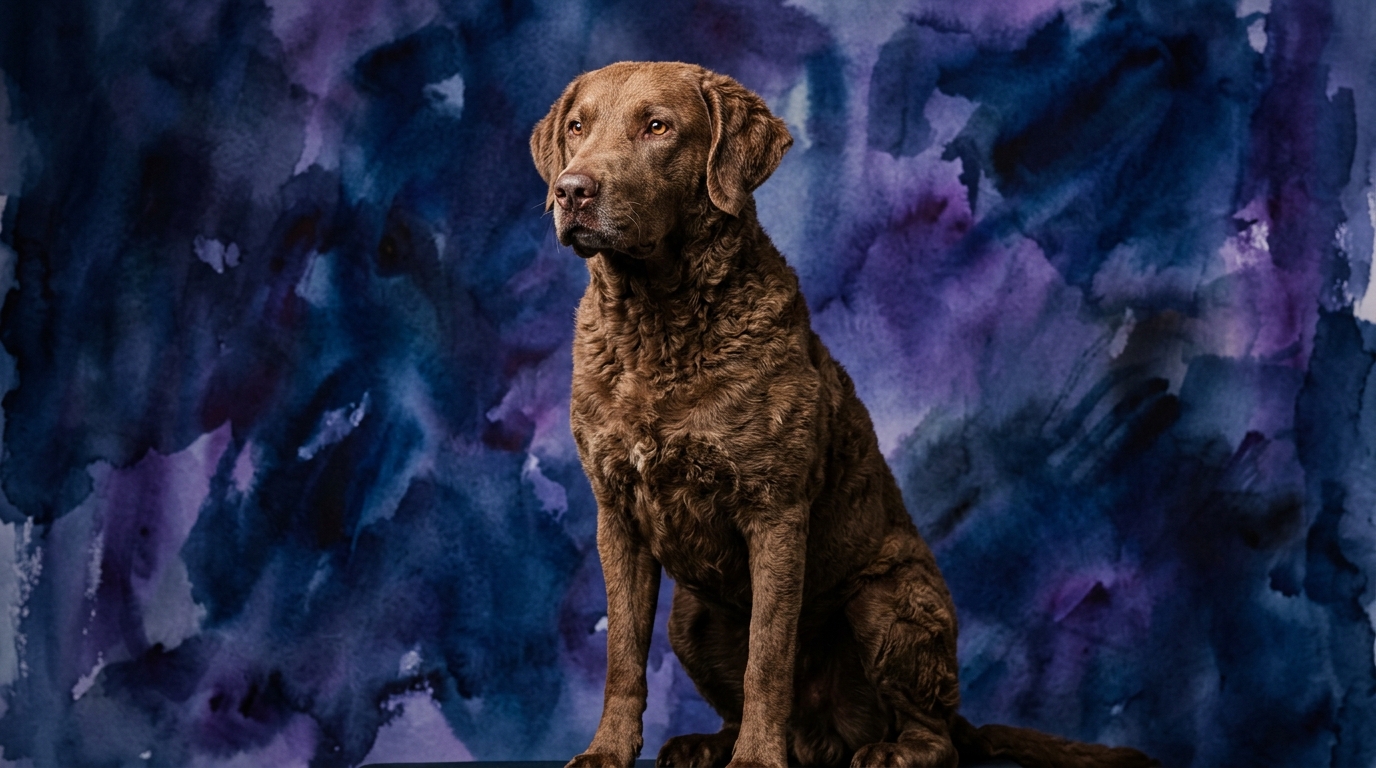
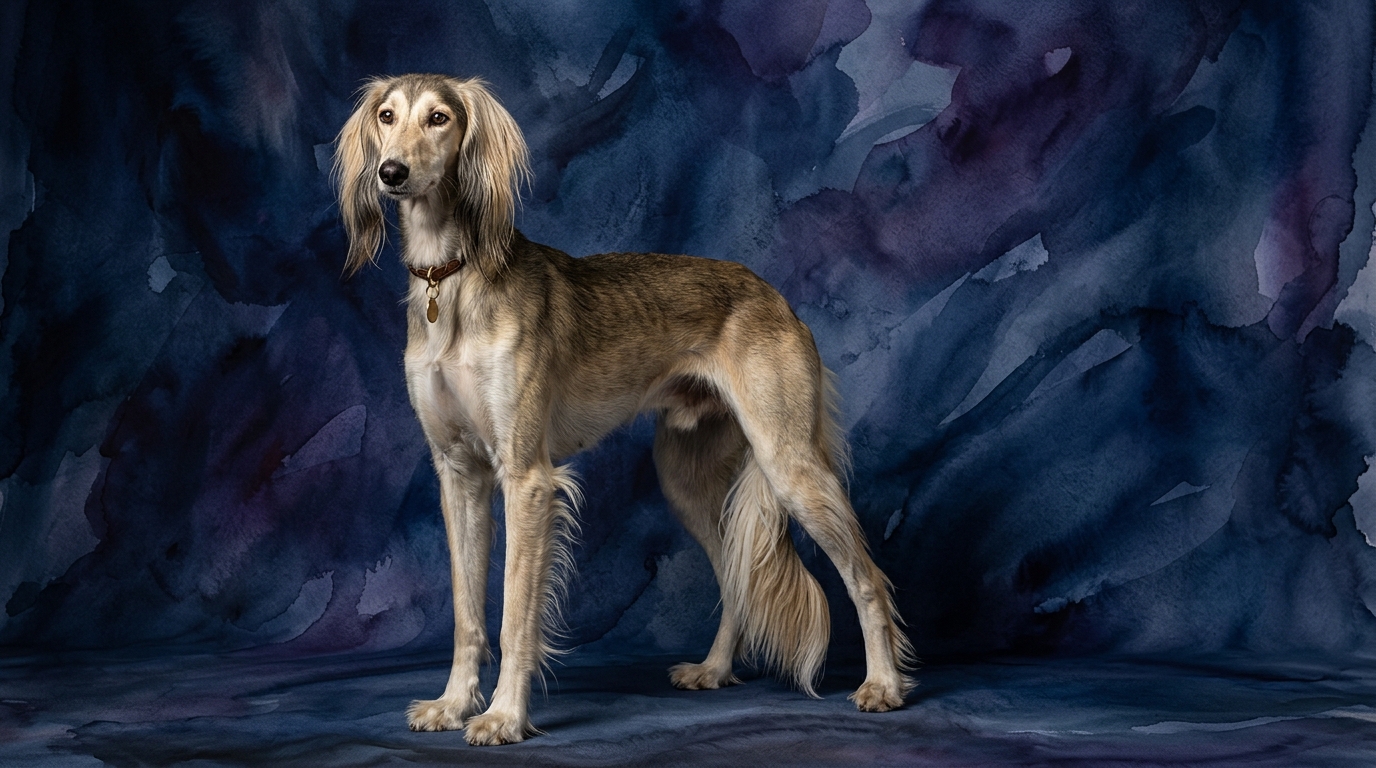
Side-by-side IQ profile
The Cosmic Pet Pet IQ Lab employs a five-dimensional framework to assess canine intelligence, offering a nuanced view beyond simple obedience. For the Chesapeake Bay Retriever, a Sporting breed, its Coren rank of #27 places it among breeds adept at understanding and executing commands, a reflection of its working heritage and capacity for focused application. Its Problem Solving is rated 4/5, indicating a strong ability to assess situations and devise effective strategies, particularly in complex retrieval or field tasks where adaptability is key. Training Speed also sits at 4/5, meaning Chessies typically grasp new commands and routines with relative swiftness, eager to engage with their handler and find satisfaction in cooperative learning. Social Intelligence is assessed at 3/5, suggesting they form strong, loyal bonds with their primary family but can be reserved or discerning with strangers, not necessarily seeking broad social interaction but rather deep connection. Instinctive Drive, at 3/5, highlights their inherent retrieving tendencies, a focused drive for specific tasks rather than an overwhelming, undirected energy, manageable with proper outlets and training. Finally, Memory at 4/5 signifies a robust ability to recall learned behaviors, locations, and sequences, crucial for consistent performance in their dedicated roles.
In contrast, the Saluki, a majestic Hound breed, does not appear on Coren's ranking, which often emphasizes biddability over independent thought, a trait inherent to many sighthounds. Its Problem Solving score is 3/5, indicating it can navigate challenges but often does so with a self-directed, independent approach, relying on its own judgment rather than seeking constant human guidance for every puzzle. Training Speed also registers at 3/5; Salukis learn, but their independent nature and often selective hearing mean they might take longer to internalize commands, often requiring more patience, positive reinforcement, and a different motivational approach centered on their self-interest. Social Intelligence, like the Chessie, is 3/5; they are deeply affectionate and loyal to their chosen people, forming profound connections, but maintain a dignified distance from outsiders, valuing calm and respectful interactions over boisterous engagement. Their Instinctive Drive is also 3/5, primarily manifesting as a powerful prey drive for chasing anything that moves, a deeply ingrained trait that can easily override other considerations and demands secure environments. Memory, at 3/5, suggests they remember routines, familiar people, and preferred locations well enough, but perhaps with less granular detail or commitment to human-centric sequences compared to a retriever, often prioritizing practical self-serving recall.
Where Chesapeake Bay Retriever wins cognitively
The Chesapeake Bay Retriever demonstrates a clear cognitive advantage in areas demanding cooperative problem-solving and task-oriented focus. Their 4/5 Problem Solving score shines when faced with retrieving challenges, such as locating a hidden duck in dense cover or navigating icy waters. This isn't just about physical prowess; it involves assessing environmental cues, strategizing a path, and remembering the last seen location of an object. Their superior 4/5 Training Speed means they are quicker to connect actions with consequences and associate verbal cues with desired behaviors, making them highly receptive partners in structured learning environments. Furthermore, their 4/5 Memory supports a reliable recall of vast repertoires of commands and complex sequences, enabling them to execute multi-step tasks consistently. This combination of quick learning, effective problem-solving, and robust memory makes the Chessie a standout for roles requiring precision, consistency, and a desire to work alongside a human.
Where Saluki wins cognitively
While the Saluki may not match the Chessie's scores in cooperative tasks, its cognitive strengths lie in areas demanding independent judgment and acute sensory perception, reflecting its sighthound heritage. Their 3/5 Problem Solving, while lower, is geared towards self-preservation and efficiency in open environments, such as identifying the quickest route to intercept a perceived quarry or navigating complex terrains without human direction. They possess an exceptional ability to process visual information over long distances, making rapid, autonomous decisions based on movement and shape. Their 3/5 Instinctive Drive, specifically their prey drive, is a testament to their specialized cognitive processing for hunting; they can fixate on a distant object and develop an immediate, focused plan of pursuit, filtering out distractions that other breeds might find overwhelming. This independent processing allows them to excel in situations where quick, self-initiated action is paramount, requiring less direct instruction and more freedom to act on their own, often subtle, environmental observations.
Which is easier to train and why
Based on their respective IQ profiles, the Chesapeake Bay Retriever is generally easier to train for obedience and task-specific roles. Their 4/5 Training Speed and 4/5 Problem Solving scores mean they are typically more eager to please and quicker to grasp new commands, often finding satisfaction in successful completion of a task for their handler. They possess a natural inclination to cooperate, making them responsive to positive reinforcement and clear instructions. A Chessie is likely to repeat a desired behavior if it leads to a reward or handler approval, exhibiting a more straightforward learning curve.
The Saluki, with 3/5 in both Training Speed and Problem Solving, presents a different training dynamic. While capable of learning, their independent nature and strong instinctive drives mean they often require more patience, consistency, and understanding of their unique motivations. A Saluki might learn a command but choose not to execute it if it conflicts with a stronger internal drive, such as spotting a squirrel or simply deciding the task isn't worth their effort at that moment. Training a Saluki often involves making them believe the command is their idea or appealing to their inherent desire for comfort and routine, rather than relying solely on a desire to please. Their sighthound heritage means their attention can be intensely focused on distant movement, making recall in an unsecured area a significant challenge, as their instincts can easily override learned commands.
Which suits active owners vs relaxed owners
For owners seeking an active, engaged companion eager for structured activities and outdoor adventure, the Chesapeake Bay Retriever is often an ideal match. Their 3/5 Instinctive Drive, while present, is typically channeled into retrieving games, swimming, hiking, and various dog sports, thriving on consistent mental and physical stimulation. They are built for endurance and enjoy having a job to do, making them excellent partners for owners who appreciate regular, vigorous exercise and want a dog actively involved in their daily routines. Their cooperative nature means they often integrate well into a busy, task-oriented household.
The Saluki, while requiring significant bursts of exercise, particularly secure off-leash running opportunities, can be surprisingly calm and relaxed indoors, making them suitable for owners who appreciate a dignified, less overtly demanding presence within the home. Their activity is often characterized by intense, short sprints followed by long periods of lounging. Owners who can provide a secure, spacious environment for their high-speed pursuits, but then enjoy a quiet, independent companion indoors, will find the Saluki a fitting choice. They are not typically a breed that constantly seeks attention or demands a 'job' in the same way a Chessie might, preferring to observe and enjoy comfort, making them suited for owners who respect their self-possessed nature and appreciate quiet companionship after their exercise needs are met.
The Verdict
For individuals seeking a highly cooperative, task-oriented companion eager to participate in training and outdoor adventures, the Chesapeake Bay Retriever offers a deeply rewarding partnership. They thrive with engagement and clear direction, making them excellent for active families or those involved in canine sports.
Conversely, the Saluki is best suited for owners who appreciate an independent, dignified companion, capable of intense bursts of speed but equally content with quiet companionship indoors. They require secure spaces for their instinctive runs and a patient approach to training that respects their self-directed nature.
🧠 Find Your Pet's IQ Score
Our Pet IQ Lab assessment covers 25+ tests across 5 cognitive dimensions — personalized to your breed.
Take the Full IQ Test →Frequently Asked Questions
Is a Chesapeake Bay Retriever a good choice for a first-time dog owner?
While Chessies are highly trainable, their strong will and need for consistent direction mean they are often better suited for owners with some prior dog experience. They thrive with clear leadership and regular engagement to channel their energy and intelligence effectively.
Do Salukis need a lot of exercise?
Salukis require regular, intense exercise, ideally in a securely fenced area where they can run at full speed. While they can be calm indoors, daily opportunities for vigorous sprints are crucial to satisfy their powerful sighthound instincts and maintain their physical and mental well-being.
How do the social needs of these two breeds differ?
Both breeds score 3/5 in social intelligence, meaning they form strong bonds with their immediate family but can be reserved with strangers. Chessies might be more overtly protective, while Salukis are typically more aloof and dignified, preferring to observe new people from a distance rather than seeking immediate interaction.