Side-by-Side Cognitive Profiles: Chessie vs. Silky
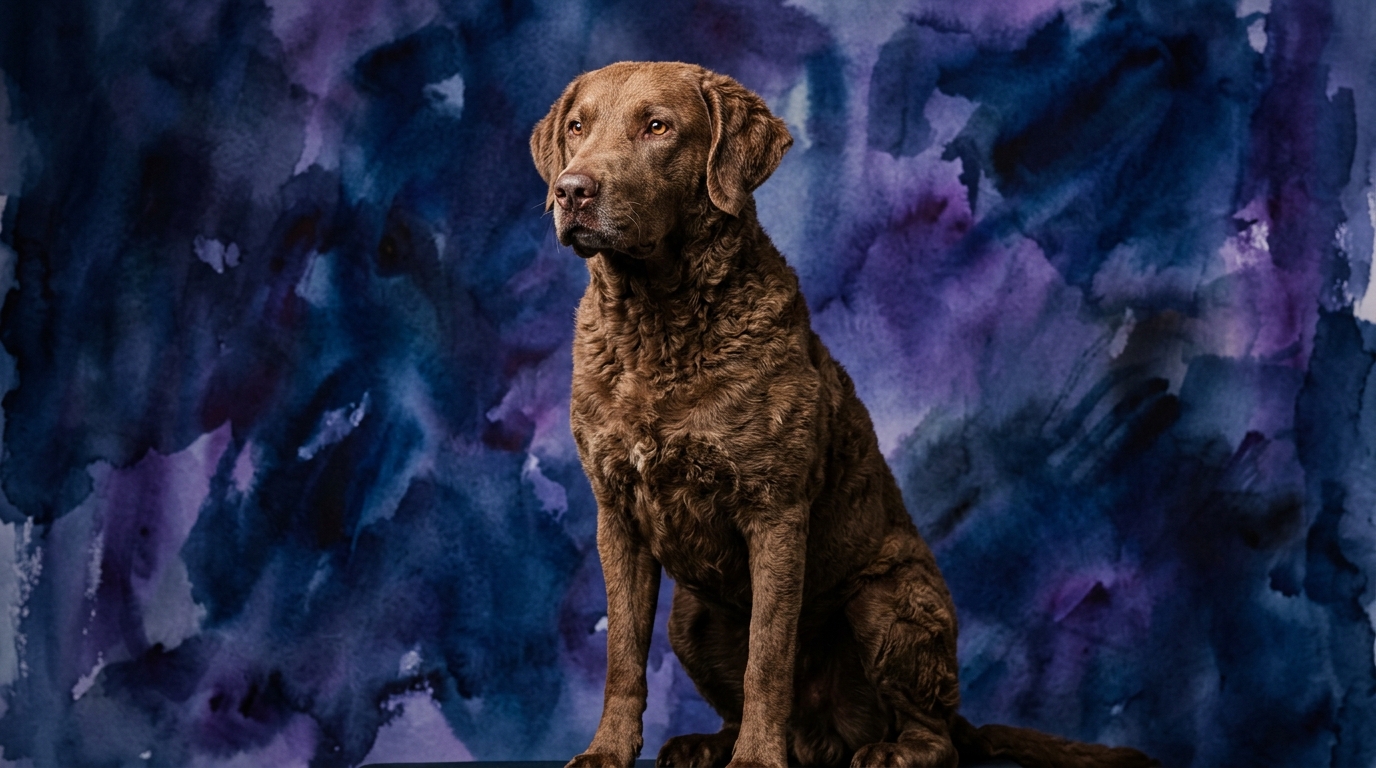
At The Cosmic Pet Pet IQ Lab, we analyze five key dimensions of canine cognition. For the Chesapeake Bay Retriever, a breed renowned for its working capabilities, we observe a strong profile: Problem Solving 4/5, Training Speed 4/5, Social Intelligence 3/5, Instinctive Drive 3/5, and Memory 4/5. This paints a picture of a dog adept at learning and retaining complex information, with a focused drive and a discerning social nature. Its Coren rank of #27 further supports its capacity for understanding and executing commands efficiently.
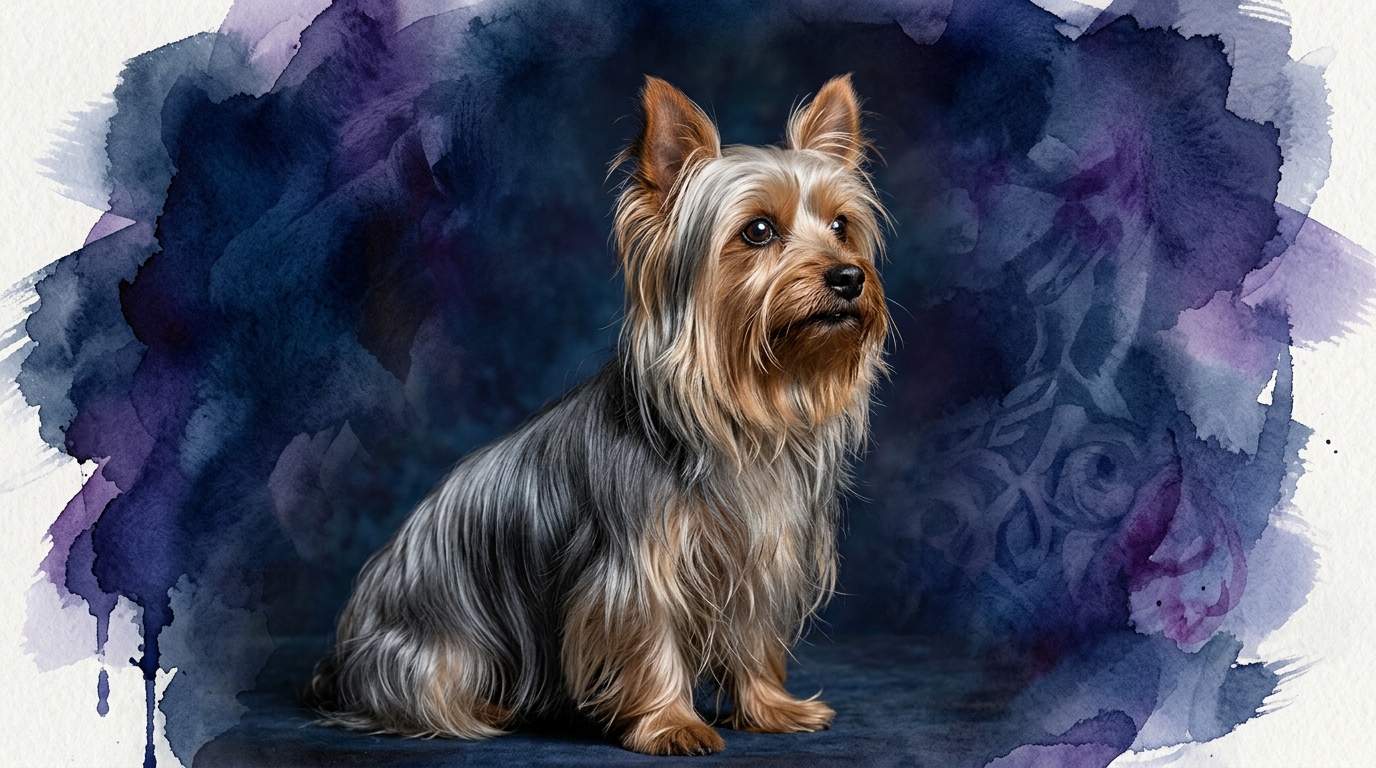
The Silky Terrier, a charming companion from the Toy group, presents a balanced yet distinct cognitive blueprint. Its scores include Problem Solving 3/5, Training Speed 3/5, Social Intelligence 3/5, Instinctive Drive 3/5, and Memory 3/5. While not Coren-ranked, these scores indicate a capable and alert dog that consistently learns and adapts, possessing a practical understanding of its environment and social interactions. Both breeds share similar ratings for social intelligence and instinctive drive, hinting at commonalities in how they engage with their surroundings and companions, despite their vastly different physical forms and historical roles.
Where the Chesapeake Bay Retriever Excels Cognitively
The Chesapeake Bay Retriever's higher scores in Problem Solving (4/5), Training Speed (4/5), and Memory (4/5) highlight its superior capacity for complex cognitive functions. Their problem-solving prowess is evident in their ability to navigate intricate retrieving scenarios, such as remembering the fall of multiple birds in different locations or finding a specific scent amidst distractions. This isn't just about following commands; it's about making independent decisions to achieve a goal, adapting to terrain, wind, and water conditions, demonstrating a flexible and strategic mind.
Their elevated Training Speed means they grasp new commands and concepts with remarkable efficiency. A Chessie quickly forms associations between cues and desired actions, often requiring fewer repetitions than many other breeds to master a new skill. This rapid learning curve makes them exceptional candidates for advanced obedience, field trials, and various working roles where precision and swift understanding are paramount. Complementing this is their robust Memory, allowing them to retain vast amounts of information, from specific hand signals and verbal cues to the layout of frequently visited fields, ensuring consistent performance over time and across diverse environments. This strong recall makes them reliable partners in any task they are trained for, from competitive sports to search and rescue.
Where the Silky Terrier's Cognitive Profile Shines for Specific Lifestyles
While the Silky Terrier’s cognitive scores are generally a point lower than the Chessie’s, its profile of 3/5 across all dimensions indicates a highly functional and adaptable mind, particularly suited for its role as a vigilant companion. Its Problem Solving at 3/5 means a Silky can adeptly figure out how to get to a favorite toy hidden under a blanket or navigate a familiar house for a treat. This isn't the complex strategizing of a retriever, but rather a practical, persistent approach to daily challenges that makes them engaging and resourceful household members.
The Silky Terrier's Training Speed (3/5) suggests a consistent learner, capable of mastering a wide range of commands and tricks with clear, patient instruction. They may not absorb information at the Chessie's pace, but they are certainly receptive and can become well-mannered companions through regular, positive reinforcement. Their Social Intelligence (3/5) indicates they are attuned to their family's moods and routines, forming close bonds while remaining observant of their surroundings. This balanced social awareness allows them to integrate smoothly into family life, offering companionship without being overly demanding or aloof. Similarly, their Instinctive Drive (3/5) manifests as a keen alertness and a playful curiosity, making them excellent watchdogs within their size class and engaging partners for interactive play, always ready to investigate a new scent or sound. Paired with a Memory score of 3/5, they reliably recall learned behaviors and routines, ensuring a predictable and comfortable daily life for both dog and owner.
Training Dynamics: Which Breed is Easier and Why
When considering ease of training, the Chesapeake Bay Retriever holds an advantage with a Training Speed of 4/5 compared to the Silky Terrier’s 3/5. Chessies were selectively bred for rigorous work, fostering a strong desire to cooperate with their handler and a remarkable ability to process and execute commands quickly. Their drive to please, combined with their high problem-solving capacity, means they often anticipate what is expected and thrive on having a purpose. They respond well to consistent, firm-but-fair training methods and excel in structured environments, absorbing complex sequences of commands with relative ease.
The Silky Terrier, while trainable, may present a different set of considerations due to its independent terrier spirit. A 3/5 Training Speed indicates they learn consistently, but their inherent tenacity and occasional stubbornness mean they might require more creative motivation and patience. Silky Terriers often respond best to training that feels like a game, incorporating fun and immediate rewards to hold their attention. They might test boundaries more frequently than a Chessie, requiring a handler who is consistent and engaging to maintain focus. While both breeds benefit from early socialization and positive reinforcement, the Chessie's inherent drive for partnership makes the initial training journey generally more straightforward for dedicated owners.
Matching Cognition to Lifestyles: Active vs. Relaxed Owners
The cognitive profiles of these two breeds offer clear guidance for matching them with appropriate owner lifestyles. The Chesapeake Bay Retriever, with its high problem-solving, training speed, and memory, demands an active and mentally stimulating environment. These dogs are not content with just a daily walk; they require consistent engagement through activities like retrieving games, advanced obedience, dog sports, or even a working role. An owner who enjoys outdoor adventures, has the time for regular training sessions, and can provide ample mental challenges will find the Chessie to be an incredibly rewarding and dedicated companion. A relaxed owner might struggle to meet their extensive cognitive and physical needs, potentially leading to boredom-induced behaviors.
The Silky Terrier, while a toy breed, is far from a sedentary lap dog, boasting a balanced 3/5 across all cognitive dimensions. They are adaptable but still require mental and physical engagement to prevent boredom. An owner who enjoys moderate daily walks, engages in interactive playtime, and provides consistent, short training sessions or puzzle toys will find the Silky to be a delightful and attentive companion. They can thrive with owners who appreciate their watchful nature and playful spirit, and while they can certainly enjoy downtime, they are not suited for entirely relaxed owners who cannot commit to providing regular mental stimulation and physical activity. Their compact size makes them suitable for various living situations, including apartments, as long as their stimulation needs are met indoors and out.
The Verdict: When to Choose Each Breed
The Verdict
Choose the Chesapeake Bay Retriever if you are an active individual or family seeking a dedicated working companion or a robust partner for demanding outdoor pursuits, thriving on complex tasks and consistent mental engagement.
Opt for the Silky Terrier if you desire a spirited, adaptable companion who enjoys moderate activity and mental challenges within a family setting, and appreciates a discerning, watchful nature in a smaller package.
🧠 Find Your Pet's IQ Score
Our Pet IQ Lab assessment covers 25+ tests across 5 cognitive dimensions — personalized to your breed.
Take the Full IQ Test →Frequently Asked Questions
Are Chesapeake Bay Retrievers good family dogs?
Yes, they form strong bonds with their families, showing loyalty and protective instincts. However, their reserved social intelligence (3/5) means early and consistent socialization is crucial for them to be comfortable with strangers and other animals.
Do Silky Terriers bark a lot?
Silky Terriers, with their instinctive drive (3/5) for alertness, can be prone to barking at novel sights or sounds as a form of communication or warning. Consistent training, early desensitization, and managing their environment can help manage this natural terrier tendency effectively.
Which breed is better for apartment living?
The Silky Terrier is generally better suited for apartment living due to its smaller size and moderate activity needs, provided it receives daily walks and consistent mental stimulation. The Chesapeake Bay Retriever, with its larger size and higher energy demands, typically requires more space and outdoor access to truly thrive.