Unpacking Their Cognitive Blueprints: A Side-by-Side Look
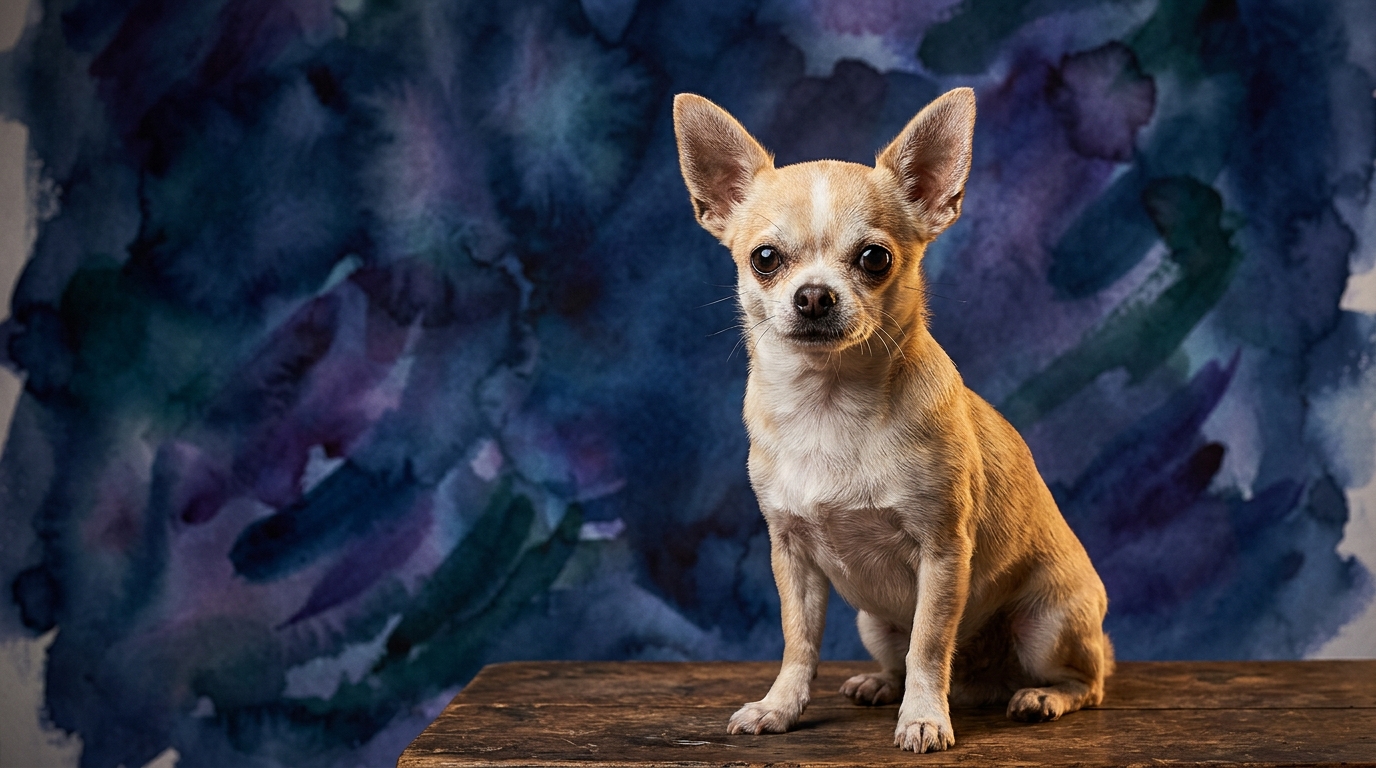
The Pet IQ Lab's assessment offers a detailed lens into the unique cognitive landscape of both the diminutive Chihuahua and the formidable Akita. For the Chihuahua, classified as a Toy breed with a Coren rank of #67, its cognitive profile reveals a balanced intellect: problem Solving at 3/5, training Speed at 3/5, social Intelligence at 4/5, instinctive Drive at 3/5, and memory at 4/5. This suggests a dog that is moderately adaptable, learns at a steady pace, and is particularly astute in social settings, retaining experiences effectively.
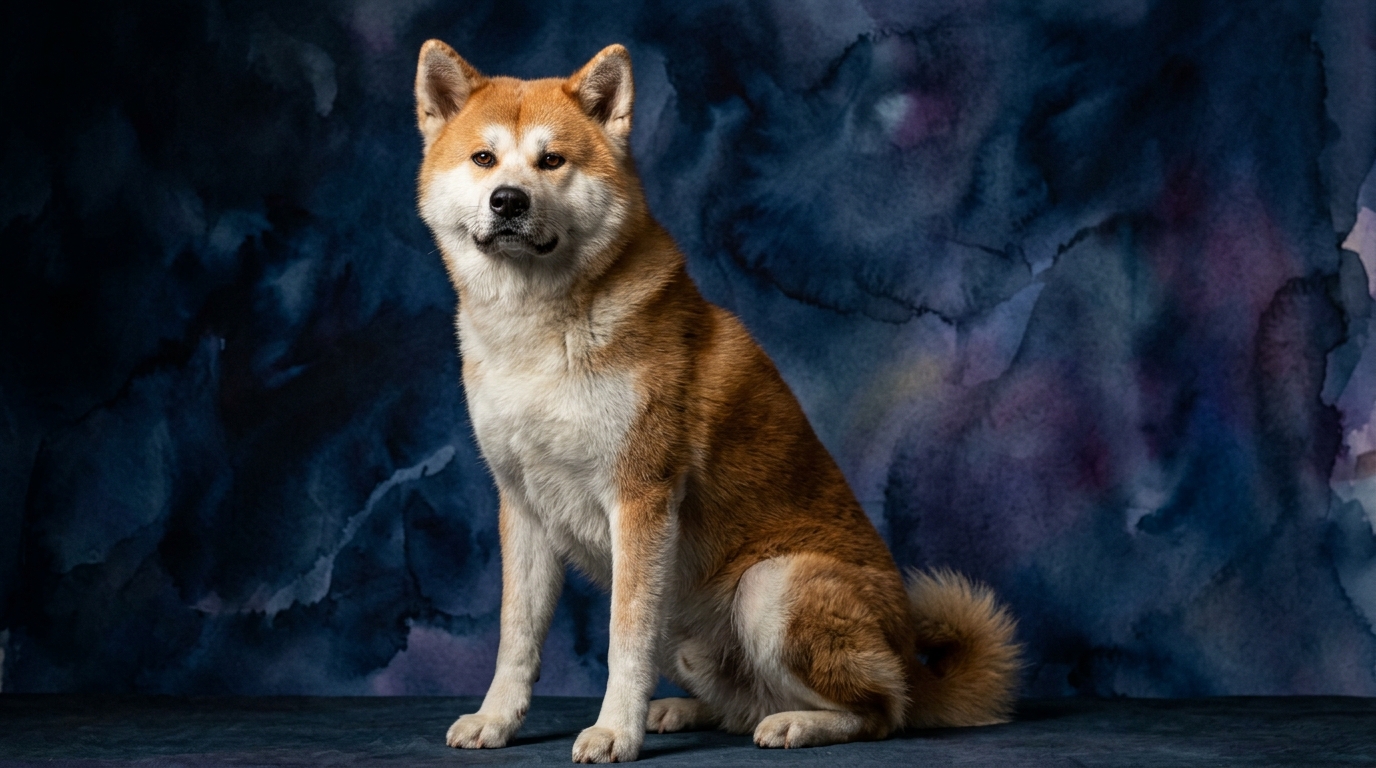
In contrast, the Akita, a Working breed with a higher Coren rank of #54, presents a distinct set of cognitive strengths. Its IQ breakdown includes problem Solving at 3/5, training Speed at 2/5, social Intelligence at 3/5, an exceptional instinctive Drive at 5/5, and memory at 4/5. While sharing similar problem-solving and memory capabilities with the Chihuahua, the Akita distinguishes itself with a powerful inherent drive and a more deliberate approach to learning new commands, alongside a more reserved social disposition.
The Coren rank, which measures working and obedience intelligence, places the Akita (54) numerically higher than the Chihuahua (67). This indicates that the Akita generally possesses a greater capacity for understanding and executing commands, though its strong independent nature plays a significant role in its willingness to comply, often choosing to engage when it perceives value or purpose.
Where the Chihuahua's Mind Shines Brightest
The Chihuahua's cognitive profile reveals a particular strength in social intelligence, scoring 4/5 compared to the Akita's 3/5. This indicates a breed adept at understanding human emotions and intentions, making them highly responsive and emotionally attuned companions. They often pick up on subtle cues, anticipating owner moods or needs, which translates to a profound emotional connection and adaptability within a human household, allowing them to navigate complex social dynamics with a distinct ease.
Furthermore, the Chihuahua's training speed, rated at 3/5 (versus the Akita's 2/5), combined with their social acumen, makes them generally more amenable to learning new commands and routines. While not the fastest learners, their eagerness to engage and form connections often translates into a cooperative attitude during training sessions. They tend to respond well to interactive training methods and positive reinforcement, often showing quicker progress in basic obedience and trick training as they view it as a shared activity with their cherished human.
The Akita's Cognitive Strengths: A Deep-Seated Resolve
The Akita’s most pronounced cognitive asset lies in its exceptional instinctive drive, registering a perfect 5/5, significantly higher than the Chihuahua's 3/5. This powerful drive is deeply rooted in their history as formidable hunting and guarding dogs, manifesting as unwavering protective instincts, profound loyalty, and a keen awareness of their surroundings. This robust drive is a cognitive strength, enabling them to make independent and decisive judgments when safeguarding their family or territory, rather than simply reacting.
While both breeds share a 3/5 in problem-solving and a 4/5 in memory, the Akita's application of these traits is often colored by its intense instinctive drive. Their problem-solving might focus on strategic observation and resourcefulness in situations requiring vigilance or protection. Their strong memory ensures consistent recall of individuals they trust and those they perceive as potential threats, contributing to their discerning and protective nature. Their cognitive processing often leans towards assessing situations for safety and loyalty, rather than mere social interaction.
The Akita's higher Coren rank (54) further underscores its capacity for working intelligence, indicating a breed that can comprehend and perform complex tasks, albeit with a unique independent spirit. This breed’s intelligence is often expressed through its profound loyalty and discerning judgment, rather than through eager submission to every command, requiring an owner who respects and understands this self-assured cognitive style.
Ease of Training: A Matter of Motivation and Temperament
When it comes to training, the Chihuahua (training Speed 3/5, social Intelligence 4/5) is generally perceived as easier to train for a typical household. Their eagerness to engage and their ability to read human signals make them receptive to instruction. They thrive on positive reinforcement and view training as an opportunity for interaction and bonding, often learning new commands quickly when motivation is high and sessions are fun and engaging.
The Akita (training Speed 2/5, social Intelligence 3/5) presents a different training dynamic. Their strong independent streak and lower training speed mean that consistent, patient, and firm training is essential, often requiring a more experienced hand. They learn, but often on their own terms, necessitating trainers to understand their inherent drives and motivations. They are not as inherently eager to please and may require more creative and less repetitive training approaches to maintain engagement, as their compliance is often tied to respect for their owner rather than an innate desire to obey every command.
A real behavioral difference might be seen in teaching a simple 'sit.' A Chihuahua might quickly learn 'sit' for a treat and a happy word, eagerly repeating it. An Akita, while capable of learning 'sit,' might choose not to perform it if they don't perceive an immediate value in the situation or if their powerful guarding instincts are engaged elsewhere. Their obedience is often a conscious choice based on their assessment of the situation and their relationship with their owner.
Matching Minds to Lifestyles: Active vs. Relaxed Owners
For owners seeking a more relaxed pace, the Chihuahua often proves to be an ideal cognitive match. Their high social intelligence and moderate instinctive drive make them excellent companions who thrive on close human companionship, often content with short walks and indoor play. Their cognitive profile allows them to be highly attentive to their owners' routines and moods, fitting seamlessly into a less demanding lifestyle where their primary role is that of a cherished, perceptive companion.
Conversely, the Akita's powerful instinctive drive (5/5) means they require significant mental and physical engagement, making them better suited for active and experienced owners. Owners need to provide structured activities that channel their guarding instincts and problem-solving abilities, such as advanced obedience, scent work, or secure environments for patrolling. This breed thrives with consistent leadership and owners who appreciate and can manage a dog with strong independent thought and protective tendencies, understanding that 'active' refers not only to physical exercise but also to active, consistent mental stimulation and guidance.
The Verdict: When to Choose Each
The Verdict
Choose a Chihuahua if you seek a highly socially attuned companion who will integrate easily into a relaxed home environment and responds well to interactive, positive training methods.
Opt for an Akita if you are an experienced, active owner ready to provide consistent leadership, channel strong instinctive drives, and appreciate a discerning, loyal companion who thrives on purpose-driven engagement.
🧠 Find Your Pet's IQ Score
Our Pet IQ Lab assessment covers 25+ tests across 5 cognitive dimensions — personalized to your breed.
Take the Full IQ Test →Frequently Asked Questions
Do Chihuahuas or Akitas remember commands better?
Both breeds possess a strong memory, scoring 4/5. Chihuahuas might appear to remember commands better due to their higher training speed and social intelligence, making them more likely to perform them. Akitas certainly remember, but their independent nature often dictates when they choose to demonstrate that recall, rather than a lack of memory.
How does social intelligence impact daily life with these breeds?
A Chihuahua's higher social intelligence (4/5) means they are generally more responsive to human emotional cues, making them highly empathetic and adaptable family members, often seeking close interaction. An Akita's moderate social intelligence (3/5) suggests they are more reserved, forming deep bonds but often expressing affection and engagement on their own terms, requiring owners to understand their subtle signals and appreciate their dignified nature.
Can an Akita be trained as easily as a Chihuahua?
While both can be trained, an Akita's training journey requires more patience, consistency, and a deep understanding of their independent and strong-willed nature compared to a Chihuahua. The Akita's lower training speed (2/5) means that traditional obedience might take longer to instill, and they often respond best to training that respects their discerning judgment and strong instinctive drives, rather than just rote repetition.