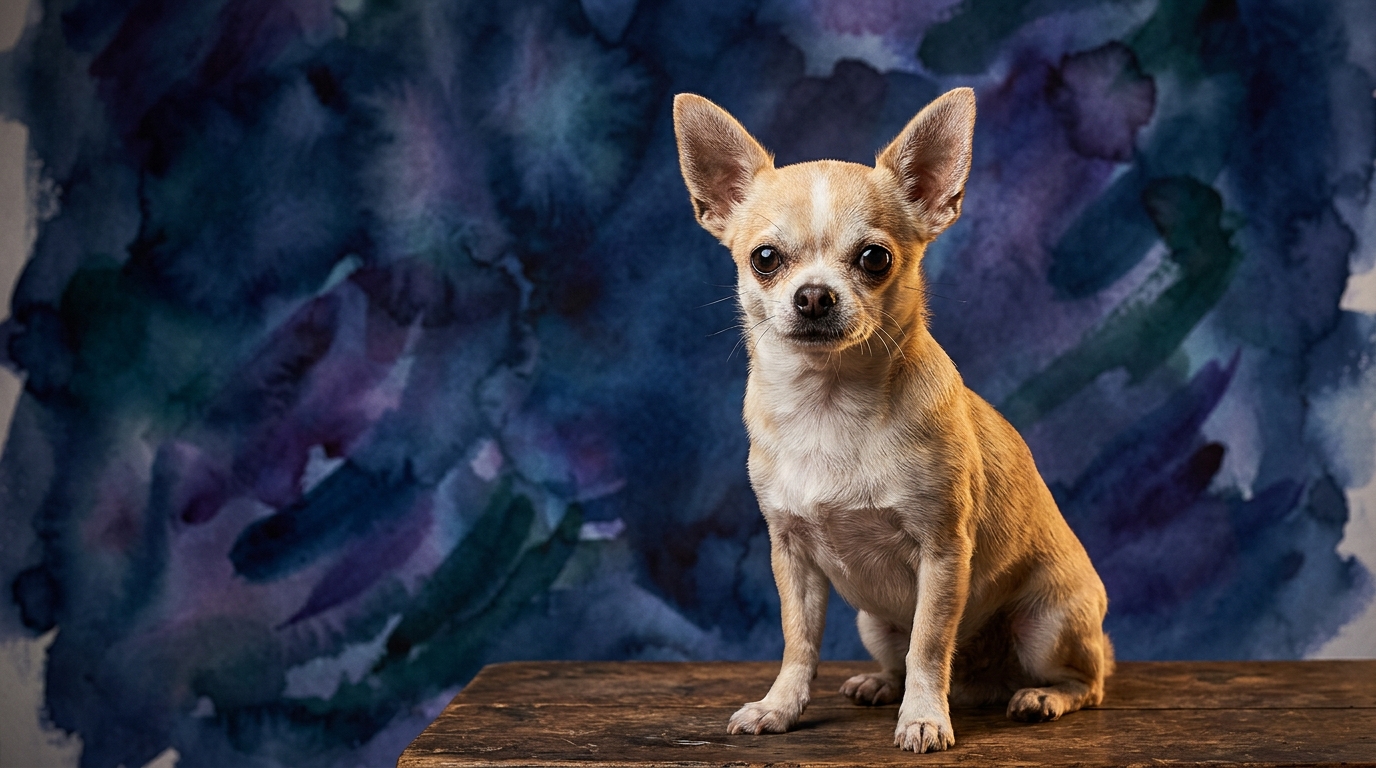
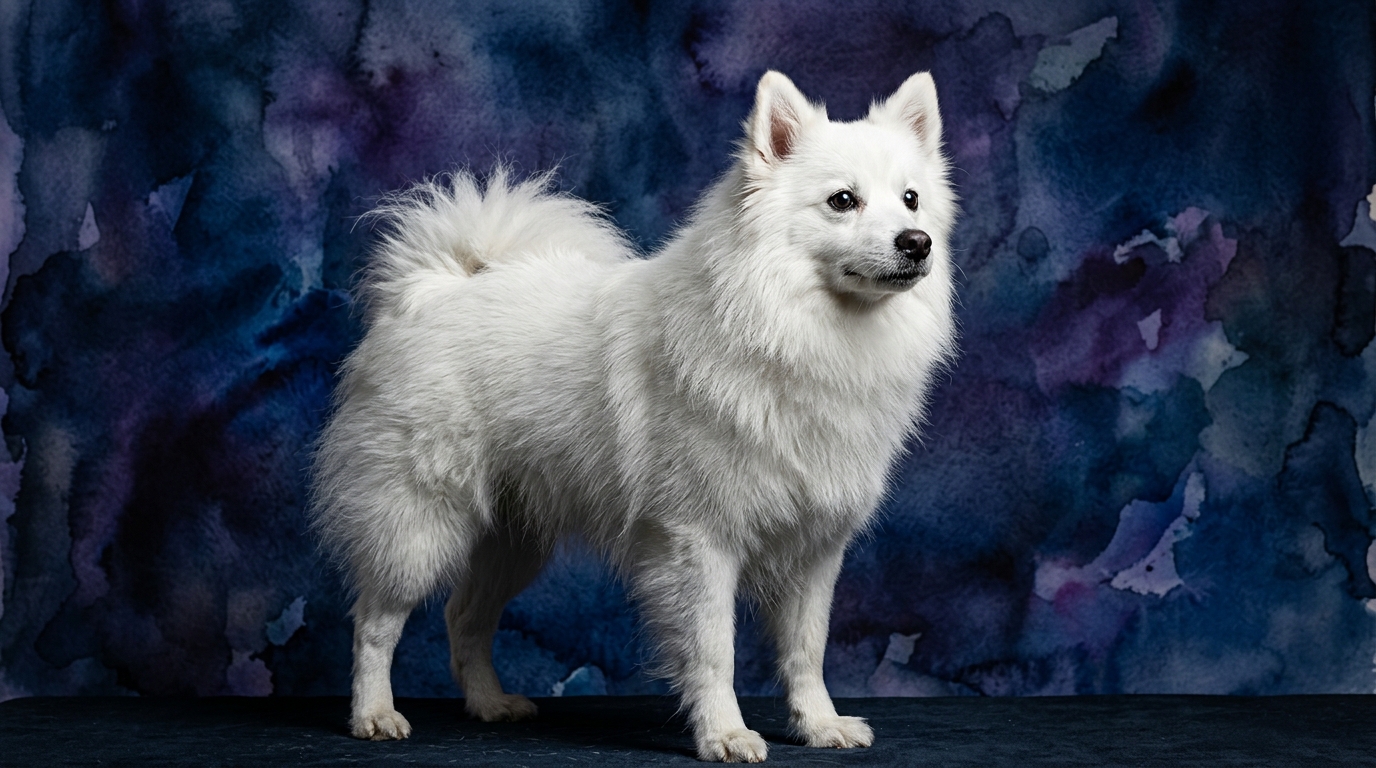
Side-by-Side Cognitive Profiles: Chihuahua vs. American Eskimo Dog
Our Pet IQ Lab evaluates canine cognition across five critical dimensions: Problem Solving, Training Speed, Social Intelligence, Instinctive Drive, and Memory. Understanding these facets provides a comprehensive look at how each breed processes information and interacts with their world.
The Chihuahua, a Toy group dog, scores a 3/5 in Problem Solving, indicating an ability to navigate moderately complex challenges and learn through trial and error. Their Training Speed is also 3/5, suggesting a steady pace in acquiring new commands. Where Chihuahuas truly shine is in Social Intelligence, earning a 4/5, reflecting their exceptional capacity to interpret human cues, bond deeply, and adapt to social environments. Their Instinctive Drive is a balanced 3/5, while their Memory stands out at 4/5, allowing for strong recall of routines, commands, and specific individuals over time.
The American Eskimo Dog, from the Non-Sporting group, presents a consistently balanced cognitive profile, scoring 3/5 across all five dimensions. This means they possess a solid aptitude for Problem Solving, capable of figuring out puzzles and new situations with moderate effort. Their Training Speed of 3/5 indicates they learn at a comparable rate to the Chihuahua, requiring consistent guidance. A 3/5 in Social Intelligence suggests they are responsive to human interaction but might not possess the same nuanced interpretative skills as their Toy counterpart. Their Instinctive Drive is 3/5, reflecting a moderate inherent motivation, and their Memory also registers 3/5, meaning they retain information effectively with regular reinforcement.
Where the Chihuahua Shines Cognitively
The Chihuahua’s cognitive strengths are particularly evident in their social acumen and recall abilities. With a 4/5 in Social Intelligence, they demonstrate a superior capacity to understand and respond to human emotions, body language, and vocal inflections. This isn't just about being affectionate; it's about a sophisticated ability to read their human companions, anticipating needs and reacting sensitively to subtle shifts in mood or environment. Such a high score means they can form incredibly strong, almost intuitive bonds, making them exceptionally attuned companions.
Furthermore, the Chihuahua's 4/5 Memory score is a significant advantage. This robust recall extends beyond simple command retention; it encompasses remembering specific people, places, and past experiences with remarkable clarity. For an owner, this translates to a dog that quickly learns household routines, remembers visitors, and can recall complex sequences of events, contributing to a sense of stability and predictability in their daily lives. Their superior memory aids in reinforcing positive behaviors and makes them less prone to forgetting learned lessons, provided the initial training was effective.
Where the American Eskimo Dog Presents Unique Strengths
While the American Eskimo Dog doesn't boast higher individual scores than the Chihuahua in any specific category, its consistent 3/5 across all dimensions signifies a remarkable cognitive balance and versatility. This uniform capability means they are reliably moderate in all aspects of intelligence, offering a robust and adaptable mental framework. Their 3/5 in Problem Solving ensures they are capable of learning new tasks and adapting to various environments without undue difficulty, making them practical and resilient companions.
The Eskie's balanced 3/5 Instinctive Drive, coupled with similar scores in problem-solving and training speed, suggests a dog that is neither overly driven nor lethargic. This translates to a steady eagerness to engage in activities, making them well-suited for a variety of tasks without becoming hyper-focused on a single type of stimulus. This consistency across their cognitive profile contributes to a generally stable and predictable temperament, which can be a distinct advantage for owners seeking a dependable and evenly-tempered canine partner capable of handling diverse situations without extreme cognitive demands or sensitivities.
Training Dynamics: Which Breed Offers an Easier Path?
When considering ease of training, both the Chihuahua and the American Eskimo Dog share a 3/5 rating in Training Speed, suggesting they acquire new commands at a similar, moderate pace. However, the Chihuahua's superior Social Intelligence (4/5) and Memory (4/5) can significantly influence the *perceived* ease of training. A Chihuahua's heightened ability to read human cues means they are often more responsive to subtle commands and emotional feedback, making them appear more eager to please and quicker to comply with their specific handler. Their excellent memory also means lessons stick more readily, requiring less frequent reteaching once a concept is grasped.
Conversely, the American Eskimo Dog, with 3/5 in both Social Intelligence and Memory, might require a more structured and explicit training approach. While they are certainly capable learners, their slightly lower social intelligence means they may not always pick up on nuanced handler intentions as quickly. Their moderate memory necessitates consistent repetition and clear, unambiguous instructions to ensure long-term retention. Owners of Eskies might find success by focusing on positive reinforcement and engaging their moderate instinctive drive (3/5) through varied, stimulating training sessions that tap into their versatile nature, rather than relying on subtle social cues alone.
Matching Canine Cognition to Owner Lifestyles
The cognitive profiles of the Chihuahua and American Eskimo Dog suggest they thrive in different owner environments. The Chihuahua, despite its small stature, demands significant mental engagement, particularly through social interaction and consistent routines that leverage its high social intelligence and memory. For a relaxed owner who enjoys close companionship and can provide ample one-on-one attention, engaging in mental games, and reinforcing complex social cues, a Chihuahua can be an incredibly rewarding match. Their moderate instinctive drive means they are generally content with less strenuous physical activity, but their minds crave connection.
The American Eskimo Dog, with its balanced 3/5 scores across the board, is well-suited for owners who appreciate a more versatile and moderately active companion. Their consistent problem-solving and training speed, coupled with a moderate instinctive drive, means they enjoy learning new tricks, participating in dog sports like agility or obedience, and engaging in regular, varied physical activity. Active owners who can provide consistent training, varied mental challenges, and opportunities for exploration will find the Eskie's balanced cognitive traits make them a highly adaptable and capable partner for a range of activities, without the intensity of a highly specialized working breed.
The Verdict
Choose a Chihuahua if you seek a highly socially attuned companion who thrives on deep personal connection and intricate communication, excelling in memory and understanding subtle human cues.
Opt for an American Eskimo Dog if you desire a well-rounded, versatile companion with consistent cognitive abilities across the board, capable of adapting to varied activities and requiring steady, clear guidance.
🧠 Find Your Pet's IQ Score
Our Pet IQ Lab assessment covers 25+ tests across 5 cognitive dimensions — personalized to your breed.
Take the Full IQ Test →Frequently Asked Questions
Do Chihuahuas truly have better memory than American Eskimo Dogs?
Based on our Pet IQ Lab scores, Chihuahuas indeed show a higher capacity for memory (4/5) compared to American Eskimo Dogs (3/5). This suggests Chihuahuas can recall commands, routines, and specific experiences with greater clarity and for longer durations, which benefits consistency in learned behaviors.
How does social intelligence impact daily life with these breeds?
A Chihuahua's higher social intelligence (4/5) means they are exceptionally adept at reading human emotions and intentions, leading to more intuitive companionship and fewer misunderstandings. An American Eskimo Dog's 3/5 social intelligence indicates they are responsive and cooperative, but may require more explicit communication to fully grasp complex social nuances.
Are American Eskimo Dogs harder to train because they aren't Coren-ranked?
The absence of a Coren rank for the American Eskimo Dog doesn't inherently mean they are harder to train; it simply means they weren't part of that specific study. Our Pet IQ Lab scores show both breeds have a 3/5 Training Speed, meaning they learn at a similar moderate pace, though the Chihuahua's higher memory and social intelligence may aid in retention and responsiveness.