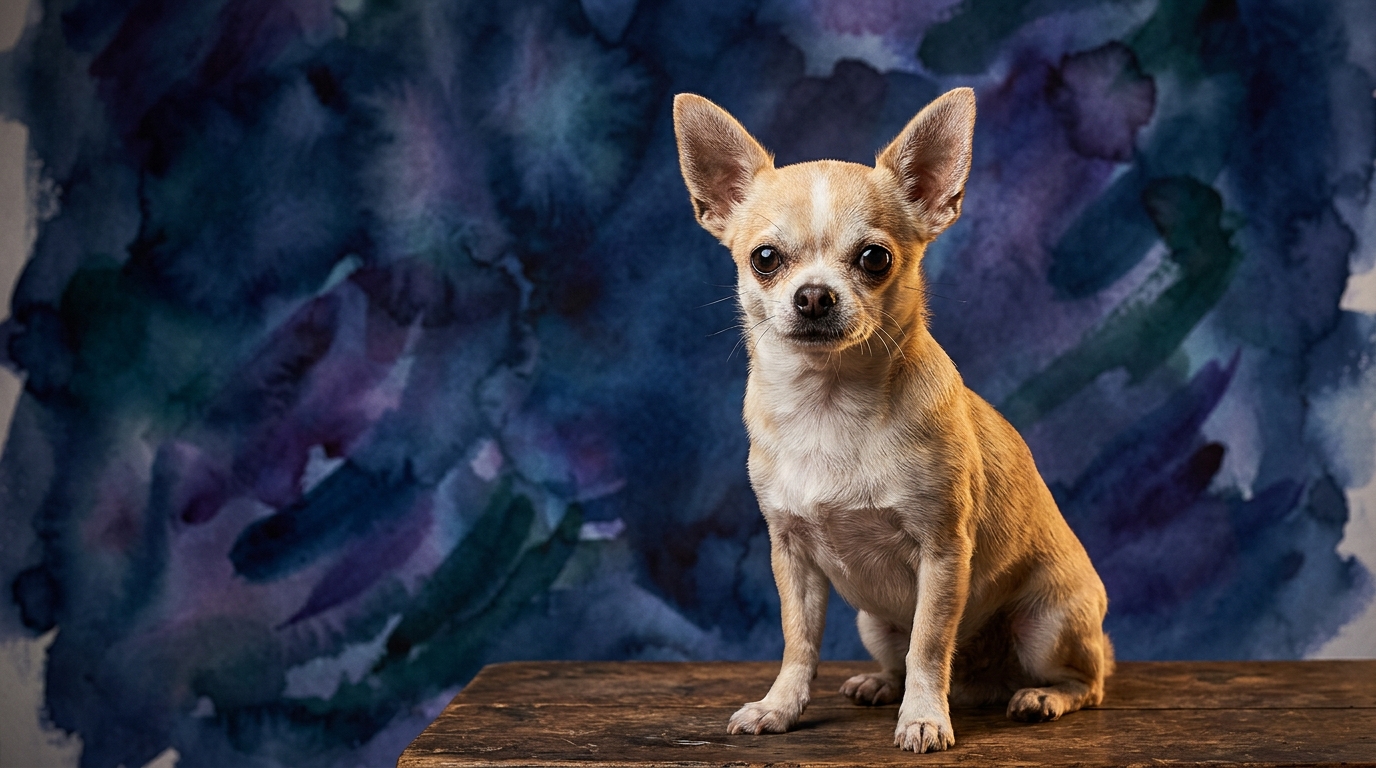
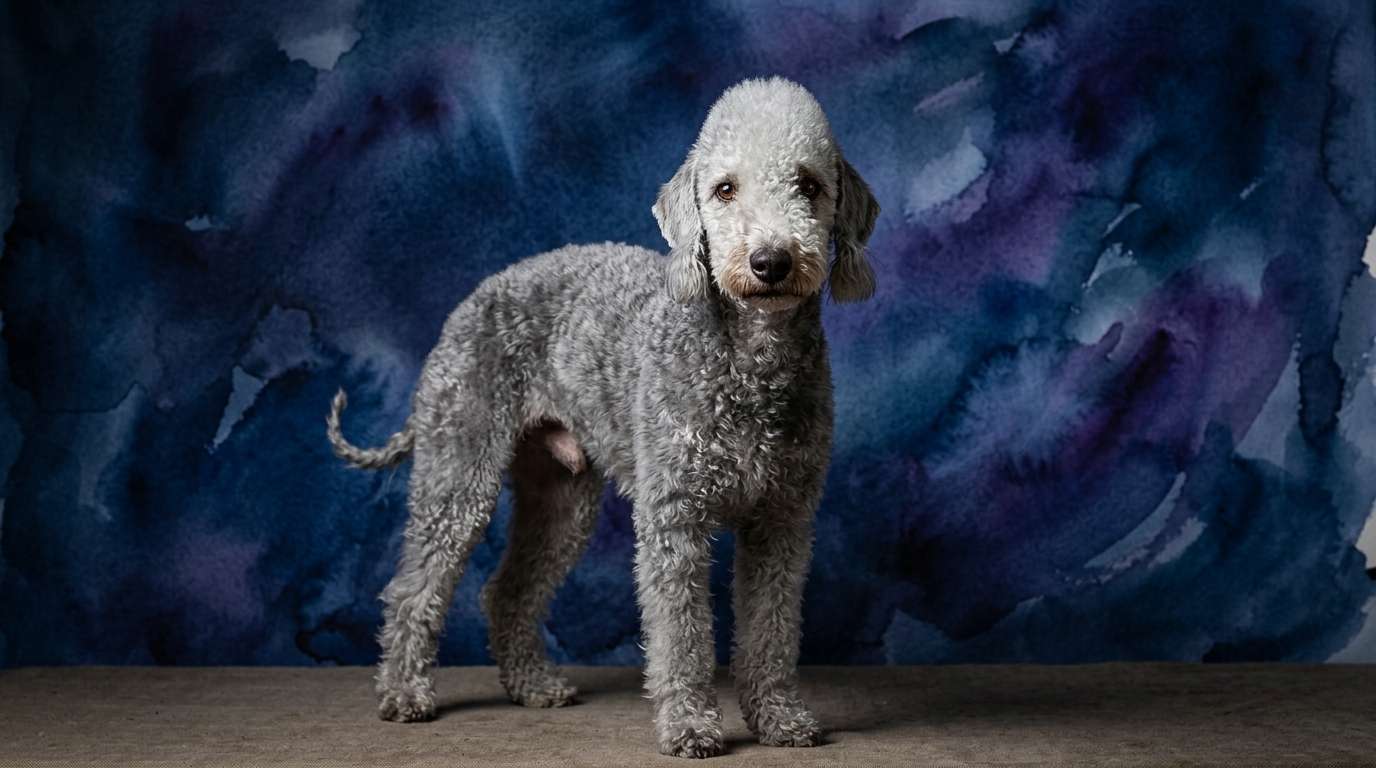
Side-by-Side IQ Profile: Chihuahua vs. Bedlington Terrier
The Cosmic Pet Pet IQ Lab offers a nuanced perspective on canine cognitive abilities, moving beyond simple 'smart' labels to dissect specific dimensions of intelligence. For our two contenders, the Chihuahua and the Bedlington Terrier, we see both similarities and subtle, yet significant, differences across these five key areas.
**Chihuahua (Toy Group, Coren Rank #67):** These small companions possess a cognitive profile that emphasizes social connection and retention. Their **Problem Solving (3/5)** shows a moderate capacity for navigating novel situations, often leveraging their relationship with humans. **Training Speed (3/5)** indicates an average pace for learning new commands, responding well to clear, patient instruction, though focused sessions are beneficial. A standout trait is their **Social Intelligence (4/5)**, displaying a high aptitude for understanding and responding to human emotions and cues, forming deep bonds. Their **Instinctive Drive (3/5)** is present at a moderate level, typically less intense than working breeds. Lastly, their **Memory (4/5)** is strong, contributing to their ability to maintain complex training and adapt to consistent environments.
**Bedlington Terrier (Terrier Group, Not Coren-ranked):** This distinctive terrier exhibits a cognitive makeup rooted in its working heritage. Their **Problem Solving (3/5)** also shows a moderate ability to tackle challenges, often displaying a determined and independent approach, favoring exploratory efforts over human guidance. **Training Speed (3/5)** is average; they require clear, consistent training, and their independent streak means motivation must be compelling. **Social Intelligence (3/5)** is moderate; they form strong bonds but may not be as overtly attuned to subtle human emotional shifts, preferring straightforward interactions. Their **Instinctive Drive (3/5)**, while rated equally to the Chihuahua, is distinct, tied to their historical role for digging, chasing, and exploring. **Memory (3/5)** is average, capable of retaining training and routines with consistent reinforcement, but recall might not be as spontaneous or long-lasting as breeds with higher scores.
Where the Chihuahua Wins Cognitively
Based on The Cosmic Pet Pet IQ Lab's assessment, the Chihuahua clearly demonstrates a cognitive edge in areas of social intelligence and memory. Their 4/5 social intelligence score means they are exceptionally perceptive of human moods, intentions, and even subtle facial expressions. This makes them incredibly responsive companions, often appearing to anticipate their owner's needs or reacting empathetically to emotional states. For instance, a Chihuahua might quickly learn to offer comfort during sadness, or understand a soft tone signals permission versus restraint. This deep social attunement contributes significantly to their role as devoted lap companions and emotional support animals, making them particularly adept at navigating the complexities of human-canine relationships.
Furthermore, the Chihuahua's 4/5 memory score indicates a superior ability to retain information over time. This extends beyond basic commands to remembering intricate routines, specific locations of favorite toys, or even the schedules of their human family members. This robust memory means that once a behavior or boundary is established, it tends to stick, requiring less frequent re-training. For an owner, this translates to a companion who reliably remembers household rules, potty training locations, or the sequence of events leading up to a walk, making daily life smoother and more predictable.
Where the Bedlington Terrier Wins Cognitively
While the Bedlington Terrier's individual cognitive scores might not surpass the Chihuahua's in specific dimensions, its unique combination of traits, particularly its instinctive drive and problem-solving at a 3/5 level, allows it to 'win' in contexts demanding specific terrier-type tenacity and independent thought. Though both breeds share a 3/5 in instinctive drive, the Bedlington's drive is inherently tied to its breed purpose: a nimble hunter. This manifests as a focused determination when engaging with tasks that tap into their innate prey drive, such as scent work, lure coursing, or even persistent toy retrieval. They might not be socially motivated to solve a puzzle, but rather driven by the intrinsic reward of the challenge itself.
Their problem-solving, while rated equally, often involves a more independent and persistent approach. Where a Chihuahua might look to its owner for a solution, a Bedlington Terrier might spend more time autonomously figuring out how to get to a hidden treat, using its nose and paws with resolute focus. This independent problem-solving, combined with their athletic build, allows them to excel in agility or earthdog trials, where quick, self-directed decisions and physical prowess are paramount. In scenarios requiring a resilient, self-motivated approach to overcome physical or sensory obstacles, the Bedlington Terrier's cognitive makeup provides a distinct advantage, making them exceptionally capable in their own unique domain.
Which is Easier to Train and Why
When evaluating ease of training, the Chihuahua holds a slight advantage, primarily due to its higher social intelligence (4/5) and memory (4/5). Their elevated social awareness means they are often more inclined to please their human companions and are quicker to interpret subtle cues and body language during training sessions. This responsiveness fosters a cooperative learning environment, where positive reinforcement, such as praise and and treats, can be highly effective. Coupled with their strong memory, Chihuahuas tend to retain learned commands and routines with impressive consistency, meaning less repetition is required over time to solidify behaviors. They are also more likely to remember training even after a break, making them generally more forgiving of inconsistent schedules.
The Bedlington Terrier, with 3/5 in training speed, memory, and social intelligence, presents a different training dynamic. While capable learners, their more independent nature and moderate social drive mean that trainers might need to employ more creative and engaging methods to maintain their focus. Consistency is absolutely paramount for Bedlingtons, as their average memory means that behaviors can fade without regular reinforcement. Their terrier determination can manifest as stubbornness if they don't see the value in a command, requiring a trainer to be patient, firm, and highly motivating, often leveraging instinctive drives through games. While both breeds learn, the Chihuahua's cognitive profile suggests a slightly smoother and more intuitive training journey for the average owner.
Suitability for Active vs. Relaxed Owners
The choice between a Chihuahua and a Bedlington Terrier also hinges significantly on an owner's lifestyle and activity level. Chihuahuas, despite their small stature, possess a moderate instinctive drive (3/5) and can be surprisingly energetic. However, their physical needs are often met with shorter walks, indoor play, and mental stimulation. Their high social intelligence and memory make them excellent companions for relaxed owners who enjoy quiet evenings, cuddles, and consistent routines, alongside playful energy. They thrive in environments where they are central to family life and can engage frequently with their humans, making them adaptable to apartment living or homes with less expansive outdoor space, provided their social and mental needs are met.
The Bedlington Terrier, on the other hand, while sharing a 3/5 instinctive drive, channels this drive into a more physically demanding expression rooted in its terrier heritage. These dogs require more structured exercise and mental engagement to truly thrive. Active owners who enjoy daily long walks, jogging, hiking, or participation in dog sports like agility, earthdog trials, or lure coursing will find a perfect match in a Bedlington. Their independent problem-solving and tenacious nature mean they need outlets for energy and curiosity, preventing boredom-induced behaviors. While they can certainly enjoy relaxed moments with their family, a Bedlington Terrier is best suited for owners prepared to provide consistent, vigorous physical and mental activity to satisfy their active cognitive and physical needs.
The Verdict
Opt for a Chihuahua if you seek a highly socially attuned companion with an impressive memory, perfect for a relaxed owner who values deep emotional connection, consistent routines, and a perceptive presence in their home.
Select a Bedlington Terrier if you are an active owner prepared to channel a keen, independent spirit into structured physical and mental activities, appreciating a tenacious problem-solver with a distinct terrier drive.
🧠 Find Your Pet's IQ Score
Our Pet IQ Lab assessment covers 25+ tests across 5 cognitive dimensions — personalized to your breed.
Take the Full IQ Test →Frequently Asked Questions
Do Chihuahuas learn tricks easily?
Yes, Chihuahuas generally learn tricks with relative ease due to their strong memory (4/5) and high social intelligence (4/5). They are motivated by pleasing their owners and can retain a variety of commands and complex sequences with consistent positive reinforcement.
Are Bedlington Terriers good for first-time dog owners?
Bedlington Terriers can be suitable for first-time owners who are committed to consistent training and providing ample exercise. Their independent nature and moderate instinctive drive require clear boundaries and engaging activities, which might be a learning curve for novices.
How do their social intelligence scores impact their interactions with strangers?
A Chihuahua's 4/5 social intelligence often means they are quick to assess strangers, sometimes leading to initial wariness or a strong preference for their inner circle. A Bedlington Terrier's 3/5 social intelligence suggests they might be more reserved or discerning, generally polite but not always overtly effusive with new people, preferring to observe before engaging closely.