Side-by-Side IQ Profile: Chihuahua vs. Bichon Frisé
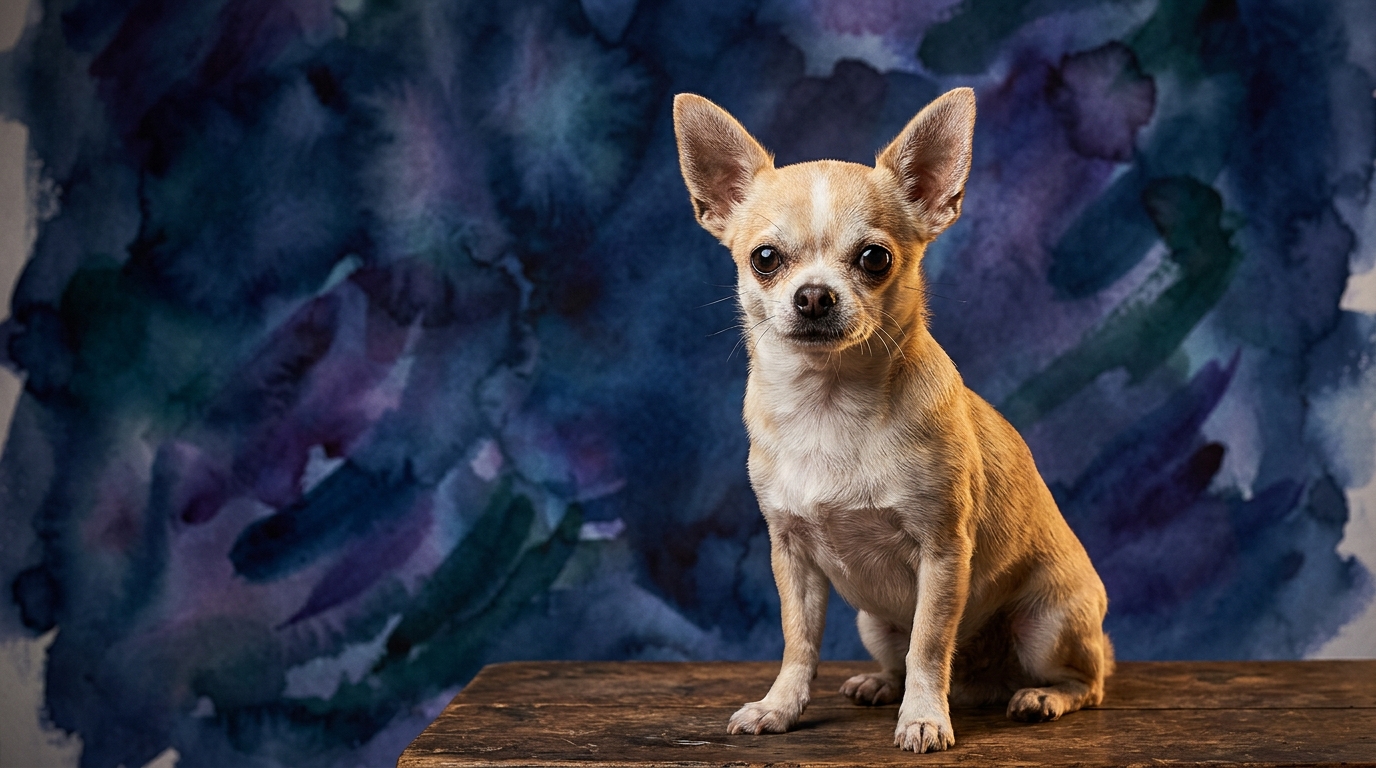
The Chihuahua, a member of the Toy group, holds a Coren rank of #67, placing it within the average working intelligence category. Our Pet IQ Lab assessment reveals a balanced cognitive profile for this alert breed: Problem Solving is rated at 3/5, indicating an ability to navigate moderately complex situations, while Training Speed is also 3/5, suggesting a steady learning pace. Where the Chihuahua truly shines is in Social Intelligence, scoring a notable 4/5, reflecting its strong bond formation and nuanced communication with its chosen humans. Its Instinctive Drive stands at 3/5, demonstrating a moderate urge for typical canine behaviors like chasing or guarding, and a robust Memory score of 4/5 means it retains information, both good and bad, quite effectively.
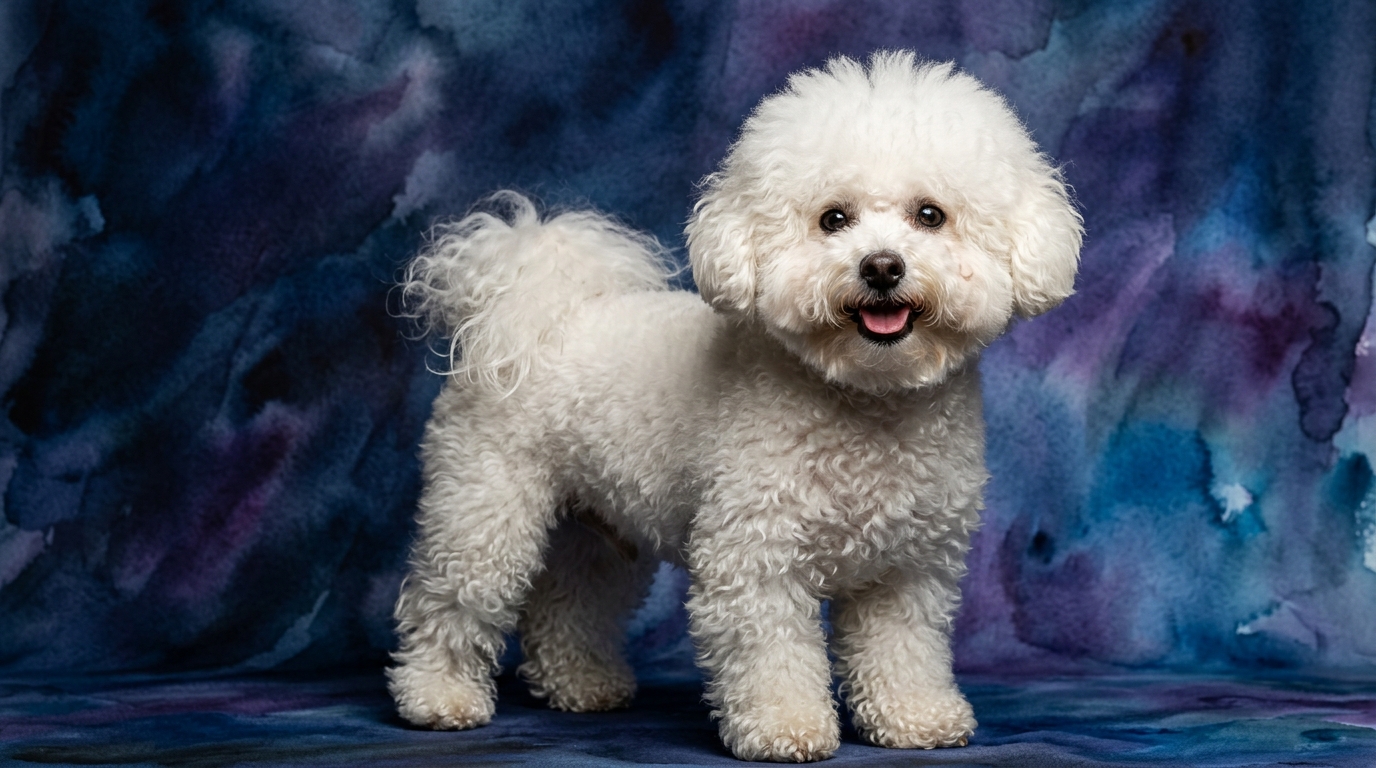
In contrast, the Bichon Frisé, from the Non-Sporting group, boasts a higher Coren rank of #45, signifying a stronger working and obedience intelligence. Its Pet IQ Lab scores present a slightly different cognitive emphasis: Problem Solving is on par with the Chihuahua at 3/5, showing similar capabilities in tackling new mental challenges, and Training Speed also matches at 3/5. However, the Bichon's standout feature is its exceptional Social Intelligence, earning a perfect 5/5, indicating an unparalleled aptitude for harmonious interactions and understanding social cues. Its Instinctive Drive is lower at 2/5, suggesting less inclination towards strong innate behaviors, and its Memory is rated at 3/5, which is solid but not as pronounced as the Chihuahua's.
Where the Chihuahua Wins Cognitively
While both breeds share similar Problem Solving scores, the Chihuahua's cognitive edge often manifests in its superior Memory, rated at 4/5 compared to the Bichon's 3/5. This enhanced recall means a Chihuahua can quickly learn intricate routines and remember specific cues or boundaries over long periods. Owners will find this beneficial when establishing household rules or teaching multi-step commands, as once a lesson is ingrained, it tends to stick, making subsequent reinforcement more about refinement than re-teaching.
Beyond pure recall, the Chihuahua's 4/5 Social Intelligence, while slightly lower than the Bichon's, often translates into a keen perceptiveness within its immediate social circle. They develop intense bonds with their primary caregivers and exhibit a strong understanding of their human's moods and intentions, often acting as vigilant, tiny protectors. This blend of strong memory and focused social intelligence allows them to anticipate needs and react to subtle environmental changes with an alertness that can sometimes surpass that of the more generally gregarious Bichon.
Where the Bichon Frisé Wins Cognitively
The Bichon Frisé undeniably takes the lead in Social Intelligence, with a perfect 5/5 score, a full point above the Chihuahua. This exceptional social acumen means Bichons are inherently more attuned to the nuances of group dynamics, making them highly adaptable in diverse social settings, whether with new people, other pets, or in bustling environments. Their ability to read and respond appropriately to various social cues is a significant cognitive advantage, fostering a harmonious presence that minimises conflict and encourages positive interactions.
Another cognitive advantage for the Bichon stems from its lower Instinctive Drive, rated at 2/5 compared to the Chihuahua's 3/5. This reduced inclination towards strong innate behaviors, such as territorial guarding or intense prey drive, means Bichons are often less prone to independent, instinct-driven decisions that might conflict with human expectations. Their natural disposition leans towards cooperation and companionship, making them generally more agreeable and less likely to pursue their own agenda when it diverges from their owner's wishes.
Which is Easier to Train and Why
Despite both breeds sharing a Training Speed score of 3/5, suggesting they learn new commands at a similar pace, behavioral differences rooted in their other cognitive dimensions can influence perceived ease of training. The Bichon Frisé, with its superior 5/5 Social Intelligence and lower 2/5 Instinctive Drive, often presents as more amenable to training. Their deep desire to please and their natural inclination towards social harmony mean they are highly motivated by positive reinforcement from their human companions, making them eager participants in training sessions and less likely to be distracted by strong innate urges.
Conversely, the Chihuahua's 3/5 Instinctive Drive, coupled with its robust 4/5 Memory, can sometimes pose unique training challenges. While their memory is excellent for retaining good habits, it also means they can just as effectively remember undesirable behaviors, making early intervention crucial. Their slightly higher drive might lead to more independent decision-making or a stronger focus on their immediate environment rather than the trainer, requiring a consistent, patient, and engaging approach to keep their attention and reinforce desired responses effectively.
Which Suits Active Owners vs. Relaxed Owners
When considering an owner's activity level, the Chihuahua's cognitive profile often aligns better with those who appreciate a more involved, alert companion, even if their physical needs are moderate. Their 3/5 Instinctive Drive and 4/5 Social Intelligence, focused intensely on their primary human, means they thrive on being included in daily activities and serving as an active, observant participant in the household. They possess a surprising amount of energy for their size and benefit from regular mental stimulation and varied experiences, making them suitable for owners who enjoy engaging with their pet beyond simple companionship.
The Bichon Frisé, with its exceptional 5/5 Social Intelligence and lower 2/5 Instinctive Drive, typically suits more relaxed owners who prioritize a consistently amiable and adaptable companion. Their lower drive means they are generally content with moderate activity, such as daily walks and indoor play, and their high social intelligence makes them excellent companions for those who enjoy a gentle, affectionate presence without a strong demand for intense physical or mental exertion. They are often less prone to restlessness or demanding behaviors, making them a wonderfully harmonious addition to a calmer household environment.
The Verdict
For those seeking a vigilant, deeply bonded companion with remarkable memory and a spirited, independent streak, the Chihuahua is an excellent choice.
If your preference leans towards an exceptionally adaptable, socially harmonious, and generally more laid-back canine partner, the Bichon Frisé will likely be your ideal match.
🧠 Find Your Pet's IQ Score
Our Pet IQ Lab assessment covers 25+ tests across 5 cognitive dimensions — personalized to your breed.
Take the Full IQ Test →Frequently Asked Questions
Are Chihuahuas stubborn during training?
Chihuahuas aren't necessarily stubborn, but their 3/5 Training Speed and 3/5 Instinctive Drive, combined with strong memory, mean they benefit from consistent, positive reinforcement. They learn quickly but may choose to prioritize their own instincts if not properly motivated, making early, engaging training essential.
Do Bichon Frisés require a lot of mental stimulation?
Bichon Frisés have a 3/5 Problem Solving score and a lower 2/5 Instinctive Drive, suggesting they don't demand intense mental challenges. While they enjoy learning new tricks and engaging in interactive play, their high social intelligence means companionship and gentle interaction often suffice for their mental well-being.
Which breed is generally better with children?
The Bichon Frisé's 5/5 Social Intelligence and lower 2/5 Instinctive Drive generally make them more adaptable and patient with children, provided interactions are supervised and respectful. Chihuahuas, with their 4/5 Social Intelligence focused on their chosen few and a slightly higher drive, can be excellent with older, respectful children but may be less tolerant of boisterous young ones.