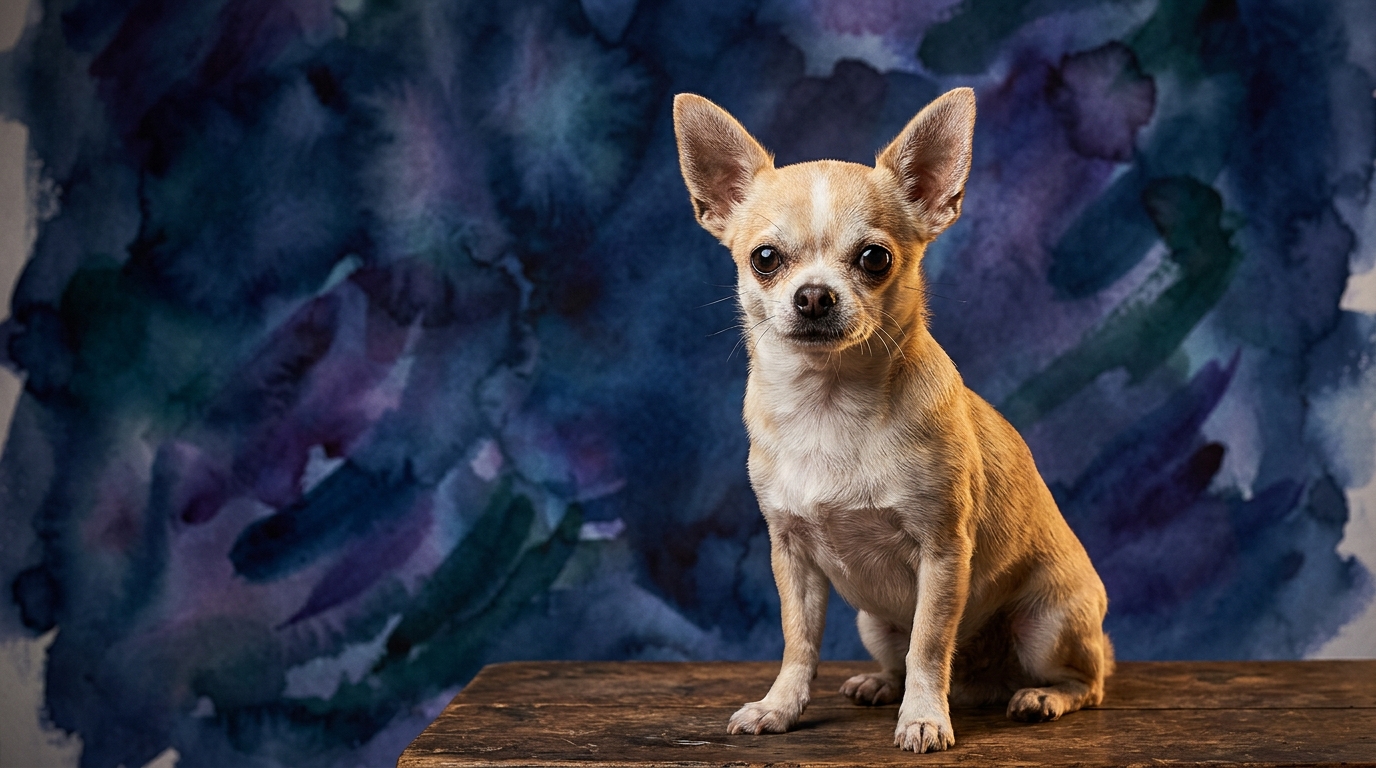
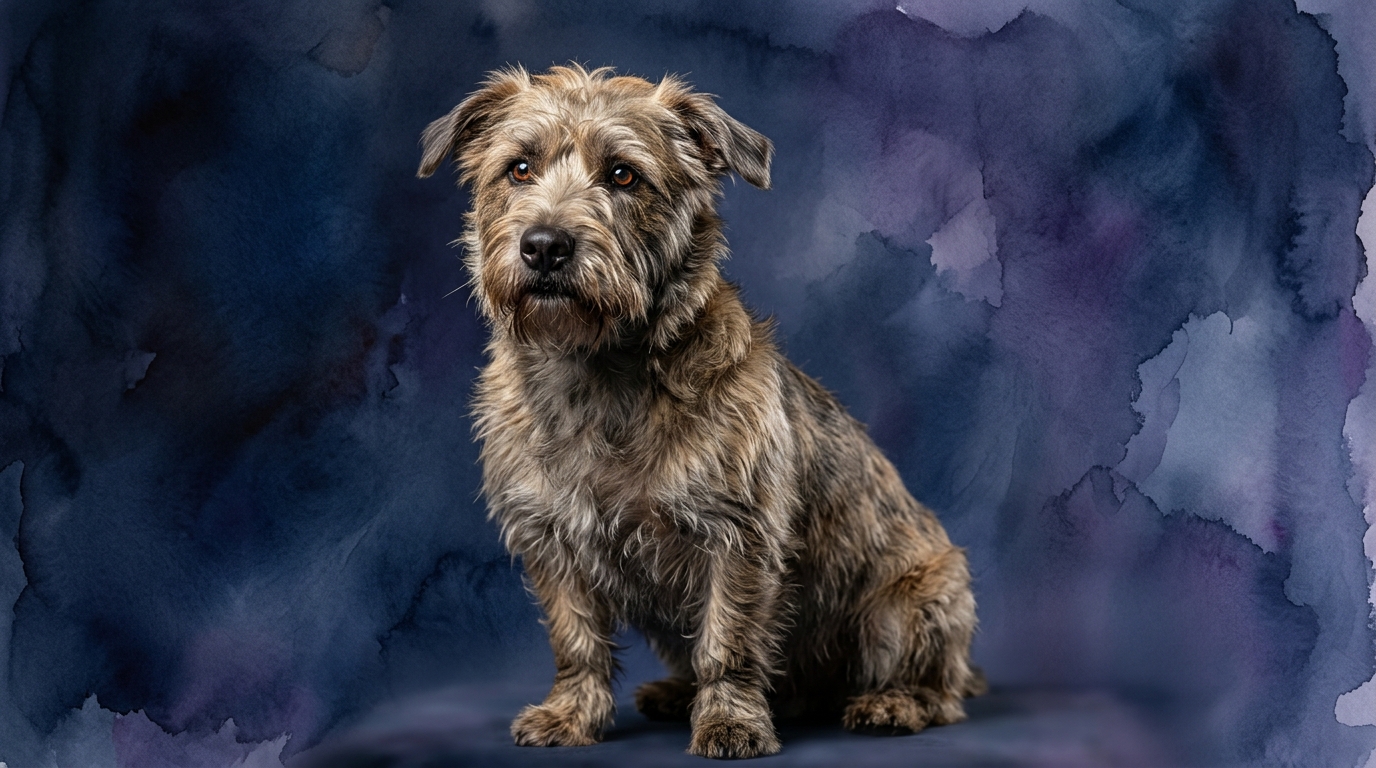
Side-by-Side Cognitive Profiles: Chihuahua vs. Glen of Imaal Terrier
The Pet IQ Lab utilizes a comprehensive five-dimensional framework to assess canine intelligence, moving beyond single-metric rankings to provide a nuanced understanding of each breed's cognitive landscape. For the Chihuahua, a breed often recognized for its diminutive size and vibrant personality, our assessment indicates a Problem Solving score of 3/5, suggesting a moderate capacity for navigating novel challenges and devising solutions in various environments. Its Training Speed also stands at 3/5, indicating an average pace for acquiring new commands and routines, neither exceptionally quick nor particularly slow. Where the Chihuahua truly distinguishes itself is in Social Intelligence, scoring an impressive 4/5, reflecting a pronounced ability to read and respond to human cues, adapt to social dynamics, and form strong relational bonds. Its Instinctive Drive is rated at 3/5, denoting a balanced level of inherent urges like curiosity, prey drive, or territoriality. Finally, the Chihuahua exhibits a Memory score of 4/5, signifying a strong ability to recall learned information, commands, and experiences over time, which greatly aids in consistency and retention.
In contrast, the Glen of Imaal Terrier, a robust and less common terrier hailing from Ireland, presents a different cognitive profile. This breed is not ranked on the Coren scale, which primarily assesses working and obedience intelligence, but our IQ Lab scores offer a direct comparison. The Glen shares the Chihuahua's Problem Solving score of 3/5, indicating an equivalent capacity for independent thought when faced with obstacles or puzzles. Its Training Speed matches the Chihuahua at 3/5, suggesting a similar rate of learning new behaviors. However, the Glen's Social Intelligence is rated at 3/5, a point lower than the Chihuahua, indicating it might be slightly less attuned to subtle human social signals or perhaps more independent in its interactions. Its Instinctive Drive also scores 3/5, but the *nature* of this drive, typical of terriers, often manifests as a persistent, determined approach to tasks, particularly those involving digging or pursuit. Lastly, the Glen's Memory score comes in at 3/5, suggesting a solid, but not exceptional, ability to retain information. This side-by-side view highlights that while some scores align, the underlying expression of these cognitive dimensions can vary significantly between breeds.
Chihuahua's Cognitive Edge
The Chihuahua's cognitive strengths distinctly shine in two key areas: Social Intelligence and Memory, where it scores 4/5 compared to the Glen of Imaal Terrier's 3/5 in both dimensions. This superior social acumen means Chihuahuas are generally more adept at interpreting human body language, vocal tones, and emotional states, allowing them to form deeply empathetic connections and respond sensitively to their owners' moods. This makes them exceptionally responsive companions, often appearing to anticipate needs or desires, and effortlessly integrating into complex family dynamics. Their higher social intelligence also contributes to their adaptability in various social settings, from busy households to quiet apartments, as they are often keen observers of their environment and quick to understand appropriate social behaviors.
Furthermore, the Chihuahua's elevated Memory score (4/5) grants it a notable advantage in retaining learned information over extended periods. This translates into greater consistency in responding to commands, remembering household routines, and recalling specific experiences or associations. For an owner, this means less reteaching and a more reliable application of learned behaviors, whether it's understanding house rules or performing complex trick sequences. This robust memory, combined with their social intelligence, allows Chihuahuas to build a rich internal map of their world and their place within it, making them highly aware and consistent in their daily interactions. They are more likely to remember past successful strategies for getting attention or navigating a space, and less likely to forget a command they’ve mastered, contributing to their reputation as charming and often surprisingly capable companions.
Glen of Imaal Terrier's Distinct Strengths
While the Glen of Imaal Terrier does not numerically surpass the Chihuahua in any of the five measured IQ dimensions, its cognitive profile reveals a unique set of strengths, particularly in the *application* of its Problem Solving and Instinctive Drive, both rated at 3/5. Unlike the Chihuahua's social-centric problem-solving, the Glen's approach is often characterized by a determined, independent persistence, a hallmark of its terrier heritage. When faced with a puzzle or an obstacle, a Glen is less likely to look to a human for immediate guidance and more inclined to experiment with solutions through trial and error, often employing its strong physical capabilities and innate drive to dig or investigate. This independent problem-solving can be a distinct advantage for owners who appreciate a dog capable of engaging with its environment in a self-directed manner, whether it’s figuring out how to retrieve a toy from a difficult spot or navigating a complex scent trail.
The Glen's Instinctive Drive, while scoring equally with the Chihuahua at 3/5, manifests differently. For a Glen, this drive is often deeply rooted in its original purpose as a working terrier: to pursue vermin, dig, and explore. This translates into a focused determination that, when channeled appropriately, can be incredibly rewarding. Owners might find that a Glen exhibits remarkable stamina and concentration on tasks that engage these instincts, such as scent work, earth dog trials, or even complex puzzle toys that require sustained effort. This particular expression of drive means that while a Chihuahua might be driven by a desire for companionship or comfort, a Glen is often driven by the satisfaction of "getting the job done," making it an excellent partner for owners who enjoy engaging their dogs in activities that tap into these inherent, task-oriented motivations. Its cognitive strength lies in its steadfastness and practical intelligence, an unwavering dedication to its chosen "work."
Training Dynamics: Chihuahua vs. Glen of Imaal Terrier
When considering ease of training, the Chihuahua generally holds an edge over the Glen of Imaal Terrier, primarily due to its superior Social Intelligence (4/5 vs. 3/5) and Memory (4/5 vs. 3/5). A Chihuahua's higher social intelligence makes it more attuned to human expectations and desires, meaning it often picks up on subtle cues from its trainer and is more motivated by social reinforcement like praise, attention, or a desire to please. This responsiveness translates into a smoother learning curve for obedience commands and social manners, as they are more likely to engage willingly in cooperative learning. Their strong memory further solidifies this advantage; once a Chihuahua learns a command or routine, it tends to retain that information reliably, requiring less repetition and refresher training. For example, house-training or learning a complex sequence of tricks often progresses more rapidly and consistently with a Chihuahua due to its cognitive architecture supporting better retention and responsiveness.
The Glen of Imaal Terrier, while possessing a respectable Training Speed of 3/5, can present more challenges for conventional obedience training due to its lower social intelligence and memory scores, coupled with its ingrained terrier independence. Glens are known for their "gameness" and self-reliant nature; they may require more compelling motivation than simply pleasing their owner and might be more inclined to follow their own instincts if a task doesn’t align with their intrinsic interests. Their slightly lower social intelligence means they might not be as quick to pick up on subtle human signals, necessitating clearer, more consistent communication. While they can certainly be trained to a high degree, owners often find that a Glen requires a more patient, creative, and consistent approach, often leveraging positive reinforcement and making training feel like a game or a problem-solving exercise rather than a strict command-and-response session. Their memory, while solid, might mean that concepts require a bit more reinforcement to become deeply ingrained.
Matching Breeds to Lifestyles: Active vs. Relaxed Owners
The choice between a Chihuahua and a Glen of Imaal Terrier often comes down to an owner's lifestyle and their preferred mode of interaction with a canine companion, with cognitive profiles offering clear guidance. The Chihuahua, with its elevated Social Intelligence (4/5), thrives with owners who are looking for a deeply connected and responsive companion. While often energetic, their exercise needs are generally moderate, making them suitable for relaxed owners who enjoy quiet companionship, indoor games, and frequent cuddles. Their cognitive strengths lend themselves to owners who appreciate a dog that is highly attuned to their emotions, enjoys being part of daily routines, and can adapt easily to social engagements. They are excellent for owners who want a dog that is always "with" them, whether on a short walk or simply relaxing on the couch. Their strong memory and social nature mean they appreciate consistency and thrive on positive, affectionate interactions.
Conversely, the Glen of Imaal Terrier, despite its moderate Instinctive Drive (3/5) and Problem Solving (3/5) scores, often appeals to more active or engaged owners who appreciate a dog with an independent spirit and a desire for purpose-driven activity. While not typically a high-energy "marathon runner" like some other terrier breeds, the Glen benefits from owners who can provide consistent mental stimulation and opportunities to engage its natural instincts. This might involve structured walks with opportunities for exploration, scent games, puzzle toys, or even participation in dog sports like agility or earth dog trials where their persistence and problem-solving can shine. Owners who enjoy a dog that thinks for itself, requires a bit more creative engagement to maintain interest, and has a unique, determined personality will find a rewarding companion in the Glen. They are well-suited for owners who appreciate a dog's individualistic streak and are willing to invest time in channeling its inherent drives into constructive outlets, making it an excellent choice for those seeking a partner in specific activities rather than a purely passive companion.
The Verdict
Choose a Chihuahua if you seek a highly socially responsive, deeply affectionate companion that excels at reading human cues and retains learned behaviors with impressive consistency, thriving in a home that values close, interactive bonds.
Opt for a Glen of Imaal Terrier if you appreciate an independent, persistent companion that engages with its environment through robust problem-solving and an innate drive for purpose-driven activities, ideal for owners who enjoy channeling a dog's natural instincts in focused, engaging ways.
🧠 Find Your Pet's IQ Score
Our Pet IQ Lab assessment covers 25+ tests across 5 cognitive dimensions — personalized to your breed.
Take the Full IQ Test →Frequently Asked Questions
Does Coren's ranking mean Chihuahuas are inherently smarter than Glen of Imaal Terriers?
Coren's ranking primarily assesses working and obedience intelligence, a specific facet of cognition, where Chihuahuas are ranked #67. Our Pet IQ Lab scores offer a broader view across five dimensions; while Chihuahuas show advantages in social intelligence and memory, Glens match them in problem-solving and training speed, indicating different cognitive strengths rather than a simple 'smarter' designation.
How does a Glen of Imaal Terrier's 'instinctive drive' manifest differently from a Chihuahua's, given both score 3/5?
While both breeds score 3/5 for instinctive drive, its expression varies significantly. A Glen's drive typically manifests as persistent curiosity, a strong urge to dig, or a focused determination on tasks, reflecting its terrier heritage. A Chihuahua's drive, in contrast, might lean more towards seeking comfort, attention, or exploring social boundaries within its human pack.
Is a smaller dog like a Chihuahua generally less intelligent than a medium-sized dog like a Glen of Imaal Terrier?
No, size does not directly correlate with intelligence. Our IQ Lab data shows that despite their size difference, both breeds share similar scores in problem-solving and training speed. The Chihuahua even surpasses the Glen in social intelligence and memory, demonstrating that cognitive abilities are breed-specific, not size-dependent.