Side-by-Side Cognitive Profiles: Chihuahua vs. Greater Swiss Mountain Dog
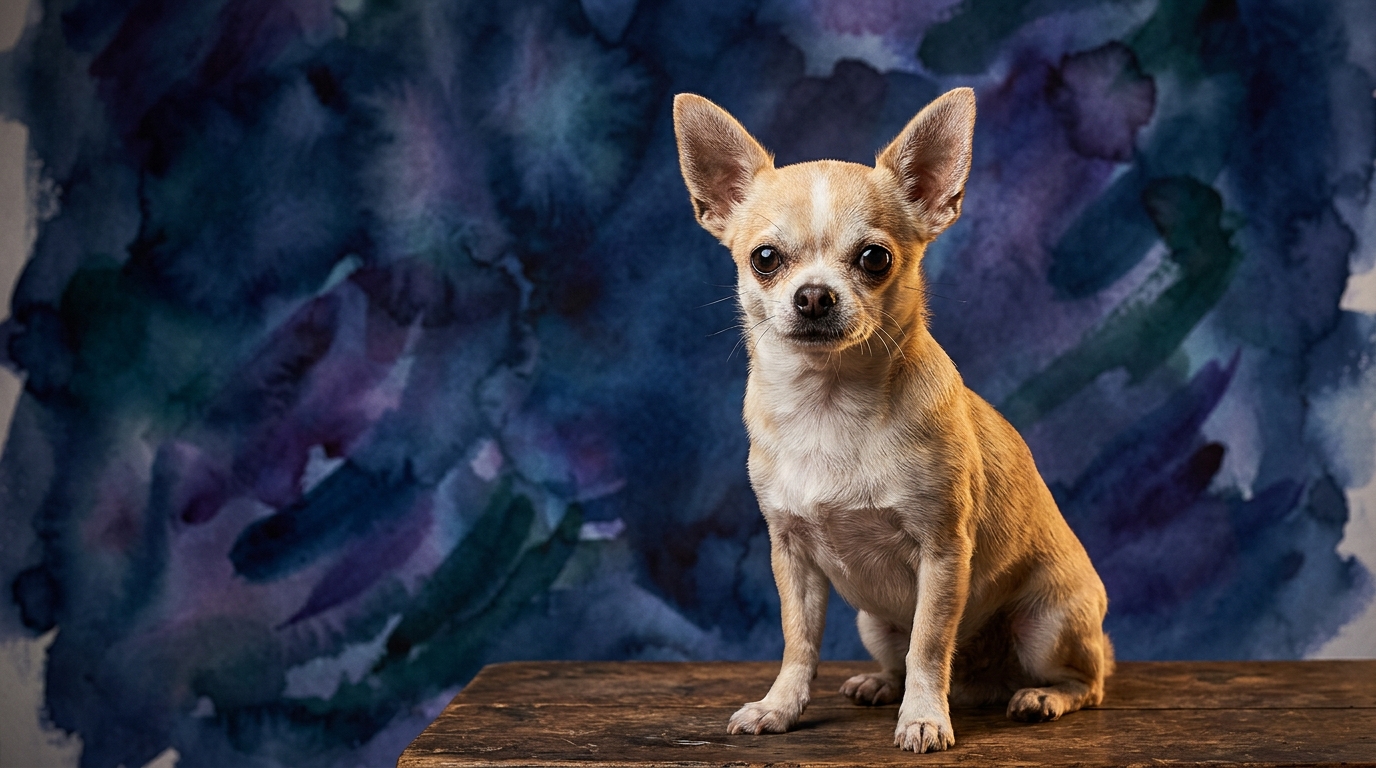
The Cosmic Pet Pet IQ Lab employs five key dimensions to evaluate canine intelligence, offering a nuanced view beyond a single score. For the Chihuahua, a breed categorized as Toy, its cognitive profile paints a picture of a perceptive companion. Its Problem Solving is rated at 3/5, suggesting a moderate ability to navigate novel situations or figure out how to achieve desired outcomes, such as getting a favorite toy from under furniture or manipulating owners for attention. Training Speed also stands at 3/5, indicating it takes a reasonable number of repetitions to learn new commands, often requiring consistent, positive reinforcement. Where the Chihuahua truly shines is in Social Intelligence, scoring a high 4/5; this reflects an exceptional capacity to understand human emotions, respond to subtle cues, and form deep, intuitive bonds. Its Instinctive Drive is 3/5, meaning while it possesses inherent breed behaviors like alertness and territoriality, these are not overpowering. Finally, its Memory is a robust 4/5, allowing it to recall routines, people, and past experiences with considerable accuracy, often remembering specific rewards or negative experiences vividly.
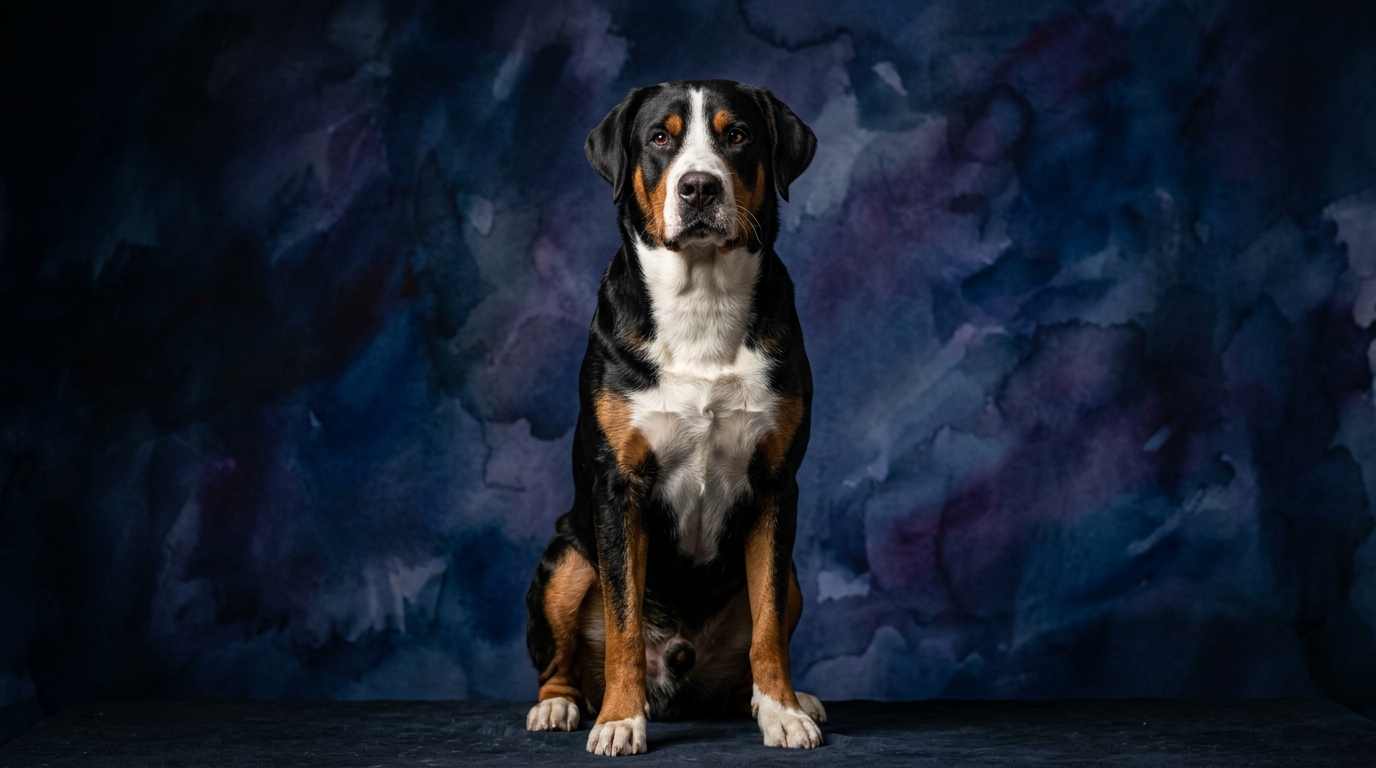
In contrast, the Greater Swiss Mountain Dog, a Working breed, presents a profile rooted in its historical role. Its Problem Solving is also rated 3/5, similar to the Chihuahua, but this manifests in a different context—perhaps figuring out how to best pull a cart or navigate a complex path with a load rather than intricate social manipulation. Its Training Speed is likewise 3/5, suggesting a steady, methodical learning pace that benefits from clear, consistent instruction and a sense of purpose. The Greater Swiss Mountain Dog's Social Intelligence is 3/5, indicating a strong connection to its family unit and an awareness of its role within the 'pack,' but perhaps with less emphasis on interpreting intricate human emotional nuances compared to the Chihuahua. Its Instinctive Drive is 3/5, reflecting a balanced expression of its working heritage, including protection instincts and a desire for meaningful activity. Its Memory is 3/5, providing a solid foundation for retaining commands, routines, and familiar environments, though perhaps not with the same vivid detail as the Chihuahua's.
Where the Chihuahua Excels Cognitively
The Chihuahua's cognitive strengths distinctly lie in its Social Intelligence and Memory, both rated 4/5. Its superior social acumen allows it to develop an almost uncanny understanding of its human companions, often anticipating needs or moods. This isn't just about reading body language; it's about processing complex emotional data and reacting empathetically, making them highly attuned companions. For instance, a Chihuahua might instinctively offer comfort when its owner is upset or subtly prompt for interaction when it senses an opening. This profound social connection enables a rich, non-verbal communication that many owners cherish. Coupled with its impressive memory, the Chihuahua can recall specific social interactions, learned behaviors, and even past emotional states, allowing it to build a detailed mental map of its human relationships and surroundings. This capacity means they remember routines, preferred playtimes, and even specific words associated with events, making their daily interactions predictable and comforting for both dog and owner. They often remember who gave them the best treats or who was kindest to them years later.
Where the Greater Swiss Mountain Dog Excels Cognitively
While the Greater Swiss Mountain Dog's individual scores are consistent at 3/5 across the board, its cognitive profile shines in the application of these abilities within a working context, emphasizing reliability and steady application. Its Problem Solving at 3/5, combined with its substantial physical presence and inherent drive, means it excels at practical, real-world tasks that require both mental deliberation and physical execution. For example, it might systematically figure out how to navigate an obstacle course while pulling a load, or consistently perform tasks that require strength and endurance, rather than quick, agile thinking. This breed's 3/5 Instinctive Drive, while not extreme, is channeled into purposeful activity, making it a dependable partner for tasks such as herding, drafting, or guarding. Its cognitive strength lies in its consistency and ability to apply its moderate problem-solving skills and steady memory to maintain long-term, predictable behaviors essential for its working heritage. This reliability and methodical approach, rather than rapid cognitive shifts, define its unique cognitive advantage, making it a steadfast and trustworthy companion in demanding situations.
Training Dynamics: Which Breed Learns More Readily?
When considering ease of training, both the Chihuahua and the Greater Swiss Mountain Dog share a Training Speed score of 3/5, suggesting neither is a prodigy nor particularly difficult to teach. However, the nuances of their cognitive profiles and typical behavioral traits create different training experiences. The Chihuahua, with its 4/5 Social Intelligence and 4/5 Memory, often picks up on cues and routines quickly, especially when training is linked to social rewards like praise, attention, or a cherished lap snuggle. Their ability to remember specific events and the associated outcomes means they can retain commands well over time, provided consistency. However, their independent streak or strong focus on their primary human can sometimes lead to selective hearing if the motivation isn't compelling enough from their perspective. They might be quick to learn but also quick to decide if a command is worth their effort based on past experiences.
The Greater Swiss Mountain Dog, while also scoring 3/5 in Training Speed, benefits from its working dog heritage and instinctive drive for purpose, even if not highly rated. They respond well to structured, consistent training that provides clear objectives and rewards. Their 3/5 memory ensures they retain learned behaviors, and their steady temperament often translates into a more deliberate, less impulsive approach to learning. While they might not grasp a new trick as rapidly as a breed with higher training speed, their consistency and desire to please their family unit mean they are generally reliable once a behavior is established. Training a Greater Swiss often requires patience and positive reinforcement, focusing on establishing a clear working relationship, whereas training a Chihuahua might lean more on leveraging their social bond and keen memory for specific outcomes.
Cognitive Profiles and Lifestyle Suitability
The cognitive profiles of these two breeds lend themselves to very different lifestyle fits for potential owners. The Chihuahua, with its high Social Intelligence and Memory, is exceptionally suited for owners who appreciate a deeply connected, perceptive companion. Its ability to read emotions and recall intricate social details makes it a rewarding partner for individuals or families who value close interaction and a dog that can seemingly anticipate their needs. They thrive in environments where they are central to family life and can engage in regular, affectionate communication. Their moderate problem-solving and instinctive drives mean they are adaptable to various indoor living situations, often content with mental stimulation derived from social interaction and learning new, small-scale tricks. They are ideal for relaxed owners who want a constant, emotionally responsive presence and are willing to engage in subtle communication.
The Greater Swiss Mountain Dog, with its consistent 3/5 scores across all dimensions, is best suited for owners who can provide a structured environment and appreciate a dog with a steady, purposeful demeanor. Its cognitive profile, while not marked by extremes, is perfectly aligned with its working heritage, meaning it benefits from tasks that engage both its body and mind. Owners who are active in a 'purpose-driven' sense, perhaps enjoying activities like hiking, carting, or even just consistent training for obedience or protection, will find this breed's cognitive application deeply satisfying. They are not necessarily high-energy in the frantic sense, but they do require mental engagement beyond just physical exercise. This breed is suitable for owners who value a reliable, steadfast companion that thrives on having a role, whether it's 'family protector' or 'hiking buddy,' making them a good fit for active owners who seek a partner in their routines rather than just a lap dog.
The Verdict: Choosing Your Canine Companion
When considering your next companion, the choice between a Chihuahua and a Greater Swiss Mountain Dog hinges on the specific blend of cognitive traits that best aligns with your lifestyle and expectations for a canine partner. Each breed offers a distinct set of intellectual strengths, designed over generations to excel in very different roles.
The Chihuahua's keen social intelligence and exceptional memory make it an ideal choice for individuals or families seeking a deeply empathetic, highly responsive companion who thrives on close emotional connection and intricate social cues. Its cognitive strengths are best appreciated by those who enjoy a dog that is a constant, perceptive presence, often discerning moods and anticipating needs with remarkable accuracy. This breed suits owners looking for a mentally agile, communicative dog whose primary role is that of a devoted, emotionally attuned family member, providing rich, interactive companionship within a more relaxed, indoor-centric lifestyle.
Conversely, the Greater Swiss Mountain Dog, with its balanced cognitive profile and steady application of intelligence, is an excellent fit for owners who desire a reliable, purposeful partner that excels in structured tasks and family protection. Its strength lies in its consistent problem-solving, steady training adherence, and robust memory, all applied within a framework of loyalty and a desire for meaningful work. This breed is best chosen by active owners or those with a consistent routine who appreciate a powerful, steadfast companion capable of engaging in a variety of physical and mental activities that leverage its inherent working dog traits, providing a sense of purpose and dependable companionship.
The Verdict
Choose a Chihuahua if you seek a deeply empathetic, highly perceptive companion who thrives on close emotional connection and subtle communication, perfectly suited for a relaxed, indoor-centric lifestyle.
Opt for a Greater Swiss Mountain Dog if you desire a reliable, purposeful partner excelling in structured tasks and family protection, ideal for active owners who appreciate a steadfast companion with a strong sense of duty.
🧠 Find Your Pet's IQ Score
Our Pet IQ Lab assessment covers 25+ tests across 5 cognitive dimensions — personalized to your breed.
Take the Full IQ Test →Frequently Asked Questions
Is a Chihuahua difficult to train due to its size?
Despite their small stature, Chihuahuas are not inherently more difficult to train; their 3/5 training speed and 4/5 memory mean they can learn effectively with consistent, positive reinforcement, especially when leveraging their strong social bonds with owners. Any perceived difficulty often stems from owner inconsistency or underestimating their cognitive capacity, not from their size.
Do Greater Swiss Mountain Dogs require extensive mental stimulation?
While not requiring the frantic pace of some high-drive breeds, Greater Swiss Mountain Dogs do benefit from consistent mental engagement due to their working dog background and 3/5 problem-solving ability. Activities like structured training, puzzle toys, and purposeful tasks such as carting or obedience work help satisfy their cognitive needs, preventing boredom and promoting a balanced temperament.
Which breed is better for a first-time dog owner?
For a first-time dog owner, the Chihuahua's adaptability to indoor living and strong social intelligence might make it an easier initial choice, provided the owner is committed to consistent training and socialization to manage their independent streak. The Greater Swiss Mountain Dog, while even-tempered, benefits from an owner who understands working breed needs and can provide firm, consistent guidance, which might be a steeper learning curve for a novice.