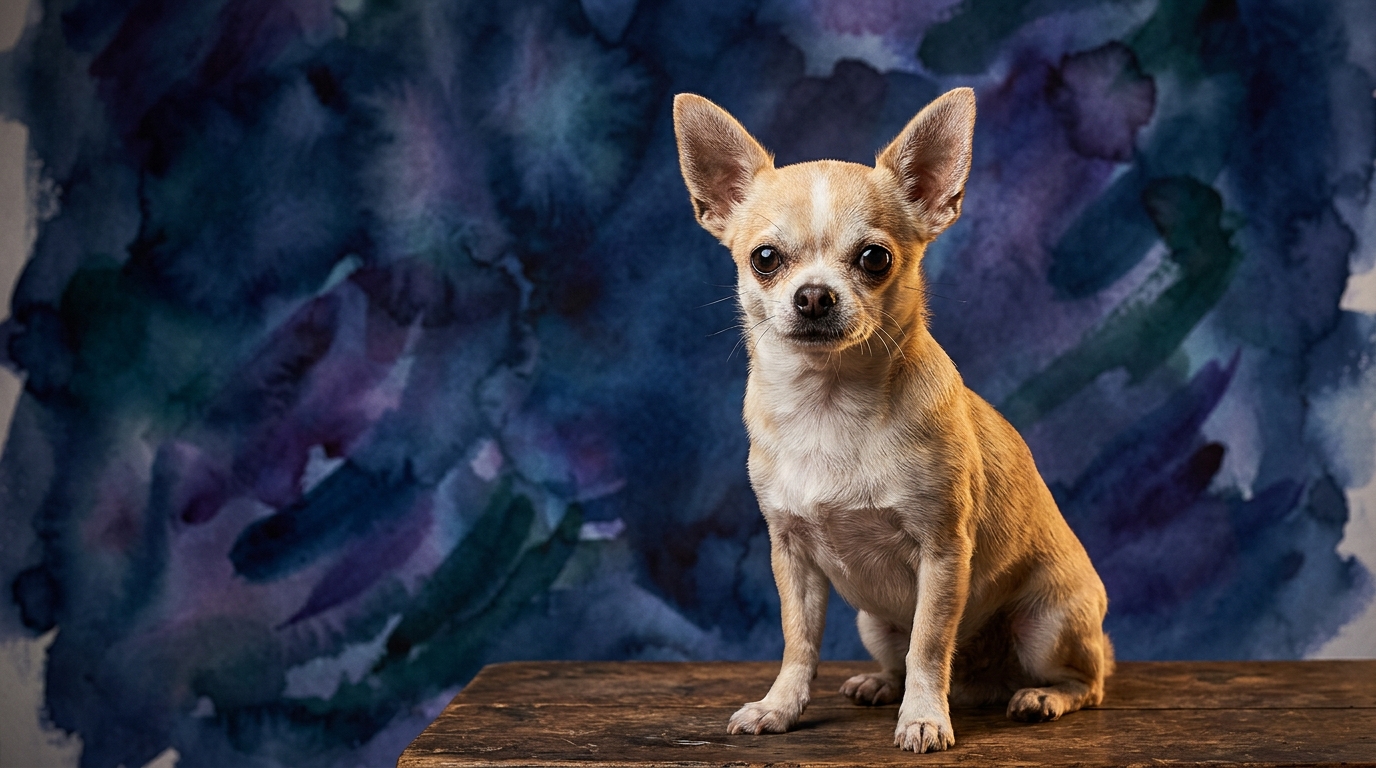
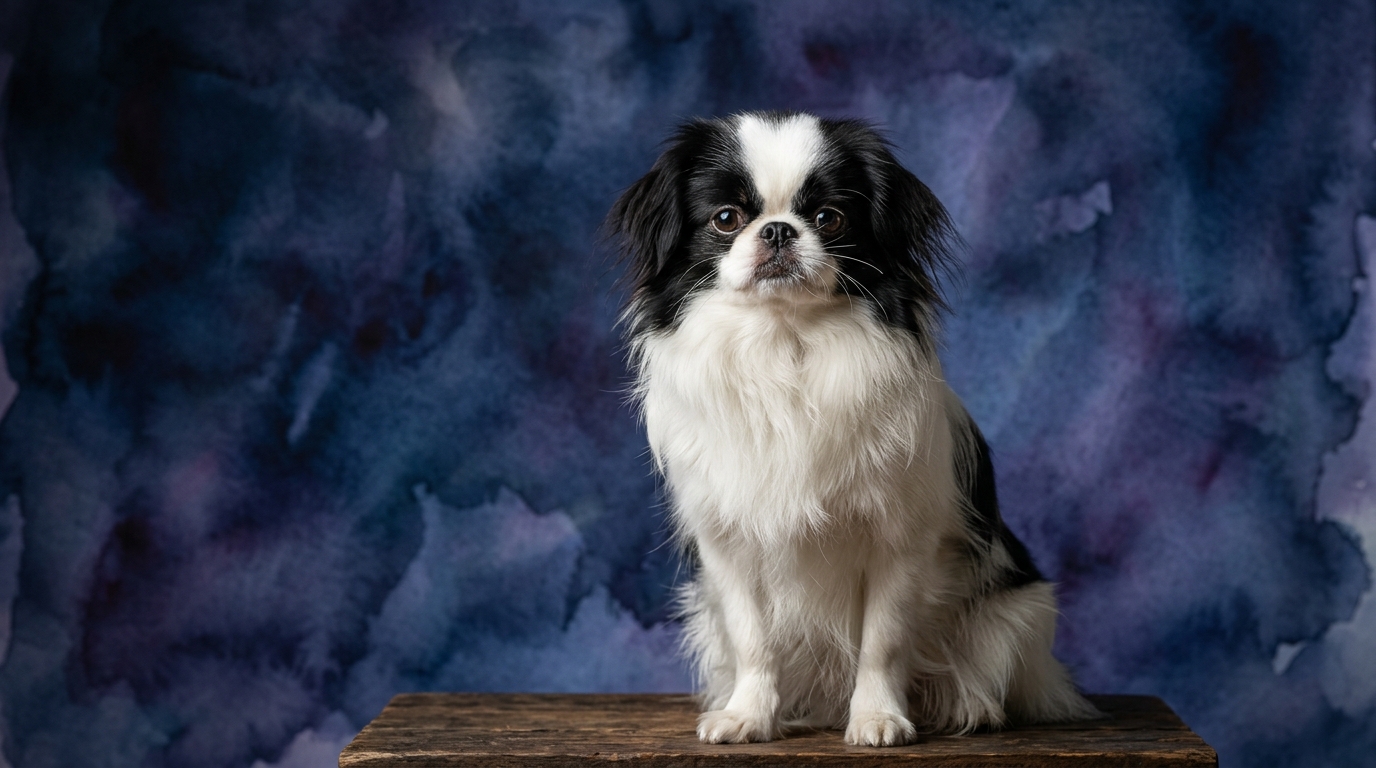
Side-by-Side IQ Profiles: Chihuahua vs. Japanese Chin
The Cosmic Pet Pet IQ Lab evaluates canine intelligence across five key dimensions: Problem Solving, Training Speed, Social Intelligence, Instinctive Drive, and Memory. While both the Chihuahua and the Japanese Chin fall into the 'Toy' group, their individual scores paint a nuanced picture of their cognitive makeup.
The Chihuahua, notably ranked #67 in Stanley Coren's 'The Intelligence of Dogs,' presents a compelling profile. Their Problem Solving is rated 3/5, indicating an ability to navigate moderate challenges and figure out how to achieve desired outcomes, often involving attention-seeking strategies. Training Speed also sits at 3/5; they are capable of learning commands, but their strong-willed nature often requires consistent, patient guidance. Where Chihuahuas truly shine is in Social Intelligence, scoring 4/5, demonstrating a remarkable aptitude for reading human cues and forming deeply intertwined bonds. Their Instinctive Drive is 3/5, encompassing a moderate prey drive and a strong drive for companionship and security. Memory is a standout at 4/5, allowing them to retain routines, commands, and past experiences with impressive recall.
The Japanese Chin, though not featured in Coren's rankings, offers a distinct, refined intellectual charm. Their Problem Solving matches the Chihuahua at 3/5, suggesting they can adeptly solve challenges, often employing observation and subtle charm rather than overt persistence. Training Speed is also 3/5; while they can learn, their independent, sometimes cat-like disposition means they respond best to engaging, positive reinforcement and might choose to comply based on their own motivation rather than sheer eagerness to please. Social Intelligence for the Chin is 3/5; they are affectionate and attuned to their family but generally exhibit a more reserved demeanor with strangers and a less intense, more independent bond than the Chihuahua. Instinctive Drive is 3/5, characterized by a generally lower prey drive and a primary focus on comfort, play, and companionship. Memory for the Japanese Chin is 3/5, indicating they recall familiar people and routines reliably, though perhaps not with the same detailed retention as their Chihuahua counterparts.
Where Chihuahua Wins Cognitively
The Chihuahua exhibits clear cognitive advantages in two specific areas: Social Intelligence and Memory. With a Social Intelligence score of 4/5 compared to the Chin's 3/5, Chihuahuas possess a superior ability to interpret human emotions, intentions, and subtle cues. This often translates into a highly responsive companionship, where they seem to anticipate their human's moods and needs, fostering an exceptionally deep and intertwined bond. They are often masters at 'reading the room,' adapting their behavior to their environment and the people within it.
Furthermore, the Chihuahua's Memory score of 4/5, one point higher than the Japanese Chin's 3/5, suggests a greater capacity for retaining information over time. This enhanced memory contributes significantly to their ability to recall complex routines, remember training commands consistently, and recognize individuals and past experiences with remarkable clarity. For an owner, this means a Chihuahua is more likely to remember house rules, learned tricks, and specific pleasant or unpleasant interactions, leading to more predictable and consistent behavior over the long term. Their placement at #67 in Coren's rankings also indicates a specific aptitude for working intelligence and obedience, a cognitive strength not explicitly noted for the non-ranked Japanese Chin.
Where Japanese Chin Wins Cognitively
While the numerical scores for Problem Solving and Instinctive Drive are equal between the two breeds, the *nature* of these cognitive functions can give the Japanese Chin a subtle edge in specific contexts. The Chin's Problem Solving, rated 3/5, often manifests as a more refined, observational approach. They might excel at subtly manipulating situations to their advantage, using their charm and quiet persistence to achieve comfort or attention, rather than the more direct or boisterous methods sometimes employed by Chihuahuas. This can make them particularly adept at navigating complex social dynamics within a household without overt confrontation.
Regarding Instinctive Drive (3/5), the Japanese Chin typically exhibits a lower, less reactive prey drive compared to many toy breeds, including some Chihuahuas. This cognitive predisposition means they are often less prone to barking excessively at small outdoor critters or chasing perceived prey, contributing to a calmer household environment. Their primary drives are geared towards comfort, play, and companionship within their immediate circle, making them less prone to external stimuli distractions. This quiet demeanor, combined with their observational intelligence, allows them to thrive in tranquil, predictable settings, demonstrating a cognitive adaptability for serene living that can be a distinct advantage for certain owners.
Which is Easier to Train and Why
When it comes to ease of training, both breeds present unique challenges and rewards, each scoring 3/5 for Training Speed. The Chihuahua's training journey is often influenced by their strong will and intense social intelligence. While their superior memory (4/5) aids in retaining commands, their deep bond with a primary human means they might 'test' boundaries or use their intelligence to get their way. Effective training for a Chihuahua requires unwavering consistency, clear communication, and positive reinforcement, leveraging their desire for connection and their excellent recall. They are capable learners, but their personality demands a patient and understanding handler who can motivate them effectively.
The Japanese Chin, with its independent, sometimes 'cat-like' demeanor, also scores 3/5 in Training Speed. Their less intense social intelligence (3/5) means they may not be as inherently motivated by human approval alone, requiring a more creative and engaging approach to training. Short, fun sessions with high-value rewards work best. They might learn commands, but their independent streak means they might choose whether or not to perform them based on their current mood or perceived benefit. Their slightly lower memory score (3/5) compared to the Chihuahua might also necessitate more frequent refreshers. Neither breed offers the biddability of a traditional working dog, but a dedicated owner can achieve good results with both, understanding that the Chihuahua's strong personality and the Chin's independence are key factors to consider.
Which Suits Active Owners vs. Relaxed Owners
The choice between a Chihuahua and a Japanese Chin often comes down to an owner's lifestyle preferences, particularly regarding activity levels and desired interaction intensity. Chihuahuas, despite their small stature, can possess surprisingly robust energy levels. Their high social intelligence means they thrive on constant interaction, mental stimulation, and being an integral part of their human's daily life. They enjoy walks, playtime, and engaging in activities that involve their primary human. While they can adapt to a relaxed owner, they will still require consistent mental engagement and frequent companionship to prevent boredom and potential behavioral issues. They suit owners who are active in their companionship, even if physical activity isn't strenuous.
The Japanese Chin, in contrast, generally aligns better with a more relaxed and tranquil lifestyle. They are content with shorter, leisurely strolls and indoor play, often preferring to lounge comfortably beside their human rather than demanding constant activity. Their slightly lower social intelligence score suggests they are less demanding of incessant interaction and possess a more independent, self-sufficient streak. This makes them an excellent fit for owners who appreciate a calm, less 'needy' companion, perhaps those with a quieter home environment, or individuals seeking a charming presence without the requirement for extensive daily exercise or constant engagement. They are ideal for those valuing serenity and a peaceful canine presence.
The Verdict: When to Choose Each Breed
Deciding between a Chihuahua and a Japanese Chin ultimately depends on your lifestyle, personality, and what you seek in a canine companion.
Choose a Chihuahua if you desire a deeply bonded, highly responsive companion who thrives on intense social connection and can learn complex routines, provided you are prepared to manage their strong personality with consistent, patient training. Their superior memory and social attunement make them incredibly engaging partners for those who want an active, interactive presence in their lives.
Opt for a Japanese Chin if you prefer a charming, calm, and somewhat independent companion who values comfort and quiet companionship, appreciating a more relaxed lifestyle and a patient, gentle approach to training. Their refined demeanor and adaptability to tranquil environments make them ideal for owners seeking a serene yet affectionate presence.
The Verdict
Choose a Chihuahua if you desire a deeply bonded, highly responsive companion who thrives on intense social connection and can learn complex routines, provided you are prepared to manage their strong personality with consistent, patient training.
Opt for a Japanese Chin if you prefer a charming, calm, and somewhat independent companion who values comfort and quiet companionship, appreciating a more relaxed lifestyle and a patient, gentle approach to training.
🧠 Find Your Pet's IQ Score
Our Pet IQ Lab assessment covers 25+ tests across 5 cognitive dimensions — personalized to your breed.
Take the Full IQ Test →Frequently Asked Questions
Are Chihuahuas good at learning tricks?
Yes, with their 4/5 memory and 4/5 social intelligence, Chihuahuas are quite capable of learning a variety of tricks. They respond well to positive reinforcement and enjoy the interactive engagement that trick training provides with their human.
Do Japanese Chins bark a lot?
Generally, Japanese Chins are not known for excessive barking. Their calm demeanor and lower reactive instincts (3/5 Instinctive Drive) mean they typically only bark to alert their owners to something unusual, rather than being prone to nuisance barking.
Which breed is better with children?
Both are toy breeds and require supervision with children due to their delicate size. Chihuahuas' intense bond can sometimes lead to protectiveness, while Chins are generally tolerant but prefer gentle interactions, making them better suited to older, respectful children.