Side-by-Side Cognitive Profiles: Decoding Canine Minds
At The Cosmic Pet Pet IQ Lab, we evaluate canine intelligence across five key dimensions, offering a nuanced view beyond simplistic labels. Let's examine the cognitive makeup of the Chihuahua and the Petit Basset Griffon Vendéen.
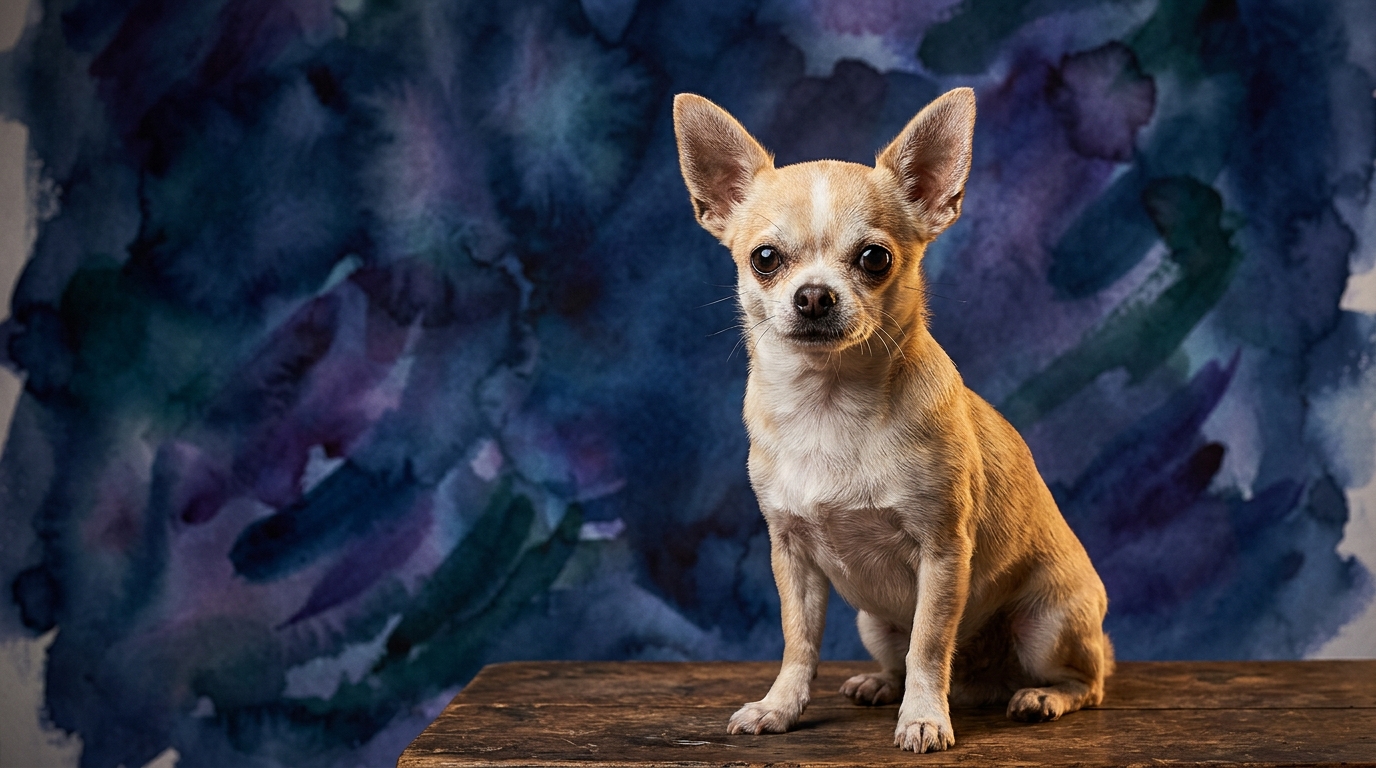
The **Chihuahua**, a member of the Toy group and Coren-ranked #67, presents a profile marked by strong social acumen and memory. Their problem Solving capability is rated 3/5, indicating an ability to navigate straightforward challenges, though complex, multi-step tasks might require repeated exposure and guidance. Training Speed also stands at 3/5, suggesting they learn basic commands at an average pace, but their small size often makes physical handling during training less demanding. Where they truly shine is in Social Intelligence, scoring 4/5; these dogs are remarkably attuned to human emotions and subtle cues, often forming profoundly intuitive bonds with their primary caregivers. Their Instinctive Drive, at 3/5, often manifests as keen alertness to their surroundings and a tendency to vocalize at novelty, rather than strong hunting or herding urges. Finally, their Memory is robust at 4/5, allowing them to retain learned behaviors, routines, and specific associations over extended periods.
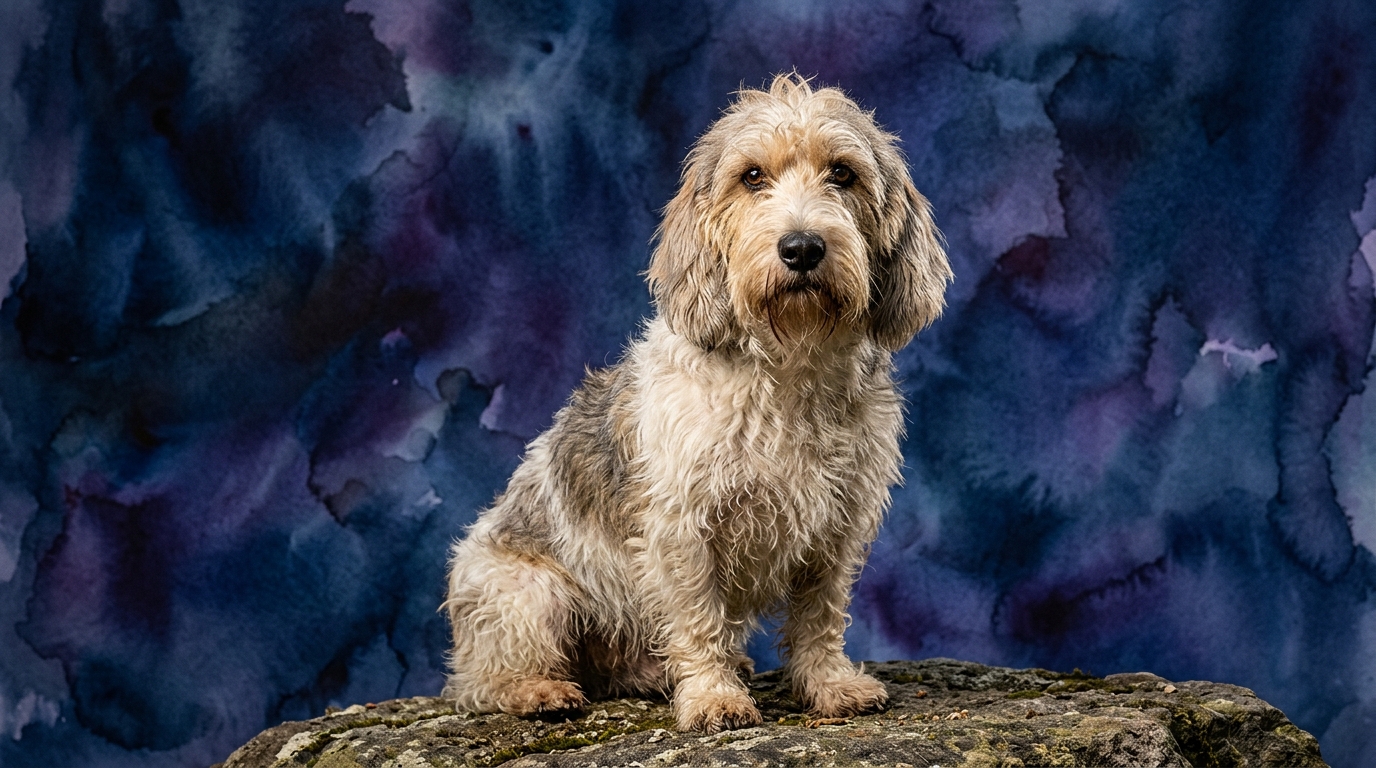
The **Petit Basset Griffon Vendéen (PBGV)**, a spirited Hound, holds a distinct cognitive blueprint shaped by its purpose. While not Coren-ranked, our lab's assessment provides insight into their unique mental strengths. Their problem Solving is rated 3/5, indicating a practical intelligence focused on overcoming obstacles to achieve their primary goal, often related to scent. Training Speed is 3/5, meaning they learn at an average rate, but their independent nature and powerful scent drive can sometimes make immediate compliance a challenge. Social Intelligence, at 3/5, suggests they are friendly and engaging, but often more engrossed in their environment and olfactory exploration than in deeply mirroring human emotional states. Their Instinctive Drive, also 3/5, is profoundly specialized in scent work; their cognitive framework is intrinsically linked to processing olfactory information and tracking. Their Memory, at 3/5, is good for recalling scent paths and established routines, though perhaps not as strong in recalling human-centric commands without consistent, engaging reinforcement.
Where the Chihuahua's Cognition Takes the Lead
The Chihuahua exhibits clear cognitive advantages in areas that foster deep human-animal companionship. Their exceptional Social Intelligence, scoring 4/5 compared to the PBGV's 3/5, is a significant differentiator. Chihuahuas often demonstrate a sophisticated understanding of human social dynamics, deftly reading subtle cues, responding to emotional shifts, and using their charm to influence interactions. This manifests as a profound, reciprocal bond, making them highly responsive companions within a social context. Their capacity for empathy and their ability to integrate seamlessly into human family structures give them a distinct edge in this domain.
Furthermore, the Chihuahua's superior Memory, at 4/5 versus the PBGV's 3/5, contributes significantly to their adaptability and ease of integration into domestic life. This robust memory allows them to quickly establish routines, internalize house-training protocols, and recall specific interactions or command sequences with greater durability. They remember which family member is most likely to offer a treat, the precise location of their favorite nap spot, or the sequence of a learned trick, making their learning more consistent and long-lasting.
The PBGV's Unique Cognitive Strengths
While the PBGV's general IQ scores might appear similar to the Chihuahua's in some categories, their cognitive strengths lie in their specialized, instinct-driven intelligence. Their Instinctive Drive, rated 3/5, is not just a physical attribute but a profound cognitive specialization in olfactory processing and persistent tracking. Their entire mental architecture is geared towards filtering out distractions, discriminating between subtle scent variations, and maintaining an unwavering focus on a trail. This isn't merely a physical ability; it's a mental fortitude to persist in a complex, sensory-rich environment, a unique cognitive feat that allows them to excel in their intended role.
The PBGV's problem Solving, also rated 3/5, is often expressed through this lens of instinct. Their intelligence here is practical and situation-dependent, focused on achieving their primary goal of following a scent. This involves navigating complex terrain, overcoming physical obstacles, and making real-time decisions based on olfactory input. While not abstract puzzle-solving, their ability to apply their cognitive resources to persistent, goal-oriented tracking in a dynamic environment represents a highly effective and specialized form of intelligence, requiring spatial awareness, sensory interpretation, and dogged determination.
Trainability: A Tale of Two Temperaments
When it comes to trainability, the underlying cognitive profiles of these breeds lead to different experiences. The Chihuahua, with a Training Speed of 3/5, a Memory of 4/5, and Social Intelligence of 4/5, often proves to be a more straightforward student for foundational obedience. Their strong social connection means they are generally eager to please their human companions, and their superior memory allows them to quickly associate commands with rewards, retaining these behaviors effectively. Their smaller stature also makes physical guidance during training less daunting. However, their assertive personalities mean that consistency and positive reinforcement are paramount to prevent undesirable behaviors often mistakenly attributed to their size.
The Petit Basset Griffon Vendéen, sharing a 3/5 Training Speed and 3/5 Memory, but with a powerful, specialized Instinctive Drive, presents a different set of training considerations. While capable of learning commands, their independent nature and overwhelming focus on scent can make training a persistent challenge. Their attention can be easily diverted by an intriguing smell, requiring immense patience, creativity, and a deep understanding of hound instincts from their trainer. A PBGV is less inherently people-pleasing than a Chihuahua; they often need compelling, highly rewarding reasons to comply, and training sessions must compete effectively with the allure of the olfactory world.
Lifestyle Match: Active Explorers vs. Connected Companions
The cognitive and temperamental differences between these two breeds significantly impact which lifestyle they best suit. Chihuahuas, despite their small size, are quite versatile. While they certainly enjoy short bursts of play and walks, their modest exercise needs make them suitable for owners who prefer indoor activities, short strolls, or simply extended cuddle sessions. Their high social intelligence means they are content to be close companions for hours, thriving on human interaction. However, they also possess a surprising agility and enjoy mental stimulation, making them appealing to active owners who appreciate a small, engaged dog for brief, intense training or dog sports.
The Petit Basset Griffon Vendéen, on the other hand, is unequivocally suited for active owners. Their hound heritage and strong scent drive demand regular, vigorous exercise and opportunities to engage their powerful olfactory senses. They are not content with short walks around the block; they need to run, explore, and follow interesting smells in a secure, fenced environment. A relaxed owner who cannot consistently provide this outlet will likely find a PBGV restless, vocal, and potentially prone to destructive behaviors. They require a lifestyle that allows them to fulfill their innate drive to explore and track, making them ideal for individuals or families who embrace outdoor adventures.
The Verdict
Choose the Chihuahua if you seek a deeply connected, socially astute companion who thrives on close human interaction and can adapt to varied lifestyles with moderate exercise. Their superior memory and social intelligence make them highly responsive, charming pets, ideal for those who appreciate a clever dog in a small package.
Choose the Petit Basset Griffon Vendéen if you are an active individual or family who enjoys outdoor adventures, has a secure space for a dog to explore, and appreciates a robust, independent dog with a keen sense of smell. You must be prepared to engage their strong hunting instincts through consistent training and ample physical and mental stimulation.
🧠 Find Your Pet's IQ Score
Our Pet IQ Lab assessment covers 25+ tests across 5 cognitive dimensions — personalized to your breed.
Take the Full IQ Test →Frequently Asked Questions
Are Chihuahuas difficult to train?
Chihuahuas are generally responsive to training due to their strong social intelligence and good memory, learning basic commands at an average pace. However, their assertive personalities require consistent, positive reinforcement to prevent undesirable behaviors, ensuring they become well-mannered companions.
Do PBGVs need a lot of exercise?
Yes, Petit Basset Griffon Vendéens are active hounds with a strong drive to follow scents, demanding significant daily exercise. They require opportunities to run, explore, and engage their powerful olfactory senses in a safe, fenced environment to keep them mentally and physically content and prevent restlessness.
Which breed is better with children?
Both breeds can be good with respectful children, but their temperaments and physical resilience differ. Chihuahuas, being tiny and delicate, are generally better suited for older, gentle children, while PBGVs are more robust and playful, though their boisterous nature and scent drive mean supervision is crucial with very young children.