Side-by-Side Cognitive Profiles
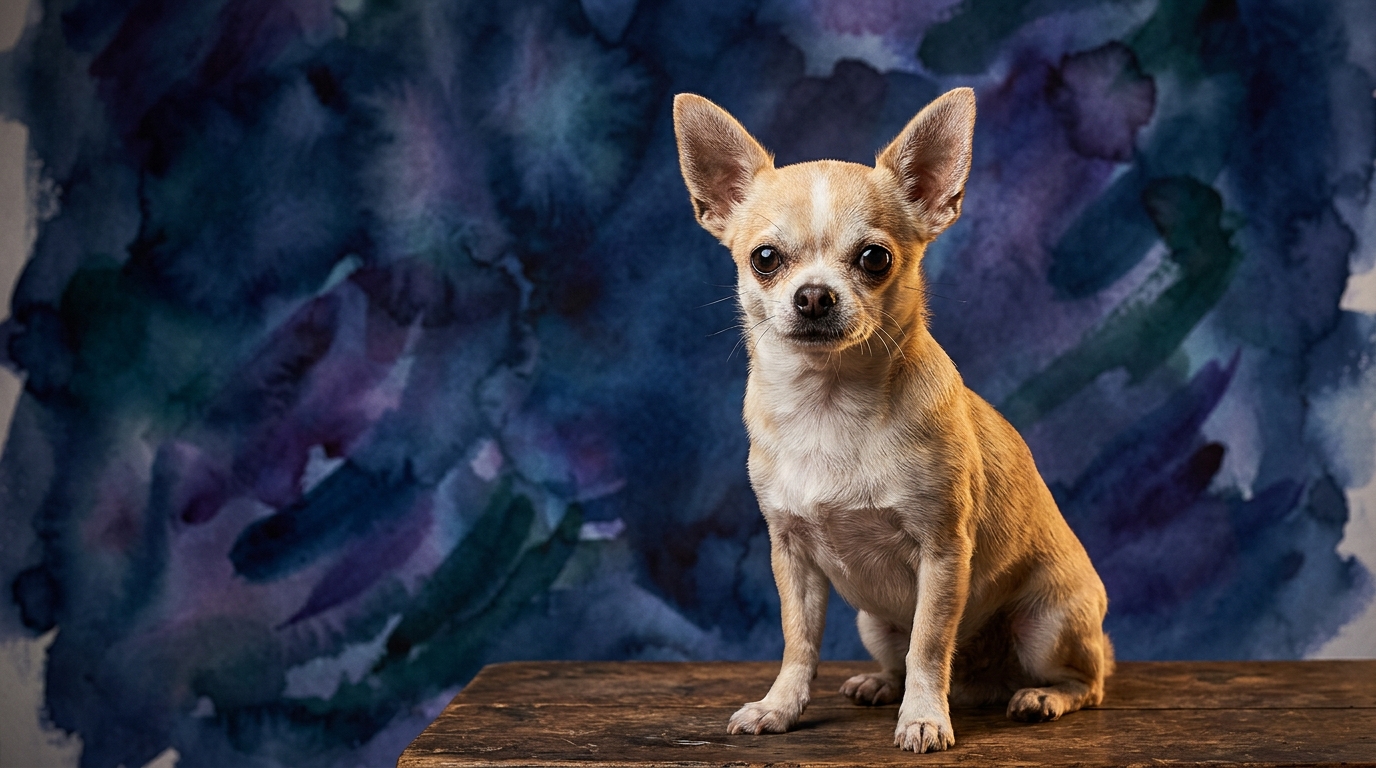
**Chihuahua:** This toy breed, despite its small stature, demonstrates a notable cognitive makeup. Their Problem Solving is rated 3/5, indicating an average capacity to navigate novel situations and figure out solutions, often through observation or trial-and-error within their immediate environment. Training Speed also sits at 3/5, suggesting they can learn new commands at a moderate pace, though consistency is key. Where Chihuahuas truly shine is in Social Intelligence, scoring an impressive 4/5. This reflects their strong ability to interpret human cues, form deep bonds, and adapt their behavior within a social context. Their Instinctive Drive is 3/5, which for a companion breed often manifests as alert barking or a territorial streak rather than a strong prey drive. Finally, their Memory is rated 4/5, allowing them to retain learned behaviors and routines effectively over time.
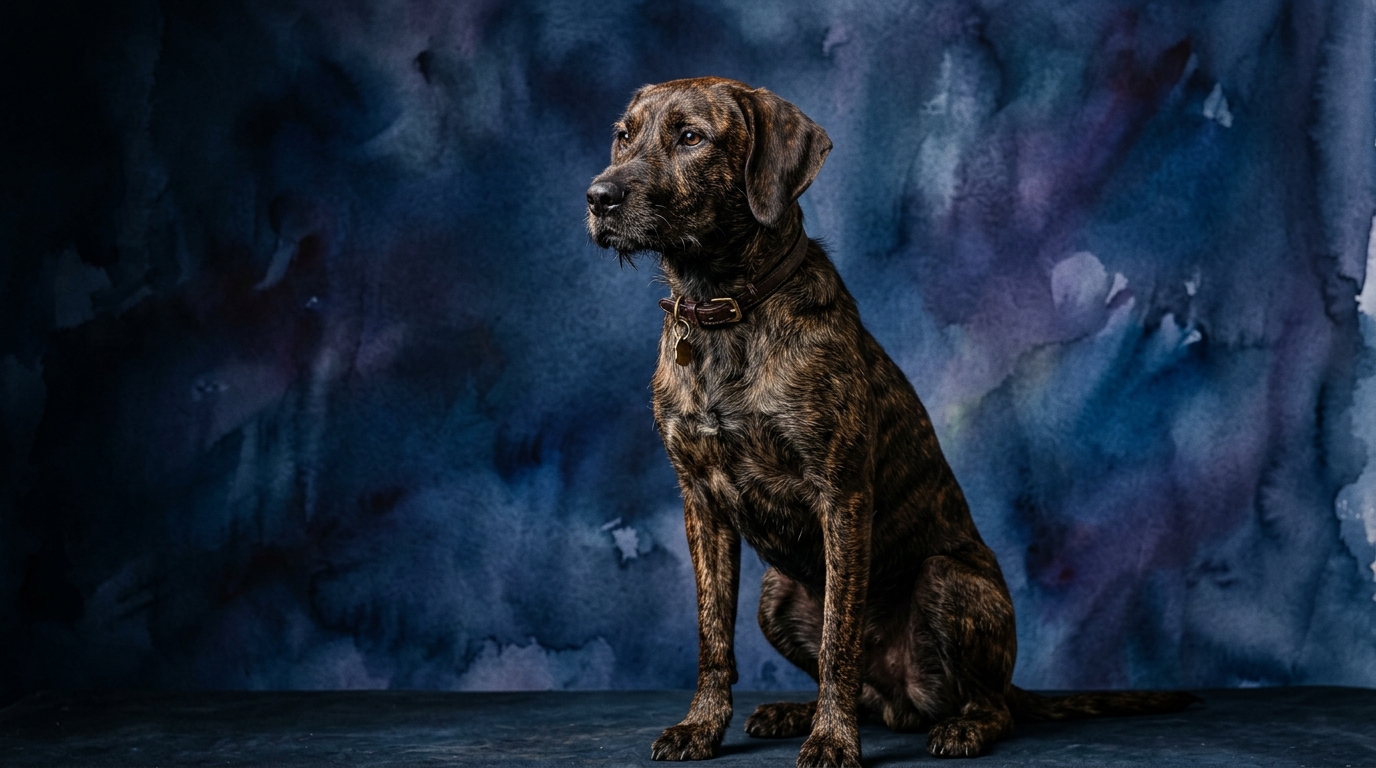
**Plott Hound:** The Plott Hound, a sturdy and driven scent hound, presents a distinct cognitive profile shaped by its working heritage. Their Problem Solving is also 3/5, suggesting a practical intelligence often focused on their primary task – tracking. Training Speed matches at 3/5, meaning they learn at a similar pace to Chihuahuas but might require different motivational strategies due to their independent nature. Social Intelligence for the Plott Hound is 3/5, indicating they are capable of forming bonds and understanding social dynamics, but perhaps with less overt expressiveness or immediate adaptability than a Chihuahua. Their Instinctive Drive, rated 3/5, is powerfully channeled into their scenting abilities, driving them to pursue trails with unwavering focus. Memory for the Plott Hound is 3/5, allowing them to recall learned tasks and scent profiles, though perhaps not with the same breadth of social recall as the Chihuahua.
Where the Chihuahua Excels Cognitively
The Chihuahua's cognitive strengths primarily lie in their advanced social intelligence and impressive memory recall. Scoring 4/5 in Social Intelligence, they exhibit a superior ability to read human emotions, understand subtle body language, and respond appropriately within a family setting. This translates into their exceptional capacity for companionship, often anticipating their owner's moods and adjusting their behavior to seek comfort or offer affection. For instance, a Chihuahua might quickly learn which family member is most receptive to snuggles at a given moment or understand when a "no" means "stop immediately" versus "try again later."
Their 4/5 Memory further enhances this social acumen, allowing them to remember specific interactions, routines, and who provides what type of reward or comfort. This means a Chihuahua is adept at recalling which household member is most likely to share a forbidden snack or which person always gives the best belly rubs, leading to highly personalized interactions and a nuanced understanding of their human household. This robust memory also aids in retaining house-training rules and preferred sleeping spots, making them predictable and integrated members of the home.
Where the Plott Hound Excels Cognitively
While the Plott Hound shares a 3/5 rating in Problem Solving and Instinctive Drive with the Chihuahua, the *application* of these traits is where its cognitive prowess truly shines. The Plott's problem-solving often manifests as persistent, analytical thinking when confronted with a complex scent trail. Faced with a broken trail or confusing cross-scents, a Plott Hound doesn't give up but employs a methodical approach, circling back, sampling the air, and using its remarkable olfactory memory to piece together the path. This isn't about navigating a living room obstacle course but about intellectual persistence in a highly specialized domain.
Their 3/5 Instinctive Drive, while numerically similar, is singularly focused on their hunting heritage. This drive translates into an unparalleled ability to concentrate on a scent, filtering out distractions that would overwhelm other breeds. A Plott Hound's cognitive strength lies in its capacity for sustained, deep focus on a single sensory input, demonstrating a specialized form of intelligence that allows them to perform complex tasks like tracking game over vast distances and varied terrain, often for hours on end, a feat requiring immense mental stamina and sensory discrimination.
Ease of Training: Chihuahua vs. Plott Hound
Both breeds share a Training Speed rating of 3/5, suggesting they absorb new commands at an average pace. However, the *approach* to training them differs significantly due to their inherent behavioral tendencies. Chihuahuas, with their 4/5 Social Intelligence, are often highly motivated by praise, attention, and the desire to please their primary human companions. This social drive makes them generally responsive to positive reinforcement methods and can accelerate their learning when the trainer establishes a strong bond. Their tendency to form intense attachments means they pay close attention to their owner's cues, making them eager participants in training sessions. For example, a Chihuahua might quickly learn "sit" because they associate it with a treat and a happy tone from their beloved human.
In contrast, the Plott Hound's 3/5 Social Intelligence and powerful Instinctive Drive mean their focus can be more external, particularly when a compelling scent is present. While they are capable learners, their motivation often needs to be more tangible and their training methods need to account for their independent, scent-driven nature. A Plott Hound might understand "stay" perfectly in a quiet living room, but the instant a squirrel scent drifts by, their deep-seated instinctive drive to track can override learned commands. Training a Plott often requires more patience, consistency, and higher-value rewards to compete with their natural inclinations, especially outdoors. Therefore, while both learn at a similar *speed*, the Chihuahua is generally *easier* to train in a conventional obedience context due to its social compliance and desire for human approval.
Suiting Active vs. Relaxed Owners
Considering their cognitive profiles and inherent drives, the distinction between suitability for active versus relaxed owners becomes clear. The Chihuahua, with its high Social Intelligence and strong Memory, thrives in a home where it receives consistent human interaction and mental stimulation through companionship. While they enjoy short bursts of play and walks, their physical needs are minimal. Their cognitive engagement comes from observing household dynamics, learning routines, and engaging in interactive play that strengthens their bond with their owner. A relaxed owner who enjoys quiet evenings, lap time, and engaging in gentle games or puzzle toys would find the Chihuahua a highly compatible companion, as their cognitive needs are met through close social interaction rather than strenuous physical activity.
The Plott Hound, on the other hand, is unequivocally suited for active owners. Its 3/5 Instinctive Drive, deeply rooted in tracking, necessitates significant outlets for physical exertion and mental engagement that taps into this heritage. These dogs require long, vigorous walks, opportunities for off-leash exploration (in secure areas), or participation in scent work, tracking, or even agility. An owner who can provide consistent, challenging physical and mental activities that allow the Plott to utilize its specialized problem-solving skills and persistent drive will see this breed flourish. A relaxed owner who cannot meet these substantial demands would likely find a Plott Hound becoming restless, vocal, or destructive, as their unfulfilled cognitive and physical energy seeks an outlet, often in undesirable ways. Their cognitive satisfaction comes from "working" and exploring, not just from social companionship.
The Verdict
Opt for a Chihuahua if you seek a highly socially aware companion who thrives on close human interaction, remembers routines, and provides nuanced emotional responses in a less physically demanding home environment.
Select a Plott Hound if you're an active individual or family eager to provide substantial physical exercise and engaging scent-based activities, appreciating a dog whose cognitive strengths lie in persistent, focused outdoor exploration.
🧠 Find Your Pet's IQ Score
Our Pet IQ Lab assessment covers 25+ tests across 5 cognitive dimensions — personalized to your breed.
Take the Full IQ Test →Frequently Asked Questions
Does a Chihuahua's small size affect its problem-solving abilities?
While their problem-solving score is 3/5, a Chihuahua's solutions often involve navigating smaller spaces or manipulating objects within their reach. Their cognitive challenges are typically scaled to their physical capabilities and immediate environment, making them adept at solving "small dog" problems.
Can a Plott Hound be a good family pet despite its strong hunting drive?
Yes, a Plott Hound can be an excellent family pet, provided their significant exercise and mental stimulation needs are met. Their social intelligence (3/5) allows them to bond with family members, but their instinctive drive requires consistent training and outlets to prevent boredom or destructive behaviors.
Are there any specific games or activities that best stimulate each breed's intelligence?
For Chihuahuas, interactive puzzle toys that involve problem-solving for treats, learning new tricks, and engaging in "hide-and-seek" games with their owner are excellent. For Plott Hounds, scent work, tracking games, long hikes, and even canine sports like barn hunt or agility that tap into their drive and endurance are highly stimulating.