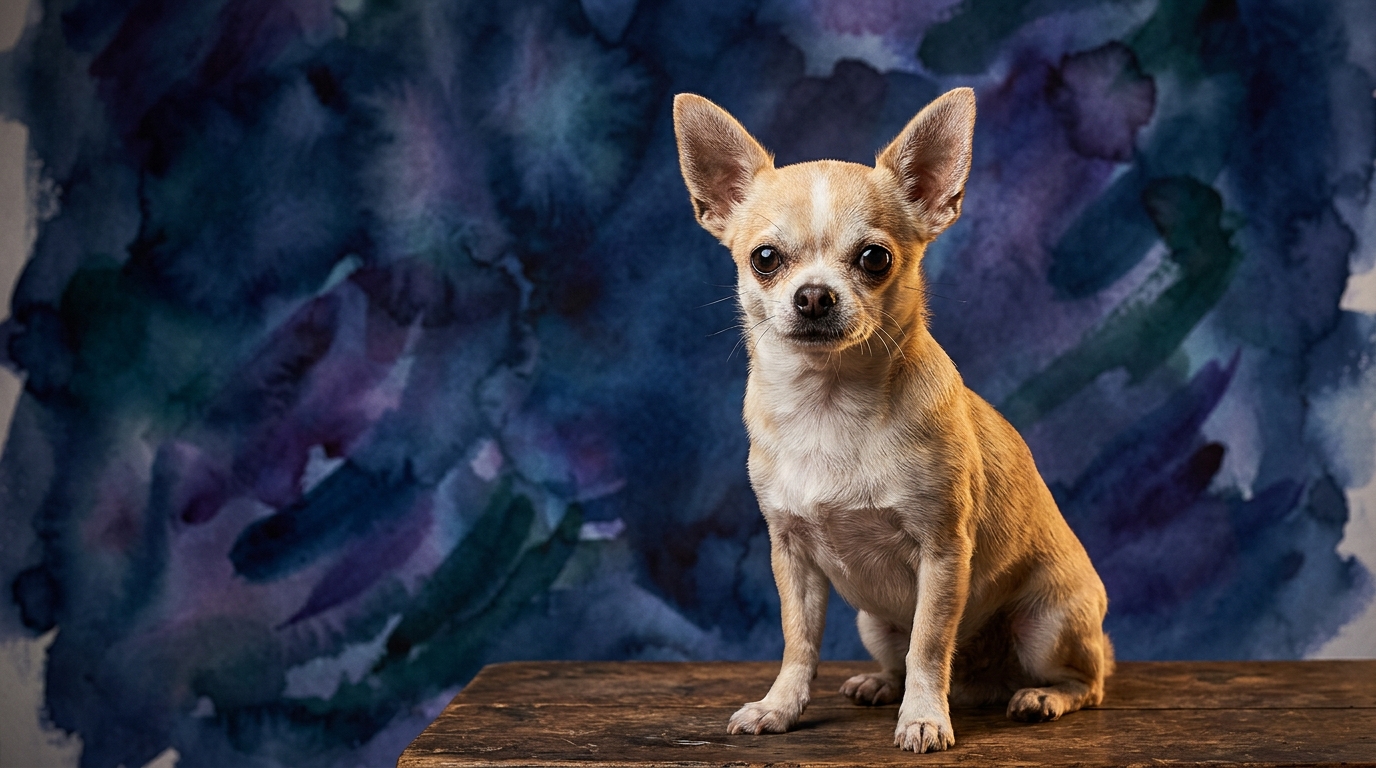
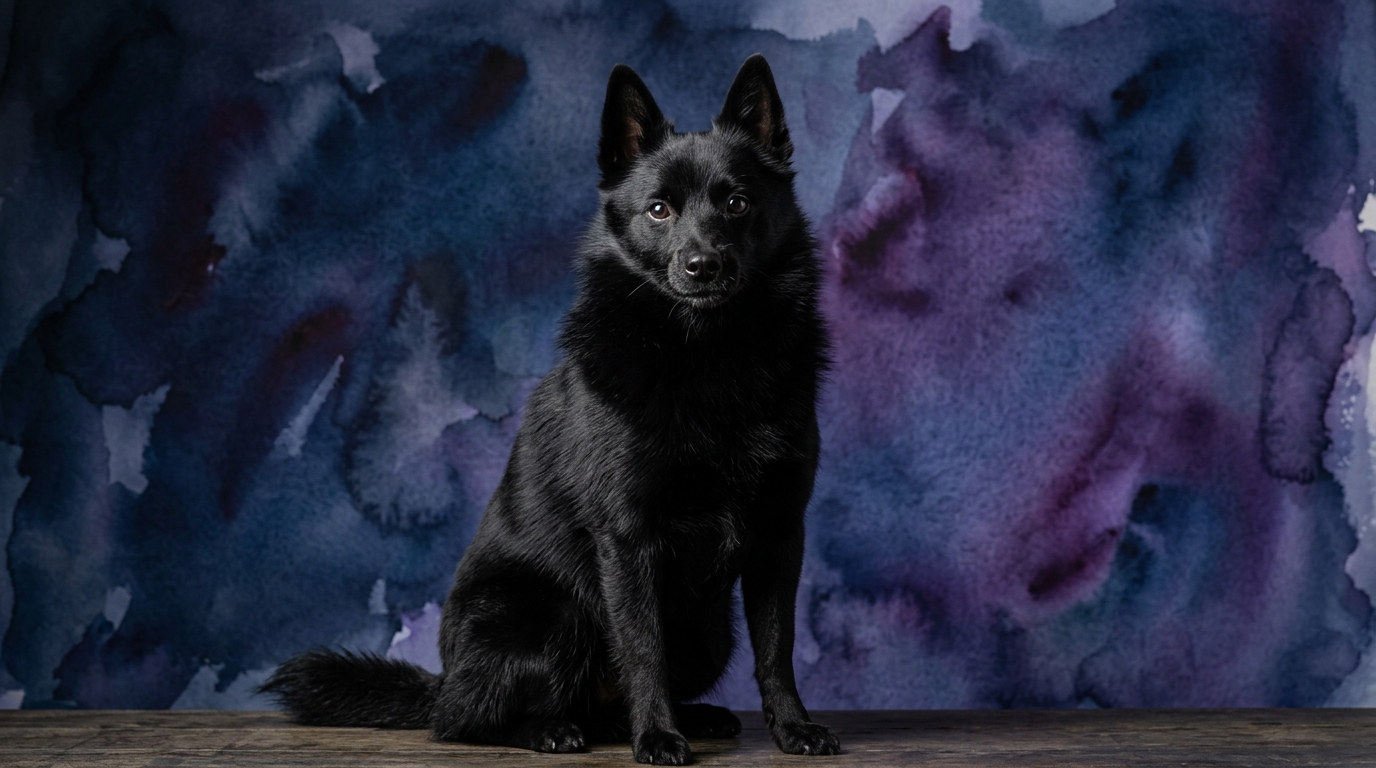
Side-by-Side Cognitive Profiles: Chihuahua vs. Schipperke
**Chihuahua (Coren Rank #67)**: This diminutive companion, while often perceived through the lens of its size, possesses a distinct cognitive makeup that prioritizes connection and routine. Their Coren ranking places them among breeds that require more repetition for obedience mastery, reflecting a focus away from complex working tasks.
**Problem Solving (3/5)**: Chihuahuas often approach new puzzles or environmental challenges with a moderate degree of adaptability. While they can learn routines and navigate familiar spaces efficiently, complex, multi-step problems or novel situations might require more guidance and repeated exposure to solve independently. Their method tends towards trial-and-error, relying on learned associations rather than abstract reasoning.
**Training Speed (3/5)**: When it comes to learning new commands, Chihuahuas generally require consistent repetition and patience. They can certainly master a wide array of cues, but the acquisition process is often steady rather than immediate, necessitating a clear and positive reinforcement approach over an extended period for concepts to solidify.
**Social Intelligence (4/5)**: This is a standout strength for the Chihuahua. They excel at reading human emotional states, understanding subtle cues in body language and tone of voice, and forming profound, intuitive bonds with their primary caregivers. They often seem to anticipate needs or react empathetically to human moods, showcasing a deep emotional attunement.
**Instinctive Drive (3/5)**: Chihuahuas possess a moderate instinctive drive, which can manifest as a watchful territoriality or a curious, sometimes bold, exploration of their immediate surroundings. While not typically driven by complex working tasks, they exhibit enough innate curiosity and protective instincts to be attentive companions.
**Memory (4/5)**: Chihuahuas demonstrate a strong capacity for memory, retaining learned behaviors, specific routines, and past positive or negative experiences for considerable periods. They remember people, places, and the sequence of daily events, contributing significantly to their ability to bond and feel secure within their environment.
**Schipperke (Coren Rank #15)**: Known as the 'little captain,' the Schipperke's cognitive abilities reflect its history as a vigilant barge dog, requiring sharp wits and independent decision-making. Its Coren ranking signifies a breed highly capable of understanding and executing complex commands with minimal effort.
**Problem Solving (5/5)**: Schipperkes possess an exceptional ability to analyze situations, devise solutions, and quickly adapt to novel challenges. They are adept at understanding cause-and-effect relationships, often displaying ingenuity in manipulating objects or navigating obstacles to achieve a goal. Their approach is less about trial-and-error and more about calculated exploration.
**Training Speed (5/5)**: This breed is remarkably quick to grasp new commands and complex routines, often needing only a handful of repetitions before a concept is understood and executed reliably. Their eagerness to learn and mental agility make them highly receptive to training, allowing them to generalize learned behaviors across different contexts swiftly.
**Social Intelligence (3/5)**: While capable of forming strong bonds, Schipperkes generally exhibit a more independent social intelligence compared to the Chihuahua. They observe human interactions keenly but might be more discerning in their affections, often choosing to engage on their own terms rather than constantly seeking to please or anticipate.
**Instinctive Drive (3/5)**: Schipperkes share a moderate instinctive drive, often expressed through their historical role as vigilant watchdogs and ratters. This can translate into a strong sense of territoriality and a keen alertness to their surroundings, coupled with a persistent curiosity that drives exploration.
**Memory (5/5)**: Schipperkes boast an outstanding memory, retaining a vast repertoire of commands, routines, and past experiences with remarkable accuracy and longevity. Once a behavior or concept is learned, it is rarely forgotten, making long-term training and skill retention highly effective and reliable.
Where the Chihuahua's Cognition Shines
The Chihuahua's primary cognitive strength lies in its exceptional social intelligence (4/5) and robust memory (4/5), positioning them as profoundly intuitive companions. Unlike breeds primarily valued for task performance, Chihuahuas often demonstrate an uncanny ability to read and respond to human emotions, offering comfort or seeking interaction at precisely the right moment. This attunement allows them to form incredibly deep, reciprocal bonds, understanding subtle shifts in mood or routine without explicit instruction. Their strong memory further enhances this connection, enabling them to recall specific interactions, preferred comfort spots, and the daily rhythms of their human family, creating a sense of predictability and security that underpins their affectionate nature. This cognitive profile makes them adept at navigating the complexities of human-animal companionship with grace and sensitivity.
Where the Schipperke's Cognition Excels
The Schipperke's cognitive profile is marked by superior problem-solving (5/5), rapid training speed (5/5), and outstanding memory (5/5), making them formidable learners and independent thinkers. Their elevated Coren rank of #15, compared to the Chihuahua's #67, underscores this distinction in working intelligence. Schipperkes excel at dissecting complex situations, quickly identifying solutions, and adapting their strategies, a trait evident in their historical role as alert 'little captains' on barges. This capacity for analytical thought, combined with their ability to acquire new commands almost instantly, means they thrive on mental challenges and advanced obedience work. Their flawless memory ensures that once a skill is mastered, it is retained indefinitely, making them highly reliable performers in competitive dog sports or intricate home routines.
Training Dynamics: Chihuahua vs. Schipperke
The difference in training ease between these two breeds is notable, stemming directly from their distinct cognitive strengths. The Schipperke, with its 5/5 training speed and problem-solving ability, is considerably easier to train for formal obedience and complex tasks. They grasp new concepts with minimal repetition, often finding the process itself to be a stimulating mental exercise. Their historical utility as working dogs, requiring independence and quick decision-making, means they are predisposed to learning and executing commands efficiently. This often translates into a dog that enjoys structured learning environments and excels in activities like agility or advanced trick training, where their quick wit and memory are assets.
Conversely, the Chihuahua, with a 3/5 training speed, requires more patience, consistency, and a highly positive reinforcement approach. While capable of learning a wide range of commands, they may take longer to solidify new behaviors and might not generalize them as quickly across different environments. Their cognitive focus leans more towards social interaction and emotional connection, meaning they might be more motivated by affection and comfort than by the challenge of mastering a new skill for its own sake. Owners might find that basic manners require more dedicated effort, and while they can certainly achieve high levels of obedience, it often demands a different training philosophy, one that emphasizes relationship-building over sheer cognitive challenge. Their smaller size can also lead to owners being less rigorous with training, inadvertently allowing for behaviors that might not be tolerated in a larger, more task-oriented breed.
Ideal Owners: Active Engagement vs. Relaxed Companionship
**For the Active, Engaged Owner: The Schipperke** Owners seeking a cognitively engaging partner who thrives on mental stimulation and structured activities will find an ideal match in the Schipperke. Their exceptional problem-solving and training speed mean they excel in dog sports such as agility, obedience, rally, and even scent work. A Schipperke left without sufficient mental challenges can become bored, potentially leading to inventive (and sometimes inconvenient) ways to entertain themselves. They benefit from owners who are committed to ongoing training, puzzle toys, and varied experiences that tap into their sharp intellect and independent spirit. These dogs are not content to merely observe; they want to participate and figure things out, making them a vibrant addition to a dynamic household.
**For the Relaxed, Affectionate Owner: The Chihuahua** The Chihuahua, with its profound social intelligence and strong memory for routines, is perfectly suited for owners who prioritize deep emotional connection and relaxed companionship. While they enjoy play and walks, their cognitive strengths are best appreciated in a home where their intuitive understanding of human emotions and desire for close physical proximity are valued. They thrive on predictable routines and ample lap time, making them wonderful companions for individuals or families who prefer a more tranquil lifestyle. These dogs offer a consistent, empathetic presence and are content to be involved in daily life from the comfort of a lap or a nearby bed, requiring less formal mental 'work' and more genuine, heartfelt interaction.
The Verdict
Opt for a Chihuahua if you seek a deeply empathetic, intuitive companion who excels at reading your moods and thrives on close, affectionate interaction within a predictable, relaxed home environment.
Select a Schipperke if you desire a sharp-witted, independent dog eager for mental challenges, advanced training, and active participation in dog sports or intricate daily routines, thriving with an owner committed to consistent cognitive engagement.
🧠 Find Your Pet's IQ Score
Our Pet IQ Lab assessment covers 25+ tests across 5 cognitive dimensions — personalized to your breed.
Take the Full IQ Test →Frequently Asked Questions
Do Chihuahuas truly understand human emotions?
Yes, Chihuahuas exhibit a high degree of social intelligence (4/5), allowing them to read human emotional states and body language with remarkable accuracy. They often respond empathetically to their owner's moods, making them very attuned and comforting companions.
Can a Schipperke be a good family dog, given its independence?
Absolutely. While Schipperkes possess a more independent social intelligence (3/5), they are capable of forming strong bonds with their families. Their keen observation skills mean they are aware of family dynamics, and with proper socialization, they can be loyal and protective, thriving in a home that offers consistent engagement and clear boundaries.
How much mental stimulation does a Schipperke need daily?
Schipperkes, with their 5/5 problem-solving and training speed, require significant daily mental stimulation to remain content and well-behaved. This could involve 20-30 minutes of training sessions, puzzle toys, interactive games, or participation in dog sports, in addition to physical exercise, to keep their sharp minds engaged.