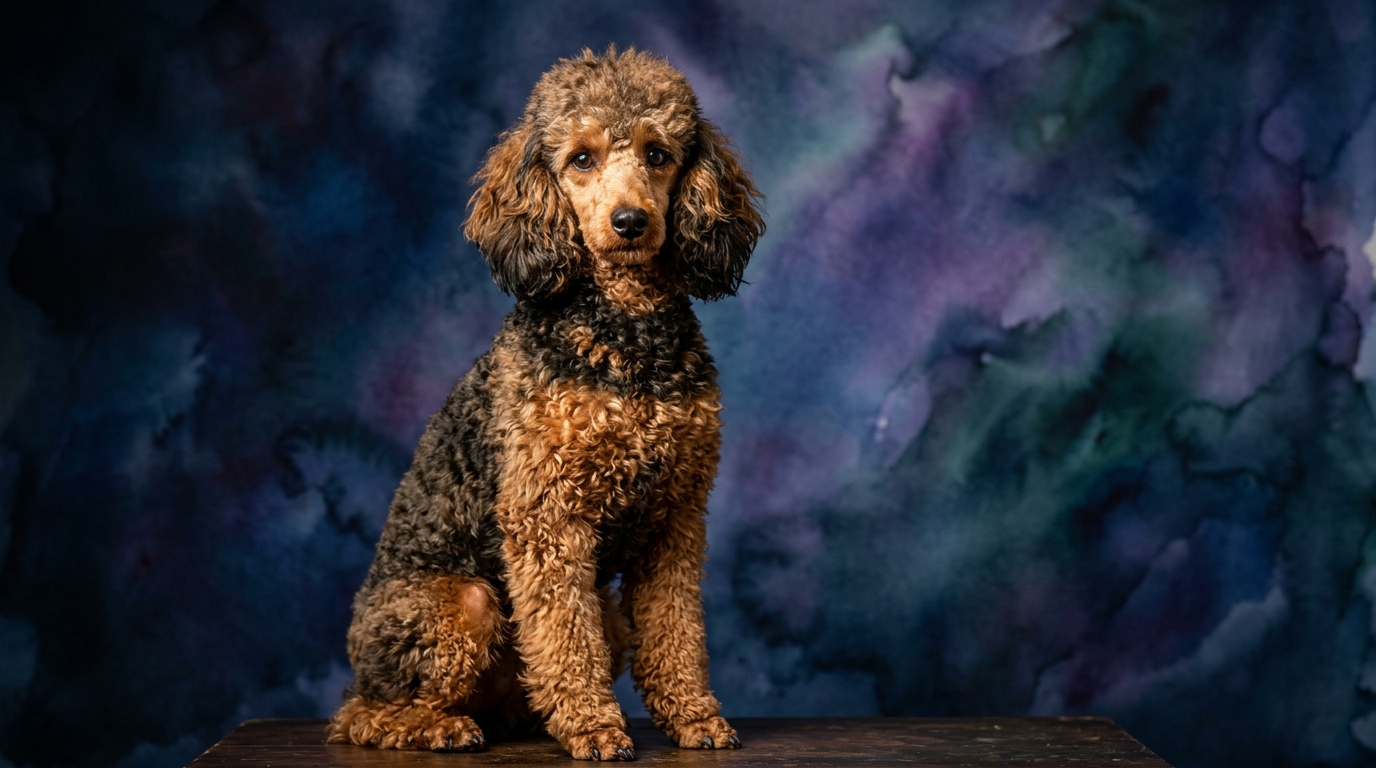
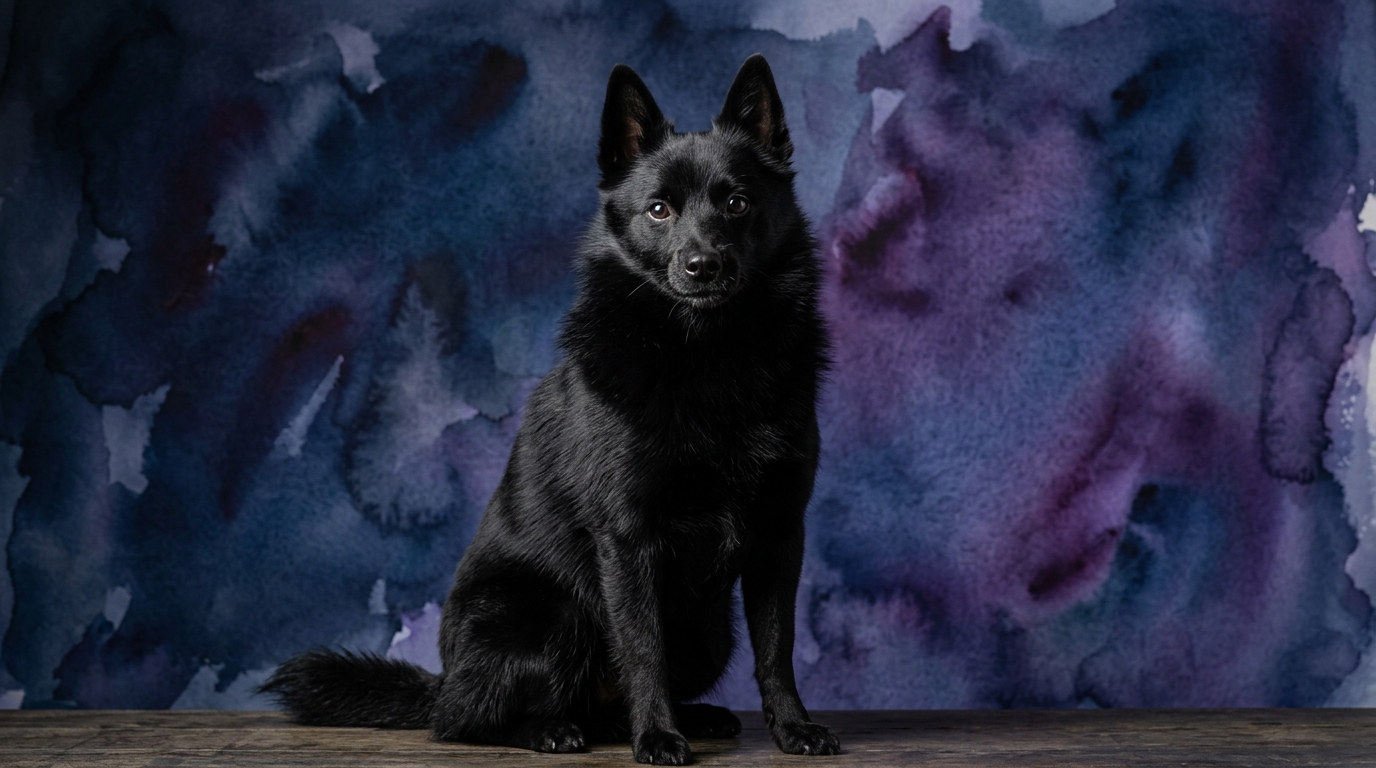
Side-by-Side IQ Profile
The Cosmic Pet Pet IQ Lab employs a five-dimensional cognitive assessment to provide a nuanced understanding of each breed's mental capabilities. Let's examine how the Standard Poodle, with a Coren rank of #2, stacks up against the Schipperke, ranked #15.
The Standard Poodle consistently achieves top marks across most cognitive dimensions. Their Problem Solving is rated 5/5, indicating an exceptional ability to navigate complex environments and devise solutions to novel challenges, often demonstrating foresight in their actions and quickly grasping multi-step tasks. Training Speed is also 5/5, meaning they acquire new commands and routines with remarkable swiftness, often requiring only a few repetitions to solidify a behavior. Their Social Intelligence is a perfect 5/5, reflecting a profound understanding of human emotions and social cues, allowing them to anticipate needs and react empathetically. Instinctive Drive is strong at 4/5, possessing well-developed innate behaviors, particularly for retrieving and water work. Finally, Memory is 5/5, demonstrating excellent recall for both learned information and past experiences over extended periods.
In contrast, the Schipperke presents a unique cognitive blueprint. Their Problem Solving is 5/5, displaying an impressive capacity to independently figure out solutions to environmental puzzles or challenges, often utilizing cunning and resourcefulness to manipulate objects and overcome perceived barriers. Training Speed is also 5/5, meaning they learn new commands quickly and efficiently once motivated. However, their Social Intelligence is 3/5, indicating an awareness of their human companions but often prioritizing their own agenda or observations, exhibiting a more independent social engagement. Instinctive Drive is 3/5, possessing a strong historical drive for vigilance and vermin control, manifesting as keen observation and a propensity to alert. Their Memory is 5/5, retaining information and learned behaviors with excellent long-term recall, remembering both training cues and environmental details effectively.
Where Poodle (Standard) Wins Cognitively
The Standard Poodle's cognitive strengths distinctly shine in areas requiring nuanced social interaction and cooperative learning. Their perfect 5/5 rating in Social Intelligence means they are exceptionally adept at interpreting human body language, vocal inflections, and emotional states, allowing them to anticipate their owner's needs and respond empathetically. For instance, a Standard Poodle might spontaneously bring a toy to a visibly stressed owner or calmly settle by their side without being prompted, demonstrating a deep understanding of human emotional cues. This capacity extends beyond their immediate family, enabling them to navigate complex social dynamics with new people or other animals with remarkable grace and adaptability.
While both breeds earn top marks in Problem Solving, the Poodle's application often leans towards collaborative puzzle-solving or understanding abstract concepts within a structured learning context. Coupled with their 5/5 Training Speed, they excel at mastering intricate obedience routines, advanced tricks, or complex agility courses that demand a precise understanding of sequences and handler cues. Their robust Memory (5/5) ensures these complex sequences are retained over time, allowing them to perform sophisticated tasks with minimal refresher. This combination of social attunement, rapid learning, and excellent recall makes them premier candidates for service work, therapy roles, or competitive dog sports where precise execution and partnership are paramount.
Where Schipperke Wins Cognitively
The Schipperke's cognitive profile showcases a different, yet equally impressive, set of strengths rooted in independence and environmental mastery. Achieving a 5/5 in Problem Solving, their ingenuity often manifests in self-directed endeavors, such as devising clever ways to access forbidden areas, outsmarting perceived obstacles, or independently navigating their environment to achieve a desired outcome, like finding a hidden treat. This isn't just about following commands; it’s about autonomous strategic thinking, a trait honed by their historical role as vigilant barge companions and ratters.
Their 3/5 rating in Social Intelligence, while lower than the Poodle, isn't a deficit but rather an indicator of their distinct social approach. Schipperkes possess a keen observational intelligence, absorbing details about their surroundings and the routines of their household with an almost detached precision. They may be less overtly empathetic than Poodles, but their independent nature allows them to process information and react based on their own assessment, rather than solely relying on human direction. This can lead to surprisingly effective self-sufficiency and a unique brand of companionship where mutual respect for individual space is key. Their robust Memory (5/5) means they retain these observations and learned environmental strategies effectively, enabling them to remember where every object belongs, the routine of every family member, and the most efficient routes to their favorite sunbathing spot or vantage point.
Which Is Easier to Train and Why
When considering ease of training, the Standard Poodle generally presents a more straightforward experience due to its exceptional social intelligence and strong desire to cooperate. Their 5/5 Training Speed means they grasp new commands rapidly, often within a few repetitions, and their 5/5 Social Intelligence ensures they are highly attuned to their handler's cues and eager to please. This combination results in a dog that actively seeks to understand and comply, making them highly responsive to positive reinforcement and capable of mastering complex chains of behaviors. Real behavioral differences include the Poodle's tendency to maintain eye contact, readily offer behaviors when prompted, and show genuine enthusiasm for collaborative tasks, which significantly streamlines the training process for everything from basic manners to advanced competitive obedience.
The Schipperke, while also possessing a 5/5 Training Speed and 5/5 Memory, approaches training with a different cognitive filter. Their 3/5 Social Intelligence and 3/5 Instinctive Drive lean towards an independent decision-making process. While they learn quickly, they often require a compelling 'what's in it for me?' motivation and can be less inclined to perform simply to please. Their problem-solving prowess might be applied to finding ways around commands rather than strictly adhering to them if they perceive a more interesting alternative. Training a Schipperke demands creativity, consistency, and a strong understanding of their intrinsic motivations, often involving making training feel like a game or a puzzle they choose to solve. Their independent nature means they can be more prone to selective hearing or pursuing their own agenda if the training isn't engaging enough or if they haven't bought into the process.
Which Suits Active Owners vs Relaxed Owners
The Standard Poodle, with its 4/5 Instinctive Drive and overall cooperative nature, generally suits a wide range of owners, but particularly those who enjoy engaging in structured activities. Their mental and physical needs are substantial, thriving on consistent training, dog sports like agility or obedience, and interactive play sessions that leverage their problem-solving and social intelligence. They are excellent companions for active individuals or families who can commit to daily mental stimulation and physical exercise, often enjoying long walks, runs, or swimming. While adaptable, a relaxed owner who neglects their cognitive and physical needs might find a bored Poodle inventing its own less desirable activities.
The Schipperke, despite its smaller stature, possesses a tenacious 3/5 Instinctive Drive for vigilance and exploration, coupled with a high problem-solving capacity, making it an excellent fit for active owners who appreciate a spirited, independent companion. They require consistent engagement, not just physical exercise, but also mental challenges to satisfy their curious and resourceful minds. Owners who enjoy puzzle toys, scent work, or short, engaging training sessions that tap into their independent problem-solving skills will find a joyful partner. While they can enjoy periods of relaxation, a truly relaxed owner who isn't prepared for their independent streak and need for mental engagement might find the Schipperke crafting its own entertainment, which could include spirited barking or rearranging household items.
The Verdict
Choose a Standard Poodle if you seek a highly cooperative, emotionally attuned companion eager to engage in collaborative learning and sophisticated training. They thrive with owners who appreciate their social grace and desire for partnership in various activities.
Choose a Schipperke if you appreciate an independent, resourceful companion who excels at self-directed problem-solving and offers a unique, watchful presence. They suit owners who enjoy a spirited, clever dog that requires engaging mental challenges.
🧠 Find Your Pet's IQ Score
Our Pet IQ Lab assessment covers 25+ tests across 5 cognitive dimensions — personalized to your breed.
Take the Full IQ Test →Frequently Asked Questions
Do Standard Poodles get bored easily?
Yes, Standard Poodles, with their 5/5 problem-solving and memory, require significant mental stimulation to prevent boredom. They thrive on learning new tasks, engaging in puzzles, and participating in activities that challenge their cognitive abilities, keeping their minds active and engaged.
Are Schipperkes good for first-time dog owners?
Schipperkes can be suitable for first-time owners who are committed to consistent, engaging training and understand their independent nature. Their problem-solving skills and strong will require patience and creative methods, making them a good fit for those ready for a unique training journey.
How do their social intelligence scores impact household dynamics?
A Standard Poodle's 5/5 social intelligence means they are highly integrated into family life, often anticipating needs and adapting to moods, fostering a deep emotional connection. A Schipperke's 3/5 social intelligence suggests they are affectionate but more independent, observing family dynamics from a slightly more detached, watchful perspective, valuing their own space while still being loyal.