
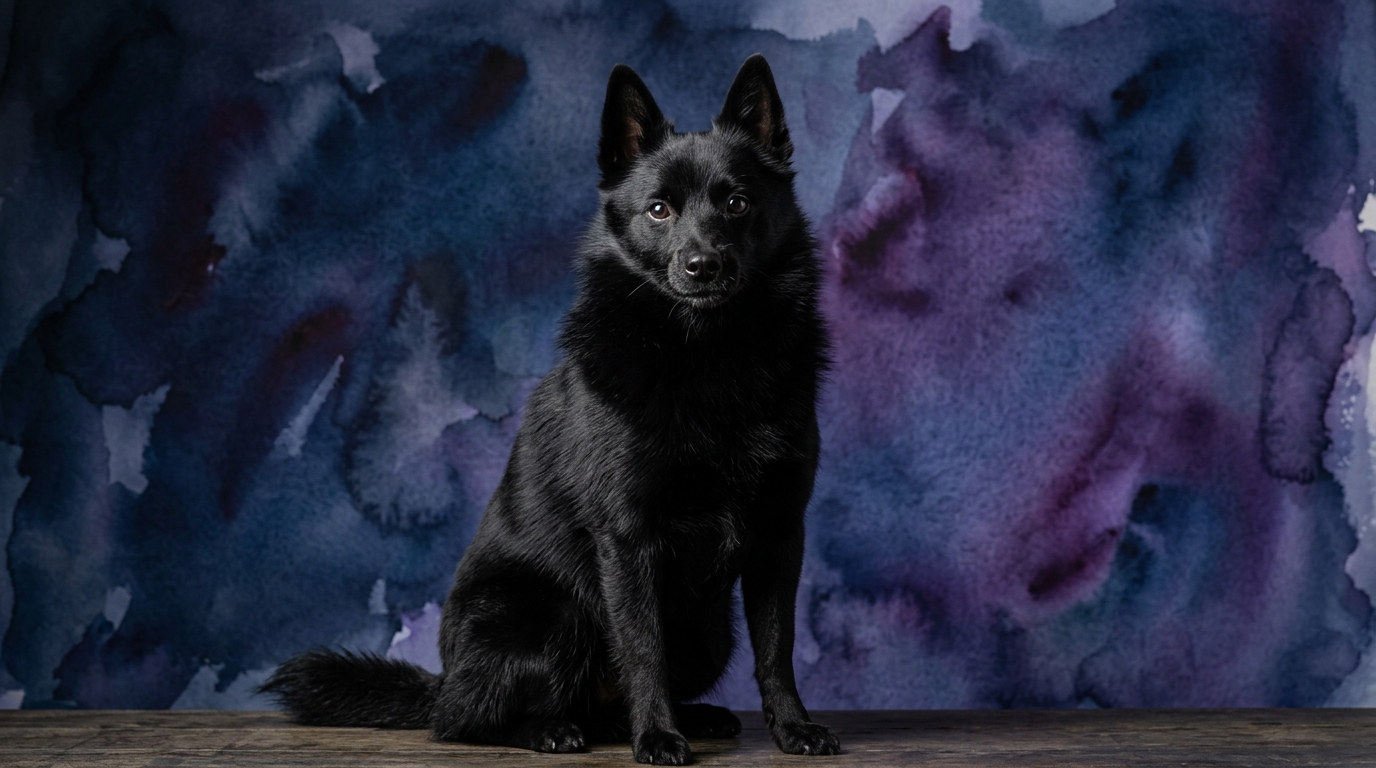
A Side-by-Side Look at German Shepherd and Schipperke IQ Profiles
The German Shepherd, ranked #3 by Stanley Coren, exhibits a comprehensive cognitive toolkit. Its Problem Solving score of 5/5 indicates an exceptional capacity to navigate complex scenarios and devise solutions, whether locating a hidden object or understanding intricate commands. Training Speed, also at 5/5, highlights their rapid acquisition of new behaviors and concepts, often requiring fewer repetitions. Social Intelligence, a perfect 5/5, means the German Shepherd is acutely attuned to human cues, intentions, and emotional states, making them highly responsive partners. Their Instinctive Drive, another 5/5, manifests as a powerful inherent motivation for tasks like herding, protection, or scent work, channeling mental energy into purposeful action. Finally, a Memory score of 5/5 ensures they retain learned information and experiences with remarkable consistency, building a robust behavioral repertoire.
The Schipperke, though smaller, holds a respectable Coren rank of #15, showcasing its own distinct mental prowess. Like the German Shepherd, the Schipperke also scores 5/5 in Problem Solving, demonstrating an impressive ability to figure things out, often with a clever, independent streak. Their Training Speed is equally impressive at 5/5, meaning they grasp new commands quickly, often enjoying mental stimulation. However, where the Schipperke diverges significantly is in Social Intelligence, scoring 3/5; while they form strong bonds, their engagement with human social cues can be more selective and less overtly people-pleasing. Instinctive Drive, also at 3/5, reflects a focused, but perhaps less broadly applicable, set of innate behaviors, primarily centered around their historical role as ratters and vigilant watchdogs. Yet, their Memory, like the German Shepherd, stands at 5/5, ensuring excellent recall.
Where the German Shepherd Excels Cognitively
The German Shepherd's cognitive supremacy truly shines in cooperative problem-solving and nuanced social interaction. Their 5/5 Social Intelligence means they are not just understanding commands, but often anticipating human needs and emotional states. This allows them to excel in roles requiring deep partnership, such as service work, search and rescue, or highly synchronized obedience routines, where reading subtle body language and vocal inflections is paramount. A German Shepherd might independently identify distress in a person and seek help, demonstrating a profound grasp of cause and effect tied to human well-being.
Coupled with their 5/5 Instinctive Drive, their cognitive framework is built for purpose-driven application. This drive isn't just about energy; it’s a mental engine that fuels sustained focus and motivation for complex tasks. Whether tracking a scent over miles, methodically clearing a building, or precisely executing a herding pattern, their mental endurance and dedication to a job are unmatched. Their problem-solving isn't just theoretical; it's applied within a highly motivated, cooperative context, allowing them to adapt strategies in real-time based on environmental feedback and human direction.
Where the Schipperke Demonstrates Unique Cognitive Strengths
The Schipperke's cognitive strengths lie in its independent problem-solving and acute environmental awareness, channeled through a distinct set of drives. Their 5/5 Problem Solving, despite a lower Social Intelligence, manifests as a resourceful, self-reliant approach to challenges. A Schipperke might figure out how to open a child-proof gate through persistent manipulation, or outsmart a squirrel with creative tactics, relying less on human guidance and more on their own initiative. This isn't a lack of intelligence, but a different cognitive style geared towards autonomous action.
Their 3/5 Instinctive Drive, while not as broad as the German Shepherd's, is intensely focused on specific tasks like vigilance and vermin control. This means their cognitive processing is exceptionally optimized for detecting subtle changes in their environment, identifying potential threats (like a rodent or an unfamiliar sound), and alerting their household. Their memory (5/5) serves this well, allowing them to remember patterns of sounds, smells, and potential entry points for pests, making them exceptionally effective, albeit small, guardians. Their intelligence is rooted in a keen observational capacity and a quick, decisive reaction to perceived anomalies.
German Shepherd vs. Schipperke: Training Dynamics
When it comes to training, both breeds boast a 5/5 Training Speed and Memory, meaning they learn and retain information quickly. However, the German Shepherd's 5/5 Social Intelligence significantly smooths the training process. They are inherently eager to please, attentive to their handler's cues, and derive satisfaction from working collaboratively. This strong desire for partnership means they often seek to understand what is being asked and respond reliably, even in distracting environments. Their high instinctive drive also provides a powerful internal motivator for structured activities, making them enthusiastic participants in obedience, sport, or work training.
The Schipperke, while equally capable of learning due to its 5/5 Training Speed and Memory, presents a different training dynamic due to its 3/5 Social Intelligence and Instinctive Drive. They learn commands rapidly but might choose to execute them only if they perceive a clear benefit or if the request aligns with their independent will. Their training requires more creativity, engaging their problem-solving skills and independent spirit rather than relying solely on their desire to please. Consistency and positive reinforcement are crucial, as attempts to force compliance can be met with stubbornness. Their focused instinctive drives can be harnessed for specific tasks, but general responsiveness to broad commands may require more motivational effort, playing into their natural curiosity.
Matching Cognitive Profiles to Owner Lifestyles
For active owners seeking a deeply engaged partner, the German Shepherd's cognitive profile is an ideal match. Their 5/5 Social Intelligence and Instinctive Drive thrive on consistent interaction and purposeful work. Owners who enjoy dog sports like agility, obedience, protection work, or long, mentally stimulating hikes will find the German Shepherd an unparalleled companion. They require an owner who can consistently provide intellectual challenges and channel their powerful cognitive and physical drives into productive outlets, preventing boredom and potential behavioral issues that arise from understimulation. This breed truly flourishes when their mental capabilities are regularly put to use in a collaborative setting.
Relaxed owners, or those seeking a dog with a more independent streak, might find the Schipperke's cognitive makeup more suitable, provided they appreciate its unique charm. While they are energetic, their mental needs are often met through vigilant observation of their home environment and engaging in clever, self-directed play or problem-solving. Owners who enjoy a dog that is alert and watchful, but perhaps less demanding of constant interactive tasks, will appreciate the Schipperke. They still benefit from training and mental puzzles, leveraging their 5/5 Problem Solving and Memory, but their 3/5 Social Intelligence means they are content with periods of independent activity and less reliant on continuous human direction for their fulfillment.
The Verdict
Opt for a German Shepherd if you desire a deeply collaborative, highly trainable partner for complex tasks and consistent interaction, thriving on a shared sense of purpose.
Select a Schipperke if you appreciate an independent, resourceful companion with a keen observational mind, who excels at self-directed problem-solving and vigilant guardianship.
🧠 Find Your Pet's IQ Score
Our Pet IQ Lab assessment covers 25+ tests across 5 cognitive dimensions — personalized to your breed.
Take the Full IQ Test →Frequently Asked Questions
Do German Shepherds and Schipperkes have different types of memory?
Both breeds score 5/5 in Memory, indicating excellent recall and retention of learned behaviors and experiences. The primary difference isn't in memory capacity, but in what information each breed prioritizes remembering based on their distinct social and instinctive drives.
How does 'Instinctive Drive' impact their daily behavior?
Instinctive Drive defines a breed's innate motivations; a German Shepherd's 5/5 drive fuels sustained engagement in cooperative tasks like herding or protection, while a Schipperke's 3/5 drive focuses on independent vigilance and pest control, influencing their day-to-day focus and activities.
Can a Schipperke be trained for complex tasks like a German Shepherd?
While a Schipperke possesses 5/5 Problem Solving and Training Speed, its lower Social Intelligence and Instinctive Drive mean it may not have the same inherent motivation or desire for the deep, collaborative partnership required for some complex tasks that a German Shepherd excels at. They can learn many things, but their motivation structure differs.