Side-by-Side Cognitive Profiles
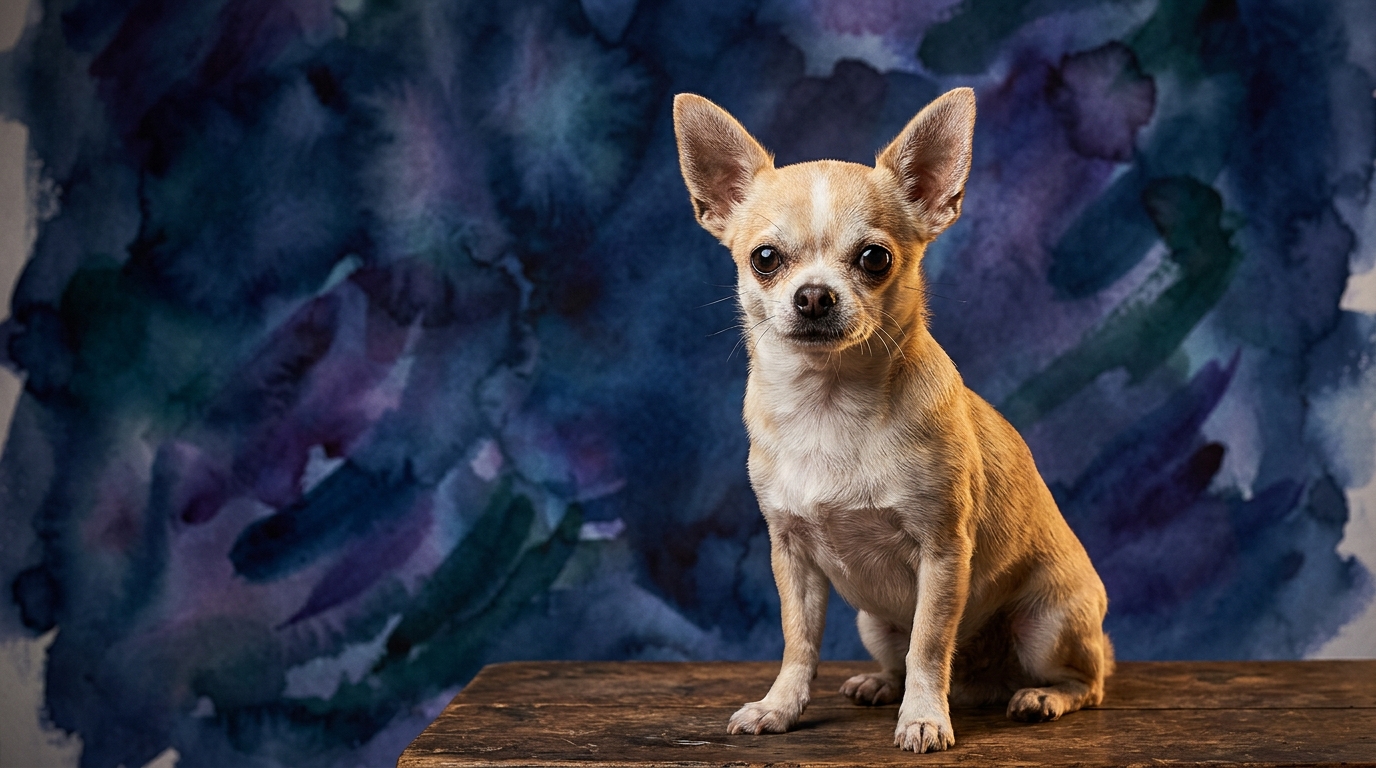
The Chihuahua, ranking #67 on the Coren scale, presents a fascinating cognitive profile. Their Problem Solving score of 3/5 indicates an aptitude for navigating moderate environmental challenges, such as figuring out how to retrieve a dropped toy from under furniture, but they may not consistently devise novel solutions to complex, unfamiliar puzzles. Training Speed also registers at 3/5, meaning they acquire new commands at an average pace, thriving with consistent, positive reinforcement that capitalizes on their desire for interaction. A standout feature is their Social Intelligence at 4/5; these small dogs are remarkably adept at reading human emotions and social cues, often forming deeply empathetic bonds with their caregivers. Their Instinctive Drive, at 3/5, manifests primarily as alertness and a protective instinct towards their immediate family, rather than strong prey or working drives. Finally, their Memory at 4/5 is notable, allowing them to recall intricate routines, specific individuals, and the location of favored items with impressive accuracy.
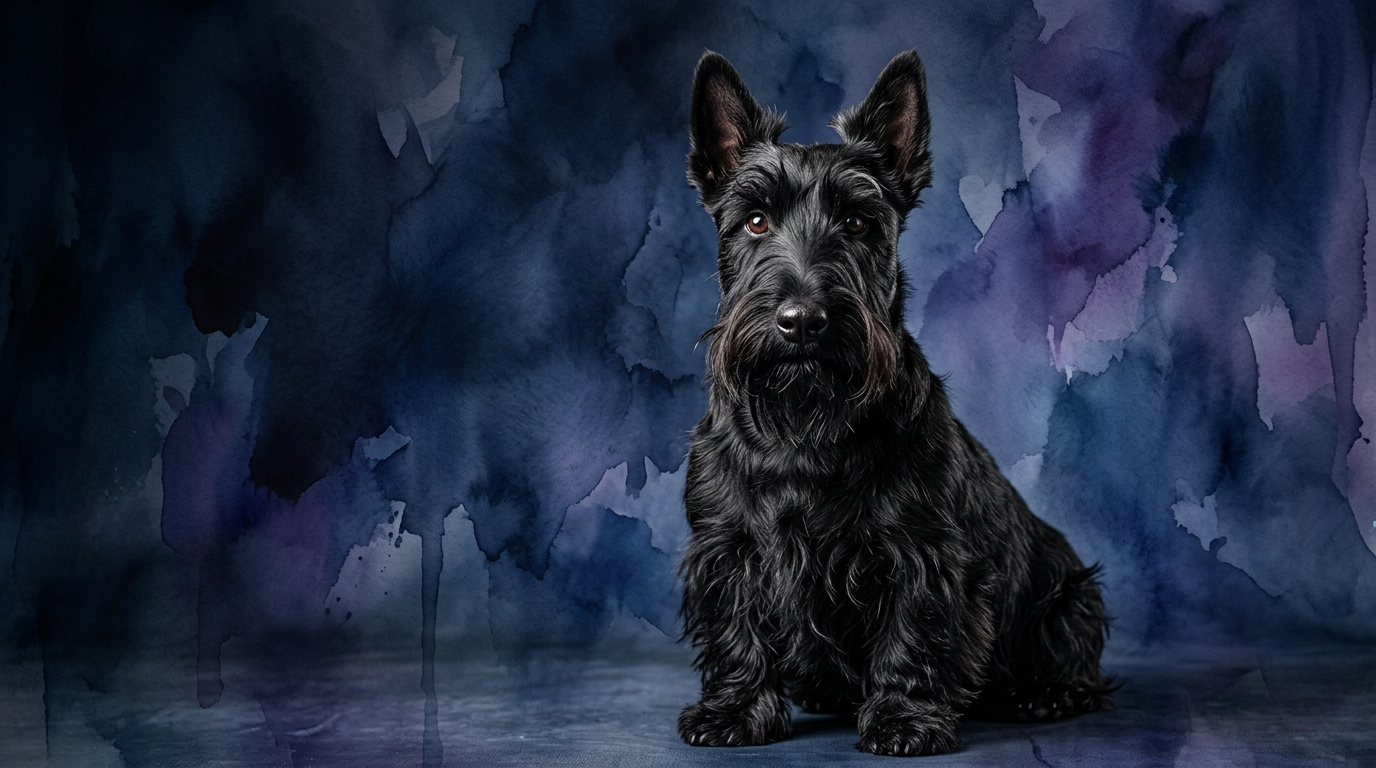
The Scottish Terrier, with a slightly higher Coren rank of #65, brings a different set of cognitive strengths to the table. Their Problem Solving is also rated 3/5, signifying a capacity for practical problem-solving within their environment, often employing persistence to achieve their goals, such as finding a way around an obstacle to reach a specific scent. Training Speed, mirroring the Chihuahua at 3/5, suggests they learn at an average pace, though their inherent independence can sometimes make the process require more engaging and varied methods. Their Social Intelligence scores 3/5; while capable of forming strong bonds and understanding human cues, they often display a more reserved and self-sufficient demeanor compared to the Chihuahua’s overt emotional expression. The Instinctive Drive, also 3/5, is deeply rooted in their terrier heritage, manifesting as a tenacity for digging, a keen interest in small prey, and a determined, independent spirit. Their Memory, at 3/5, is solid for recalling important routines and familiar individuals, though perhaps less focused on the nuanced emotional context that defines the Chihuahua's recall.
Where the Chihuahua Wins Cognitively
When comparing specific cognitive strengths, the Chihuahua clearly shines in areas of social attunement and detailed recall. Their superior Social Intelligence (4/5 versus the Scottie's 3/5) allows them to connect with humans on a profoundly empathetic level, anticipating moods and responding to subtle emotional shifts with remarkable accuracy. This makes them exceptionally responsive companions, often seeming to 'understand' their owner’s feelings without a word. Complementing this is their stronger Memory (4/5 versus 3/5). Chihuahuas demonstrate an impressive capacity to recall complex social interactions, remember specific preferences of their human companions, and retain detailed routines, which contributes significantly to their ability to integrate seamlessly into family life and form lasting, intimate bonds.
Where the Scottish Terrier Wins Cognitively
While the Scottish Terrier doesn't boast higher raw scores in our Pet IQ Lab metrics, their cognitive strengths lie in the *application* of their abilities, particularly their problem-solving and instinctive drive. Both breeds share a 3/5 Problem Solving score, but the Scottie's approach is often imbued with a distinct terrier tenacity. This means they are likely to exhibit greater persistence and a willingness to try multiple, sometimes independent, solutions to overcome an obstacle or achieve a goal, especially if it aligns with their inherent drives like investigating or securing territory. Their Instinctive Drive, though also 3/5, manifests as a robust determination and a strong independent streak. This translates into a dog that, while not necessarily faster at learning, possesses a sturdy mental fortitude and a self-reliant problem-solving style that can be incredibly effective in certain practical scenarios, showcasing a resilient and determined cognitive spirit.
Which Is Easier to Train and Why
Evaluating ease of training requires looking beyond just the 'Training Speed' score, which is identical for both breeds at 3/5. The Chihuahua's higher Social Intelligence (4/5) plays a crucial role here. Their innate desire to connect and their exceptional ability to read human cues often translate into a greater eagerness to please and comply during training sessions. They are more likely to be motivated by social praise and the joy of interaction, making them feel more 'trainable' in the hands of an owner who appreciates their responsive nature. In contrast, the Scottish Terrier’s similar Training Speed, combined with their more independent Social Intelligence (3/5) and tenacious Instinctive Drive (3/5), means they often require a more patient and engaging approach. A Scottie might understand a command but choose to evaluate its immediate relevance or benefit before complying, sometimes appearing stubborn. Effective training for a Scottish Terrier often involves making tasks feel like a game or a challenge, appealing to their independent and persistent spirit rather than relying solely on their desire to please.
Which Suits Active vs. Relaxed Owners
The suitability for active versus relaxed owners also diverges based on these cognitive profiles. The Chihuahua, with their high Social Intelligence and adaptable nature, can thrive with both active and relaxed owners. While they certainly enjoy mental stimulation through games and short walks, their primary need is for consistent human companionship and emotional connection. They are content to be a lapdog for hours, provided they receive ample affection and social interaction. This makes them an excellent choice for individuals or families seeking a deeply integrated companion who is not overly demanding of intense physical exertion, but who values nuanced social engagement. The Scottish Terrier, conversely, despite their small stature, possesses a more robust and independent cognitive makeup. Their instinctive drives and tenacious problem-solving mean they benefit significantly from owners who provide structured activities, mental challenges, and opportunities for exploration and 'work,' even if it's just scent games or puzzle toys. They are better suited for owners who appreciate a dog with a strong, determined personality and are prepared to engage them in consistent, purposeful activities beyond mere passive companionship, channeling their inherent curiosity and drive into constructive outlets.
The Verdict
Choose the Chihuahua if you seek a deeply emotionally connected companion who thrives on social interaction, excels at reading your moods, and integrates seamlessly into a routine-oriented household, offering profound companionship.
Opt for the Scottish Terrier if you appreciate a spirited, independent dog with a tenacious problem-solving style, and are prepared to engage a determined personality with consistent mental challenges and purposeful activities.
🧠 Find Your Pet's IQ Score
Our Pet IQ Lab assessment covers 25+ tests across 5 cognitive dimensions — personalized to your breed.
Take the Full IQ Test →Frequently Asked Questions
Are Chihuahuas good at learning tricks?
Yes, their strong memory and high social intelligence mean they can learn a wide array of tricks, especially when training is framed as an enjoyable, interactive experience with their owner.
Do Scottish Terriers get along with other pets?
While their social intelligence is average and they possess terrier instincts, Scottish Terriers can coexist peacefully with other pets, though early and consistent socialization is crucial, particularly with smaller animals.
Which breed is more prone to separation anxiety?
Due to their profound social intelligence and deep emotional bonds, Chihuahuas can be more susceptible to separation anxiety if not gradually accustomed to periods of solitude from a young age.