Side-by-Side IQ Profile
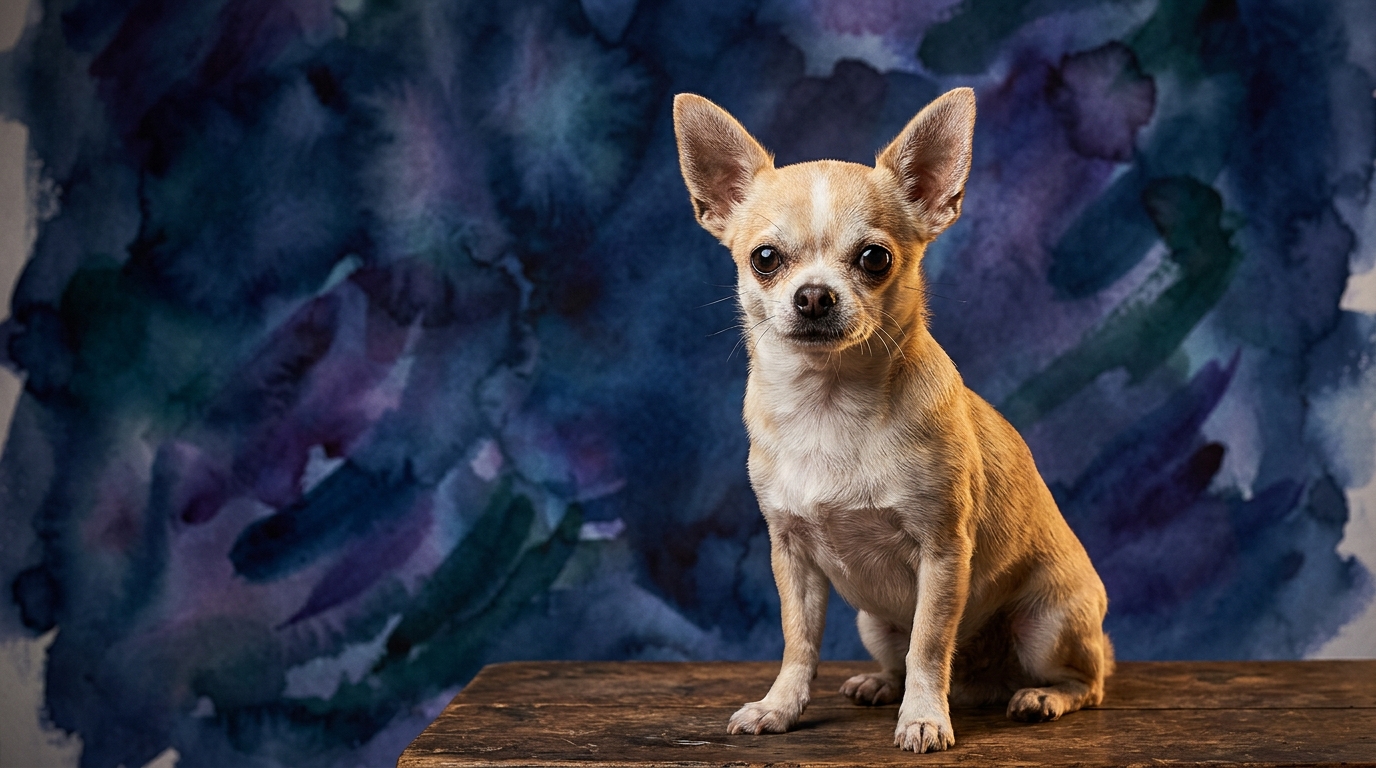
**Chihuahua (Toy Breed)**: Originating from Mexico, this small companion dog carries a surprising depth of cognitive attributes. Their **Problem Solving (3/5)** suggests a moderate capacity for navigating challenges, often relying on learned cues or human assistance rather than intricate independent strategizing. In terms of **Training Speed (3/5)**, Chihuahuas acquire new commands at an average pace, thriving with consistent, positive reinforcement that capitalizes on their desire for interaction. Their **Social Intelligence (4/5)** is a standout feature, demonstrating a remarkable aptitude for reading human emotions, intentions, and forming deep, empathetic bonds. **Instinctive Drive (3/5)** is moderately expressed, manifesting often as territoriality or a strong attachment to their human companions rather than complex working behaviors. Finally, their **Memory (4/5)** is robust, enabling them to retain a significant repertoire of commands, daily routines, and specific past experiences, contributing to their ability to anticipate events.
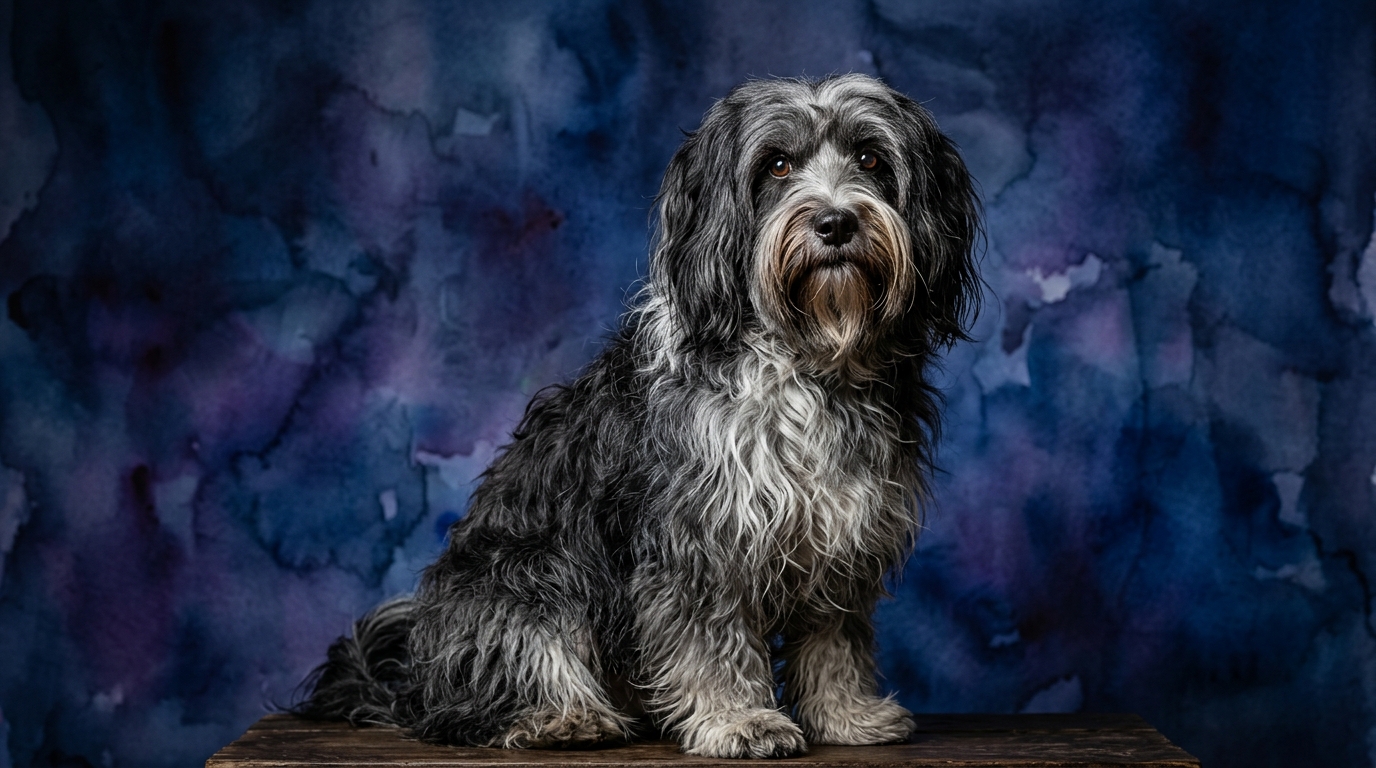
**Tibetan Terrier (Non-Sporting Breed)**: Hailing from the rugged plateaus of Tibet, this breed was historically a companion and watchdog, reflected in its cognitive makeup. Their **Problem Solving (3/5)** indicates a moderate ability to figure out solutions, often with a thoughtful, independent approach when faced with environmental puzzles or desired outcomes. Regarding **Training Speed (3/5)**, Tibetan Terriers learn at an average rate, but their independent streak means engaging methods and clear motivation are key to consistent progress. Their **Social Intelligence (3/5)** is moderate; while affectionate with their families, they can be more reserved or discerning with strangers, valuing their human companionship while maintaining a degree of self-sufficiency. **Instinctive Drive (3/5)** is moderately developed, often manifesting as vigilance, a desire to guard their territory, or an independent spirit suited to their historical roles. Their **Memory (3/5)** is solid, allowing them to recall routines, commands, and familiar people, though perhaps not with the intricate detail or enduring recall seen in breeds with higher scores.
Where Chihuahua Wins Cognitively
The Chihuahua distinctly shines in areas of social connection and mnemonic capabilities. With a Social Intelligence score of 4/5, compared to the Tibetan Terrier's 3/5, Chihuahuas demonstrate a remarkable aptitude for reading human emotions and intentions. This means they are often exceptionally responsive to their owners' moods, quickly picking up on subtle cues like tone of voice or body language, and adjusting their behavior accordingly. This high social attunement allows them to form incredibly strong, almost intuitive bonds, making them highly perceptive companions who seem to anticipate their human's needs. Furthermore, their Memory score of 4/5, surpassing the Tibetan Terrier's 3/5, indicates a superior capacity for retaining information. A Chihuahua is likely to remember a wider array of specific commands, intricate routines, and even the precise details of past interactions, which can make them adept at navigating complex household rules or remembering specific tricks learned long ago. This robust memory also contributes to their ability to quickly re-learn something if it's been a while, and to develop strong associations between actions and consequences.
Where Tibetan Terrier Wins Cognitively
While the Tibetan Terrier doesn't outscore the Chihuahua in any single cognitive dimension provided, their balanced profile across all categories at 3/5 suggests a unique and adaptable cognitive strength. Their moderate Problem Solving (3/5) combined with a similar Instinctive Drive (3/5) indicates a dog capable of independent thought and resourceful action, particularly when navigating their environment or dealing with novel situations on their own terms. Unlike a breed that might rely heavily on human direction, a Tibetan Terrier’s problem-solving often stems from a self-reliant approach, making them clever at finding ways around obstacles or achieving their goals without constant prompting. Their Social Intelligence at 3/5, while lower than the Chihuahua's, doesn't imply a lack of affection but rather a more discerning and independent social nature; they form deep bonds but are less likely to be overtly clingy or entirely driven by human social cues. This balanced cognitive makeup fosters a practical, resilient mind, allowing them to adapt to varied circumstances with a thoughtful, rather than purely reactive, demeanor.
Which is Easier to Train and Why
Both the Chihuahua and the Tibetan Terrier share a Training Speed score of 3/5, suggesting they learn new commands at an average pace. However, the nuances of their other cognitive traits significantly influence the *experience* of training them. The Chihuahua's superior Social Intelligence (4/5) often translates into a stronger desire to please their human companions and a greater sensitivity to feedback. This means that while they might take an average number of repetitions to grasp a new command, their eagerness to engage and their attentiveness to their owner's emotional state can make training feel smoother and more rewarding. They are often highly motivated by praise and the opportunity for close interaction. In contrast, the Tibetan Terrier's more moderate Social Intelligence (3/5) and independent nature mean they might be less inherently driven by human approval. Their training, while also progressing at an average speed, often requires more patience, creativity, and a focus on making the learning process engaging and worthwhile for *them*. A Tibetan Terrier might question "why" they should perform a task, requiring a handler to demonstrate clear value or make the training feel like a collaborative game rather than a strict command-and-obey session. Their moderate instinctive drive might also mean they are easily distracted if the training isn't stimulating enough, demanding consistent, positive reinforcement to build reliable habits.
Which Suits Active Owners vs Relaxed Owners
Considering their cognitive profiles, the Chihuahua generally suits more relaxed owners who appreciate a close, intertwined companionship. Their high Social Intelligence (4/5) means they thrive on constant interaction and emotional connection with their human family, often preferring to be physically close and involved in daily activities, even if those activities are largely sedentary. Their robust Memory (4/5) also means they excel at remembering household routines and anticipating their owner's schedule, making them a comforting and predictable presence in a calm home environment. While they do enjoy short bursts of play, their overall cognitive makeup is geared towards intimate social bonding rather than strenuous physical or mental tasks. The Tibetan Terrier, with its balanced cognitive scores, offers a more versatile companion for owners who might be described as moderately active, or who appreciate a dog with a greater degree of independence. Their moderate Instinctive Drive (3/5) and Problem Solving (3/5) mean they enjoy exploration and moderate engagement, and are content with a mix of mental stimulation and physical activity without being overly demanding. They are adaptable to various routines and can entertain themselves to a degree, making them suitable for owners who enjoy regular walks, perhaps some puzzle toys, or even dog sports like agility, but also appreciate quiet time. They are not as intensely focused on constant human interaction as the Chihuahua, allowing for a more balanced dynamic with owners who have varied interests.
The Verdict
Choose the Chihuahua if you desire a highly perceptive companion deeply attuned to your emotions and daily rhythms, thriving on close social interaction and excelling at remembering established routines. They are perfect for owners seeking a devoted, emotionally responsive presence in a relaxed home.
Opt for the Tibetan Terrier if you appreciate a thoughtful, independent dog capable of entertaining itself and adapting to a variety of moderate activities, offering companionship without constant demanding attention. They suit owners who value a balanced, resilient canine mind.
🧠 Find Your Pet's IQ Score
Our Pet IQ Lab assessment covers 25+ tests across 5 cognitive dimensions — personalized to your breed.
Take the Full IQ Test →Frequently Asked Questions
Are Chihuahuas truly more empathetic than Tibetan Terriers?
Based on their higher Social Intelligence score (4/5 vs 3/5), Chihuahuas tend to be more acutely attuned to human emotions and social cues. This often translates into a perceived higher level of empathy and responsiveness to their owner's feelings and needs.
Does a Tibetan Terrier's independent nature make them harder to bond with?
Not necessarily harder, but different. Their moderate Social Intelligence means they may form bonds more discerningly and value personal space more than a Chihuahua. These bonds are often strong and loyal, just less overtly demonstrative and more self-reliant.
Which breed is better for first-time dog owners, considering their intelligence?
Both breeds have average training speeds, but a Chihuahua's higher social intelligence might make them slightly more intuitive for a first-time owner to communicate with, provided consistency is maintained. A Tibetan Terrier's independence might require a bit more patience and creative engagement from a novice.