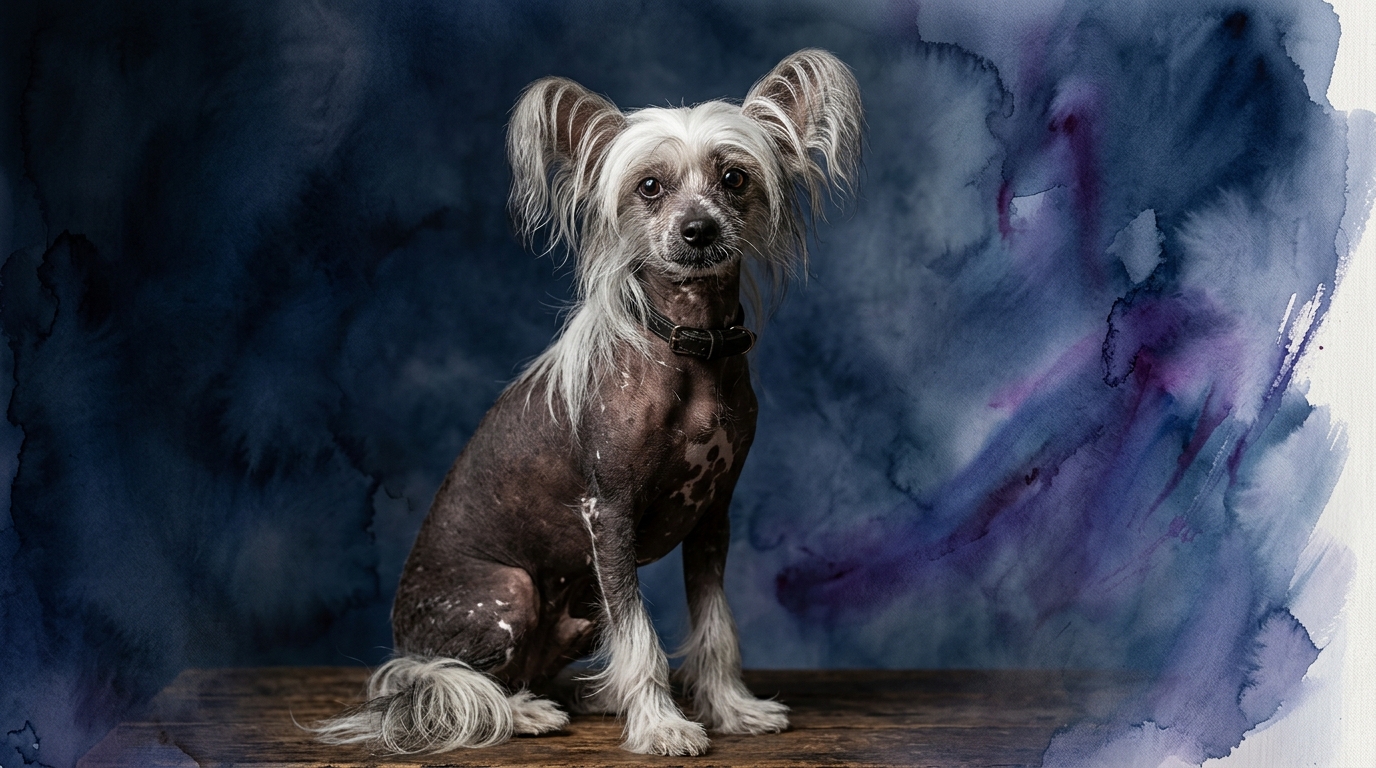
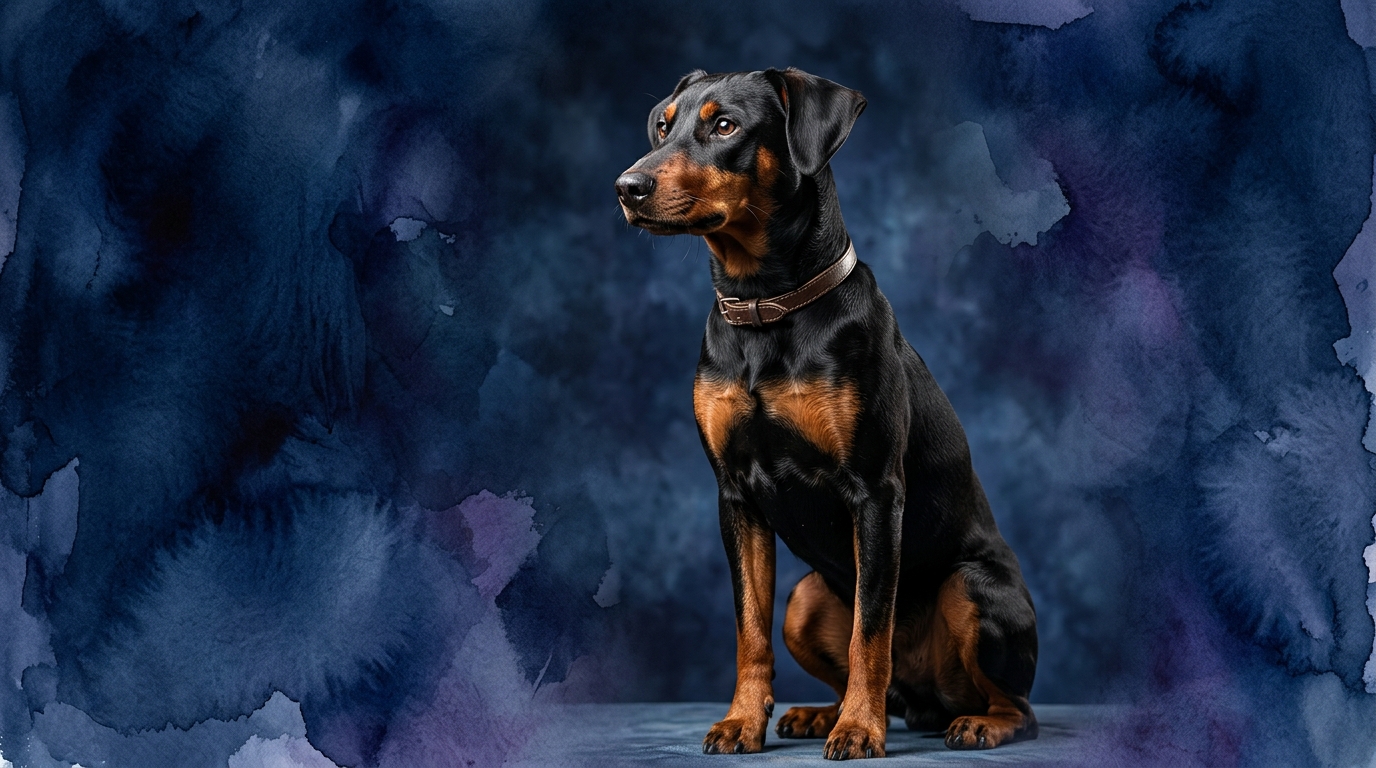
Side-by-Side IQ Profile: Chinese Crested vs. German Pinscher
At The Cosmic Pet Pet IQ Lab, we evaluate canine intelligence across five key dimensions. Interestingly, both the Chinese Crested, a charming Toy breed, and the German Pinscher, a vigilant Working breed, have been assessed with a consistent 3/5 rating in each category. This identical scoring, however, doesn't imply identical cognitive expression; rather, it highlights how their inherent breed characteristics influence the manifestation of these intellectual capacities.
For the **Chinese Crested (Toy Group)**, a 3/5 rating across the board indicates a moderate yet distinct set of cognitive strengths. Their **Problem Solving (3/5)** often manifests in navigating their home environment for comfort or attention, such as figuring out how to open specific cabinets for treats or subtly manipulating their owners into providing extra lap time. This cleverness is rooted in their desire for companionship and security, with solutions typically being socially driven rather than physically demanding. Their **Training Speed (3/5)** suggests they grasp new commands at a moderate pace, especially when training is positive, consistent, and focused on building a strong bond. They respond well to praise and gentle methods, though their sensitivity means they can become easily discouraged by harsh corrections. **Social Intelligence (3/5)** is a hallmark of their companion nature; they are highly attuned to human emotions and household dynamics, excelling at reading their family's moods and reacting accordingly. They often know when to offer comfort or when to seek quiet solitude, demonstrating a nuanced understanding of social cues within their immediate circle. Their **Instinctive Drive (3/5)**, while not a “working” drive in the traditional sense, expresses itself as a strong desire for human connection, warmth, and comfort. They possess a moderate drive for play and chasing small, soft toys, and can exhibit surprising agility. Lastly, their **Memory (3/5)** is good for routines, specific people, and past experiences, particularly those associated with comfort or discomfort, contributing to their consistent responses within their familiar environment.
The **German Pinscher (Working Group)**, also scoring 3/5 in all dimensions, brings a different flavor to these cognitive attributes, shaped by their history as a guardian and vermin controller. Their **Problem Solving (3/5)** is often applied to more active and investigative tasks. They might quickly devise ways to access interesting smells, overcome physical barriers in a secure yard, or figure out how to manipulate puzzle toys that require physical dexterity and persistence. Their solutions frequently involve a combination of physical action and strategic thought, driven by curiosity and an innate drive to explore. In terms of **Training Speed (3/5)**, these dogs learn new commands and behaviors at a steady, engaged pace, often thriving on varied and challenging training sessions. Their eagerness to work and inherent focus means they can pick up complex sequences efficiently, provided the training is stimulating and consistent. Their **Social Intelligence (3/5)** is displayed through a keen awareness of their surroundings and their role within the family “pack.” They are observant of strangers and new situations, assessing potential threats or opportunities, and within their family, they understand boundaries and hierarchies, communicating their needs and intentions with directness. Their **Instinctive Drive (3/5)** is robust, encompassing a notable prey drive, territoriality, and a desire for vigilance. They are motivated by chasing, investigating, and protecting their home and family, needing outlets for these inherent behaviors through structured activities. Finally, their **Memory (3/5)** is robust for training commands, past experiences, and the layout of their territory, contributing to their reliability in learned tasks and their role as alert household members.
Where the Chinese Crested Excels Cognitively
The Chinese Crested often exhibits a nuanced edge in *social subtlety* within a close-knit human family. While both breeds show a 3/5 in social intelligence, the Crested's expression is typically geared towards reading and responding to human emotional states with remarkable delicacy. They seem to intuitively understand when a quiet presence is needed or when a gentle nudge for affection is appropriate, making them exceptional emotional support companions. Their problem-solving, rated 3/5, frequently manifests in clever ways to secure comfort or attention, such as strategically placing themselves for optimal lap access or signaling their needs with refined body language. This specific application of their cognitive skills, focused intently on personal connection and comfort, gives them a distinct advantage in fostering deep, empathetic bonds with their primary caregivers. Their memory, also 3/5, is particularly strong for personal preferences and routines that enhance their comfort and security within their human relationships.
Where the German Pinscher Excels Cognitively
The German Pinscher, with its 3/5 ratings across the board, truly shines in *situational awareness and active problem-solving* related to their environment. Their problem-solving often involves more physical and strategic engagement, such as figuring out how to bypass an obstacle to investigate a new scent or mastering complex agility courses. This is a practical intelligence, focused on interacting with and manipulating their surroundings. Their instinctive drive, rated 3/5, is a powerful cognitive engine, fueling their desire to explore, protect, and engage in purposeful activity. This drive translates into a keen vigilance and an ability to quickly assess and react to changes in their environment, making them highly observant. While their social intelligence is also 3/5, it's often expressed through a clear understanding of boundaries and a confident assessment of new individuals or situations, rather than the Crested's more delicate emotional attunement. Their memory, at 3/5, is particularly strong for spatial layouts, command sequences, and the details of their 'territory'.
Training Dynamics: Which Breed is More Amenable?
Despite both breeds scoring 3/5 in training speed, the *approach* to training and the *type* of motivation required differs significantly. The Chinese Crested often responds best to gentle, positive reinforcement methods, thriving on praise and the opportunity for physical closeness. Their motivation stems from a desire for companionship and comfort, making them eager to please their beloved owners. However, their sensitive nature means they can be easily discouraged by harsh tones or perceived unfairness, potentially leading to shutdown or avoidance. Training them requires patience, consistency, and a strong, trusting bond to harness their willingness to learn. They may have moments of 'selective hearing' if not fully engaged, but generally, they are receptive to learning when the process is enjoyable and low-pressure.
The German Pinscher, on the other hand, while also benefiting from positive reinforcement, requires a more structured, engaging, and often physically active training regimen. Their 3/5 training speed is coupled with a robust instinctive drive and a working mentality. They thrive on challenges and clear leadership, quickly grasping commands when they perceive a purpose or a reward that satisfies their intrinsic drives, such as a game of fetch or a scent-work challenge. Their independent streak and strong will mean that inconsistent training or a lack of mental stimulation can lead to boredom or a tendency to 'test' boundaries. They are not necessarily harder to train, but they demand a more confident, consistent, and creative trainer who can channel their energy and intelligence effectively, preventing them from finding their own, potentially undesirable, 'work'.
Matching Breeds to Owner Lifestyles
The choice between a Chinese Crested and a German Pinscher largely depends on the owner's lifestyle and energy levels. The Chinese Crested, while capable of bursts of playful energy, generally aligns well with more relaxed owners. Their moderate instinctive drive (3/5) and preference for comfort make them content with shorter, gentle walks, indoor play, and ample lap time. They are excellent companions for individuals or families who appreciate a dog that is deeply connected and thrives on close physical proximity and a predictable, calm home environment. Their delicate nature also means they are less suited to rough-and-tumble activities.
Conversely, the German Pinscher is unequivocally suited for active owners. Their significant instinctive drive (3/5) and robust problem-solving skills (3/5) demand regular, vigorous exercise and and consistent mental engagement. These dogs thrive on activities like agility, obedience, hiking, or even canine sports that challenge both their bodies and minds. An owner who can provide daily opportunities for structured activity and exploration will find the German Pinscher to be an incredibly rewarding and energetic partner. A relaxed, sedentary lifestyle would likely lead to frustration and potentially destructive behaviors for a German Pinscher, as their innate drives would not be adequately fulfilled.
The Verdict
Choose the Chinese Crested if you seek a highly empathetic, sensitive companion who thrives on close human connection and a calm, predictable home life. They excel at intuitive social interaction and offer delicate emotional support, fitting perfectly into a more relaxed lifestyle.
Opt for the German Pinscher if you are an active, confident owner prepared to provide consistent structure, vigorous exercise, and engaging mental challenges. They are a robust, vigilant partner who will thrive with purposeful activity and clear leadership.
🧠 Find Your Pet's IQ Score
Our Pet IQ Lab assessment covers 25+ tests across 5 cognitive dimensions — personalized to your breed.
Take the Full IQ Test →Frequently Asked Questions
Do Chinese Cresteds and German Pinschers learn at the same pace?
While both breeds score 3/5 in training speed, their learning styles and motivations differ. Chinese Cresteds often learn best with gentle, positive reinforcement focused on bonding, while German Pinschers thrive on structured, challenging tasks that engage their working drives and require confident leadership.
Which breed is better for a first-time dog owner?
The Chinese Crested might be a more forgiving choice for a first-time owner seeking a sensitive companion, provided they understand the breed's delicate nature and need for consistent, positive reinforcement. The German Pinscher's strong drives and need for experienced handling generally make them better suited for owners with prior dog experience.
How do their problem-solving skills differ with the same 3/5 rating?
The Chinese Crested's problem-solving (3/5) often manifests in clever ways to secure comfort or attention within the home. The German Pinscher's problem-solving (3/5) tends to be more active and physical, focused on navigating environments, overcoming obstacles, or solving puzzle toys that require manipulation and persistence.