
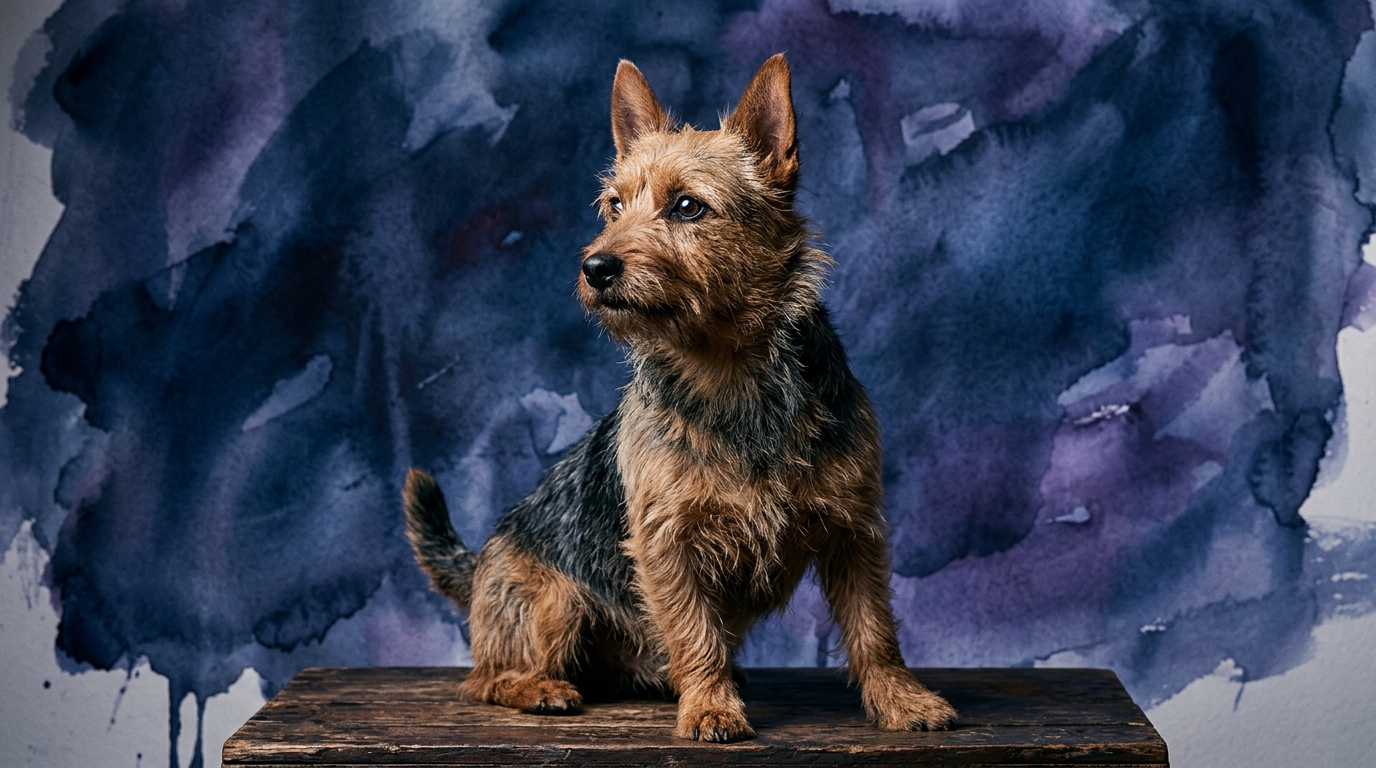
Side-by-Side IQ Profile: Chinook vs. Australian Terrier
Despite both breeds scoring a consistent 3 out of 5 across all five dimensions of our Pet IQ Lab, their breed types—Working versus Terrier—significantly shape how these cognitive traits manifest. Understanding these nuances is crucial for appreciating their individual approaches to learning, interaction, and their environment.
The Chinook, a Working dog, displays a practical, task-oriented approach to Problem Solving (3/5), a legacy of their sledding and companion roles. Their cognitive strengths lie in navigating familiar routines, understanding spatial relationships within their environment for a specific purpose, and efficiently executing multi-step tasks when given clear direction. They excel at applying learned solutions to recurring challenges, rather than inventing novel approaches on the fly, demonstrating a reliable, methodical intelligence.
In Training Speed (3/5), Chinooks respond well to consistent, positive reinforcement, showing a moderate speed in acquiring new commands and behaviors. Their desire to work alongside their human companions fuels their learning, making them generally biddable. While not instantly grasping complex sequences, they are attentive and willing learners, especially when the training feels purposeful and reinforces their bond with their handler, often progressing steadily with patient instruction.
Their Social Intelligence (3/5) is perceptive, particularly within their established family unit. They are adept at reading their human companions' moods and intentions, often responding with empathy and appropriate engagement. While typically reserved with strangers, their social acumen allows them to navigate group dynamics with a calm, observant demeanor, prioritizing the harmony of their immediate 'pack' and understanding social cues within that context.
The Chinook's Instinctive Drive (3/5) is primarily geared towards partnership and purpose, reflecting their heritage as working sled dogs. This manifests as a strong desire for companionship and a propensity for collaborative activities. Their drive is less about independent predation and more about contributing to a team, showing a moderate yet persistent inclination towards activities that provide a sense of utility or shared adventure.
Finally, Chinooks possess a robust Memory (3/5) for learned commands, established routines, and the geography of their familiar territories. They retain training effectively over time and can recall specific people, places, and experiences with reliability. This memory aids in their consistency and predictability, allowing them to perform learned tasks dependably and adapt to their environment based on past experiences.
The Australian Terrier, from the Terrier Group, showcases a resourceful and often independent brand of Problem Solving (3/5), characteristic of their heritage. They are adept at figuring out how to achieve their objectives, whether it's outsmarting a perceived barrier to a desired location or cleverly maneuvering to retrieve a hidden toy. Their intelligence in this domain is marked by tenacity and ingenuity, often finding unique, albeit sometimes mischievous, solutions to challenges.
In Training Speed (3/5), Australian Terriers learn at a moderate pace, often quickly grasping new concepts, but their independent spirit can sometimes translate into a need for stronger motivation and engaging training methods. While they are capable of learning a wide array of commands, their natural inclination to follow their own agenda means consistency and making training fun are paramount. They excel when tasks pique their curiosity and allow for some degree of self-directed engagement.
Australian Terriers form deep, loyal bonds with their families, demonstrating a keen awareness of their human companions' presence and emotional states, reflecting their Social Intelligence (3/5). They communicate their needs and desires effectively, often with vocalizations or assertive body language. While they can be discerning with strangers, their social intelligence within their inner circle is strong, exhibiting a protective yet affectionate nature and a clear understanding of their place within the family dynamic.
The Australian Terrier’s Instinctive Drive (3/5) is notably influenced by their history as vermin hunters. This translates into a moderate yet persistent prey drive, a keen interest in exploring, and a strong propensity for digging. Their drive is often self-directed and persistent, pushing them to investigate interesting scents and sounds, and to pursue small, moving objects with considerable focus and determination.
Australian Terriers exhibit a good Memory (3/5) for established routines, boundaries, and the locations of interesting sensory inputs, such as scent trails or favored digging spots. They retain training well, particularly if it was learned in an engaging manner, and can recall past experiences and associations with remarkable clarity, which often contributes to their consistent behaviors and preferences.
Where the Chinook Cognitively Excels
The Chinook's cognitive strength particularly shines in sustained, collaborative tasks that require attention to handler cues over extended periods. Their working heritage means they are often more inclined to follow complex, multi-step directions, maintaining focus on a shared goal rather than diverting to independent pursuits. This makes them exceptional partners in activities demanding consistent teamwork and a clear understanding of sequential commands, such as advanced obedience or agility courses where precision and partnership are key.
Furthermore, Chinooks tend to excel in anticipating human needs within a partnership context, often showing an intuitive understanding of their handler's next move or emotional state in a way that facilitates smoother cooperation. Their cognitive framework is built around a symbiotic relationship, making them highly attuned to subtle human signals and more inclined to adapt their actions to align with their handler's intentions, fostering a deeper sense of mutual understanding during joint activities.
Where the Australian Terrier Cognitively Excels
The Australian Terrier's cognitive prowess truly distinguishes itself in independent problem-solving, especially in novel or challenging situations where a quick, self-directed solution is required. Their terrier ingenuity means they are often more adept at figuring out how to bypass obstacles, open latches, or retrieve items from tricky spots without direct human instruction. This reflects a tenacious and inventive mind, unafraid to experiment with different approaches until a desired outcome is achieved.
Their cognitive edge also lies in their remarkable resourcefulness and persistence in pursuing a goal, even in the face of setbacks. Whether it's tracking a scent, digging for an imagined treasure, or securing a favorite toy, the Australian Terrier demonstrates an unwavering determination to overcome challenges using their own wit and physical abilities. This tenacity, combined with their adaptability, allows them to thrive in varied environments where self-reliance is an asset, making them clever navigators of their personal objectives.
Training Dynamics: Chinook vs. Australian Terrier
When considering ease of training, the Chinook generally presents a smoother experience for the average owner due to their inherent biddability and strong desire to please their human companions. Their working dog background means they are often eager to engage in purposeful activities and respond well to structured, positive reinforcement, viewing training as a collaborative effort. While they require consistency, their focus on partnership and their methodical learning style can make formal obedience and task-oriented training relatively straightforward, as they thrive on having a job and receiving clear guidance.
The Australian Terrier, while certainly capable of learning quickly, often requires a more nuanced and engaging approach to training. Their independent spirit, combined with a strong prey drive and a tendency towards self-direction, means they can be more challenging in distraction-rich environments. Training an Australian Terrier necessitates creativity, consistency, and making the process highly rewarding and fun to capture their attention and motivate them to comply. Owners must be prepared to be patient and innovative, transforming training into a captivating game to channel their terrier tenacity effectively, as their problem-solving skills might otherwise be directed towards less desirable independent pursuits.
Lifestyle Match: Active vs. Relaxed Owners
The Chinook is ideally suited for active owners who appreciate a canine companion for outdoor adventures and structured activities. Their background demands regular, purposeful exercise and mental stimulation tied to tasks, making them excellent partners for hiking, sledding (even recreational), or consistent training regimens like obedience or rally. Owners who enjoy integrating their dog into a shared, active lifestyle and can provide consistent engagement will find the Chinook to be a devoted and fulfilling partner, thriving on a sense of purpose and companionship.
The Australian Terrier, while not necessarily requiring the same sustained, intense physical output as a sled dog, still needs daily exercise and significant mental engagement to prevent boredom and channel their innate terrier instincts. They suit owners who are active in a varied sense, enjoying walks, interactive play, and providing outlets for their digging and hunting drives through structured games or earthdog trials. While they can enjoy periods of relaxation, they are always alert and ready for action, making them a vibrant companion for owners who appreciate a lively, often vocal, and spirited presence, and can provide consistent mental stimulation to keep their clever minds occupied.
The Verdict
Choose a Chinook if you seek a devoted, collaborative partner for consistent outdoor activities and structured training, valuing a dog that thrives on shared purpose and clear guidance.
Opt for an Australian Terrier if you desire a spirited, independent companion who excels in clever problem-solving and offers endless entertainment, provided you can channel their tenacious instincts with engaging activities.
🧠 Find Your Pet's IQ Score
Our Pet IQ Lab assessment covers 25+ tests across 5 cognitive dimensions — personalized to your breed.
Take the Full IQ Test →Frequently Asked Questions
Are Chinooks generally good with children and other pets?
Chinooks, with their strong social intelligence within their family unit, are often very good with children, displaying patience and a gentle demeanor. Early socialization is key for harmonious interactions with other pets, as their partnership drive can extend to coexisting peacefully, especially when raised together.
How much grooming does an Australian Terrier typically require?
Australian Terriers have a double coat that requires moderate grooming. Regular brushing, typically once or twice a week, is necessary to prevent mats and remove loose hair, alongside occasional hand-stripping or professional grooming to maintain their coat's texture and health.
What kind of mental stimulation is most effective for these breeds?
For Chinooks, mental stimulation is best provided through task-oriented training, puzzle toys that mimic problem-solving, and engaging in collaborative sports. Australian Terriers benefit from activities that tap into their independent problem-solving, such as scent work, interactive toys that challenge their ingenuity, and earthdog sports that satisfy their natural drives.