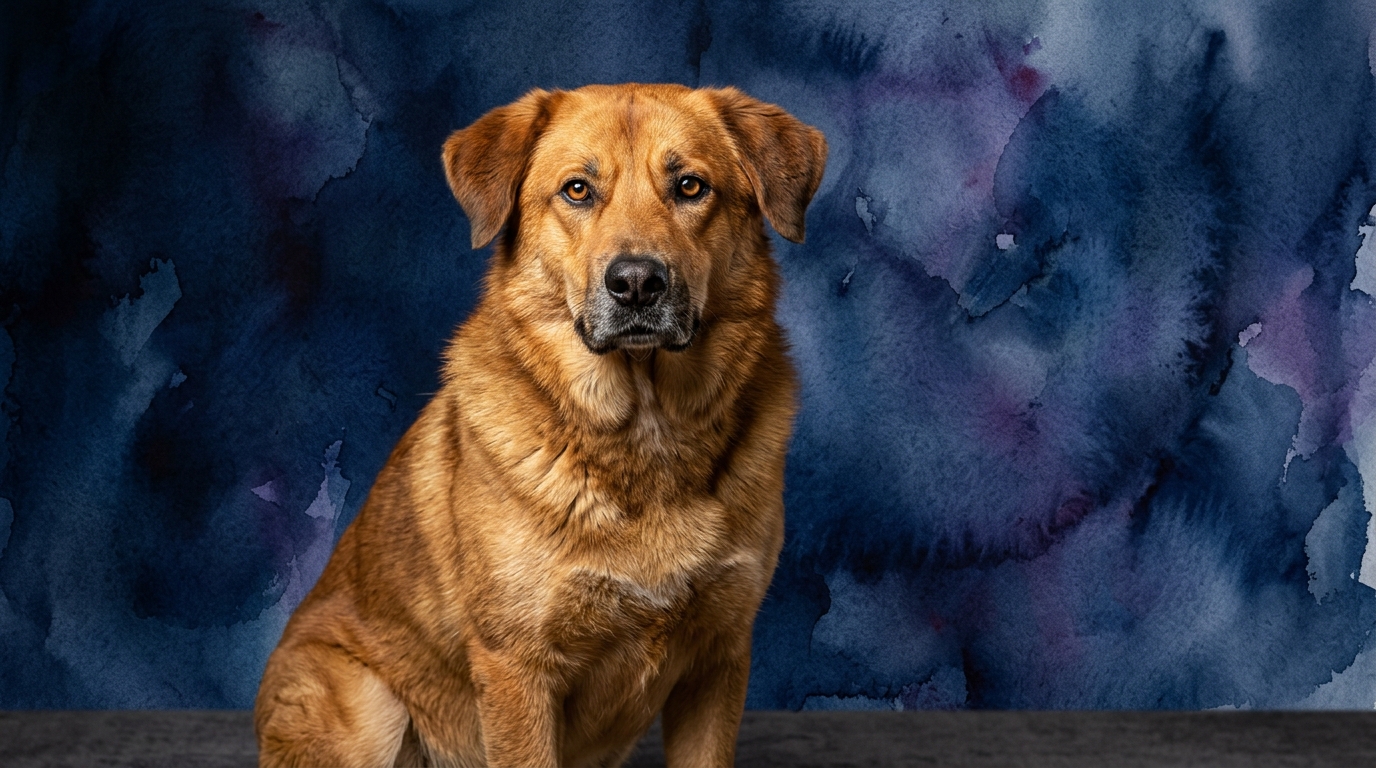
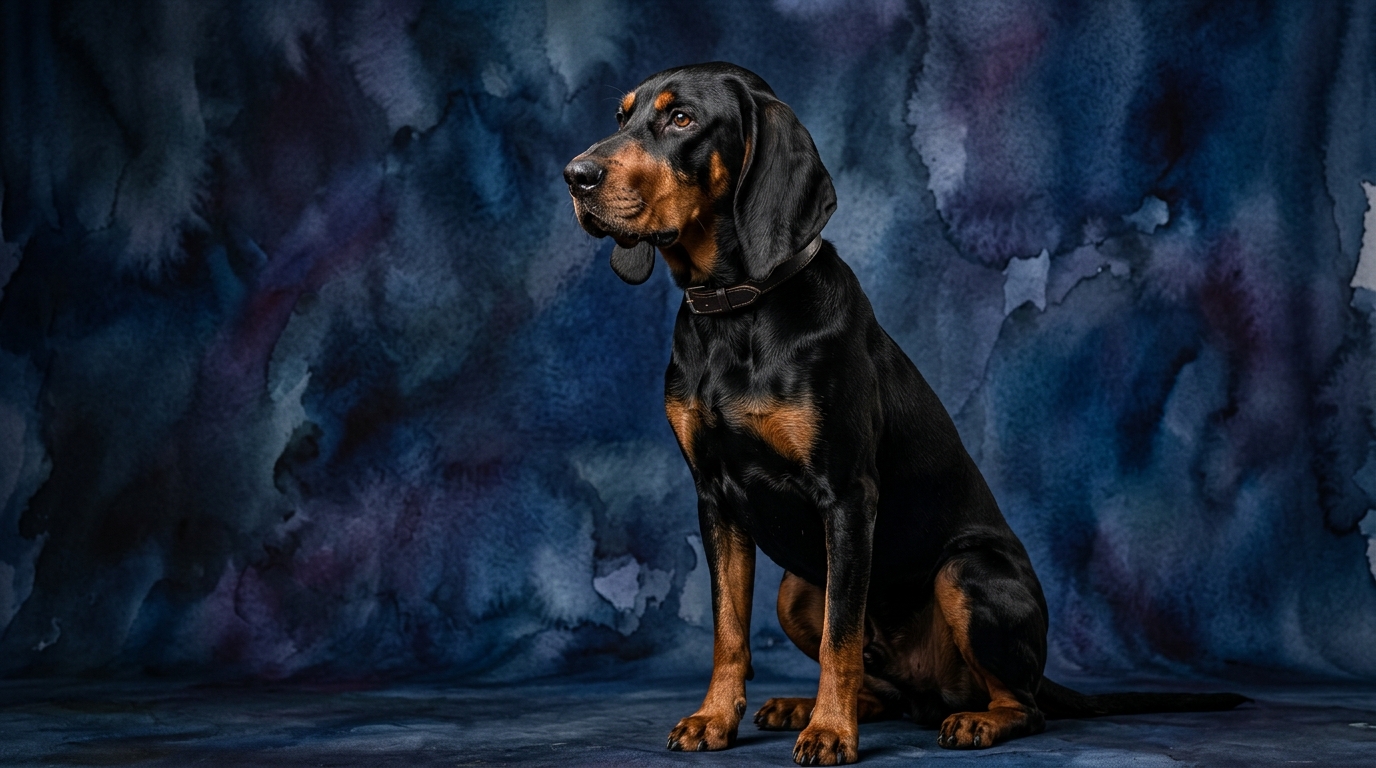
Side-by-Side IQ Profile: Chinook vs. Black and Tan Coonhound
At first glance, the cognitive profiles of the Chinook and the Black and Tan Coonhound appear identical, each scoring 3/5 across all five dimensions measured by The Cosmic Pet Pet IQ Lab: Problem Solving, Training Speed, Social Intelligence, Instinctive Drive, and Memory. However, these identical numerical ratings mask fascinating differences in how each breed's intellect manifests, deeply rooted in their historical roles and breed group characteristics. Understanding these distinctions requires a closer look at what a '3/5' means in the context of a working dog versus a scent hound.
For Problem Solving (3/5), the Chinook, as a working dog, typically exhibits a practical intelligence geared towards cooperative tasks. They are capable of learning multi-step routines and adapting to new situations within a structured, human-guided environment, often figuring out how to navigate obstacles to retrieve an object or perform a sequence of actions. Their problem-solving is often about understanding human expectations and finding ways to meet them. The Black and Tan Coonhound's 3/5 in Problem Solving, conversely, leans heavily into independent environmental navigation and scent interpretation. They are adept at deciphering complex scent trails, figuring out how to cross varied terrain to maintain a track, and locating hidden quarry. This is a highly focused, persistent, and autonomous form of problem-solving, less about abstract puzzles and more about real-world pursuit.
In Training Speed (3/5), the Chinook is generally responsive to consistent, positive reinforcement methods, learning new commands and routines at an average pace. Their desire to engage with their human companions aids in this process, making them receptive to clear instructions and predictable training structures. They appreciate the collaborative aspect of learning and are often eager to please. The Black and Tan Coonhound also learns at an average speed for basic obedience, but their training can be significantly influenced by their powerful olfactory drive. While they grasp commands, their focus can be easily diverted by compelling scents, requiring trainers to be exceptionally patient and engaging to maintain their attention. Consistency is paramount to help them override strong instinctual urges in favor of learned behaviors.
Social Intelligence (3/5) in a Chinook means they exhibit a moderate ability to read human emotions and intentions, often forming strong bonds with their family. They integrate well into family dynamics, responding to social cues and seeking companionship, and their social understanding helps them navigate complex household interactions. The Black and Tan Coonhound possesses a genial disposition and generally gets along well with people and other dogs, reflecting a solid social aptitude. However, their independent nature, particularly when on a scent, means their social focus might shift from human interaction to their primary drive. They are affectionate but might not always prioritize human direction over an interesting smell.
Regarding Instinctive Drive (3/5), the Chinook's score manifests in a moderate desire for activity, often involving pulling (like their sled dog ancestors), exploring, and participating in family adventures. They have a natural inclination to be part of a 'pack' and contribute, enjoying structured activities that engage their physical and mental capacities. For the Black and Tan Coonhound, this score overwhelmingly points to their potent scent-tracking instinct. Their entire being is geared towards following a trail, demonstrating immense persistence and single-mindedness once engaged. This drive is so strong it often overshadows other considerations, making them tireless workers when pursuing a scent.
Finally, for Memory (3/5), the Chinook retains commands, routines, and experiences effectively, contributing to their trainability and ability to anticipate daily events. They remember people, places, and learned tasks, which helps them thrive in a consistent home environment and build reliable habits. While the Black and Tan Coonhound remembers general commands and routines, their memory strength truly shines in their capacity for scent recall. They can remember and differentiate countless scents over long periods, an essential trait for a tracking dog. This specialized memory allows them to pick up old trails or recognize specific animal odors with remarkable accuracy.
Where the Chinook Wins Cognitively
The Chinook demonstrates a nuanced cognitive edge in areas requiring direct collaboration and adaptable problem-solving within a human-centric framework. Their 3/5 problem-solving, combined with their moderate social intelligence, means they often excel at tasks that require interpreting human directives and adjusting their approach based on feedback. For instance, a Chinook might more readily learn a complex agility course, not just by memorizing the sequence but by interpreting handler cues and making subtle adjustments on the fly to please their partner. This cooperative cognitive style allows them to process and respond to a broader spectrum of human communication, fostering a more fluid partnership in tasks ranging from structured sports to therapeutic support. Their memory, rated 3/5, is particularly effective for retaining a diverse range of learned behaviors and routines, making them reliable in predictable daily interactions and varied working scenarios where human guidance is central, allowing them to anticipate and respond appropriately to a variety of familiar situations.
Where the Black and Tan Coonhound Wins Cognitively
Conversely, the Black and Tan Coonhound’s cognitive strengths are profoundly rooted in their specialized instinctive drive and unique application of memory. Their 3/5 problem-solving shines brightest when it involves independent navigation and interpretation of complex environmental data, particularly scent trails. A Coonhound can process an astonishing array of olfactory information, reconstructing a path and identifying a target with a singular, unwavering focus that few breeds can match. This isn't about solving human-designed puzzles, but about autonomously deciphering the 'story' of a scent across varied and challenging terrains. Their 3/5 memory score, while seemingly average in a general context, is exceptional in its long-term retention and discrimination of specific odors, allowing them to follow a cold trail or identify a particular animal’s scent after a long absence. This cognitive specialization makes them tireless, self-directed workers in their chosen field, demonstrating an unparalleled persistence that allows them to overcome physical obstacles and distractions to achieve their scent-driven goal.
Training Dynamics: Chinook's Cooperation vs. Coonhound's Independence
When considering ease of training, the Chinook generally presents a more straightforward experience for the average owner, largely due to their inherent cooperative nature. Their 3/5 social intelligence and desire to work alongside humans mean they are often eager to engage in training sessions, viewing them as a collaborative activity rather than a series of demands. While their training speed is 3/5, indicating an average learning curve, their responsiveness to human direction and willingness to please can make the process feel smoother and more rewarding. They are less likely to be sidetwitched by external stimuli, maintaining focus on their handler during instruction, which facilitates consistent progress in obedience and skill acquisition.
The Black and Tan Coonhound, despite also having a 3/5 training speed, can be more challenging due to their powerful 3/5 instinctive drive for scent. While they understand commands, their brain is constantly processing olfactory information, and a compelling scent can instantly override learned behaviors, causing them to 'tune out' their handler. Training a Coonhound requires immense patience, creativity to make training more compelling than the environment, and a profound understanding of their independent, scent-driven motivation. Their tendency to follow their nose means off-leash reliability is a significant, long-term training commitment that requires consistent reinforcement against a powerful natural urge. Owners must often find ways to integrate their natural scent drive into training, rather than trying to suppress it entirely, to achieve meaningful engagement.
Lifestyle Match: Active Engagement vs. Instinctive Outlets
Both breeds require significant engagement, but their needs diverge in nature, making them suitable for different types of active owners. The Chinook, with its working dog background and moderate instinctive drive, thrives with owners who can provide consistent mental stimulation and regular physical activity. They enjoy participating in varied family adventures, from hiking to dog sports, and appreciate having a role within the household. An active owner for a Chinook is someone who enjoys consistent interaction, cooperative training, and can integrate their dog into a structured, engaging lifestyle, channeling their moderate drive into constructive outlets. A relaxed owner, in the sense of minimal engagement, would likely find a Chinook becoming bored or exhibiting unwanted behaviors, as their 3/5 problem-solving and memory need regular challenges and tasks to prevent mental stagnation.
The Black and Tan Coonhound, conversely, demands an owner who is prepared to manage and satisfy a profound, singular drive. Their 3/5 instinctive drive for scent tracking means they need consistent, purposeful outlets for their nose work, whether through formal scent training, tracking games, or long, exploratory walks where they can follow interesting smells. While they can be calm indoors, their outdoor energy and mental focus are intense. An active owner for a Coonhound is someone who understands and respects this powerful drive, providing ample opportunities for independent scent work and managing their strong prey drive with secure environments and consistent recall training. A relaxed owner who cannot commit to fulfilling this deep instinct will find a Coonhound prone to wandering, excessive baying, or becoming frustrated and difficult to manage, as their powerful internal compass will often lead them far from home in pursuit of a scent.
The Verdict
Choose a Chinook if you seek a cooperative, versatile companion eager to engage in diverse activities and thrive within a structured family environment, appreciating a dog that works alongside you.
Opt for a Black and Tan Coonhound if you are a dedicated owner prepared to channel a powerful, independent scent drive, valuing a dog with unparalleled persistence and specialized tracking abilities.
🧠 Find Your Pet's IQ Score
Our Pet IQ Lab assessment covers 25+ tests across 5 cognitive dimensions — personalized to your breed.
Take the Full IQ Test →Frequently Asked Questions
Are Chinooks good family dogs?
Yes, Chinooks generally make excellent family dogs due to their 3/5 social intelligence and cooperative nature. They form strong bonds with their human companions and integrate well into family life, enjoying participation in various household activities.
Do Black and Tan Coonhounds bark a lot?
Black and Tan Coonhounds are known for their distinctive baying, which is a vocalization specific to hounds, often used when on a scent trail. While they can be quiet indoors, their instinctual drive means they may bay frequently when stimulated by scents or during outdoor activities, requiring management by owners.
What's the key difference in their problem-solving abilities?
Though both score 3/5, the Chinook's problem-solving leans towards cooperative tasks and understanding human cues, while the Black and Tan Coonhound's excels in independent, scent-driven navigation and trail interpretation. One is about collaboration, the other about autonomous sensory processing.