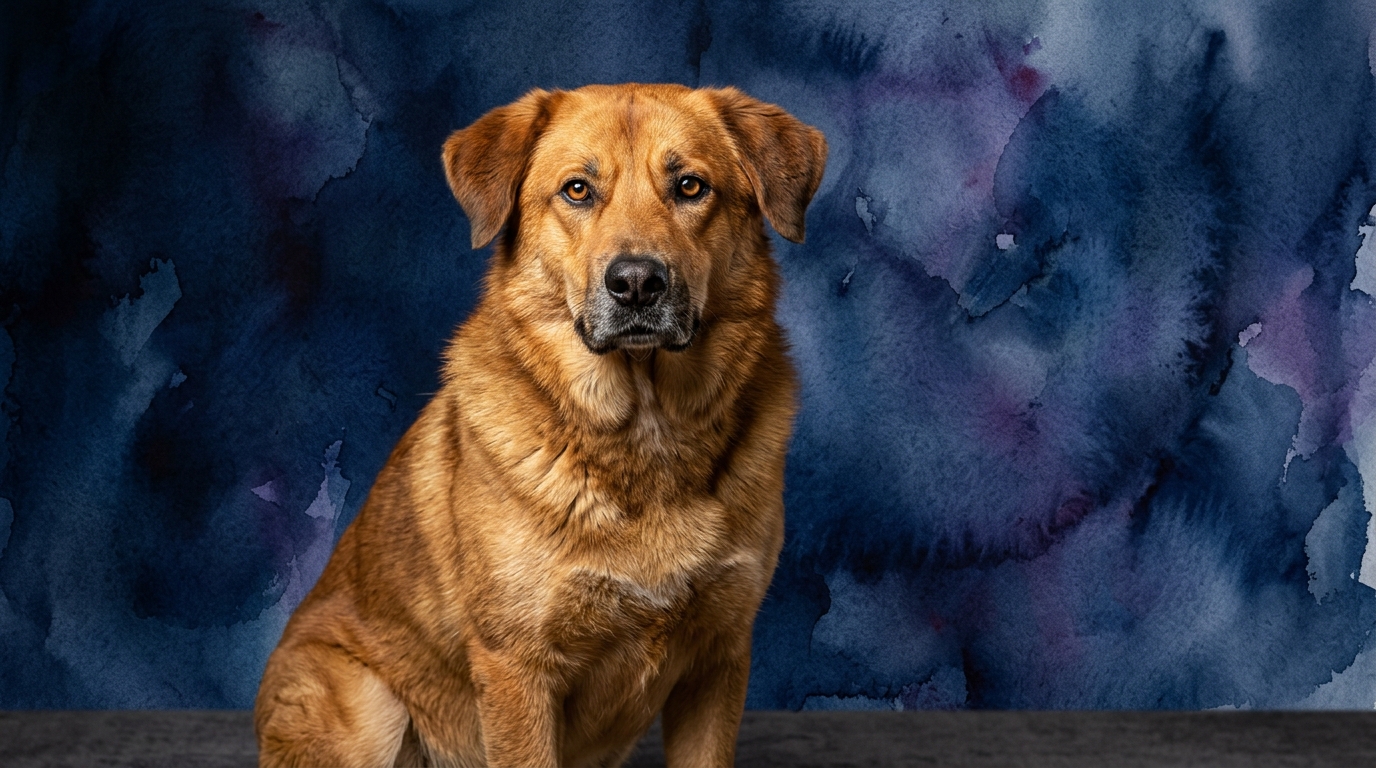

Side-by-Side IQ Profile: Chinook vs. Chesapeake Bay Retriever
The Chinook, a breed developed for sledding and companionship, exhibits a well-rounded yet moderate cognitive profile. Their Problem Solving is rated 3/5, indicating a capacity to navigate complex situations with thoughtful consideration, though perhaps not with immediate, innovative leaps. Training Speed also stands at 3/5, suggesting they absorb new commands and routines at a steady pace, benefiting greatly from consistent, positive reinforcement. In Social Intelligence, they score 3/5, reflecting an ability to understand and adapt to human cues and social structures, making them generally agreeable companions. Their Instinctive Drive is likewise 3/5, a balanced level suitable for their historical roles without overwhelming intensity. Finally, their Memory is 3/5, meaning they retain learned information and experiences adequately, though not with exceptional recall.
In contrast, the Chesapeake Bay Retriever, bred for rigorous waterfowl retrieval, showcases a cognitive profile geared towards efficiency and task mastery. Their Problem Solving is a strong 4/5, indicating a dog adept at figuring out practical solutions to environmental challenges, especially those related to their retrieving duties. Training Speed is also 4/5, signifying a quick grasp of new instructions and a keen eagerness to learn, making them highly responsive. Social Intelligence is 3/5, demonstrating a solid understanding of human-canine communication and pack dynamics. Their Instinctive Drive is 3/5, yet this manifests as a focused, persistent drive primarily directed towards retrieving in demanding conditions. Memory is a notable 4/5, highlighting their robust capacity to recall complex sequences of commands and specific locations with impressive accuracy, critical for their specialized work.
Where the Chinook Wins Cognitively
The Chinook's cognitive strength lies not in a singular peak but in its balanced and adaptable mental architecture. With consistent 3/5 scores across all dimensions, the Chinook possesses a versatile mind that can handle a broad spectrum of challenges without becoming overly specialized or easily overwhelmed. This equilibrium means they approach new experiences with a thoughtful, measured perspective, rather than impulsive action. For instance, while a Chesapeake Bay Retriever might quickly devise a solution to a retrieving puzzle, a Chinook might take a more considered approach, evaluating options and learning through steady trial and error. Their balanced problem-solving (3/5) combined with their social intelligence (3/5) allows them to navigate complex family dynamics or new social introductions with a calm demeanor, relying on their ability to understand and respond appropriately to human cues. This cognitive evenness fosters a dog that is consistently reliable and less prone to exhibiting extremes in behavior or learning, making them a steady presence in any home that values general competence over specialized brilliance.
Where the Chesapeake Bay Retriever Wins Cognitively
The Chesapeake Bay Retriever asserts its cognitive superiority in areas demanding rapid learning, strategic problem-solving, and exceptional recall, all traits honed by centuries of specialized work. Their 4/5 rating in both Problem Solving and Training Speed positions them as highly efficient learners and critical thinkers, particularly within the context of their working heritage. A Chessie isn't just learning commands; they're learning to interpret situations and execute solutions. For example, in a retrieving scenario, a Chessie might not just follow a path but actively assess the fastest or safest route to game, demonstrating practical, goal-oriented intelligence. Their robust Memory (4/5) is a cornerstone of this capability, enabling them to retain intricate sequences of commands, mark multiple falls, and recall specific locations with impressive accuracy. This allows them to build a vast repertoire of learned behaviors and strategies, making them incredibly effective and reliable partners in the field. This cognitive profile makes them particularly suited for competitive canine sports and working roles where precision, speed, and independent problem-solving are paramount, clearly outpacing the Chinook in these specialized domains.
Which is Easier to Train and Why
When considering ease of training, the Chesapeake Bay Retriever generally holds an advantage due to its elevated scores in Training Speed (4/5) and Memory (4/5). These attributes allow Chessies to absorb new commands and routines with remarkable rapidity and retain them over extended periods. Their historical role as working retrievers instilled a strong desire to cooperate and perform, often displaying an innate eagerness to please their handler. This combination means a Chessie can progress through training levels efficiently, mastering advanced obedience or complex field work with fewer repetitions. For instance, teaching a multi-step retrieve might be accomplished in significantly less time with a Chessie compared to a Chinook, due to their mental processing speed and recall capabilities.
In contrast, the Chinook, with its 3/5 Training Speed and Memory, requires a more patient and consistent approach. While certainly trainable, their learning curve is more gradual. They benefit immensely from positive reinforcement and a training style that builds a strong bond. A Chinook might take longer to generalize a command or solidify a multi-step behavior, demanding a more nuanced, relationship-based approach over rapid mastery.
Which Suits Active Owners vs. Relaxed Owners
For active owners who thrive on outdoor adventures or competitive canine sports, the Chesapeake Bay Retriever is an exceptional fit. Their strong problem-solving (4/5), training speed (4/5), and focused instinctive drive (3/5) demand consistent physical exercise and rigorous mental challenges. Chessies excel in activities like advanced obedience, agility, or field trials, where their intelligence and stamina can be fully utilized. They require daily, intense physical outlets and complex mental tasks to prevent boredom. An owner who can dedicate significant time to training and providing a sense of purpose will find a Chessie to be an incredibly rewarding and capable companion.
Conversely, the Chinook is generally better suited for relaxed owners or families seeking a devoted companion with a more moderate, yet still substantial, need for activity. Their balanced cognitive profile means they appreciate regular exercise like daily walks or hikes, but are less likely to become anxious if an intense workout is occasionally missed. Chinooks thrive on companionship and integration into family life, adapting well to a predictable home environment. Their social intelligence (3/5) allows them to form strong bonds, making them excellent family dogs who enjoy being part of daily activities without requiring a constant 'job' to perform.
The Verdict
Choose a Chinook if you seek a balanced, steady companion who learns at a moderate pace and integrates well into a family lifestyle, appreciating consistent engagement without requiring intense, specialized work.
Opt for a Chesapeake Bay Retriever if you are an active individual or family prepared to provide rigorous physical exercise and consistent mental challenges, valuing a dog that learns quickly and excels in task-oriented activities.
🧠 Find Your Pet's IQ Score
Our Pet IQ Lab assessment covers 25+ tests across 5 cognitive dimensions — personalized to your breed.
Take the Full IQ Test →Frequently Asked Questions
Do Chinooks make good family pets?
Yes, Chinooks possess a balanced social intelligence (3/5) and instinctive drive (3/5), making them adaptable and devoted family members. They thrive on companionship and generally do well with children and other pets when properly socialized from a young age.
What kind of mental stimulation does a Chesapeake Bay Retriever need?
Chesapeake Bay Retrievers require significant mental stimulation due to their high problem-solving (4/5) and training speed (4/5). Activities like advanced obedience, puzzle toys, scent work, and retrieving games are crucial to keep their minds engaged and prevent boredom-related behaviors.
Is a Chinook a good choice for a first-time dog owner?
A Chinook can be a good choice for a first-time dog owner who is committed to consistent, positive training and socialization. While their training speed is moderate (3/5), their agreeable temperament and desire for companionship make them responsive to patient guidance, but they do require time and effort.