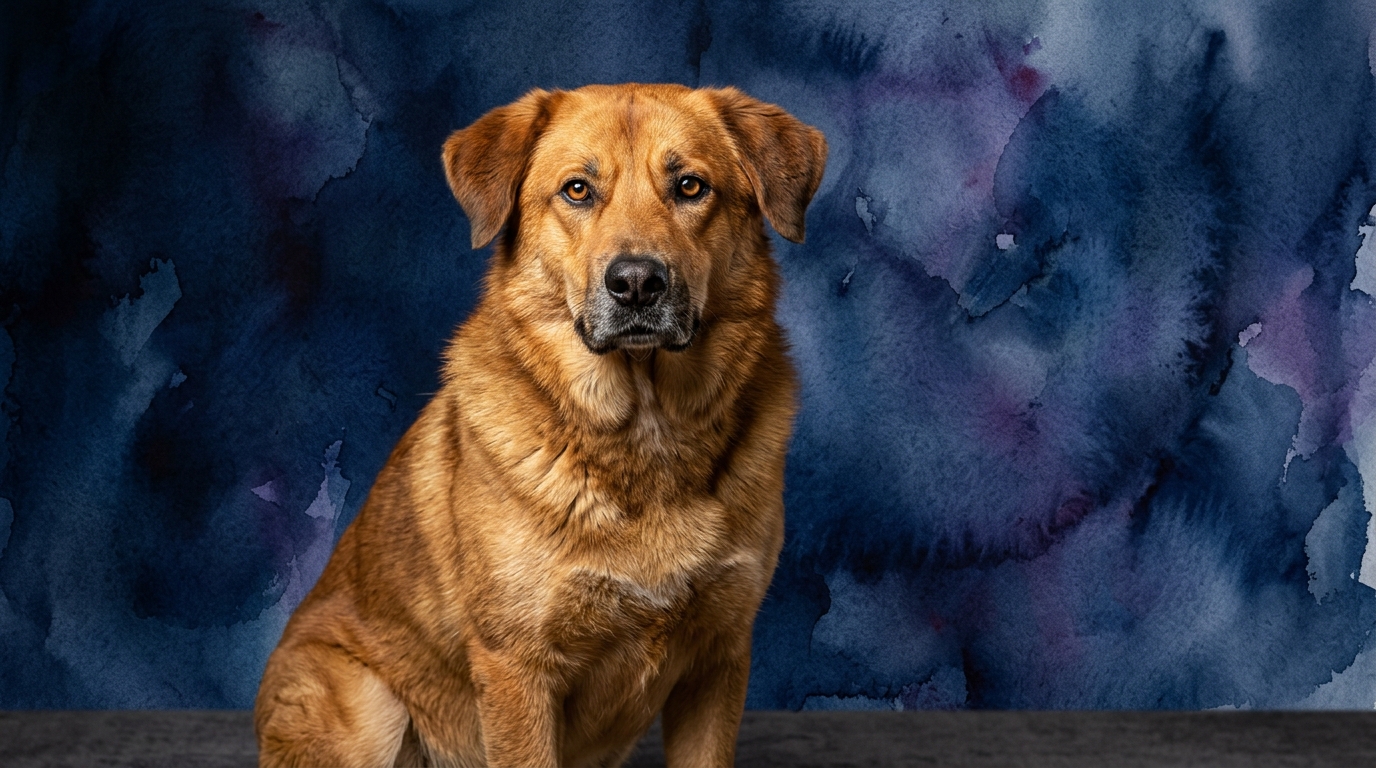
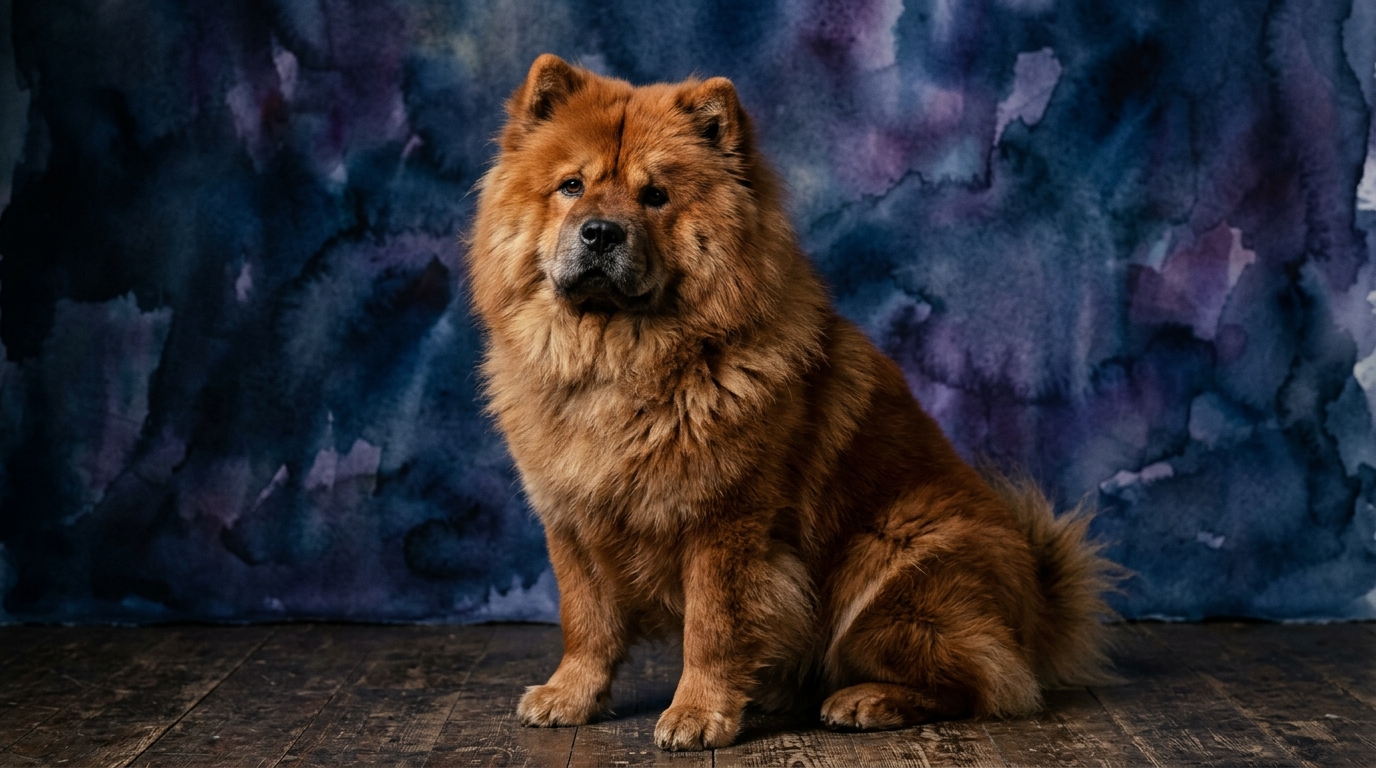
Side-by-Side IQ Profile: Interpreting Identical Scores
At first glance, the IQ profiles for both the Chinook and the Chow Chow appear identical, each scoring 3 out of 5 across all five dimensions: Problem Solving, Training Speed, Social Intelligence, Instinctive Drive, and Memory. However, these scores are not merely numbers; they are interpreted through the lens of each breed's historical role and inherent temperament, revealing significant practical differences in their cognitive application.
For the Chinook, a breed developed for sledding and companionship in the harsh New England climate, a 3/5 in Problem Solving often manifests as practical, task-oriented ingenuity, such as navigating varied terrain or figuring out how to work with a team. Their 3/5 Training Speed reflects a willingness to engage and learn, typically for a shared purpose with their human companions. Social Intelligence at 3/5 for a Chinook indicates a cooperative nature, attentive to handler cues and group dynamics, essential for their working heritage. Their Instinctive Drive, also 3/5, is often channeled into pulling, exploring, and physical exertion, reflecting their sled dog lineage. Finally, a 3/5 Memory means they retain complex routines, commands, and learned experiences effectively, aiding in consistent performance.
The Chow Chow, originating from ancient China as a versatile utility dog for guarding, hunting, and herding, interprets these same 3/5 scores quite differently. Their 3/5 Problem Solving might lean towards independent decision-making, often for their own comfort or perceived benefit, rather than collaborative effort. A 3/5 Training Speed for a Chow Chow can imply a slower uptake due to their renowned independent streak and discerning nature, requiring consistent, patient, and engaging methods. Their 3/5 Social Intelligence is typically reserved, showing discernment rather than overt eagerness, often forming strong bonds with a select few while being aloof with strangers. The Chow Chow's 3/5 Instinctive Drive often expresses itself as a strong guarding instinct and a desire for territory, reflecting their protective heritage. Their 3/5 Memory allows them to recall routines, boundaries, and specific individuals with accuracy, reinforcing their established preferences and loyalties.
Where the Chinook Wins Cognitively
While their numerical scores are the same, the Chinook's cognitive strengths shine in areas requiring active participation and partnership. Their 3/5 in Social Intelligence, when combined with their Working Group heritage, translates into a more overtly cooperative and eager-to-please demeanor. This means a Chinook is generally more attuned to human communication and intentions, making them more receptive to collaborative tasks and joint problem-solving efforts. For instance, if presented with a novel puzzle toy, a Chinook is more likely to engage with their owner for guidance or encouragement, viewing it as a shared activity.
The Chinook's 3/5 Problem Solving, interpreted through their background as sled dogs, often manifests as practical, solutions-oriented thinking in dynamic environments. They excel at navigating complex physical spaces or adapting to changing conditions, which is a direct application of their working intellect. This breed's 3/5 Training Speed benefits from their inherent desire to work alongside humans, allowing them to grasp multi-step commands or sequences with relatively fewer repetitions when the motivation is clear and the task is engaging. Their memory supports this by allowing them to reliably recall intricate routes or extensive command sets, crucial for their original purpose.
Where the Chow Chow Wins Cognitively
The Chow Chow's cognitive advantages, though also rated 3/5, are rooted in their independence and discernment. Their 3/5 Problem Solving often involves finding solutions that prioritize their own comfort, boundaries, or preferred routines, sometimes without seeking direct human input. This can be seen as a form of self-sufficient intelligence, where they might independently figure out how to access a favorite quiet spot or avoid an undesirable situation. This breed's 3/5 Instinctive Drive for guarding and territoriality means they possess a keen awareness of their surroundings and a precise memory for who belongs and who doesn't, a cognitive strength invaluable for their historical role.
The Chow Chow's 3/5 Social Intelligence, though reserved, is highly selective and leads to deep, discerning bonds. They are adept at reading the nuances of their preferred individuals, understanding subtle cues from their inner circle in ways that might be overlooked by more generally outgoing breeds. Their 3/5 Memory supports this by allowing them to retain specific experiences and interactions, shaping their unique relationships and reinforcing their selective social preferences. This means they are less likely to be swayed by novelty and more consistent in their established attachments and routines.
Which is Easier to Train and Why
When considering ease of training, the Chinook generally presents a more straightforward experience due to its inherent temperament and breed purpose. Both breeds have a 3/5 Training Speed, but the Chinook's translates into a greater eagerness to please and a natural inclination to work cooperatively with a handler. Their 3/5 Social Intelligence means they are more receptive to human direction and positive reinforcement, often viewing training as a collaborative activity. A Chinook is typically motivated by praise, treats, and the opportunity to engage in a shared task, making them more responsive to consistent, positive training methods.
The Chow Chow, despite also scoring 3/5 in Training Speed, often requires a different approach due to its independent and sometimes stubborn nature. Their 3/5 Social Intelligence is discerning, meaning they will engage on their own terms and might not see the immediate benefit of performing a command if it doesn't align with their preferences. Training a Chow Chow demands exceptional patience, consistency, and a deep understanding of their motivations. They respond best to handlers who can establish clear boundaries and provide motivation through calm, confident leadership, rather than forceful methods. While they are capable of learning, their selective engagement means that training progress might be slower and require more creative techniques to maintain their interest.
Which Suits Active Owners vs. Relaxed Owners
The Chinook, with its Working Group background and 3/5 Instinctive Drive, is an ideal companion for active owners. This breed thrives on regular exercise, mental stimulation, and a sense of purpose. Their practical Problem Solving and cooperative Social Intelligence mean they enjoy engaging in activities like hiking, jogging, sledding, or dog sports. Owners who are committed to providing daily opportunities for physical exertion and interactive mental challenges will find the Chinook to be a rewarding and well-adjusted companion. Their consistent memory and willingness to train make them excellent partners for adventurous lifestyles.
The Chow Chow, while not entirely sedentary, is better suited for owners who appreciate a more relaxed, independent companion. Their 3/5 Instinctive Drive for guarding means they enjoy observing their surroundings and having a defined territory, often content with moderate daily walks and time spent lounging. Owners who prefer a dog that is less demanding of constant interaction and more content with its own company will find a Chow Chow a good fit. While they still require mental stimulation and structured training, their discerning social intelligence and independent problem-solving mean they are not constantly seeking engagement, making them suitable for quieter households where their unique personality can be respected and understood.
The Verdict
Choose a Chinook if you seek a cooperative, active partner for outdoor adventures and enjoy engaging in shared training and problem-solving activities.
Opt for a Chow Chow if you appreciate an independent, discerning companion with a quiet presence, and you are prepared for patient, consistent training tailored to their unique personality.
🧠 Find Your Pet's IQ Score
Our Pet IQ Lab assessment covers 25+ tests across 5 cognitive dimensions — personalized to your breed.
Take the Full IQ Test →Frequently Asked Questions
Do Chinooks or Chow Chows make better family pets?
Chinooks generally adapt well to active family life, showing cooperative social intelligence and patience with children, especially when raised with them. Chow Chows can be devoted to their immediate family but are often reserved with strangers and require early socialization to ensure they are comfortable in a busy household, typically preferring a calmer environment.
Which breed is more prone to behavioral issues if not properly stimulated?
While both breeds require appropriate stimulation, a Chinook might become bored and destructive if their physical and mental needs, especially their strong instinctive drive, are not met. A Chow Chow, if not properly socialized or understood, might develop guarded or aloof behaviors, emphasizing the need for consistent, patient guidance rather than constant high-energy activities.
Are there significant differences in their memory capabilities?
Both breeds score 3/5 in memory, but they apply this cognitive function differently. Chinooks tend to use their memory for retaining complex commands and routes for cooperative tasks, while Chow Chows often use theirs to remember routines, boundaries, and specific individuals, reinforcing their selective social bonds and independent preferences.