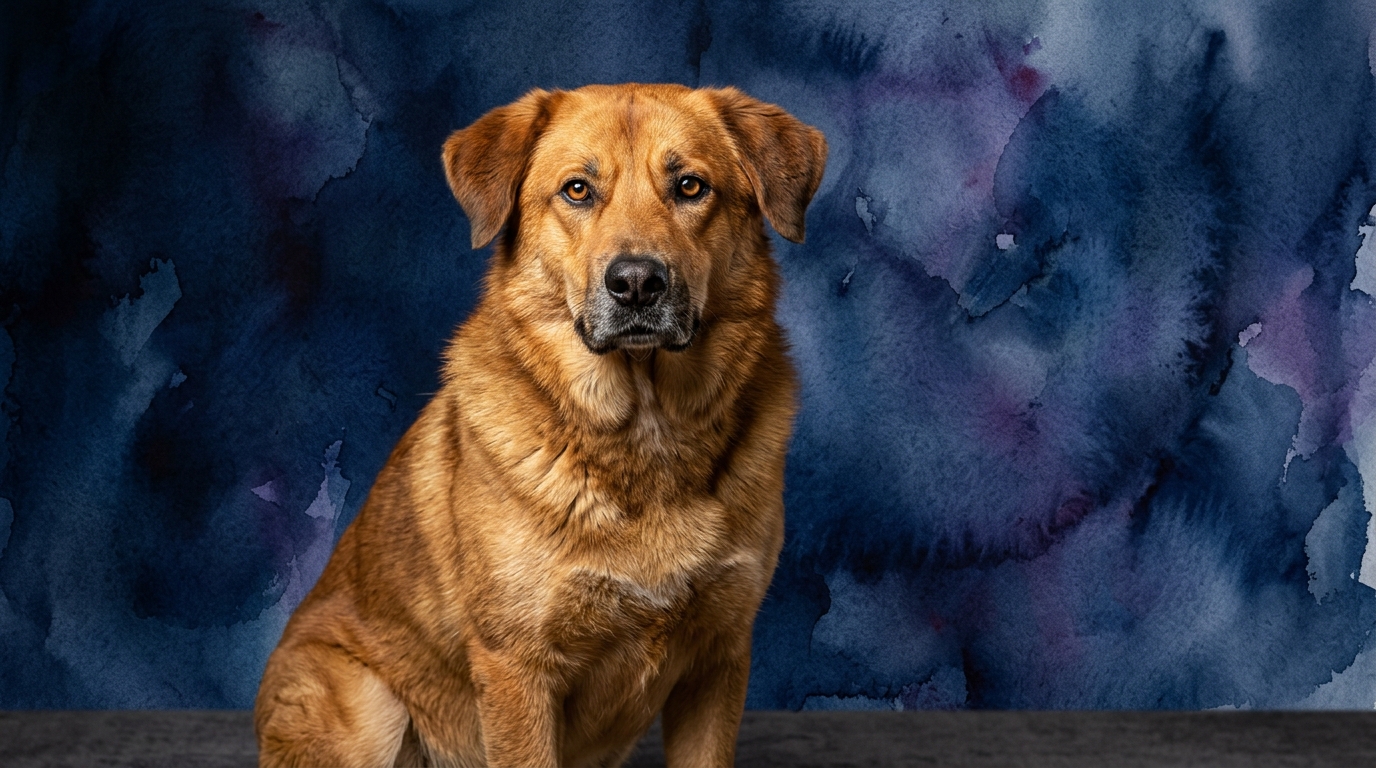
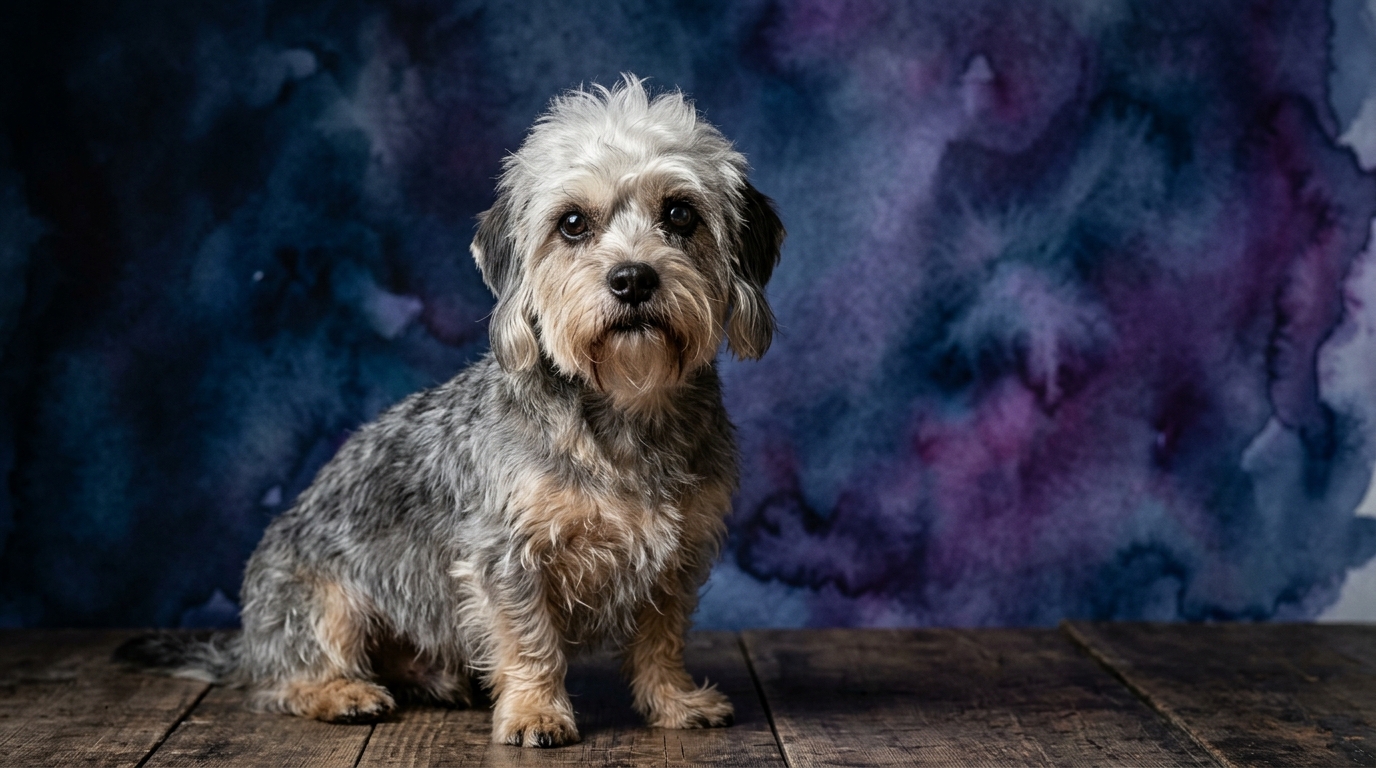
Side-by-Side IQ Profile: Chinook vs. Dandie Dinmont Terrier
At The Cosmic Pet Pet IQ Lab, we evaluate canine cognition across five crucial dimensions, and both the Chinook and the Dandie Dinmont Terrier register a consistent 3 out of 5 in each category. While their numerical scores align, the manifestation of these cognitive traits differs profoundly due to their distinct histories and breed purposes.
For Problem Solving (3/5), the Chinook, a working breed developed for sledding and companionship, typically applies its intellect to navigating complex environmental routes, understanding multi-step routines, or figuring out how to contribute cooperatively within a team or family unit. Their solutions often involve collaboration. The Dandie Dinmont Terrier, bred for hunting small, tenacious prey like badgers and otters, exhibits its problem-solving prowess in more independent and persistent ways, such as strategizing to locate a hidden toy, navigating tight spaces to reach a perceived 'quarry,' or overcoming physical obstacles in its path.
Regarding Training Speed (3/5), the Chinook generally demonstrates a moderate eagerness to learn, particularly when tasks align with their desire for purpose and partnership. They respond well to consistent, positive reinforcement, picking up new commands at a steady pace, especially those related to cooperative work. The Dandie Dinmont Terrier, while capable of learning, often requires a more nuanced approach. Their terrier independence means they learn effectively when motivated by high-value rewards or when the training taps into their innate drives, though they may not always prioritize compliance over their own inclinations.
Social Intelligence (3/5) in the Chinook often manifests as a deep attunement to their human family's emotions and routines, making them perceptive companions who integrate seamlessly into household dynamics. They are typically adept at reading cues for cooperative interaction. The Dandie Dinmont Terrier’s social intelligence, while present in their affection for their close family, can also be observed in their keen observational skills regarding their environment and strangers. They might be more reserved initially, assessing new situations and individuals with a discerning eye, and their social interactions can be influenced by their protective instincts.
Instinctive Drive (3/5) for the Chinook is deeply rooted in their heritage as a sled dog, encompassing a desire for endurance, pulling, and sustained activity. This drive often translates into a need for consistent physical and mental engagement, a love for exploration, and a natural inclination to work alongside their human partners. The Dandie Dinmont Terrier’s instinctive drive is primarily focused on hunting, chasing, and digging, reflecting their historical role as a vermin hunter. Owners will observe this drive in their intense focus on small movements, their enthusiasm for scent work, and their natural inclination to investigate and excavate.
Finally, Memory (3/5) in the Chinook supports their working capabilities, allowing them to remember intricate routes, complex sequences of tasks, and the nuances of their family's daily schedule. This aids in their reliability as a companion and working dog. The Dandie Dinmont Terrier’s memory serves its independent nature, enabling it to recall the location of favorite toys, specific scent trails, or the routines of its immediate territory. Their memory is practical, aiding their exploration and engagement with their environment.
Where the Chinook Wins Cognitively
The Chinook's cognitive strengths truly shine in cooperative problem-solving and understanding complex social structures. Their working breed lineage means they excel at learning multi-step tasks that require sequential actions and collaboration with a human partner. For instance, a Chinook might more readily grasp a series of commands designed to retrieve specific items or navigate an agility course with precision, demonstrating a cognitive preference for structured, shared goals. Their social intelligence also gives them an edge in reading nuanced human emotions and adapting their behavior to maintain harmony within a family unit, making them exceptionally perceptive companions who anticipate needs.
Where the Dandie Dinmont Terrier Wins Cognitively
Conversely, the Dandie Dinmont Terrier's cognitive advantages are apparent in their independent problem-solving and tenacious pursuit of self-directed goals. Their terrier heritage fosters a mind that excels at figuring out how to overcome obstacles to achieve a desired outcome, often without direct human guidance. For example, a Dandie might ingeniously work out how to access a treat hidden in a puzzle toy or persistently dig under a fence if motivated, showcasing a strong capacity for autonomous strategic thinking. Their keen environmental awareness and alertness also give them an edge in detecting subtle changes or potential "prey" in their surroundings, making them astute observers.
Which is Easier to Train and Why
When considering ease of training, the Chinook generally presents a more straightforward path for the average owner. Their working breed background has instilled a desire to please and a natural inclination towards cooperative tasks, meaning they often respond to consistent positive reinforcement with enthusiasm and a moderate training speed. They tend to integrate new commands and routines into their repertoire with less resistance, particularly when they feel they are contributing to a shared effort.
The Dandie Dinmont Terrier, while equally capable of learning, requires a handler who understands and respects their independent, often strong-willed terrier nature. Their training speed, while numerically the same, manifests differently; they learn quickly when the task aligns with their innate drives (like scent work or chasing), but may become less cooperative if the training feels repetitive or lacks direct appeal to their instincts. Training a Dandie often involves more creativity, patience, and a focus on making learning a highly rewarding game that taps into their self-directed motivations rather than relying solely on a desire to please.
Which Suits Active Owners vs. Relaxed Owners
The Chinook is undeniably a better match for active owners. Their 3/5 instinctive drive, combined with their history as sled dogs, necessitates consistent and substantial physical and mental engagement. They thrive on long hikes, running, pulling activities, or structured dog sports. An owner who enjoys outdoor adventures and can provide a "job" or purpose for their dog will find the Chinook a devoted and energetic partner. They are not suited for relaxed owners who prefer a sedentary lifestyle, as insufficient activity can lead to boredom and potential behavioral issues.
The Dandie Dinmont Terrier, while also possessing a 3/5 instinctive drive, presents a slightly different activity profile. Their drive is more focused on bursts of activity, exploration, and mental stimulation related to hunting instincts rather than sustained endurance. They require daily walks, engaging playtime, and opportunities for scent work or digging in designated areas. While they can be content to snuggle on the couch after their needs are met, they are certainly not for entirely relaxed owners. Owners who enjoy shorter, active sessions, puzzle toys, and can provide outlets for their terrier instincts will find a happy companion.
The Verdict
Opt for the Chinook if you seek a cooperative, devoted canine partner for outdoor adventures and structured activities, valuing a dog that integrates deeply into a family routine and thrives on shared purpose.
Select the Dandie Dinmont Terrier if you appreciate an independent, spirited companion with a keen mind for exploration and problem-solving, prepared to engage their natural terrier instincts and provide consistent mental stimulation.
🧠 Find Your Pet's IQ Score
Our Pet IQ Lab assessment covers 25+ tests across 5 cognitive dimensions — personalized to your breed.
Take the Full IQ Test →Frequently Asked Questions
Are Chinooks good family dogs?
Yes, Chinooks generally possess a calm and devoted temperament, making them suitable for families. Their social intelligence and desire for companionship mean they often thrive in an active family environment, eager to participate in routines and activities.
Do Dandie Dinmont Terriers dig a lot?
Dandie Dinmont Terriers have a strong instinctive drive for hunting and digging, a trait inherited from their badger-hunting ancestry. While individual tendencies vary, owners should be prepared for potential digging behaviors and provide appropriate outlets or training.
How much exercise do these breeds need?
Both breeds require regular, consistent exercise to maintain their physical and mental well-being. Chinooks thrive on longer, more endurance-based activities, while Dandie Dinmont Terriers benefit from daily walks, play, and engaging activities that stimulate their inquisitive minds and hunting instincts.