
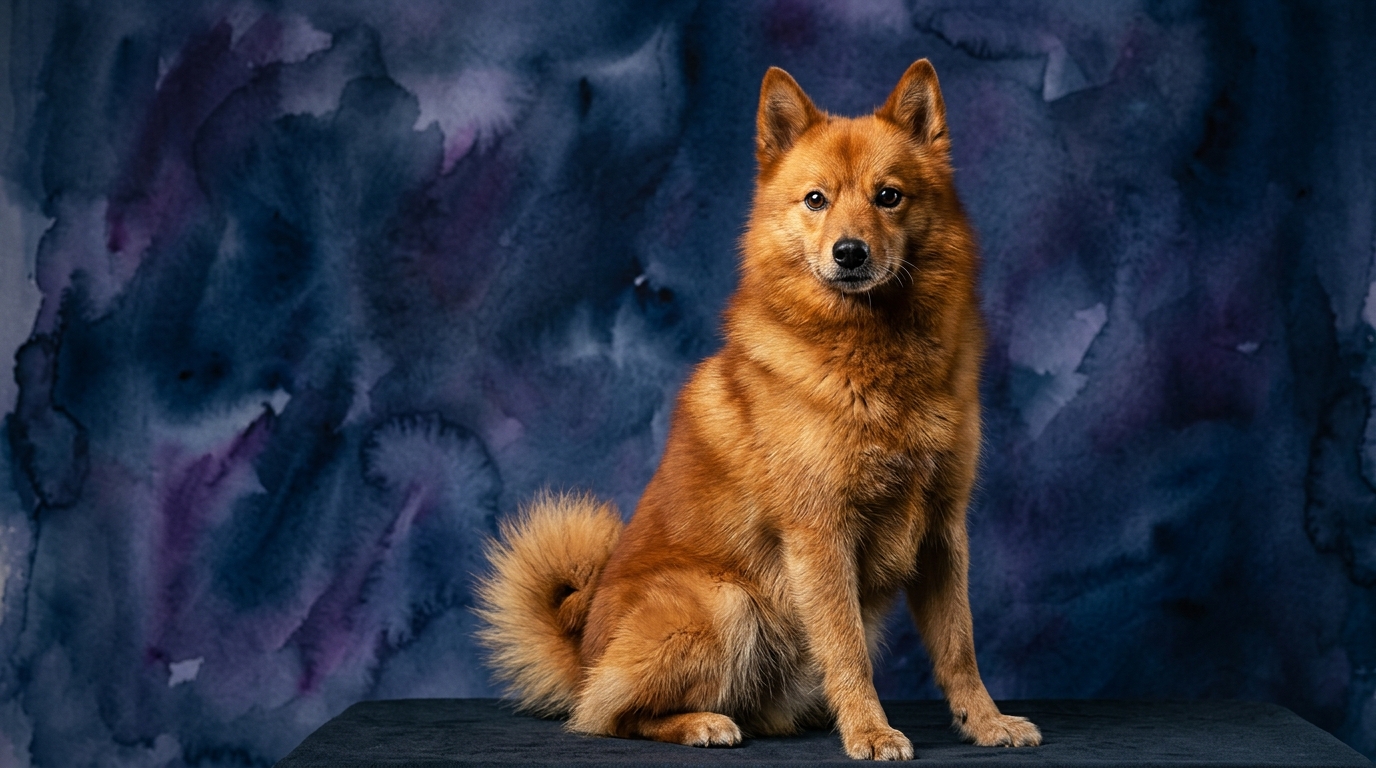
Side-by-Side IQ Profile: Chinook
Problem Solving (3/5): The Chinook, developed for sledding and companionship, approaches problem-solving practically. This mid-range score suggests they can generally grasp sequential tasks, like navigating a trail or understanding retrieval steps, often relying on physical capabilities and perseverance rather than abstract reasoning. They'll typically work through challenges with incentive.
Training Speed (3/5): Chinooks possess a moderate aptitude for learning new commands and routines. Their inherent desire to please, coupled with consistent, positive training, allows them to absorb instructions steadily. While not instantaneous, they are generally receptive and build upon learned behaviors effectively.
Social Intelligence (3/5): With a 3/5, Chinooks demonstrate a solid capacity to read and respond to human emotions and social cues. They form strong family bonds, often showing empathy and understanding of household dynamics, adjusting their behavior based on owner mood, making them sensitive companions.
Instinctive Drive (3/5): Their 3/5 instinctive drive reflects their working heritage. This manifests as a moderate urge for physical activity, exploration, and sometimes pulling or scent-tracking. While innate, these urges are typically manageable and channelable into appropriate activities.
Memory (3/5): Chinooks exhibit moderate memory, enabling recall of commands, routines, and the identities of people and places. They remember experiences, influencing future interactions and learning, allowing for consistent training application and predictable behavior.
Side-by-Side IQ Profile: Finnish Spitz
Problem Solving (3/5): The Finnish Spitz, bred for barking at game birds, approaches problem-solving with an independent, often vocal flair. Their 3/5 score indicates they can strategize to achieve goals, like locating a hidden toy or gaining attention, often using observation, trial-and-error, and their characteristic "yodel." Their solutions prioritize personal initiative.
Training Speed (3/5): A 3/5 training speed implies they are capable learners, but their independent nature often demands more patience and creative motivation. They learn commands, but their willingness to perform might depend on perceived value. Consistency and engaging training are crucial to maintain their attention and overcome occasional stubbornness.
Social Intelligence (3/5): Finnish Spitz dogs display moderate social intelligence, especially within their immediate family. They are attuned to primary caregivers' moods, though reserved with strangers. Their social understanding often manifests as a deep, loyal bond, sometimes through subtle cues.
Instinctive Drive (3/5): Their 3/5 instinctive drive is profoundly shaped by hunting heritage, particularly strong vocalization and prey drive. This moderate drive means an innate urge to bark at stimuli and pursue small animals. Manageable with outlets, their "barking bird dog" nature is fundamental.
Memory (3/5): The Finnish Spitz's moderate memory allows them to retain information about environment, training, and social interactions. They recall specific locations and past training, even if they occasionally 'forget' a command. This contributes to consistent personality and comfort in familiar surroundings.
Where Chinook Wins Cognitively
Despite identical numerical scores, the Chinook's cognitive strengths often lean into their cooperative nature and physical prowess. Their 3/5 problem-solving frequently involves navigating practical, physical challenges, excelling at tasks that require sustained effort and collaboration with a human partner, such as pulling or following complex scent trails. Their social intelligence, also rated 3/5, often translates into a more overtly responsive and eager-to-please demeanor, making them generally more attuned to direct human instruction and emotional cues in a working context. This cooperative inclination gives them an edge in tasks requiring tandem effort and clear communication.
Where Finnish Spitz Wins Cognitively
The Finnish Spitz, with its unique history, demonstrates a distinct cognitive profile, even with matching scores. Their 3/5 problem-solving often manifests as an independent, resourceful approach to environmental challenges, such as figuring out how to access an interesting scent or alert their owner to a perceived presence, often utilizing their powerful vocalization. Their instinctive drive, also 3/5, is particularly refined in areas of sound detection and vocal communication, making them exceptionally adept at identifying subtle auditory cues and expressing themselves through their characteristic barks and yodels. This specialized auditory and vocal intelligence is a clear cognitive advantage in their specific niche.
Which Is Easier to Train and Why
When considering ease of training, the Chinook generally presents a more straightforward experience. While both breeds score 3/5 in training speed, the Chinook's Working group background instills a stronger desire to collaborate and please its handler. They tend to be more biddable, meaning they are often more inclined to accept direction and respond to positive reinforcement. Their moderate instinctive drives are typically easier to channel into constructive activities. In contrast, the Finnish Spitz's 3/5 training speed is coupled with a pronounced independent streak and a strong, vocal hunting drive. They learn, but often need to be convinced that the task is worth their effort, requiring more creative and patient motivation from their owner to overcome their self-reliant nature and propensity for selective listening. Their natural inclination to bark also requires dedicated training to manage.
Which Suits Active Owners vs. Relaxed Owners
The Chinook is an excellent fit for active owners who enjoy outdoor adventures like hiking or dog sports. Their moderate energy thrives with consistent physical and mental stimulation, yet they appreciate downtime and can be calm indoors. For more relaxed owners, a Chinook still works if committed to daily brisk walks and engaging play, as their social nature adapts as long as they are included in family life. The Finnish Spitz also requires active owners, but with a different emphasis. Their strong hunting instincts and vocal nature demand regular energy outlets, often through scenting activities or bursts of speed. A truly relaxed owner might struggle with a Finnish Spitz's need for mental stimulation and management of their distinctive vocalizations and prey drive. They suit owners prepared to manage specific, ingrained instincts.
The Verdict
Choose the Chinook if you seek a cooperative, adaptable companion for outdoor adventures and family life, valuing a dog that responds well to guidance and forms strong, empathetic bonds.
Opt for the Finnish Spitz if you appreciate an independent, spirited dog with a unique vocal presence, are prepared for consistent, patient training, and enjoy engaging with a dog whose instincts are a core part of its charm.
🧠 Find Your Pet's IQ Score
Our Pet IQ Lab assessment covers 25+ tests across 5 cognitive dimensions — personalized to your breed.
Take the Full IQ Test →Frequently Asked Questions
Do identical IQ scores mean Chinook and Finnish Spitz are equally easy to train?
Not necessarily. While both score 3/5 in training speed, the Chinook's biddable nature often makes training feel more cooperative, whereas the Finnish Spitz's independence requires more creative motivation and patience to achieve consistent results.
How do their "3/5 instinctive drives" differ in practice?
The Chinook's 3/5 drive often manifests as a desire for physical activity and cooperative tasks, like pulling. The Finnish Spitz's 3/5 drive is more focused on vocalization and prey drive, requiring outlets for barking and scent work.
Can a Chinook or Finnish Spitz live in an apartment?
Both breeds can adapt to apartment living if their exercise and mental stimulation needs are consistently met. However, the Finnish Spitz's propensity for barking might make them a more challenging apartment dweller, requiring diligent training to manage vocalizations.