Side-by-Side IQ Profile: Unpacking Identical Scores
At first glance, the Cosmic Pet Pet IQ Lab scores for both the Chinook and the German Pinscher present a curious uniformity: a solid 3 out of 5 across problem-solving, training speed, social intelligence, instinctive drive, and memory. This identical scoring does not suggest a lack of distinction, but rather that each breed achieves this mid-range competence through very different cognitive pathways and behavioral applications, reflecting their unique histories and purposes. It’s about the quality of the 3, not just the number.
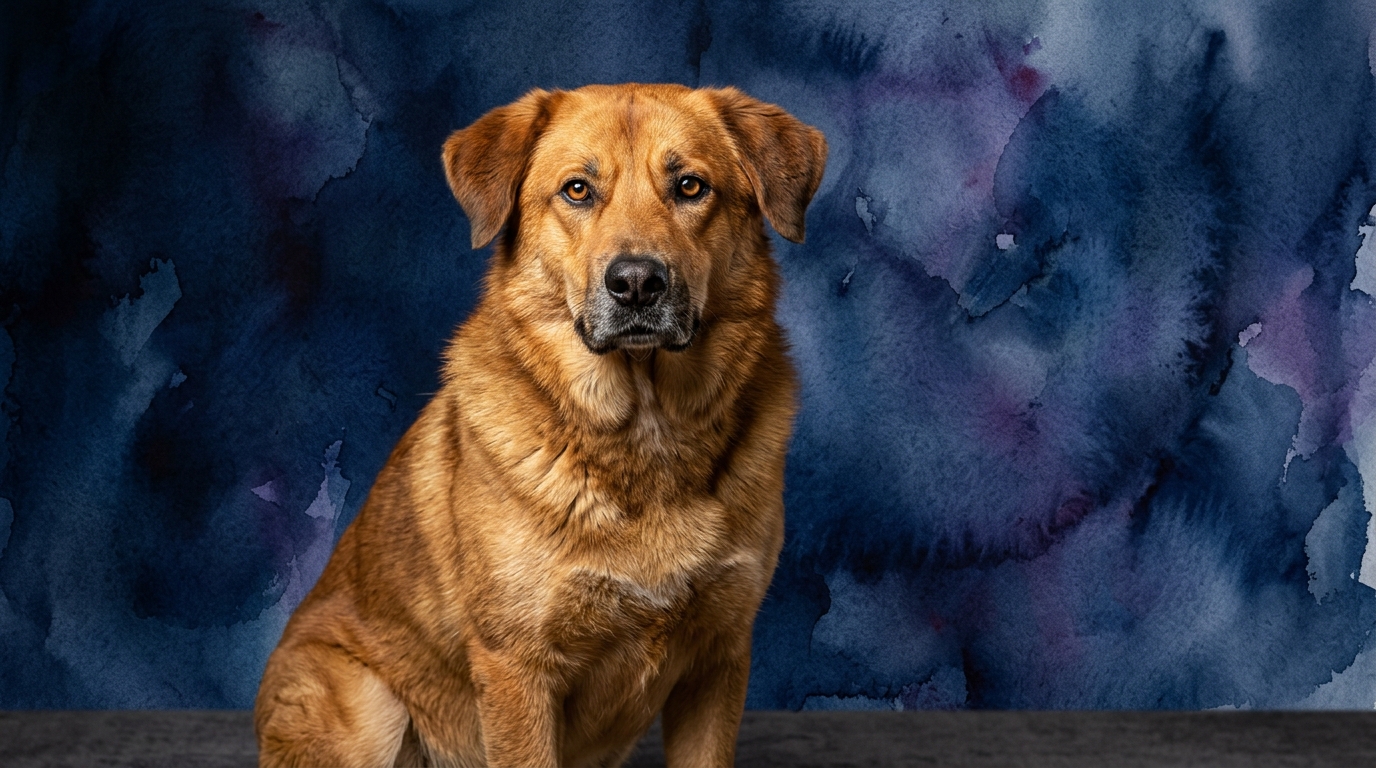
The **Chinook**, a breed developed for sledding and companionship, approaches **Problem Solving (3/5)** with a steady, cooperative mindset, often seeking human input to navigate challenges, whether it's figuring out a new trail or understanding a complex task. Their **Training Speed (3/5)** reflects a willingness to learn and an eagerness to please their family, though they might take a moment to process and internalize commands, preferring to understand the 'why' behind an action. Their **Social Intelligence (3/5)** manifests as a deep attunement to their immediate human family, often displaying a quiet empathy and understanding of routines and moods, though they can be reserved with strangers. The **Instinctive Drive (3/5)** for the Chinook often centers on endurance, pulling, and a strong desire for companionship and cooperative work, rather than intense prey drive. Finally, their **Memory (3/5)** is reliable for routines, learned commands, and familiar faces, crucial for consistent performance in their working roles.
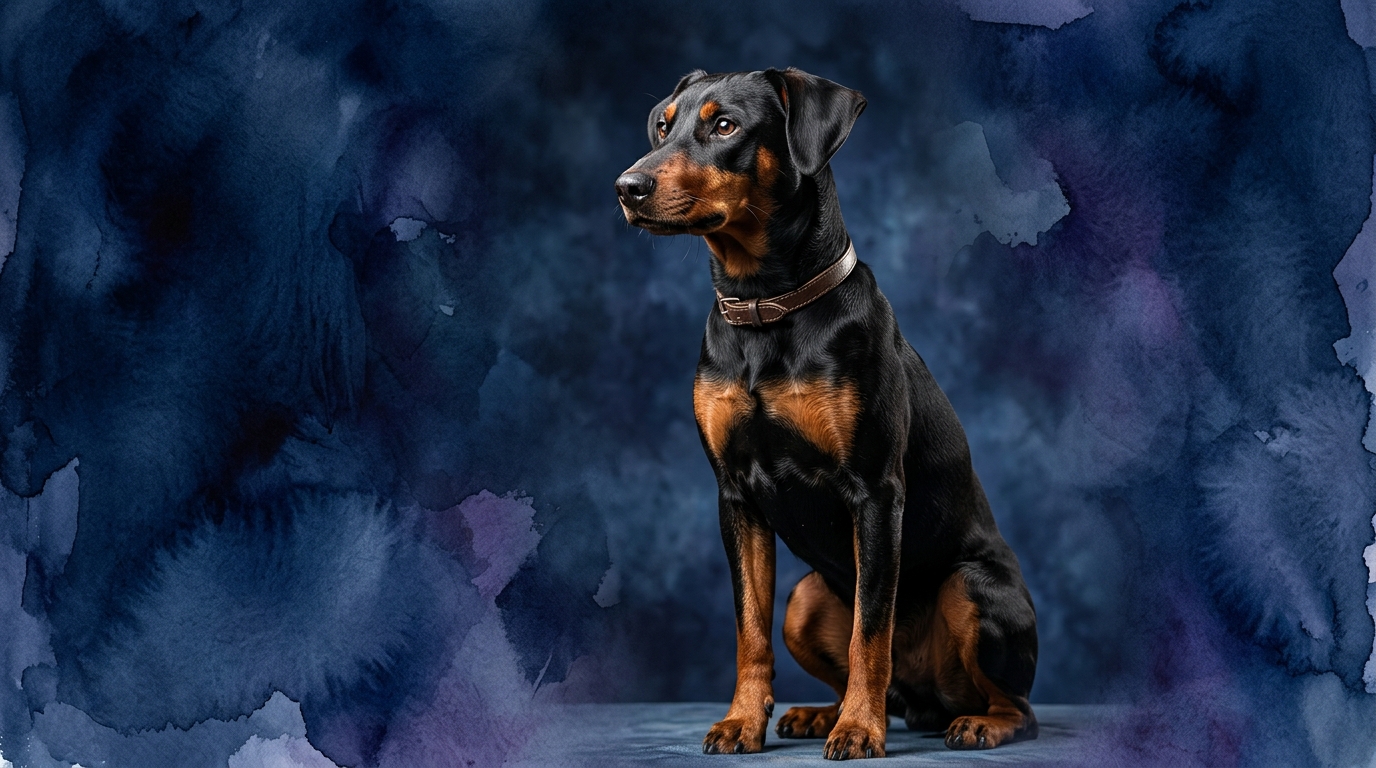
The **German Pinscher**, historically a vermin hunter and guard dog, expresses **Problem Solving (3/5)** with a more independent and often cunning approach, quickly assessing situations and devising solutions that might not always involve human direction. They are adept at finding weaknesses in barriers or outsmarting smaller critters. Their **Training Speed (3/5)** is marked by a quick grasp of new concepts, but their independent spirit means compliance isn't always guaranteed; they learn fast but might choose when to execute. **Social Intelligence (3/5)** for the German Pinscher involves a keen awareness of their surroundings and a strong protective instinct towards their family, quickly discerning friend from potential foe, and often displaying a bold, assertive social demeanor. Their **Instinctive Drive (3/5)** is robust, characterized by a potent prey drive, territoriality, and an alert guarding sensibility. Their **Memory (3/5)** is sharp, particularly for past experiences, boundaries, and anything perceived as a threat or opportunity, contributing to their vigilant nature.
Where the Chinook Shows a Cognitive Edge
While both breeds score identically, the Chinook’s cognitive strengths often shine in environments demanding patient cooperation and sustained focus within a team dynamic. Their **Problem Solving (3/5)**, while not necessarily faster than a Pinscher's, is distinctly oriented towards collaborative efforts. A Chinook might excel at navigating a complex agility course by consistently following human cues and making thoughtful choices about footing, rather than impulsively bursting through, demonstrating a steady, reliable application of their mental capacity. This measured approach allows them to sustain effort over longer periods, making fewer errors due to hasty decisions.
In terms of **Social Intelligence (3/5)**, the Chinook often exhibits a deeper, more nuanced understanding of human emotional states within their family unit, leading to a gentle responsiveness. They are often more intuitive about a handler's subtle body language or mood shifts, which is invaluable in activities requiring close partnership, such as therapy work or intricate obedience routines. Their **Memory (3/5)**, when applied to a consistent routine or a well-established command set, tends to be remarkably steadfast, allowing for predictable and dependable performance in long-term tasks where consistency is paramount.
Where the German Pinscher Demonstrates Cognitive Prowess
The German Pinscher’s cognitive profile, while also rated 3/5, often reveals advantages in scenarios that benefit from quick, independent assessment and decisive action. Their **Problem Solving (3/5)** is frequently expressed through a sharp, independent streak, enabling them to quickly size up a novel situation and react without waiting for direction. This might manifest as rapidly figuring out how to open a gate or identifying an intruder's weak point, reflecting a self-reliant application of their intellect geared towards immediate, practical outcomes.
Regarding **Training Speed (3/5)**, a German Pinscher often picks up new commands with startling rapidity, absorbing new information almost instantly. While their compliance can vary, their initial acquisition of a task can be remarkably swift, showcasing an agile mind. Their **Instinctive Drive (3/5)**, particularly their keen sense of observation and territoriality, translates into an acute awareness of their environment, making them exceptional at detecting subtle changes or potential threats. This vigilance is a cognitive strength, enabling them to process sensory input quickly and act as an effective alarm system, a testament to their heritage as guardians and vermin controllers.
Which is Easier to Train and Why?
When assessing ease of training, even with identical 3/5 scores in training speed, the practical experience with Chinooks and German Pinschers often diverges significantly due to their underlying temperaments and motivations. The Chinook, with its cooperative nature and strong desire to work alongside its human, generally presents as the 'easier' dog for consistent, long-term training. They thrive on positive reinforcement and appreciate clear, consistent guidance, often viewing training as a shared activity that strengthens their bond. Their patience and willingness to process instructions make them rewarding for owners who enjoy a methodical training approach, even if the initial acquisition isn't lightning-fast.
The German Pinscher, despite its quick intellect and ability to learn commands rapidly, can be more challenging to train due to its independent and often strong-willed personality. They might grasp a concept in a single session but then decide whether or not to perform it based on their own assessment of the situation or their current mood. This breed requires an owner with a firm, consistent, and confident approach who can establish clear boundaries and maintain leadership without resorting to harsh methods, which can backfire. While they learn quickly, channeling that learning into reliable obedience requires more mental fortitude and dedication from the trainer to overcome their inherent self-determination and high prey drive. Therefore, while both learn at a similar pace, the Chinook's inherent cooperativeness generally makes the training journey feel smoother and more consistently rewarding for most owners.
Suitability for Active vs. Relaxed Owners
Considering their cognitive profiles and inherent drives, the Chinook and German Pinscher appeal to different owner lifestyles. The Chinook, though a working breed with needs for exercise and mental engagement, often aligns well with active owners who appreciate a companion for hiking, jogging, or even recreational sledding, but also value a calm, affectionate presence indoors. Their steady problem-solving and social intelligence make them wonderful partners for cooperative activities and family life, fitting into a routine that balances adventure with quiet companionship. An owner who enjoys consistent routines, shared outdoor adventures, and a dog deeply integrated into family activities will find a Chinook's cognitive makeup highly complementary.
The German Pinscher, conversely, is better suited for highly active and experienced owners who can consistently meet their intense physical and mental demands. Their quick, independent problem-solving and strong instinctive drives require an owner who thrives on providing structured challenges, advanced obedience, agility, or even scent work to keep their sharp minds engaged. A relaxed owner might find themselves overwhelmed by the Pinscher's boundless energy, vigilance, and assertive personality, which, if not properly channeled, can lead to undesirable behaviors. Owners who enjoy a dog with a bold personality, a protective instinct, and the drive to constantly be 'doing' something will find the German Pinscher's cognitive and physical energy a perfect match for a dynamic, engaged lifestyle that includes plenty of mental stimulation and physical outlets.
The Verdict
Choose the Chinook if you seek a cooperative, empathetic canine partner for shared adventures and a deeply bonded family life, valuing steady intelligence and consistent companionship over raw speed or independent action.
Opt for the German Pinscher if you are an experienced, highly active owner who appreciates a quick-thinking, vigilant, and independent dog, ready for intense mental challenges and a dynamic, engaged lifestyle.
🧠 Find Your Pet's IQ Score
Our Pet IQ Lab assessment covers 25+ tests across 5 cognitive dimensions — personalized to your breed.
Take the Full IQ Test →Frequently Asked Questions
Are Chinooks good family dogs?
Yes, Chinooks generally excel as family dogs, forming strong bonds and displaying a patient, gentle demeanor with children. Their social intelligence helps them integrate well into family dynamics, though early socialization is always beneficial for any breed.
Do German Pinschers require a lot of exercise?
Absolutely. German Pinschers possess significant energy and a robust instinctive drive, requiring extensive daily exercise and mental stimulation to thrive. Without adequate outlets, their sharp minds and bodies can become bored, leading to undesirable behaviors.
Can both breeds live in apartments?
The German Pinscher, with its high energy and vigilant nature, can adapt to apartment living if their extensive exercise and mental stimulation needs are rigorously met daily. The Chinook, being a larger, more cooperative breed, could potentially manage with dedicated outdoor time, but generally thrives with more space, making a house with a yard preferable for both.