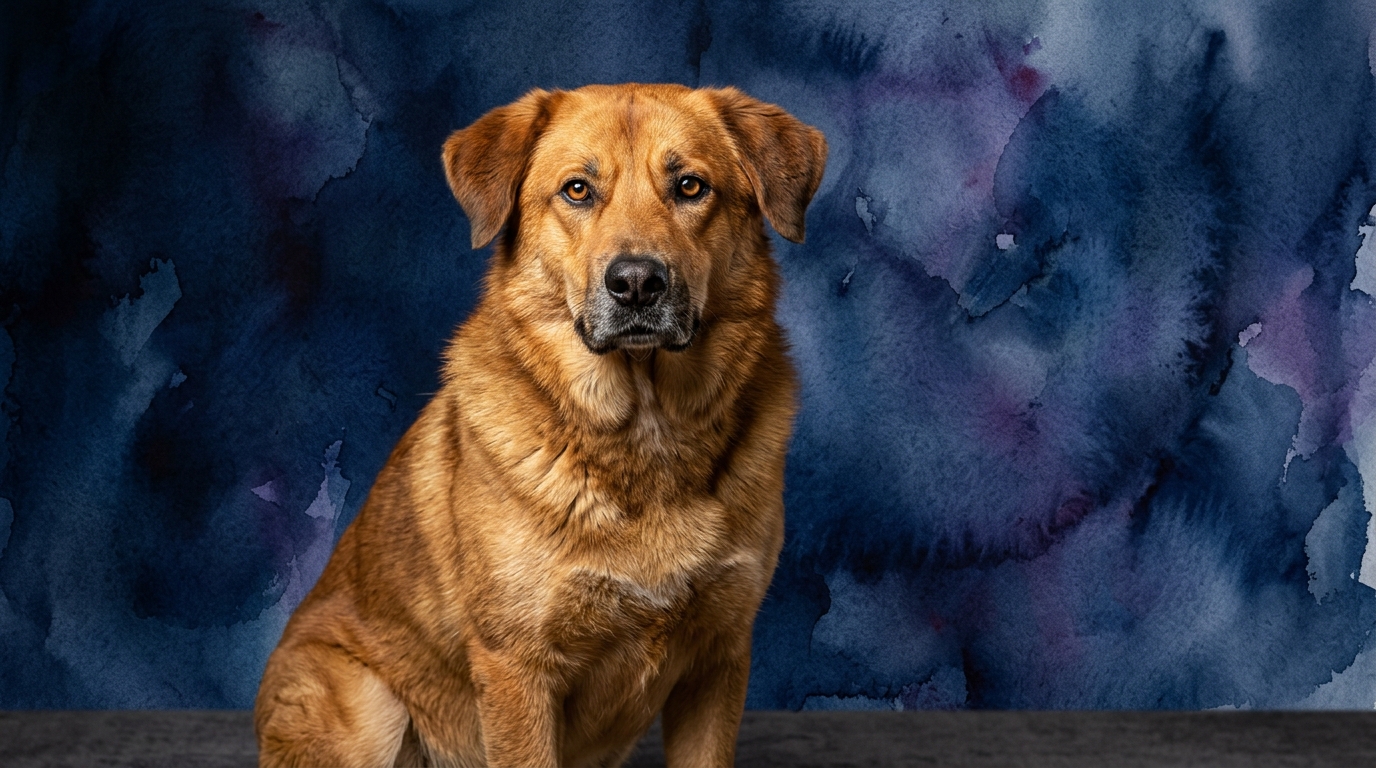
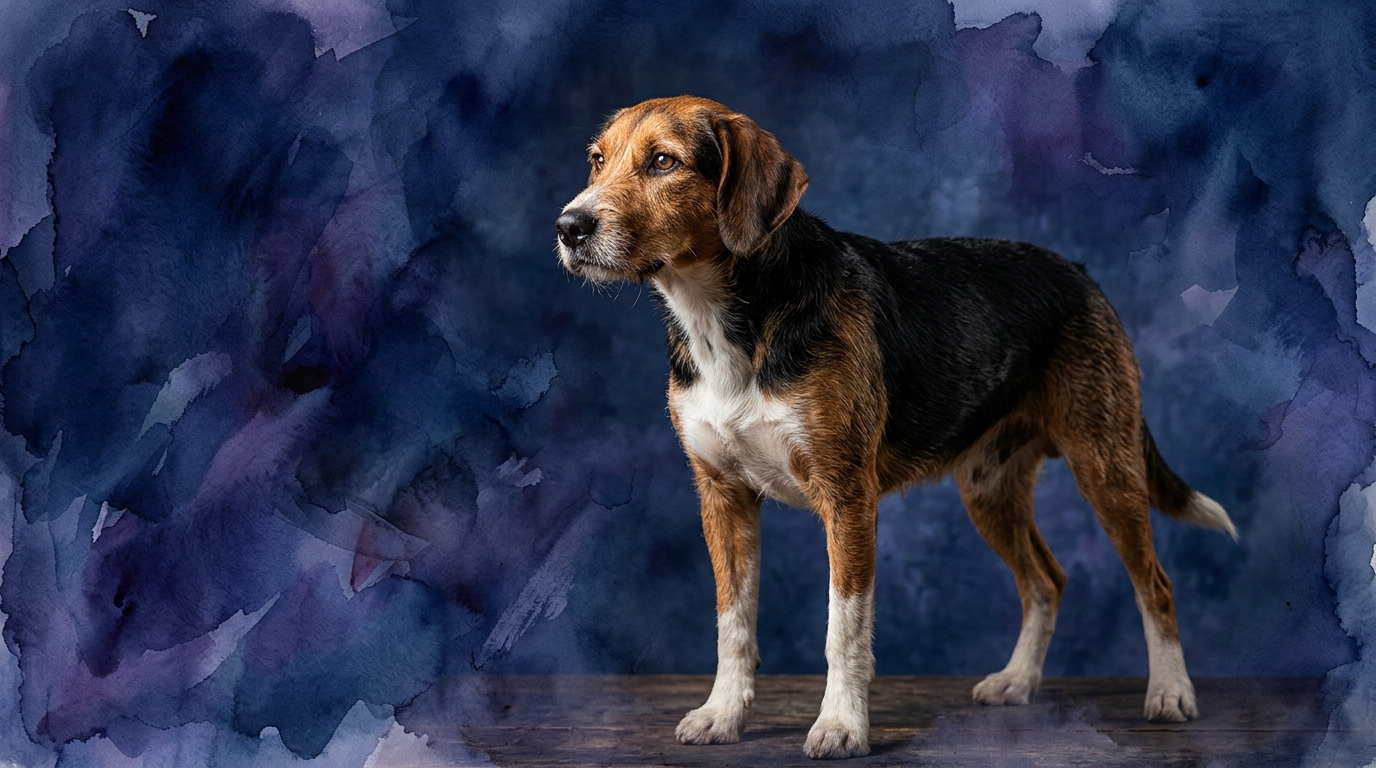
Side-by-Side IQ Profile: Chinook vs. Harrier
The Cosmic Pet IQ Lab evaluates canine intelligence across five key dimensions, each scored out of five. Both the Chinook and the Harrier register a consistent 3/5 across all categories, indicating a solid, capable baseline. However, their breed histories – Working for the Chinook and Hound for the Harrier – provide crucial context for understanding how these identical scores translate into real-world cognition.
For the **Chinook (Working Group)**:
**Problem Solving (3/5):** This score manifests as a practical aptitude for navigating complex environments or executing multi-step tasks. Chinooks often display a methodical approach to obstacles, learning to manipulate objects or sequences to achieve a desired outcome, often in service of a human partner, reflecting their cooperative working heritage.
**Training Speed (3/5):** This reflects a moderate pace of acquiring new commands and routines. Their cooperative nature in a working context means they are generally receptive, but consistent repetition and clear communication are key to solidifying new behaviors and building a reliable working relationship.
**Social Intelligence (3/5):** This indicates a balanced understanding of pack dynamics and human social cues. Chinooks develop strong bonds with their family units and can interpret subtle body language, adapting their behavior to maintain harmony within their established social structure and communicate effectively.
**Instinctive Drive (3/5):** Driven by their heritage as sled dogs, this score reflects a moderate but persistent desire for pulling, endurance, and collaborative work. They possess an inherent inclination to contribute to a task or journey, finding satisfaction in purposeful physical activity.
**Memory (3/5):** This suggests a reliable recall for learned commands, routines, and familiar routes. Once a task or environment is established, Chinooks typically retain that information effectively over time, aiding in consistent performance and predictable behavior.
For the **Harrier (Hound Group)**:
**Problem Solving (3/5):** For Harriers, this score points to a keen ability to decipher environmental information, particularly scent trails. Their problem-solving is often focused on intricate sensory analysis, following complex paths, and overcoming natural barriers to track a target, a direct reflection of their hunting purpose.
**Training Speed (3/5):** Harriers learn new behaviors at a moderate rate, similar to the Chinook. However, their independent, scent-driven focus can sometimes make them appear less immediately responsive, as their primary cognitive engagement lies in their environment rather than solely on the handler.
**Social Intelligence (3/5):** This reflects their aptitude for pack cohesion and communication. Harriers excel at understanding the dynamics within a group of dogs, using vocalizations and body language to coordinate during a chase or to signal findings to their human companions, vital for their historical role.
**Instinctive Drive (3/5):** Rooted in their hunting lineage, this score highlights a powerful, sustained drive for scenting, pursuing, and vocalizing. Their motivation is deeply tied to the thrill of the chase and the satisfaction of following a compelling trail, often overriding other impulses.
**Memory (3/5):** Harriers demonstrate strong recall for scent patterns, terrain features associated with quarry, and the specific calls or signals used during a hunt. Their memory serves their primary instinct, enabling them to navigate and re-evaluate complex sensory data over long distances.
Where the Chinook Wins Cognitively
Despite identical raw scores, the Chinook's cognitive strengths lean towards structured cooperation and task execution. Their 3/5 problem-solving often manifests as a deliberate, thoughtful approach to human-assigned objectives, such as navigating an agility course or performing a multi-step chore around the home. This breed excels when asked to apply their intelligence in a sequential, goal-oriented manner that directly involves their human partner, valuing the collaborative process.
Their memory (3/5) is particularly robust for recalling specific commands and routines, making them dependable for consistent performance in established roles and predictable environments. This focus on partnership makes their social intelligence (3/5) shine in scenarios where understanding human intent and adapting behavior for collaborative success is paramount, creating a seamless and responsive working relationship within a family unit.
Where the Harrier Wins Cognitively
The Harrier's 3/5 cognitive scores, while numerically equal, paint a picture of intelligence honed for independent pursuit and sensory interpretation. Their problem-solving (3/5) is less about human-directed tasks and more about intricate environmental analysis – deciphering complex scent trails, navigating varied terrain, and making autonomous decisions to follow a quarry without constant human intervention. This is a highly specialized form of intelligence.
This breed's instinctive drive (3/5) fuels a relentless mental engagement with their surroundings, allowing their memory (3/5) to store and recall vast amounts of sensory data, particularly scent profiles and geographical markers associated with potential game. Their social intelligence (3/5) is finely tuned for pack dynamics, enabling effective non-verbal communication and cooperation within a group of hounds, a distinct application compared to the Chinook's human-centric social acumen.
Which is Easier to Train and Why
Comparing training ease with identical 3/5 "Training Speed" scores requires looking beyond raw learning capacity to inherent behavioral tendencies and motivations. The Chinook, stemming from a working background, often displays a greater eagerness to please and a natural inclination towards cooperative tasks. While they learn at a moderate pace, their focus tends to be more handler-centric, making them generally more receptive to direct instruction and less prone to distraction.
Their desire for partnership means they are often intrinsically motivated by human approval and the satisfaction of completing a shared objective, which can make training feel smoother and more rewarding for the owner. Consistency is still key, but the Chinook's inherent desire to engage with their human makes the training process often appear more straightforward, as their attention is more readily available.
The Harrier, conversely, despite learning at a similar fundamental speed, presents a different training dynamic due to their strong instinctive drive (3/5) and deeply ingrained scent-oriented focus. Their problem-solving (3/5) is often directed externally, towards the environment and potential trails, rather than solely on the handler's cues. This independence means that while they are capable of learning, their attention can be more easily diverted by compelling scents or the call of the chase, making sustained focus a challenge.
Training a Harrier often demands more patience, creativity, and a higher level of environmental control to keep their focus on the task at hand. Owners must understand that a Harrier's nose is often their primary directive, and competing with a fascinating scent requires significant effort and consistent, high-value rewards to maintain engagement. This can make the *process* feel more challenging even if their actual learning speed is comparable.
Which Suits Active Owners vs. Relaxed Owners
Both the Chinook and the Harrier are breeds that thrive with active engagement, making neither an ideal choice for a truly "relaxed" owner seeking a low-energy companion. Their 3/5 instinctive drives ensure they require significant outlets for their physical and mental energy. However, the *nature* of their activity preferences differs significantly, aligning them with different types of active lifestyles.
The Chinook, with its working dog lineage and moderate instinctive drive (3/5) for pulling and endurance, suits owners who enjoy structured activities like hiking, sledding, skijoring, or long-distance walks with a purpose. They enjoy having a "job" and excel in environments where their physical and mental energy can be channeled into cooperative efforts alongside their human. They are built for sustained, purposeful effort and appreciate a consistent routine.
The Harrier, on the other hand, demands a different kind of activity. Their strong instinctive drive (3/5) for scenting and pursuit means they require extensive opportunities for off-leash exploration in secure areas, scent work, or participation in dog sports like tracking or lure coursing. Owners who appreciate a dog with an independent spirit and are prepared for robust, often vocal, outdoor adventures will find a Harrier a fulfilling companion. Their energy is less about steady endurance for a shared task and more about bursts of intense, scent-driven exploration, making them less suited for owners preferring only short, leashed walks around the block.
The Verdict
Opt for a Chinook if you seek a cooperative partner for structured outdoor activities, valuing a dog whose moderate problem-solving and memory excel in predictable, shared tasks and who finds satisfaction in working alongside you.
Select a Harrier if you are an owner who embraces a dog's independent, scent-driven nature, prepared to provide ample opportunities for extensive exploration and tracking activities where their unique cognitive strengths truly shine.
🧠 Find Your Pet's IQ Score
Our Pet IQ Lab assessment covers 25+ tests across 5 cognitive dimensions — personalized to your breed.
Take the Full IQ Test →Frequently Asked Questions
Do Chinooks and Harriers get along with other pets?
Chinooks generally exhibit a balanced social intelligence (3/5), often integrating well with other household pets if properly socialized from a young age, especially those they grow up with. Harriers, with their pack-oriented social intelligence (3/5), typically coexist well with other dogs, but their strong prey drive can make introductions to smaller, non-canine pets more challenging and require careful supervision.
Are Chinook or Harrier good for first-time dog owners?
Neither breed is typically recommended for absolute first-time dog owners due to their moderate training speed (3/5) and distinct instinctive drives. Chinooks require an owner committed to consistent training and providing a "job," while Harriers demand an owner experienced with managing strong scent drives and independent hound tendencies.
What are the primary exercise needs for a Chinook versus a Harrier?
A Chinook requires consistent, moderate to high-intensity exercise, often enjoying activities that involve pulling or endurance, like hiking or sledding, for 60-90 minutes daily. A Harrier needs vigorous, often off-leash, exercise focused on scent exploration and running, ideally for 90+ minutes daily, thriving on activities like tracking, lure coursing, or long adventures in secure areas.