Side-by-Side Cognitive Profile
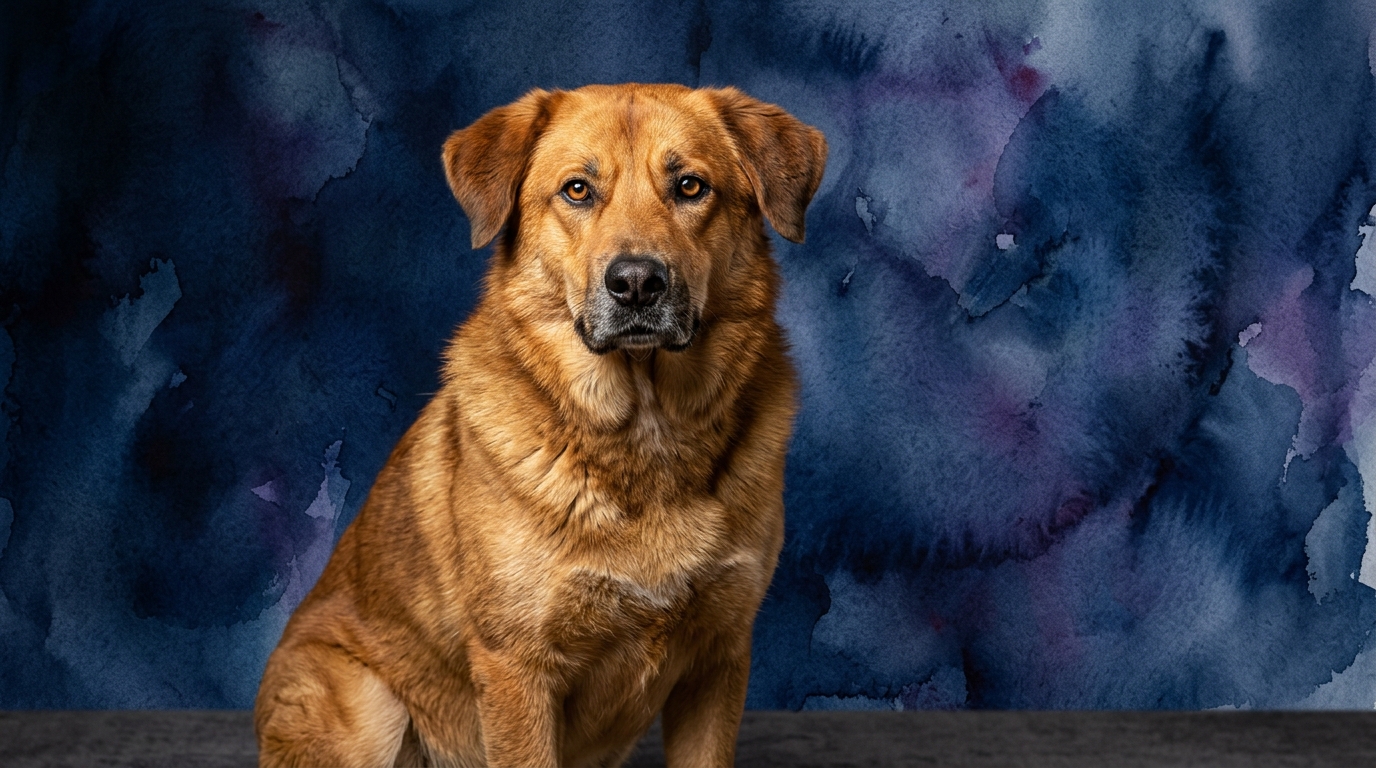
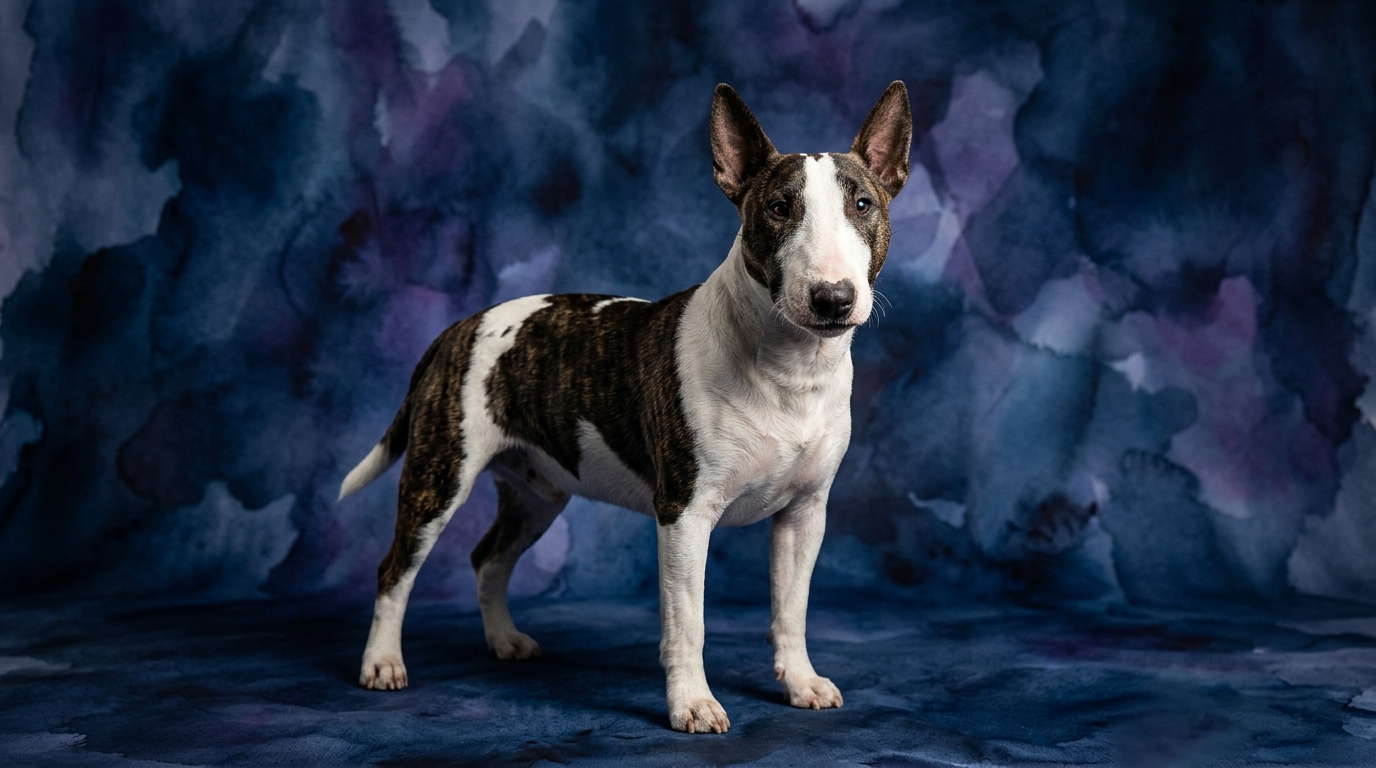
**Problem Solving (3/5):** The Chinook approaches challenges with cooperative thinking and methodical persistence. Their problem-solving involves understanding spatial relationships and remembering sequences, reflecting their sledding role. They often seek human cues or collaboration, rather than relying solely on independent brute force. The Miniature Bull Terrier tackles problems with terrier tenacity and independent thought. Solutions involve persistence and a "try-anything-once" attitude, especially for desired outcomes. They can be clever in manipulating environments or people, demonstrating resourceful, sometimes mischievous, approaches.
**Training Speed (3/5):** The Chinook learns new commands and routines moderately, requiring consistent positive reinforcement. Their biddable nature, from working heritage, makes them eager to please and aids learning. Clear instruction and patience are needed for complex commands to solidify. The Miniature Bull Terrier absorbs new information moderately, but independent spirit demands creative, varied training for engagement. They bore with repetition, so trainers must make learning a game, leveraging their playful nature. Consistent effort secures reliable performance.
**Social Intelligence (3/5):** The Chinook demonstrates solid understanding of social cues, human and canine. They are adept at reading body language and emotional states, often responding with empathy. Their pack-oriented background means they value harmonious relationships and integrate well into family dynamics. The Miniature Bull Terrier possesses moderate social acumen, keenly observing household dynamics and strangers. They can be discerning about trust, exhibiting a reserved or assertive initial approach. While forming strong bonds, interactions can be direct or boisterous, reflecting their confident personality.
**Instinctive Drive (3/5):** Chinook drives rooted in sledding and companionship roles include moderate pull drive, desire for physical activity, and inclination for being part of a team. They exhibit moderate prey drive but are more motivated by cooperation and shared activity. The Miniature Bull Terrier displays distinct terrier instincts: moderate prey drive for small creatures, propensity for digging and exploring. Their drive is characterized by determination and fearlessness when pursuing interests. Instinctive pursuits can be independent and focused.
**Memory (3/5):** The Chinook retains learned commands, routines, and experiences moderately. They remember specific routes, favored item locations, and consistent daily patterns. Their memory is often tied to experiences and emotional context, allowing recall and adaptation. The Miniature Bull Terrier exhibits moderate memory for past events, commands, and consequences. They excel at remembering what leads to positive outcomes (treats, playtime) and recall encountered people/places. Memory contributes to their persistent nature.
Where Chinook Wins Cognitively
The Chinook's cognitive strengths lean towards cooperative problem-solving and a nuanced understanding of human partners. Their ability to integrate into a team and anticipate human needs, honed by generations of working alongside people, gives them an edge in tasks requiring synchronicity and biddability. In complex multi-step tasks, their willingness to follow and adapt based on subtle cues often makes the process smoother, contributing to a predictable and collaborative partnership.
Where Miniature Bull Terrier Wins Cognitively
The Miniature Bull Terrier excels in independent problem-solving, driven by their tenacious spirit and individualistic approach. Their cognitive wins manifest in situations requiring inventive solutions or persistent pursuit without constant human oversight. Faced with a puzzle or obstacle, their resourcefulness and determination to "figure it out" are remarkable. Their memory for cause-and-effect allows them to experiment and recall successful, often unconventional, strategies.
Which Is Easier to Train and Why
The Chinook generally presents as an easier breed to train for a typical owner. Their working background instilled biddability and a desire to collaborate, making them more receptive to instruction and eager to please. While both learn moderately, the Chinook's lower stubbornness and higher inclination to work *with* their handler simplifies training. The Miniature Bull Terrier, with its independent spirit, requires creative, engaging approaches, often needing to be convinced a command is worthwhile.
Which Suits Active Owners vs. Relaxed Owners
The Chinook, with its strong instinctive drive for physical activity and endurance, suits active owners. They thrive on regular exercise, outdoor adventures, and activities like hiking or recreational sledding. Their cooperative social intelligence means they enjoy shared family experiences. The Miniature Bull Terrier, while energetic, can adapt to a less intensely active lifestyle if mental stimulation is met. Their independent streak allows contentment with shorter, intense play and exploration, suiting owners preferring varied activities over sustained endurance. Neither breed is sedentary.
The Verdict
For those seeking a canine companion deeply attuned to cooperative tasks and family harmony, the Chinook is an excellent choice. Their biddable nature and empathetic social intelligence make them a rewarding partner for shared adventures and consistent training.
If an owner values a spirited, tenacious companion with a unique, independent problem-solving flair, the Miniature Bull Terrier will shine. Their charm lies in their determination and cleverness, requiring an owner who appreciates a dog with a strong personality and enjoys engaging in creative training and play.
🧠 Find Your Pet's IQ Score
Our Pet IQ Lab assessment covers 25+ tests across 5 cognitive dimensions — personalized to your breed.
Take the Full IQ Test →Frequently Asked Questions
Do both breeds require significant mental stimulation?
Yes, both the Chinook and Miniature Bull Terrier benefit from consistent mental engagement to prevent boredom and destructive behaviors. While their approaches differ, puzzle toys, varied training sessions, and opportunities for exploration are crucial for their cognitive well-being.
How do their social intelligence scores translate to family life?
The Chinook's social intelligence means they often integrate smoothly, understanding family dynamics and seeking harmonious interactions. The Miniature Bull Terrier, while forming strong bonds, might be more assertive or discerning, requiring consistent socialization for polite interactions with all family members and strangers.
Can a Miniature Bull Terrier be trained for advanced obedience or dog sports?
Absolutely. Despite their independent streak, Miniature Bull Terriers can excel in advanced obedience, agility, and other dog sports with a dedicated, creative trainer. Their tenacity and moderate training speed mean they are capable, but success hinges on making the process stimulating and rewarding.